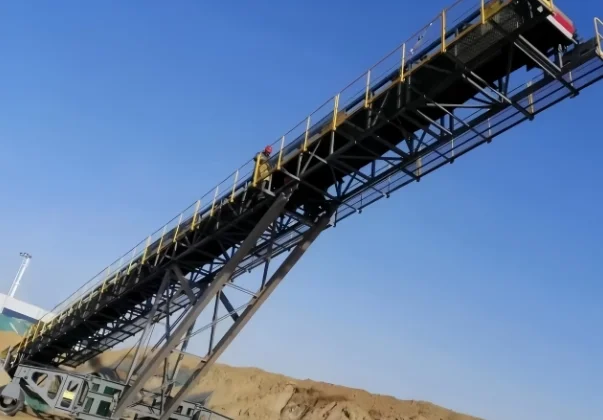
Gravity Conveyor Parts is a key solution in the industry, specifically within logistics, warehousing, and manufacturing sectors. This article explores how https://www.jtconveyor.com supports professionals with durable, high-performance products, and explains why this product is an ideal choice for businesses in these sectors.
Table of Contents
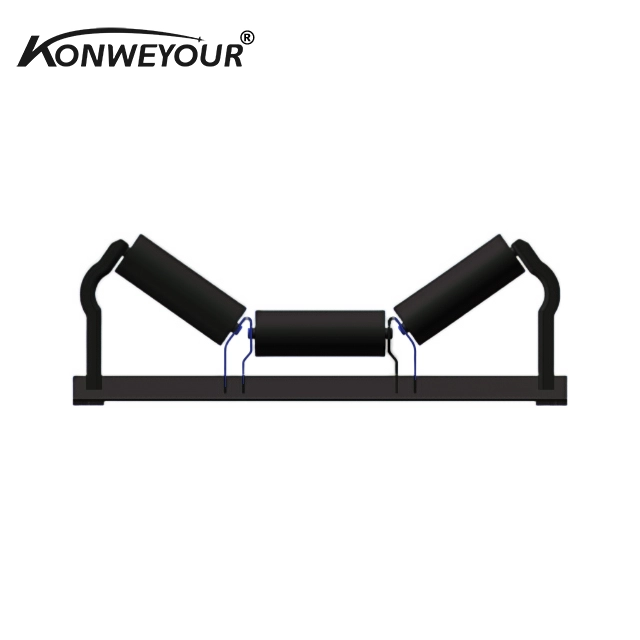
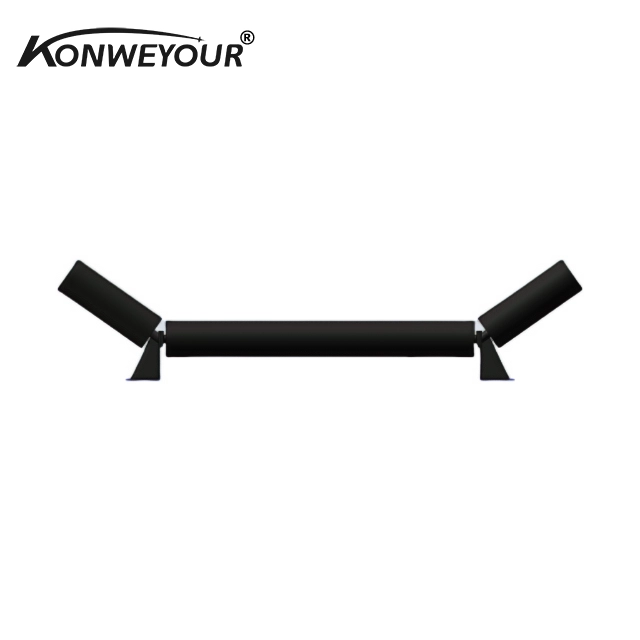
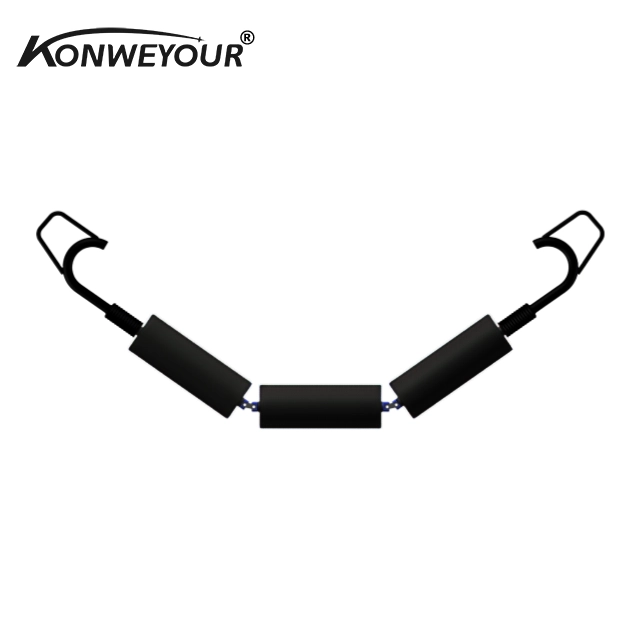
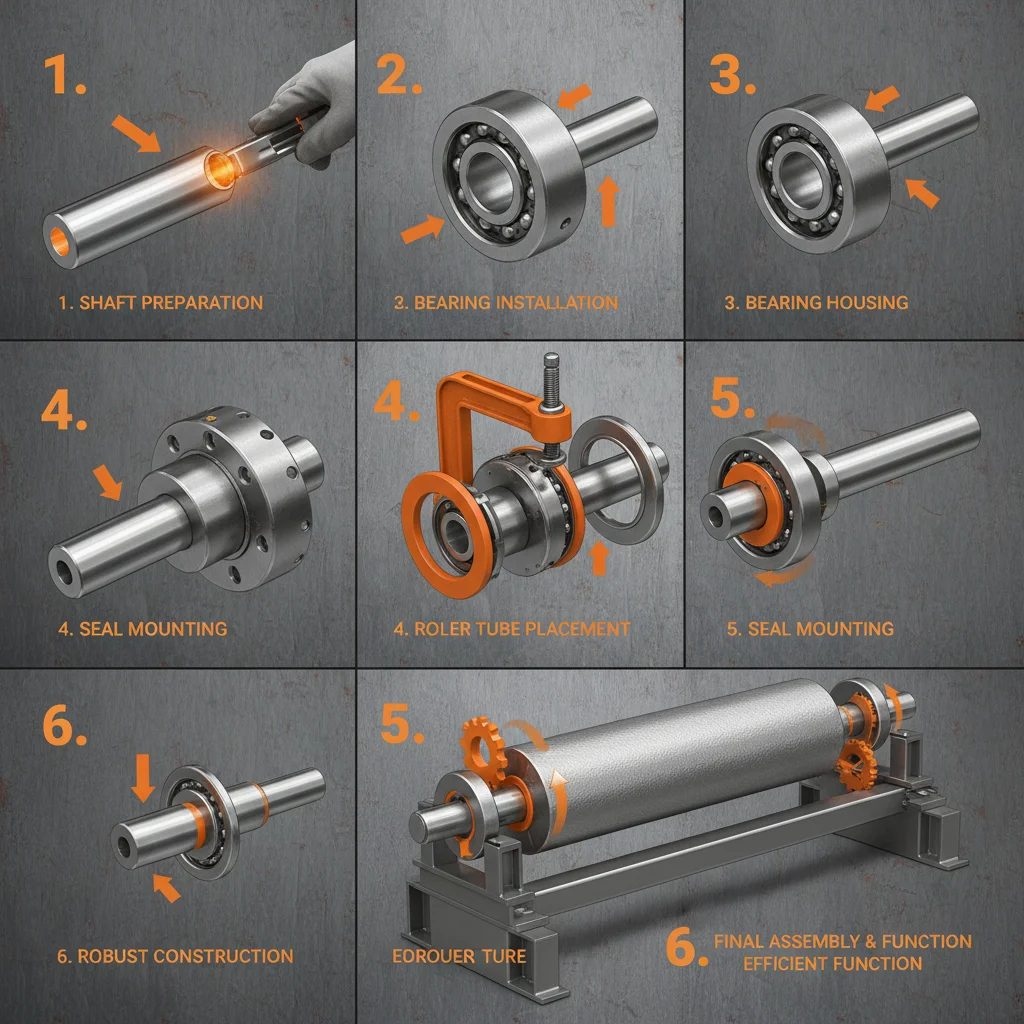
Simply put, gravity conveyor parts are the backbone components of gravity conveyor systems—those nifty, power-free conveyors that rely on incline and gravity to move items along. If you’ve ever watched boxes quietly glide down a sloped conveyor in a warehouse, you’ve seen these parts in action. They range from rollers and bearings to frames and end stops, each playing a critical role in smooth, controlled material movement.
Technically, these parts often use materials like steel or aluminum, designed to handle various load weights and resist wear. JT Conveyor, for example, offers components tested to meet Industry standards, with roller diameters typically between 1.9 and 3 inches, and dynamic weight capacities that can surpass 150 pounds per roller. Oddly enough, proper selection really reduces workplace jams—the bane of many logistics managers, I reckon.
| Part |
Material |
Roller Diameter |
Load Capacity |
| Steel Roller |
Cold Rolled Steel |
2.0 inch |
150 lbs |
| Aluminum Roller |
Aluminum Alloy |
1.9 inch |
100 lbs |
| End Stop |
Steel |
N/A |
N/A |
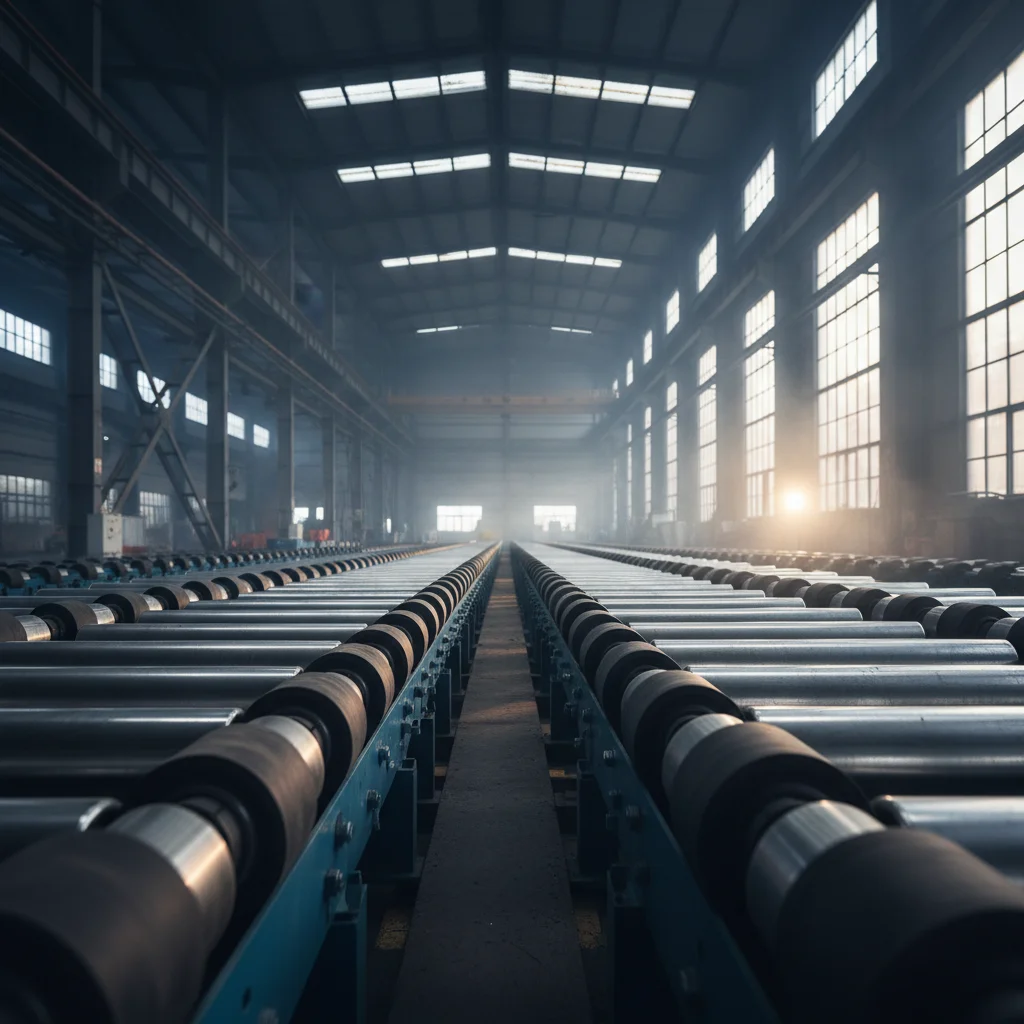
The beauty of gravity conveyor parts lies in their simplicity and reliability. They’re widely used in distribution centers, airports for luggage handling, manufacturing lines for assembly, and even in e-commerce fulfillment centers. Basically, anywhere goods or components need to be moved over short distances without electricity, these parts come into their own.
One big plus is that they reduce operational costs—no motors to maintain, no energy bills tied directly to movement. From what I’ve gathered talking to engineers, these conveyors also improve workflow efficiency by cutting down manual handling. Plus, JT Conveyor parts often feature corrosion-resistant finishes, non-slip rollers, and modular designs which make upgrading or changing configurations fairly straightforward.
| Feature |
Advantage |
Industry Use |
| Modular Components |
Easy customization & repair |
Warehousing, Manufacturing |
| No Power Required |
Lowers energy costs |
Packaging, Distribution |
| Corrosion Resistant Finish |
Extended lifespan in harsh conditions |
Food & Beverage, Cold Storage |
Cost, Maintenance & User Experience
When considering total cost of ownership, gravity conveyor parts often come out ahead. Initially, the investment is reasonable compared to powered conveyors, and you avoid recurring electricity expenses. From a maintenance perspective, these parts usually need minimal attention—lubrication and occasional cleaning, really.
Customer feedback I’ve reviewed from warehouses using JT Conveyor parts highlights several points: reduced downtime, easier part replacement, and improved safety. The modular design means you can swap out a worn roller without disassembling an entire section. That kind of uptime boost directly impacts ROI — it’s not just theory, it’s how many operators describe their day-to-day experience.
Sustainability & Market Trends
Sustainability is becoming impossible to ignore in any sector, logistics included. Gravity conveyor parts score well here due to their power-free nature and long lifespan. Regulations increasingly favor equipment that reduces carbon footprints, and oddly enough, gravity conveyors fit neatly into that mold.
Market trends show growing adoption in green warehouses aiming for net-zero goals. Plus, the use of recyclable materials and coatings compliant with environmental standards (RoHS, REACH) further supports eco-friendliness. With e-commerce growth ramping up, demand for reliable, low-maintenance conveyor parts is only set to rise.
Frequently Asked Questions about Gravity Conveyor Parts
- What is Gravity Conveyor Parts and how does it work?
-
Gravity conveyor parts are the key components—like rollers and frames—that allow goods to move along an inclined conveyor without powered assistance. Essentially, gravity does the work, so products roll or slide down by their own weight.
- What are the main benefits of using Gravity Conveyor Parts in industrial applications?
-
They reduce energy consumption, require less maintenance than powered conveyors, improve workflow efficiency, and often have lower upfront and lifetime costs. Durable materials and modular designs increase system uptime.
- How does Gravity Conveyor Parts compare to traditional alternatives?
-
Unlike powered conveyors, gravity conveyors need no electricity, making them more sustainable and cost-effective for short-distance product movement. They’re simpler, quieter, and easier to maintain, though sometimes less suitable for complex routing.
- What industries can benefit most from Gravity Conveyor Parts implementation?
-
Warehousing, manufacturing, food and beverage processing, postal and parcel services, and cold storage industries use these parts extensively due to their efficiency and adaptability.
Conclusion on Gravity Conveyor Parts from china
To wrap up, Gravity Conveyor Parts remain an essential piece of the puzzle for businesses seeking cost-effective and reliable material handling solutions. Their design simplicity belies their operational impact, saving energy and cutting downtime across varied industries. If you’re looking to boost workflow while keeping budgets in check, investing in quality parts—like those from JT Conveyor—definitely makes sense.
- Visit our website: https://www.jtconveyor.com
In the end, it’s always fascinating how something so straightforward as gravity can be harnessed so effectively with the right parts and a bit of engineering finesse.
- JT Conveyor product specifications and customer feedback, 2024.
- Industry reports on conveyor systems efficiencies, Material Handling News.
- Sustainability guidelines for industrial equipment, Green Logistics Magazine.