Understanding Stainless Steel Gravity Roller Conveyor: Why It Matters Today
If you've ever watched a package smoothly slide from one end of a warehouse to another, chances are a gravity roller conveyor was involved — and often, it's the stainless steel gravity roller conveyor variant that ensures things keep moving efficiently, quietly, and, importantly, hygienically. But what exactly is this conveyor system, and why does it hold such weight globally, across industries, and in humanitarian efforts?
In a world that demands speed, precision, and sustainability, understanding the role of stainless steel gravity roller conveyors means recognizing their unique advantages. They're not just simple mechanical setups; they're critical cogs in the global supply chain, manufacturing, and even disaster relief operations.
Global Perspective: The Conveyor's Role in Modern Industry
The global material handling market was valued at roughly USD 31 billion in 2023 and is expected to grow steadily — which tells you one thing: conveyors are indispensable (source: ISO Standards on Conveyor Systems). Among various types, stainless steel gravity roller conveyors have carved a niche, especially in sectors requiring durability and sanitation, such as food processing, pharmaceuticals, and chemical industries.
One of the hidden challenges these systems address is the demand for contamination-free handling combined with low-maintenance operation. Consider it a solution to the global push for safer, more environmentally friendly industrial processes — something that many industries are racing toward, thanks to ISO 14001 environmental management system standards.
Mini takeaway:
- The stainless steel gravity roller conveyor is a critical player in global logistics and hygiene-focused industries.
- Its importance grows alongside global industrial output and sustainability requirements.
What Is a Stainless Steel Gravity Roller Conveyor?
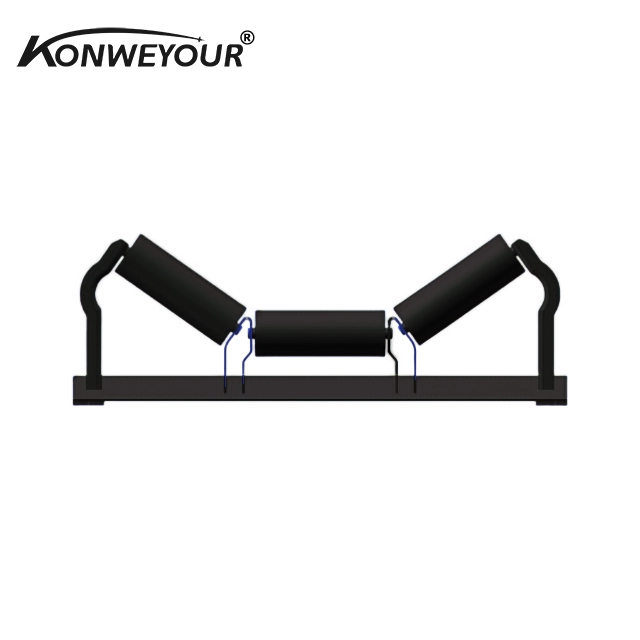
Simply put, a stainless steel gravity roller conveyor is a passive conveyor system where rollers, made of stainless steel, utilize gravity — usually through a slight incline — to move goods without motors or external power. The "gravity" element means fewer moving parts, less energy use, and fewer breakdowns.
Why stainless steel? Because it resists corrosion, cleans up easily, and stands tough in demanding environments. Think of hospitals, cold storage, or food plants — places where rust or material contamination isn't tolerated.
In humanitarian contexts, such conveyors help expedite moving supplies through temporary warehouses during disaster relief without requiring electricity, making logistics more resilient and cost-effective.
Mini takeaway:
- Gravity roller conveyors rely on simple physics combined with durable materials.
- Stainless steel enhances lifespan and hygiene, vital for sensitive applications.
Core Features That Make Stainless Steel Gravity Roller Conveyors Stand Out
1. Durability and Corrosion Resistance
Stainless steel is a known fighter against the elements — be it moisture, acidic substances, or even chemical vapors. Often grades like 304 or 316 stainless steel are used for added corrosion resistance, which many engineers swear by when working in challenging environments.
2. Low Maintenance & Energy Efficiency
No motors means fewer breakdowns. The passive nature absorbs less energy cost (read: zero electricity during operation). You only need occasional cleaning and bearing lubrication, meaning less downtime and longer service life.
3. Scalability & Modular Design
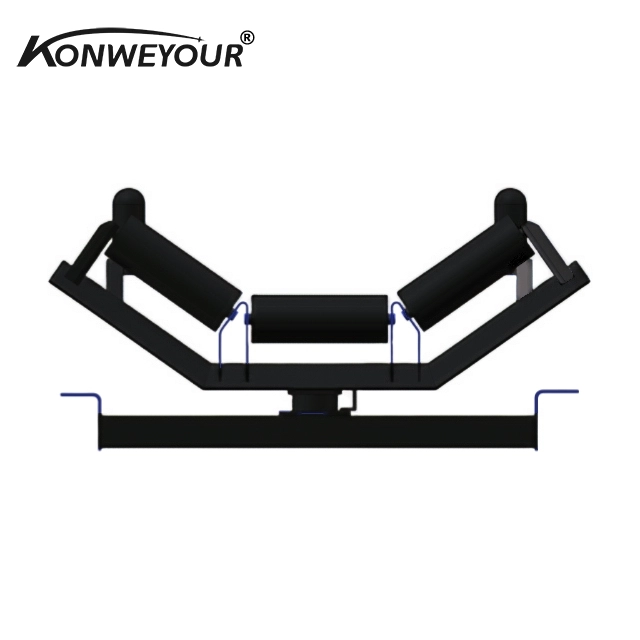
Conveyors can be extended or reconfigured depending on volume and layout changes. This flexibility matches the dynamic nature of modern warehouses or field deployment scenarios.
4. Hygienic & Easy to Clean
Stainless steel surfaces don't harbor bacteria or dirt easily. This is crucial, especially in food and pharmaceutical industries where health standards are strict.
5. Cost-Effectiveness
The initial investment may be higher than mild steel conveyors, but the lower maintenance and longer lifespan often balance this out — quality over cheap quick fixes, right?
Mini takeaway:
- Stainless steel gravity roller conveyors are durable, hygienic, and cost-efficient solutions tailored for demanding environments.
- They balance maintenance simplicity with scalability, meeting modern industrial needs.
Global Applications and Real-World Use Cases
From large-scale manufacturing plants in Germany to food packaging lines in Japan, stainless steel gravity roller conveyors are everywhere.
For instance, a major European pharmaceutical company uses these conveyors in their sterile warehouses where electric conveyors would risk contamination or overheating. Likewise, in Southeast Asia, several disaster relief organizations rely on portable stainless steel gravity roller conveyors in temporary logistics hubs for swift, reliable movement of supplies.
Another interesting use case is the cold storage industry in Canada, where stainless steel is essential due to extreme temperature and moisture — gravity conveyors help shift pallets without adding mechanical complexity that could freeze or fail.
Mini takeaway:
- The conveyors facilitate smooth operations in diverse sectors across different climates and standards.
- They're especially vital where power access is limited or sanitation is non-negotiable.
Advantages and Long-Term Value of Choosing Stainless Steel Gravity Roller Conveyors
It boils down to reliability, sustainability, and safety. Industrial managers often mention peace of mind: the conveyor won’t suddenly break and halt an entire production line.
From an emotional angle, workers feel safer around machinery that's less prone to malfunction. There's something reassuring in a sturdy conveyor, whisper-quiet and dependable. Something many industrial environments could do with more of...
Long-term, these conveyors reduce replacement and energy costs, boosting green credentials for companies chasing ISO 50001 energy management certification.
Product Specification Table
| Specification |
Typical Value |
| Material Grade |
304 / 316 Stainless Steel |
| Roller Diameter |
50 mm to 100 mm |
| Roller Width |
300 mm to 800 mm |
| Load Capacity |
50 to 200 kg per linear meter |
| Surface Finish |
Brushed / Polished |
| Standard Length Modules |
1m, 1.5m, 2m |
Vendor Comparison: Major Stainless Steel Gravity Roller Conveyor Suppliers
| Vendor |
Material Quality |
Custom Options |
Lead Time |
Global Reach |
| JT Conveyor |
304/316 Stainless Steel, Certified |
High (Tailored Roller Specs) |
2-4 weeks |
Asia, Europe, North America |
| Conveyor Pro Ltd. |
304 Stainless Steel |
Medium (Standard Modules) |
4-6 weeks |
Europe, Middle East |
| Global Conveyance |
316 Stainless Steel (Premium) |
High |
3-5 weeks |
Worldwide |
Future Trends and Innovations in Stainless Steel Gravity Conveyor Systems
Digital transformation is slowly entering the conveyor world too. Imagine smart sensors embedded in rollers to monitor speed and maintenance needs without extra downtime. Also, expect greener manufacturing methods — some vendors are trialing recycled stainless steel and solar-powered handling setups to reduce carbon footprints.
Automation still favors powered conveyors, but gravity conveyors remain unbeatable in sustainability and reliability for specific tasks, making their future bright in hybrid systems.
Challenges and How to Overcome Them
Granted, gravity conveyors aren't perfect. For one, they rely on inclines or external pushes, so site planning must be spot on. Loading can sometimes be slow compared to powered rollers. But clever design with modular side pushes, adjustable angles, and integration with powered conveyors solves much of this.
Plus, initial costs can be daunting. However, suppliers like JT Conveyor often offer tailored financing or leasing options—something I noticed helps smaller firms get their foot in the door.
FAQ: Common Questions About Stainless Steel Gravity Roller Conveyors
- Q: How is a stainless steel gravity roller conveyor different from a powered conveyor?
- A: Gravity conveyors use inclined rollers to move items with gravity, requiring no motors or electricity — making them quieter, cheaper to run, and easier to maintain compared to powered systems.
- Q: Can these conveyors handle heavy industrial loads?
- A: Yes, depending on design and roller specs, some systems support loads up to 200 kg per linear meter or more. Custom setups can be built for heavier demands.
- Q: Are stainless steel conveyors suitable for outdoor use?
- A: Absolutely. Stainless steel’s corrosion resistance suits outdoor or humid environments. Just make sure bearings and other accessories are weather-rated too.
- Q: How easy is it to clean and sanitize these conveyors?
- A: Very easy. Stainless steel surfaces are non-porous and compatible with most industrial cleaning agents, making them ideal for food, pharma, and healthcare.
- Q: Can these conveyors be customized for my specific application?
- A: Most vendors offer modular designs and custom options—it’s worth discussing your workflow with your supplier to get a bespoke system.
Wrapping Up: Why Stainless Steel Gravity Roller Conveyors Are Worth a Look
So, whether you run a high-velocity pharmaceutical warehouse, a food packaging line, or manage logistics in remote disaster zones, stainless steel gravity roller conveyors are a simple yet powerful tool that keeps goods moving efficiently, safely, and sustainably.
Feeling inspired? Take a closer look at some of the latest models and custom options at JT Conveyor — they’re among the better options if you want quality, speed, and expertise all in one package.
Quick takeaway:
- Reliable, hygienic, and sustainable — the stainless steel gravity roller conveyor isn’t just a product; it’s a long-term partner in logistics efficiency.
- Exploring these conveyors could unlock cost savings and operational resilience for your business.
References
- ISO Standards for Conveyor Systems
- Gravity conveyor - Wikipedia
- World Bank - Global Supply Chains