The Global Reach and Impact of the Band Conveyor
Band conveyor systems, often quietly humming behind the scenes of countless industries, are vital to modern logistics and manufacturing. What’s truly remarkable is how integral they’ve become globally — from sprawling African mining operations transporting tons of ore, to high-tech Europe-based automotive plants speeding up production lines. Understanding the band conveyor and its multifaceted benefits helps us appreciate the seamless flow of goods and materials supporting economies worldwide.
Consider this: According to the International Organization for Standardization (ISO 5048), conveyor belts like band conveyors reduce manual handling and improve efficiency by up to 60%. That’s not trivial when you scale it across millions of products daily.
Introduction: Why Band Conveyors Matter Across Industries
Globally, industries face increasing pressure to optimize processes, reduce time-to-market, and lower waste — all while addressing environmental and safety standards. The World Bank reports that manufacturing and logistics contribute roughly 15% to global GDP, meaning enhancements here ripple everywhere. Band conveyor systems aptly address these challenges by enabling continuous, automated transport of goods which minimizes human error, decreases workplace injuries, and curtails energy consumption.
But here’s the snag many enterprises encounter: choosing the right conveyor tech that balances cost with durability, adaptability, and scalability — all critical in a world where demands shift overnight.
What Exactly Is a Band Conveyor?
Simply put, a band conveyor is a mechanical system consisting of a continuous loop of material — usually a reinforced belt — that moves products or materials from point A to B. It’s like a steady conveyor belt, but designed to handle specific loads, distances, or environmental conditions depending on the setup.
From a humanitarian angle, these conveyors have played key roles in facilitating disaster relief, moving supplies with minimal human input in urgent situations. Plus, their ability to handle hazardous materials safely speaks volumes about their modern industrial importance.
Core Components That Keep Them Running
1. Durability
Most band conveyors feature belts made from rubber, PVC, PU, or specialized composites — materials chosen for resistance to abrasion, temperature, and chemicals. This ensures long life spans in harsh environments like mining or chemical plants.
2. Scalability
Whether your operation is modest or massive, band conveyors can be designed in modular sections, allowing businesses to expand or adjust layout with relative ease — crucial for growing industries or those with seasonal demand.
3. Cost Efficiency
While upfront investment may vary, the long-term savings in labor, reduced downtime, and lower accident risk means the total cost of ownership is often highly favorable compared to manual or alternative transport.
4. Versatility
Band conveyors easily adapt for a variety of payloads — from bulk raw materials to delicate packaged goods — making them a preferred choice across sectors.
5. Maintenance Simplicity
Many designs emphasize quick belt replacement and minimal lubrication. This keeps downtime low, which engineers say can make or break supply chain reliability.
Mini takeaway: The band conveyor trifecta of durability, adaptability, and reasonable cost is what secures its spot as production backbone in countless enterprises.
Where Do Band Conveyors Really Shine?
Worldwide, band conveyors facilitate operations in areas as diverse as:
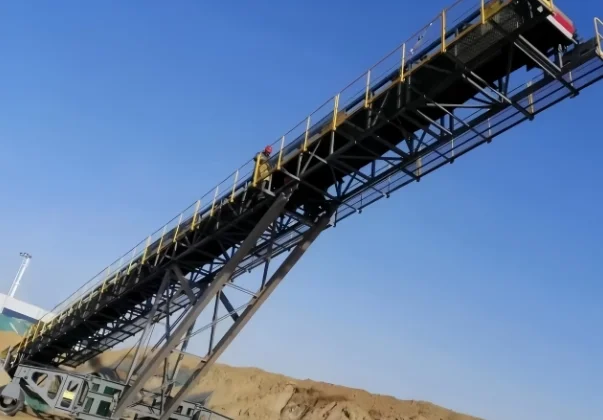
- Mining Regions (Australia, South Africa): Transporting minerals over uneven terrain efficiently.
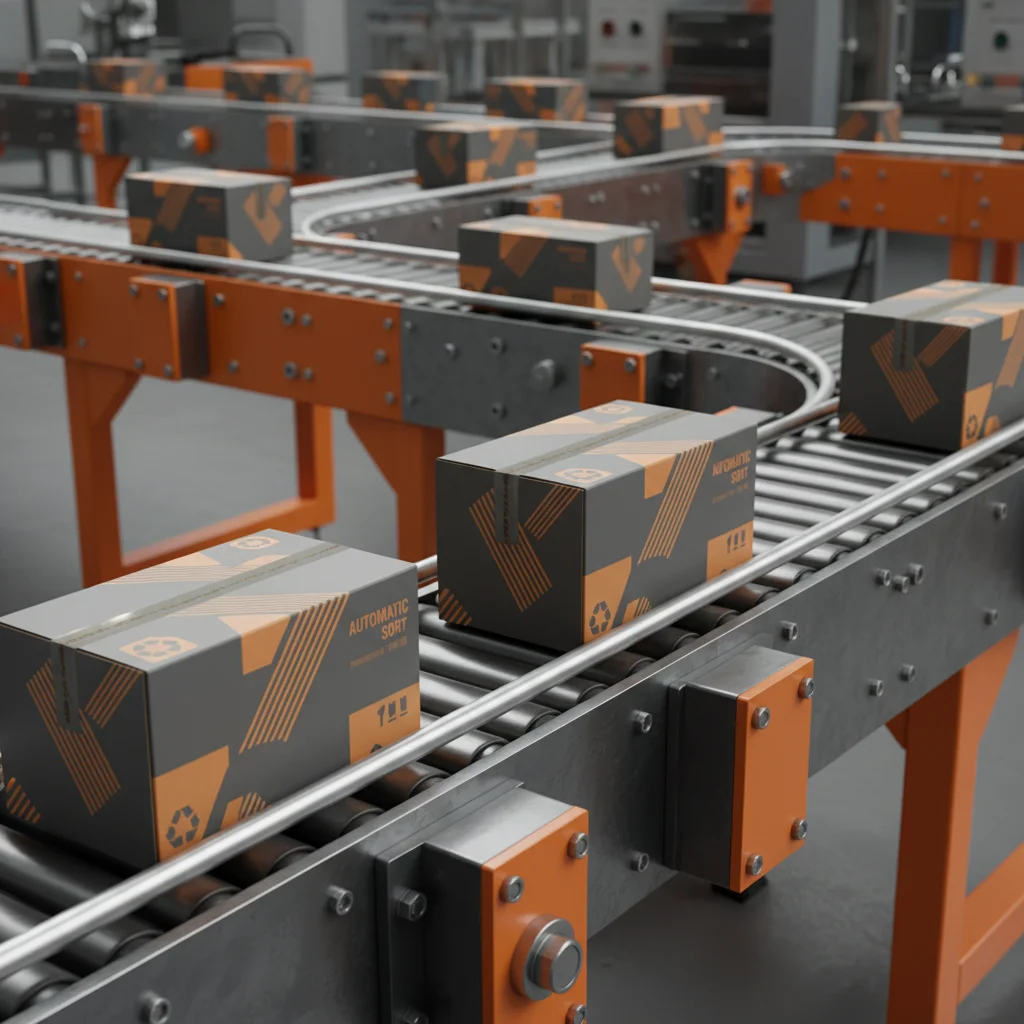
- Logistics Hubs (Europe, North America): Package sorting from factories to final destinations.
- Food & Beverage Plants (Asia, Latin America): Moving raw ingredients and finished products hygienically.
- Post-Disaster Relief: Swiftly moving critical supplies where infrastructure is compromised.
- Construction Sites: Handling large quantities of cement, aggregates, or debris without costly manual labor.
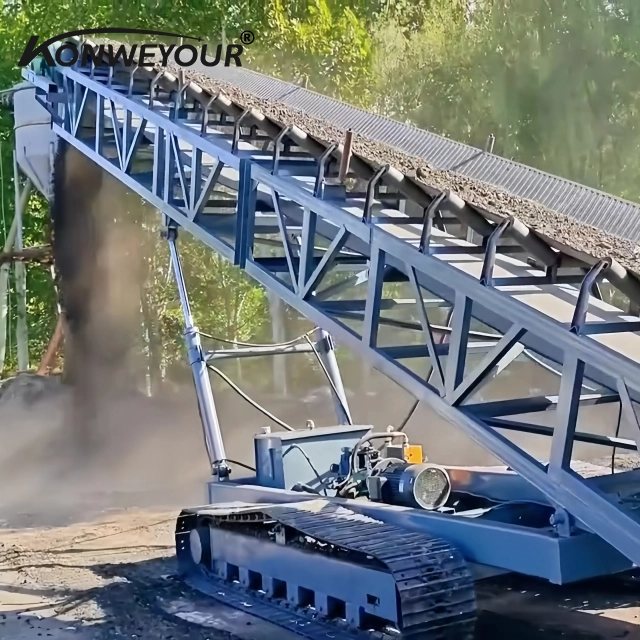
For instance, in remote Amazonian mining operations, conveyors overcome poor road infrastructure by continuously delivering processed ore, reducing reliance on trucking. Meanwhile, major e-commerce warehouses in the US depend on automated band conveyor lines to process tens of thousands of parcels daily.
Advantages that Last
It’s not just the nuts and bolts — band conveyors bring long-term value emotionally and economically. They reduce workplace accidents, fostering worker trust and dignity. They cut emissions by limiting heavy vehicles. They innovate supply chains by integrating with digital monitoring. Plus, the cost savings add up with efficiency gains.
Many operators report noticeable reductions in fatigue and errors when using well-designed band conveyor systems, creating safer, more humane workplaces that also hit productivity targets.
Emerging Trends and Innovations in Band Conveyor Technology
It’s an exciting time. Smart band conveyors employ IoT sensors to monitor belt wear and performance in real-time, enabling predictive maintenance. New eco-friendly belts use recycled materials and reduce plastic waste. Solar-powered drive units aim to cut energy consumption further. Automation integrations with robotics promise fully hands-off material handling from start to finish.
Digital twins and simulation software allow designers to test conveyor configurations before actual builds — slashing costly trial-and-error.
Overcoming Common Challenges
No system is perfect. Some challenges with band conveyors include belt slippage, environmental damage (dust, moisture), and initial capital costs. However, proper planning and selecting specialized belts and casing can mitigate these problems.
Experts recommend periodic belt alignment checks and investments in dust control. Modular designs ease reconfiguration when demand changes.
Product Specification Table
| Specification |
Typical Range |
Notes |
| Belt Width |
200 mm – 1800 mm |
Depends on payload size |
| Belt Speed |
0.5 m/s – 4 m/s |
Adjustable to process requirements |
| Max Load Capacity |
Up to 1000 kg/m (distributed) |
Material dependent |
| Drive Type |
Electric motor (AC/DC), Solar options |
Varies by installation |
| Operating Temperature |
-20°C to 80°C |
Special belts for extremes |
Band Conveyor Vendors Comparison
| Vendor |
Key Strengths |
Typical Markets |
Price Range |
| ConveyorCo |
Custom builds, IoT integration |
Heavy industry, Warehousing |
$$$ |
| RapidBelt Systems |
Fast deployment, modular design |
Construction, Mining |
$$ |
| EcoMove Solutions |
Sustainable belts, solar options |
Food, Agriculture, Recycling |
$$$ |
FAQ: Band Conveyor Basics Answered
Q1: How do I know which band conveyor size suits my operation?
A: Size depends on your product dimensions, volume, and speed requirements. Consider the widest part of your item and expected throughput. Consultation with vendors can help tailor a solution based on site conditions and material type.
Q2: Can band conveyors operate in dusty or wet environments?
A: Yes, many systems use sealed and reinforced belts suitable for such conditions. Dust control measures like enclosures and misting systems can also be implemented to preserve belt life.
Q3: What maintenance steps keep band conveyors running smoothly?
A: Regular belt inspections, cleaning, tension adjustments, and motor checks are essential. Many conveyor systems also support quick belt replacements to minimize downtime.
Q4: Are band conveyors energy efficient?
A: Compared to truck transport or manual handling, band conveyors reduce energy per unit moved significantly. New motors and solar power options enhance sustainability further.
Final Thoughts: Why Investing in Band Conveyors Pays Off
In real terms, band conveyors keep the wheels turning, literally and figuratively, on modern industry and humanitarian logistics. They offer reliability, adaptability, and a proven track record in improving safety and cutting costs. For anyone interested in future-forward material handling, they’re worth a serious look.
To explore tailored band conveyor solutions that fit your business needs, visit our website and see how we help streamline operations worldwide.
References
- ISO 5048 - Conveyor Belt Standards
- World Bank: Industry and Manufacturing Data
- Conveyor Belt - Wikipedia