Floor Conveyor Systems: The Backbone of Modern Material Handling
If you’ve ever wondered how enormous warehouses, sprawling factories, or even major shipping docks keep products flowing smoothly without chaos, the unsung hero is often the humble floor conveyor system. These mechanical assemblies quietly power the global supply chain and industrial efficiency, yet few outside logistics or manufacturing circles ponder their importance. In reality, understanding floor conveyor systems is essential if you care about how goods move—from raw materials to finished products—across continents and into our daily lives.
Globally, the manufacturing and logistics sectors are expected to grow steadily, with the material handling market alone projected to surpass USD 200 billion by 2028 (source: Statista). As such, floor conveyor systems play a critical role in reducing operational costs, increasing throughput, and enabling safer workflows. In humanitarian operations—think disaster relief centers or temporary housing construction—these conveyors literally keep crucial supplies moving. So, this isn’t just about machines; it’s about reliability in complex global operations.
What Exactly Are Floor Conveyor Systems?
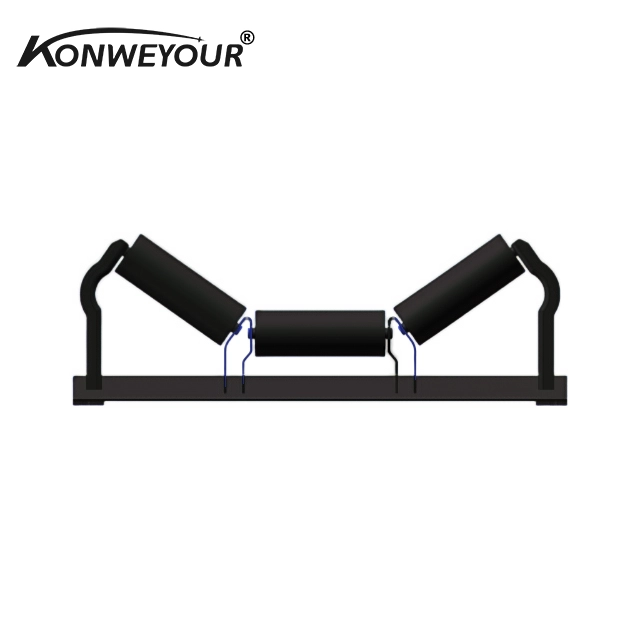
On the surface, a floor conveyor system is a series of connected rollers, belts, or chains laid out on or near the floor, designed to transport materials from one spot to another within a confined space, like a warehouse or manufacturing plant. Think of it as a mechanized conveyor belt, but often modular, scalable, and specially engineered to handle heavy loads and tricky layouts.
They link together different industrial processes, help automate monotonous transport tasks, and minimize human lifting or manual handling. Today’s systems not only handle pallets or boxes but can be customized with sensors and controls to integrate into smart factory setups, making them indispensable in modern Industry 4.0 contexts.
Core Components that Make Floor Conveyor Systems Tick
1. Durability
Robust construction materials like stainless steel or reinforced composites help conveyors handle tons of materials every hour without succumbing to wear. You don’t want your conveyor down during a holiday shipping rush, right? Durability directly affects maintenance schedules and system uptime.
2. Scalability
One of the biggest advantages is modular design. You can add or remove sections, change layouts, or upgrade components with minimal downtime. For industrial managers, this means adapting to seasonal workload surges or new product lines without costly rewiring.
3. Cost Efficiency
While upfront investments can be significant, conveyor systems reduce labor costs and improve throughput efficiency dramatically over time. Many plants report ROI within 18-24 months, which sounds good when you factor in energy savings and fewer workplace injuries.
4. Safety Features
Modern systems integrate emergency stops, sensors to detect jams, and guarded moving parts to protect operators. These not only comply with ISO safety standards but foster employee trust and peace of mind.
5. Integration with Automation
With smart sensors and robotic arms becoming mainstream, floor conveyors are evolving from passive transporters to proactive workflow participants—communicating with warehouse management software and predictive maintenance platforms.
How Floor Conveyor Systems Power the World
Applications range widely:
- Manufacturing Hubs: In automotive plants in Germany or electronics assembly in South Korea, conveyors streamline production lines, minimizing downtime.
- Distribution Centers: Giants like Amazon use extensive floor conveyors to process millions of small parcels a day, especially in North America and Europe.
- Food Processing: Hygienic, stainless steel conveyor belts handle everything from fruits to packaged goods with strict FDA compliance.
- Humanitarian Logistics: In post-disaster relief operations, modular conveyors help unpack and sort emergency supplies faster than manual methods.
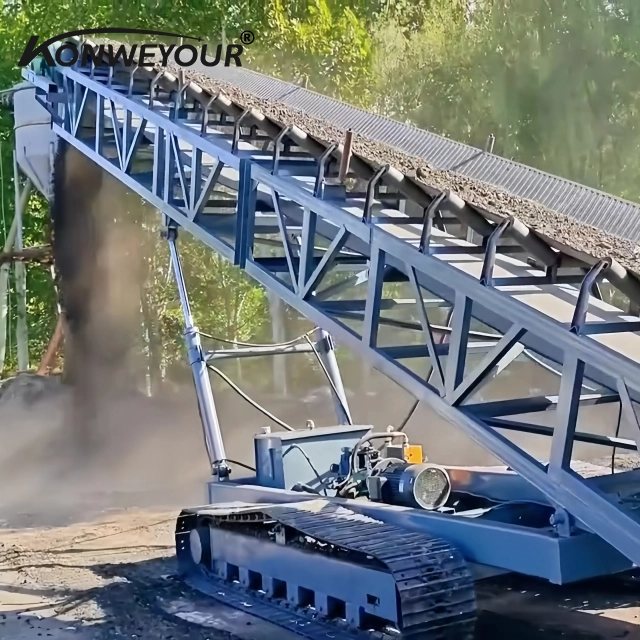
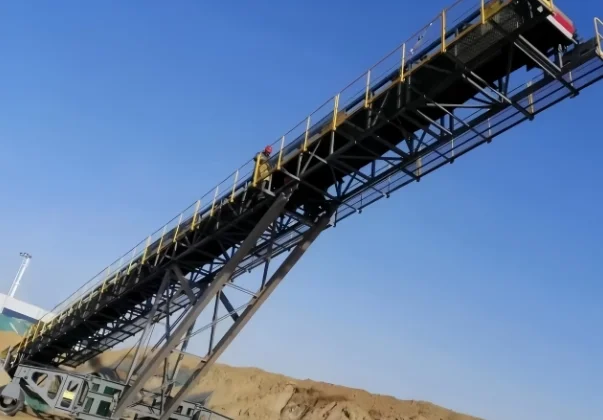
- Remote Mining Sites: Conveyors transport heavy ore where road access is limited, for instance in Australia or South Africa.
So if you think of a conveyor system as a “simple machine,” consider that its global footprint covers everything from convenience stores to space program components—oddly enough.
Mini Takeaway:
Floor conveyor systems aren't just equipment; they’re essential in a web of global logistics, tying efficiency and safety together across industries.
Product Specification Table
| Feature |
Standard Model A |
Heavy Duty Model B |
Modular Flex Model C |
| Load Capacity |
500 kg per meter |
1200 kg per meter |
700 kg per meter |
| Material |
Aluminum frame with PVC belt |
Stainless steel with rubber belt |
Modular steel with interchangeable belts |
| Max Length |
50 meters |
100 meters |
Expandable in 5m increments |
| Speed |
Up to 75 m/min |
Up to 60 m/min |
Up to 70 m/min, adjustable |
| Safety Features |
Basic e-stop & guarding |
Advanced sensors & emergency stop |
Full IoT connectivity & safety monitoring |
Advantages & The Long-Term Value of Conveyor Systems
What’s striking about conveyor systems is their ability to balance cost savings with improved productivity and employee safety. Many plant managers say the reduction in repetitive strain injuries alone makes full automation worth it. Plus, long-lasting designs mean you aren’t replacing parts every season.
Socially, conveyors encourage dignified work. Instead of backbreaking manual hauling, workers can focus on quality control or complex assembly. Environmentally, electrified conveyors paired with solar power or energy recovery systems cut carbon footprints (source: ISO Environmental Standards).
Future Trends to Watch in Floor Conveyor Systems
- Green Energy Integration: Solar-powered drives and regenerative braking are becoming more common.
- IoT & Smart Monitoring: Predictive maintenance reduces downtime by alerting managers before breakdowns.
- Advanced Materials: Lightweight composites that strengthen durability and reduce weight.
- Automation Synergy: Mixed conveyor-robot automation enhances package sorting and precision.
- Modular & Mobile: Systems which can be quickly reconfigured or transported for pop-up industrial needs.
The shift to sustainability isn’t just a buzzword; it’s a material innovation push in this space.
Challenges & How Industry Leaders Are Solving Them
Of course, no system is perfect. Common hurdles include:
- High initial capital expenses – offset by phased implementation and leasing options.
- Space constraints in legacy buildings – addressed with compact, vertical conveyors.
- Maintenance complexity – eased by modular designs and improved component access.
- Integration issues with existing tech – solved by universal control protocols and open APIs.
Many companies invest heavily in training and custom engineering to overcome these, and frankly, the returns justify those initial headaches.
Vendor Comparison: Leading Floor Conveyor System Providers
| Feature / Vendor |
JT Conveyor |
MegaMove Systems |
Flowline Tech |
| Customization |
High - Modular flex designs |
Medium - Standard models only |
High - AI-integrated automation |
| Lead Time |
4-6 weeks |
6-8 weeks |
8-10 weeks |
| Warranty |
5 years |
3 years |
4 years |
| Energy Efficiency |
High - Solar-ready |
Medium |
High with Smart Controls |
| Support |
24/7 Technical Assistance |
Business Hours Only |
Extended Warranty & Support |
Frequently Asked Questions About Floor Conveyor Systems
Q1: How do floor conveyor systems improve warehouse safety?
A1: By automating the movement of heavy or bulky items, floor conveyors reduce manual lifting injuries and streamline traffic flow. Safety features like emergency stops and sensors help prevent accidents and ensure compliance with industry standards.
Q2: What maintenance is typically required for these systems?
A2: Routine checks include inspecting belts or rollers for wear, lubricating moving parts, and testing control systems. Many modern conveyors include predictive maintenance to alert operators before failures occur, minimizing downtime.
Q3: Can floor conveyor systems be tailored to fit irregular spaces?
A3: Absolutely. Modular designs allow for flexible layouts, including curves, inclines, and junctions. Custom engineering services help integrate conveyors into existing setups without costly building alterations.
Q4: What kind of load capacities are common?
A4: Load capacities vary widely depending on design and materials, ranging typically from a few hundred kilograms per meter to heavy-duty models exceeding 1,000 kg per meter suitable for hefty industrial goods.
Q5: How can I ensure my conveyor system supports sustainability goals?
A5: Look for vendors offering energy-efficient drives, the option to integrate renewable energy, recyclable materials, and designs complying with environmental standards like ISO 14001. Regular energy audits help maintain efficiency over time.
Wrapping It Up: Why Floor Conveyor Systems Matter
Floor conveyor systems are much more than mechanical belts. They’re the arteries of factories, warehouses, and even disaster-relief hubs worldwide—turning complex logistics into smooth, repeatable processes. When chosen wisely, they bring lasting value through cost savings, improved safety, and future-proof adaptability.
Thinking about upgrading your operations? Explore a range of durable, scalable floor conveyor systems with trusted providers like JT Conveyor and discover how your material flow can transform.
Mini Takeaway:
Investing in the right floor conveyor system is a long-term leap toward efficiency, innovation, and sustainability—because nothing moves progress forward quite like reliable movement itself.
References:
- International Organization for Standardization (ISO)
- Statista Market Reports
- Wikipedia: Conveyor Belt