Steel Conveyors: Backbone of Modern Industry and Global Logistics
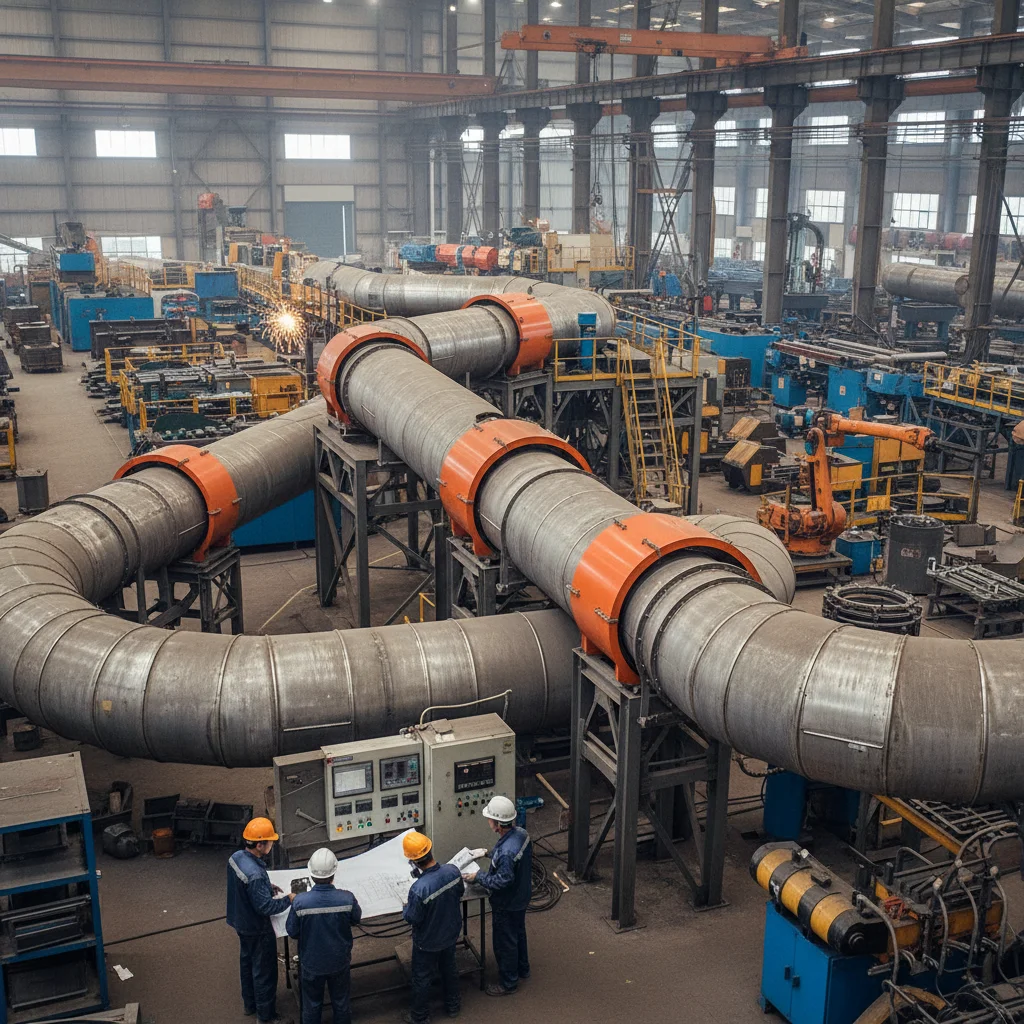
Steel conveyors might sound like something technical tucked away in an industrial corner, but they’re actually a huge deal worldwide. Think of them as the silent workhorses moving goods, goods, and more goods — from mines in Africa to massive airports and automated warehouses in Europe and Asia. Understanding steel conveyors helps us appreciate how raw materials become finished products, how humanitarian aid gets delivered fast, and how industries keep ticking despite ever-growing demand. They keep global trade flowing smoothly and efficiently, and frankly, without them, many of the modern conveniences we take for granted would slow down or just stop.
The Global Context: Why Steel Conveyors Matter More Than Ever
Globally, the conveyor systems market is projected to grow steadily — from around $10 billion in 2022 to an expected $15 billion by 2030 (according to Statista). The United Nations and ISO standards emphasize the importance of efficient material handling to support sustainable development goals, logistics, and disaster response mechanisms.
But there’s a challenge. More goods and material movement demand more durable, cost-effective systems that handle heavier loads, resist corrosion, and sustain longer without breakdown. Steel conveyors fit the bill because they balance strength with adaptability, crucial for operations in unpredictable environments — from heavy mining equipment in Australia to grain transport in North America.
What Are Steel Conveyors? An Everyday Industrial Essential
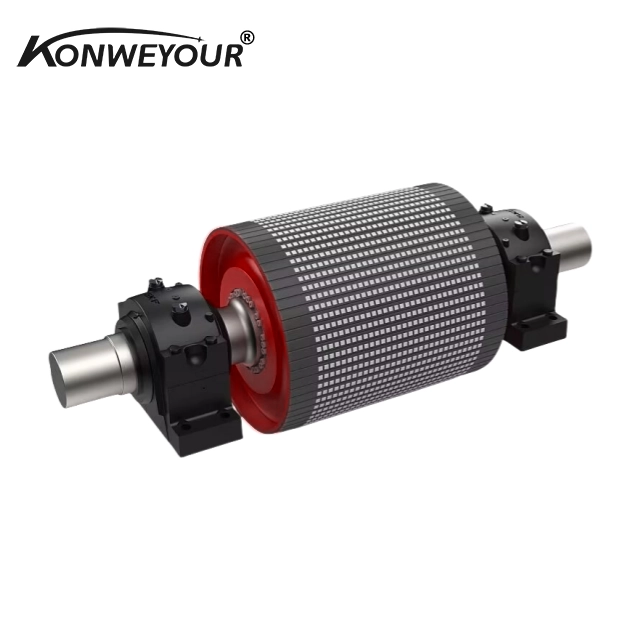
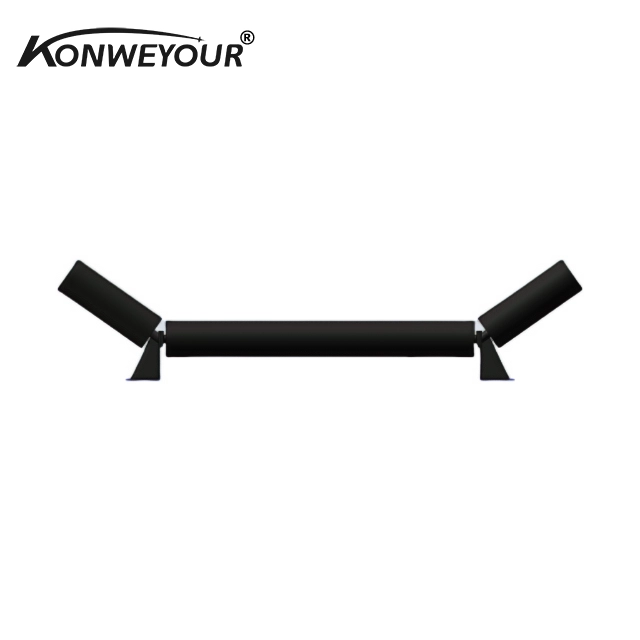
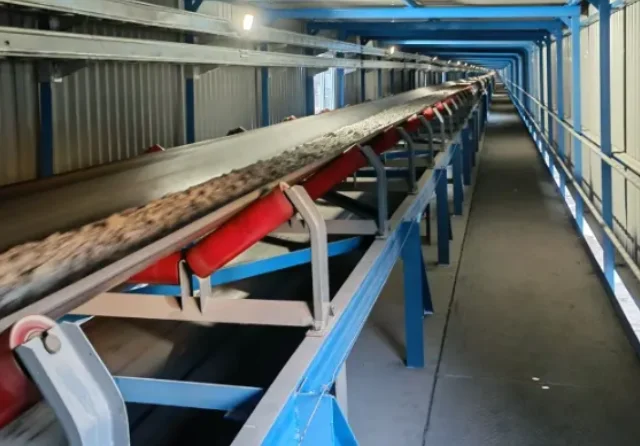
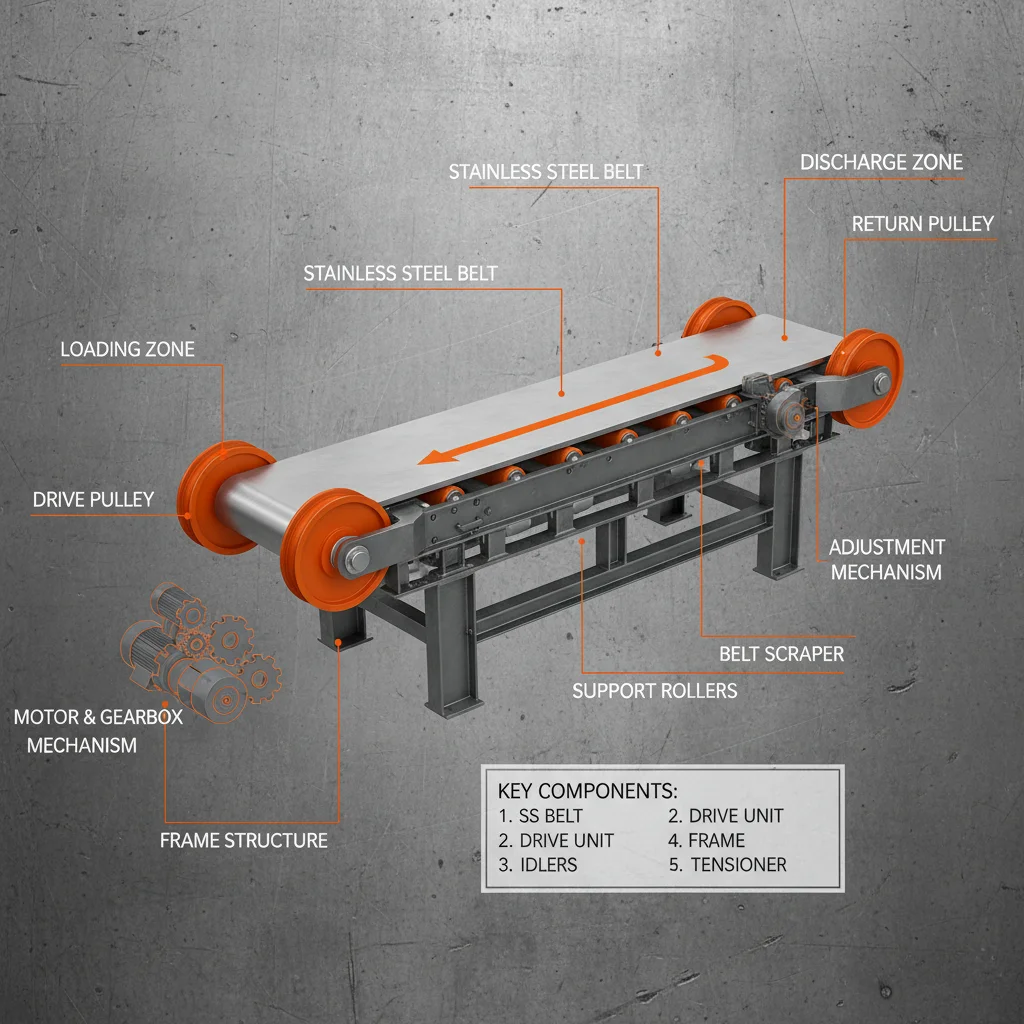
In the simplest terms, steel conveyors are mechanical systems consisting of steel frameworks, belts, rollers, or chains designed to transport materials efficiently from point A to point B within a workspace or between industrial sites. Picture a long, robust belt or series of rollers often encased or supported by steel structures, hustling away 24/7 in factories, warehouses, or even at disaster relief supply hubs.
They’re a vital cog connecting earth’s resources with manufacturing, sustaining modern life, and enabling rapid aid distribution in crises. Without these steel-lined arteries, global supply chains would be far slower and less reliable.
Core Components & Key Factors Defining Steel Conveyors
Durability: Built to Last, Come Rain or Shine
Steel conveyors are made to endure — harsh chemicals, abrasive materials, extreme temperatures, you name it. The steel frames and rollers resist corrosion and mechanical wear, critical for industries like mining or food production where contamination risks or abrasive loads are common. Many engineers note that specifying stainless steel or galvanized finishes extends conveyor life by years, reducing downtime considerably.
Scalability: From Small Plants to Gigantic Operations
One conveyor doesn’t fit all. Modular steel conveyors allow for easy scaling, adding or removing sections with minimal fuss. This flexibility is gold when industry demands fluctuate or when scaling fast is essential — such as in expanding warehouses or temporary disaster logistics hubs.
Cost Efficiency: Balancing Quality and Budget
Steel conveyors generally cost more upfront than plastic or aluminum alternatives, but they quickly save money through longer service life and lower maintenance. For high-throughput, heavy-duty tasks, the savings compound over time. "You get what you pay for" rings true here, especially when reliability means keeping costly production lines moving.
Customization: Tailoring Conveyors to Your Needs
No two industries—or even businesses—have quite the same needs. That’s why steel conveyors come in diverse forms: belt conveyors, roller conveyors, chain conveyors, and more. Custom features like variable speeds, sensors, or automated controls enhance efficiency and integrate with digital inventory or logistics management systems.
Safety: Minimizing Risks in Busy Facilities
Steel conveyors can incorporate safety guards, emergency stops, and smooth designs to prevent accidents. In industries where heavy loads and fast movement are routine, these safety features aren't just legal requirements but moral imperatives. They protect workers and equipment alike, fostering trust and continuous operation.
Mini Takeaway: Steel conveyors are not just heavy-duty machines; they're thoughtfully engineered systems combining durability, scalability, cost-effectiveness, customization, and safety — all geared towards keeping industries and supply chains flowing smoothly.
Global Applications: Where Steel Conveyors Make a Difference
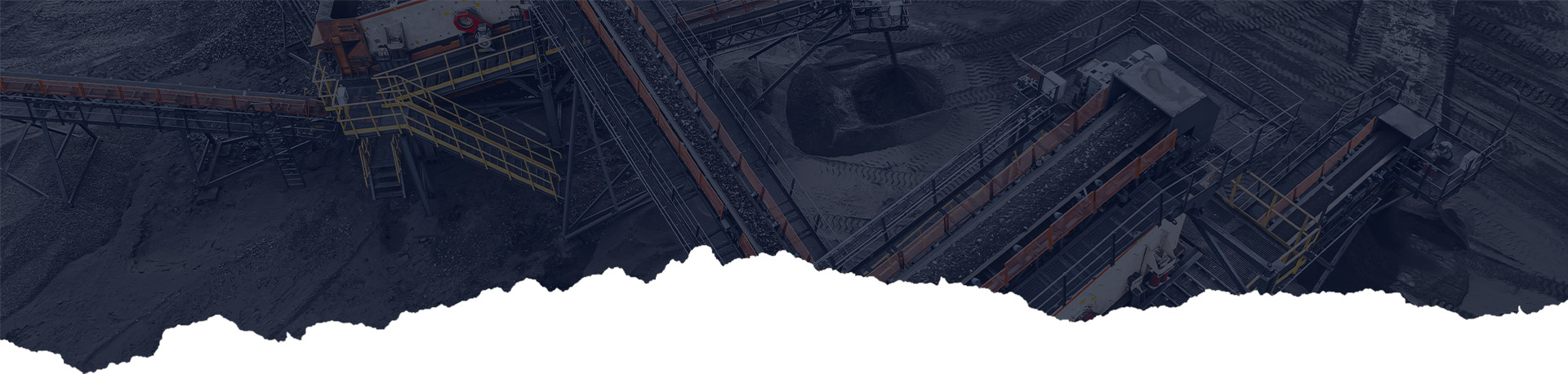
Steel conveyors truly shine almost everywhere physical goods must be moved efficiently. In mining, they haul tons of ore over rugged terrain. In agriculture, they transport grain across vast facilities. In airports worldwide, steel conveyors sort and funnel luggage with impressive speed and accuracy.
Oddly enough, they’re also practically lifesavers in humanitarian efforts. In post-disaster relief operations, steel conveyors help distribute food, medicine, and construction materials with speed and reliability that manual handling can’t match. Remote industrial zones in Siberia or the Canadian North lean on steel conveyors for their resilience against extreme weather and challenging logistics.
Regions especially benefiting include:
- Asia-Pacific — for fast-growing manufacturing and e-commerce centers
- North America & Europe — for advanced automation and warehousing
- Middle East and Africa — mineral extraction and heavy industry
Advantages & Long-Term Value of Steel Conveyors
When you really look at what steel conveyors bring to the table, the benefits pile up:
- Cost savings: Less downtime, easier maintenance, and longer lifespan create real financial advantage.
- Sustainability: Steel is recyclable, and modern manufacturing increasingly uses eco-friendly processes.
- Social impact: Safety features protect workers, while the reliability ensures steady supply chains that support economies and communities.
- Trust and Innovation: Brands that invest in robust conveyors often lead innovation through integrated automation.
Take it from plant managers I've spoken to: knowing the system won’t break down at a critical time removes a huge weight off their shoulders. That peace of mind translates to smarter, safer, and faster operations.
Product Specification Table: Typical Steel Conveyor Model
| Feature |
Model SCX-500 |
Model SCX-750 |
Model SCX-1000 |
| Frame Material |
Galvanized Steel |
Stainless Steel |
Stainless Steel |
| Load Capacity (kg) |
500 |
750 |
1000 |
| Belt Width (mm) |
600 |
900 |
1200 |
| Max Speed (m/min) |
25 |
30 |
35 |
| Power Source |
Electric Motor |
Electric Motor |
Electric Motor |
Comparing Leading Steel Conveyor Vendors
| Vendor |
Key Strength |
Customization Level |
Global Reach |
Pricing |
| JT Conveyor |
High durability & modular design |
Extensive |
Global (North America, Europe, Asia) |
Mid-range |
| Alpha Conveyors |
Advanced automation integrations |
High |
Europe & Asia |
Premium |
| Global Material Movers |
Broad product range, budget-friendly |
Moderate |
Worldwide |
Economical |
Looking Ahead: Innovations Shaping Steel Conveyor Technology
As the world pushes for smarter, greener industry, steel conveyors are evolving too. Many vendors invest in making systems more energy-efficient, incorporating green energy sources and regenerative braking technology to recycle power.
Digital transformation is another big trend. Conveyor belts now often come with embedded IoT sensors to monitor wear, speed, and potential faults before they ground operations. Automation paired with AI-driven analytics promises faster, more precise, and safer material handling — shaping the future of logistics.
Challenges and How Industry Solves Them
Steel conveyors aren’t perfect. Their heavy weight means the upfront infrastructure cost can be hefty, and in corrosive environments, even steel needs extra protection. Then there’s noise — a persistent gripe in indoor facilities.
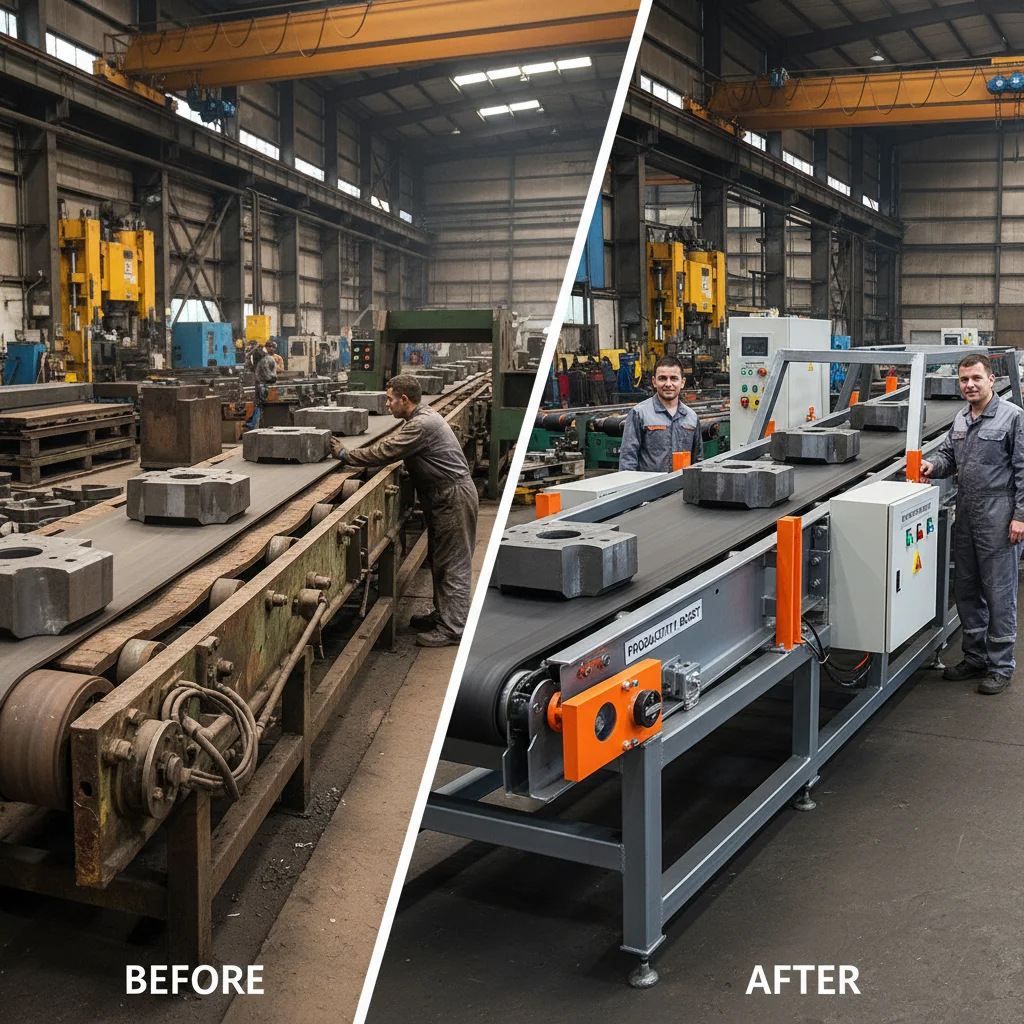
Innovations like powder-coating, noise-dampening rollers, and hybrid steel-composite elements help address these issues. Plus, modular design means damaged parts can be swapped out without shutting an entire line down. As many engineers say, "It’s about smart design meeting real-world demands."
FAQ: Common Questions About Steel Conveyors
- How do steel conveyors compare to aluminum ones?
- Steel conveyors offer greater durability and load capacity, especially in harsh environments. Aluminum is lighter and corrosion-resistant but often less robust under heavy-duty use.
- Can steel conveyors be customized for different industries?
- Absolutely. From food processing with stainless steel sanitary options to mining-grade rough conveyors, customization is standard to fit specific needs.
- What is the typical lifespan of a steel conveyor?
- With proper maintenance, steel conveyors often last 15–20 years or more, making them an excellent long-term investment.
- Are steel conveyors energy-efficient?
- Modern models incorporate energy-saving motors and automation to reduce power use. Older systems might lag, though upgrades can help improve efficiency.
Conclusion
Steel conveyors might not make headlines every day, but their influence on global industry and logistics is immense and growing. Their strength, adaptability, and reliability make them vital to industries ranging from mining to humanitarian aid. Investing in the right steel conveyor solutions means more than just moving materials — it means ensuring safety, sustainability, and steady progress.
Ready to find your perfect steel conveyor? Visit https://www.jtconveyor.com and explore options designed to keep your operation running smoothly.