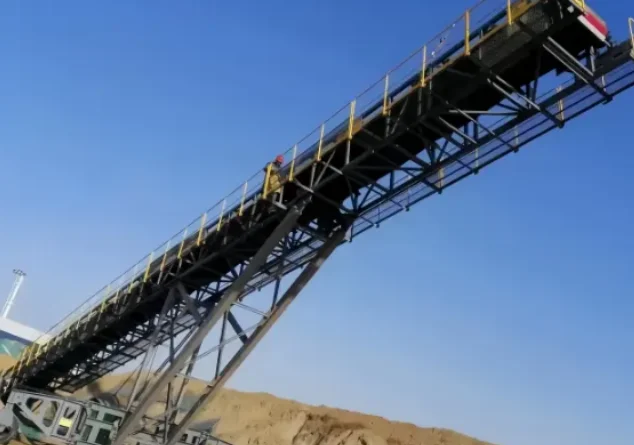
What's Behind Superior Conveyors and Why You Should Care
In today's industrial landscape, the term superior conveyors often pops up, but what exactly does it mean and why should businesses worldwide care? At its core, this isn’t just about moving stuff from point A to B efficiently. It's about improving productivity, reducing costs, minimizing downtime, and advancing sustainability in operations ranging from manufacturing to warehouses and even humanitarian efforts. Understanding these conveyors opens the door to smarter logistics and operational resilience — which, frankly, every industry needs.
Mini takeaway: Superior conveyors play a quietly transformative role in global supply chains by blending mechanics, efficiency, and innovation.
Setting the Stage: Why Superior Conveyors Matter Globally
Here’s a perspective: the global material handling equipment market was valued at around USD 30 billion as of 2023, with conveyor systems making up a significant chunk. According to the International Organization for Standardization (ISO), conveyor technology standards ensure safety and interoperability worldwide, helping industries avoid accidents and inefficiencies.
From factory assembly lines in Asia to mining operations in Africa, conveyors keep goods flowing steadily — a simple premise with huge impact. Yet, many businesses struggle with outdated or subpar conveyor solutions that choke productivity or inflate costs. That’s where today's advanced, “superior” conveyors come in, answering the call for durability, adaptability, and cost effectiveness.
Breaking It Down: What Exactly Are Superior Conveyors?
At a glance, a conveyor is just a mechanical device that moves materials. But the “superior” designation implies customization, cutting-edge materials, engineering excellence, and integration with modern control systems. It’s the difference between a rickety belt that breaks down weekly and a robust, precision-tuned line that hums constantly, adapting on the fly to shifting workloads.
These systems are the backbone of industries where time is literally money — whether that’s sorting food packages fast enough to meet demand, or safely handling fragile components in electronics manufacturing. They’re also increasingly crucial in aid delivery, ensuring that relief supplies reach vulnerable communities efficiently.
Key Features That Define Superior Conveyors
1. Durability & Material Quality
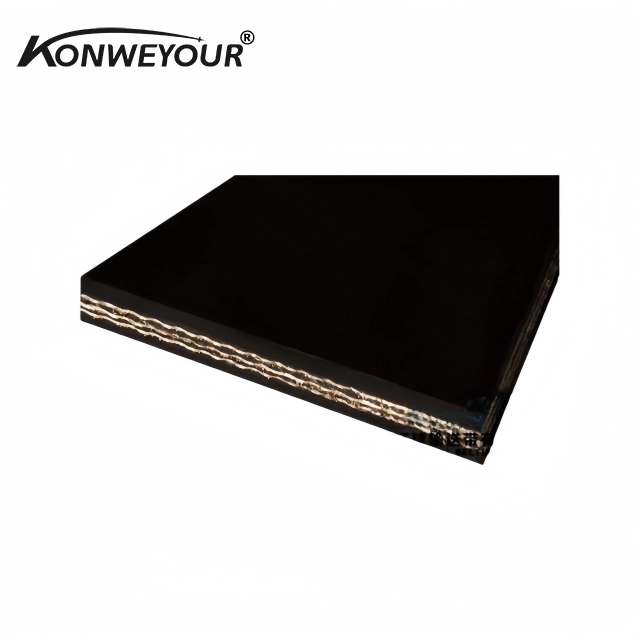
Good conveyors use high-grade materials like corrosion-resistant steel, reinforced plastics, and wear-proof belts. This means they last years in harsh environments, from dusty mines to damp food processing plants — avoiding costly downtime.
2. Scalability & Flexibility
Industries rarely stay still. Superior conveyors are modular by design, allowing easy expansion or reconfiguration. This flexibility saves money and time as companies grow or shift operations.
3. Cost Efficiency & Energy Use
Low-friction components, energy-efficient motors, and smart automation keep operational costs down. In some cases, conveyors even harvest their own energy—now that’s futuristic!
4. Safety & Automation
Advanced sensors and control systems protect workers and prevent jams. Automation not only improves safety but also boosts precision and speeds — key for high-throughput environments.
5. Customization & Integration
The best conveyors are tailored for specific tasks and seamlessly integrate with warehouse management or ERP systems, making data-driven decisions possible — and frankly, expected.
Product Specifications at a Glance
| Specification |
Standard Conveyor |
Superior Conveyor |
| Material |
Mild Steel |
Stainless Steel + Composite Belt |
| Max Load Capacity |
500 kg/m |
1500 kg/m |
| Energy Consumption |
2.5 kW |
1.2 kW with Regenerative Braking |
| Modularity |
Limited |
Fully Modular & Expandable |
| Automation |
Manual Controls |
Smart Sensors & IoT Enabled |
Where Do Superior Conveyors Actually Get Used?
From what I’ve seen talking with supply chain managers, these conveyors shine in pretty diverse environments:
- Manufacturing Hubs: Automotive plants in Germany; electronics assembly in Taiwan—where speed & precision are non-negotiable.
- Food & Beverage: The US and Europe rely on sanitary conveyor systems that meet strict hygiene standards for packaging and processing.
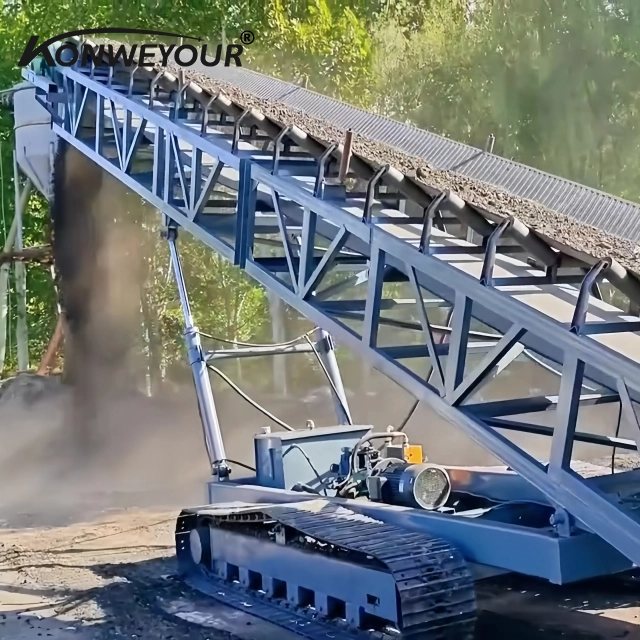
- Mining & Heavy Industry: Australia and South Africa’s extensive mining operations use rugged conveyors to move ore safely and efficiently.
- Disaster Relief Logistics: International agencies deploy modular conveyor units rapidly in post-disaster zones to manage large volumes of aid materials—a critical lifeline for communities.
- Warehouse & E-commerce: Giants like Amazon leverage conveyors integrated with robotics for faster, more accurate sorting and fulfillment.
Superior conveyors are, in a way, the silent workhorses behind many of the products and services we take for granted.
Advantages That Pay Off — Immediately and Long-Term
Here’s something you don’t often hear: investing in superior conveyors can feel like a big upfront cost, but it quickly pays back in savings, fewer maintenance headaches, and happier workers. Reliability means fewer interruptions, which translates into steady production and on-time deliveries. From a social perspective, better conveyors often mean safer workplaces — fewer accidents and less strain on workers’ bodies.
Plus, as companies chase greener footprints, energy-efficient conveyors reduce operational carbon emissions—a measurable win for sustainability goals. It all adds up to a kind of trustworthiness that stakeholders appreciate, whether in boardrooms or local communities.
Looking Ahead: The Future of Superior Conveyors
What’s next? Honestly, it’s a cocktail of exciting stuff:
- Automation & AI: Smart conveyors using AI for predictive maintenance and workflow optimization.
- Green Power: Solar panels and energy harvesting systems embedded into conveyor infrastructure.
- Advanced Materials: Lighter, stronger composites and self-cleaning belts that reduce waste and downtime.
- Digital Twin Technology: Virtual replicas to simulate and improve conveyor system performance before physical deployment.
This isn’t some far-off sci-fi dream either — many pilot programs and industries have already started adopting these innovations.
Common Challenges & How Experts Say to Solve Them
No conveyor is perfect, and even superior systems face hurdles:
- Integration Complexity: New conveyors must fit into older systems; experts recommend phased rollouts and choosing modular solutions.
- Initial Costs: Long ROI timelines can scare off buyers; leasing or pay-per-use models are growing in popularity to ease this.
- Wear & Tear: Despite high-quality materials, conveyors endure tough conditions; real-time monitoring and predictive maintenance are key remedies.
I noticed many vendors provide comprehensive support services that help mitigate post-installation issues, which is a huge relief for facility managers.
Vendor Comparison: Choosing the Right Superior Conveyor Provider
| Feature / Vendor |
ConveyorCo |
JTC Conveyors |
MoveIt Systems |
| Customization Options |
Medium |
High |
Low |
| Automation Features |
Yes, basic |
Advanced IoT Enabled |
No |
| Environmental Certifications |
ISO 14001 |
ISO 14001 & Energy Star |
None |
| After-Sales Support |
Standard 1-year |
Comprehensive 3-year + Training |
Limited |
| Price Range |
Mid |
Premium |
Budget |
For quality plus customization, companies like JTC Conveyors often stand out for industrial applications demanding reliability and smart tech integration.
FAQ: Getting Real About Superior Conveyors
Q1: How do superior conveyors reduce operational downtime?
A1: They use durable materials, modular designs, and integrated sensors to detect issues early. Preventive maintenance and easy part replacement minimize unexpected halts, keeping operations smooth.
Q2: Are superior conveyors more energy-efficient than older models?
A2: Absolutely. They often feature low-friction belts, energy-saving motors, and even regenerative braking systems that recycle energy, resulting in lower power bills and emissions.
Q3: Can superior conveyors be customized for different industries?
A3: Yes. Whether you need food-grade materials or heavy-load capacity for mining, these systems are designed with flexibility in mind to meet varying industry standards and requirements.
Q4: What kind of after-sales support do vendors typically provide?
A4: Leading suppliers offer extended warranties, on-site training, remote monitoring services, and rapid response teams to address maintenance or upgrade needs — which makes a big difference long term.
Q5: How fast can modular conveyors be deployed in emergency situations?
A5: Modular conveyor units designed for rapid assembly can be operational within days, crucial for humanitarian logistics where rapid material handling is critical.
Wrapping Up: Why Investing in Superior Conveyors is a Smart Move
Ultimately, superior conveyors aren’t just another capital expense — they’re enablers of efficiency, safety, and innovation. Staying ahead with these solutions means smoother workflows, happier teams, and a smaller environmental footprint. If you’re looking to upgrade, don’t overlook the power of well-designed, durable, and smart conveyor systems. Curious? Take a look at superior conveyors and start your journey toward better material handling today.
Mini takeaway: Quality conveyors pay you back in stability, fewer headaches, and an edge over competition—plus, they just feel like smart engineering at its best.
References:
1. ISO Standards for Conveyor Systems
2. World Bank - Industry Data
3. Wikipedia: Conveyor Belt