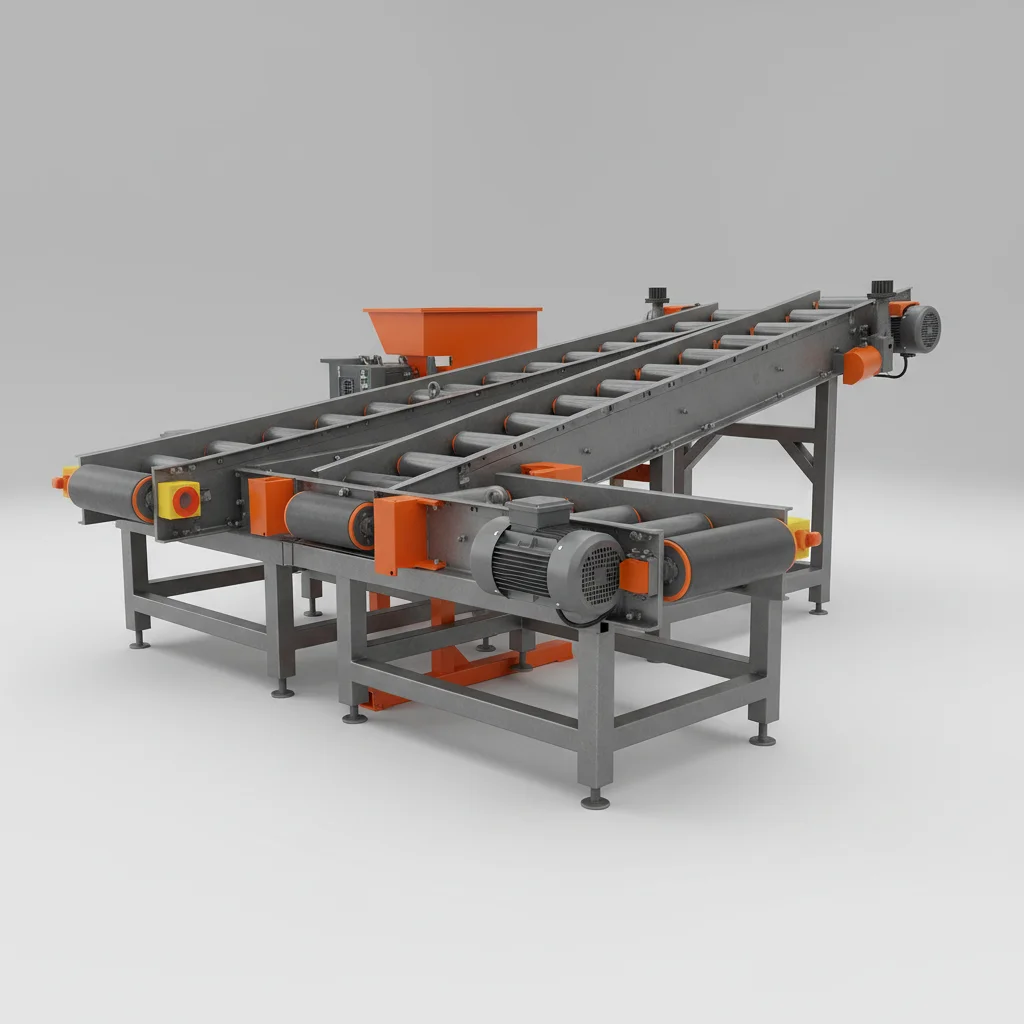
Understanding the Superior Telestacker Conveyor: Why It Matters Worldwide
At first glance, conveyors might seem like mundane mechanical conveyors shuttling boxes and parcels. But when it comes to a superior telestacker conveyor, we're talking about a game-changer in bulk material handling — one that impacts industries and humanitarian efforts worldwide. These conveyors address a global challenge: how to efficiently, safely, and flexibly move massive volumes of materials in places where traditional conveyor systems either don’t fit or simply get bogged down.
In real terms, mastering superior telestacker conveyors can mean faster deployment times, lower operational costs, and a greener footprint — and that's just the beginning.
Introduction: The Global Importance of Superior Telestacker Conveyors
As supply chains and infrastructure projects worldwide continue expanding — particularly in emerging markets — the demand for flexible and scalable material-handling solutions rises sharply. According to the United Nations Industrial Development Organization, infrastructure investment must increase by roughly 3.9% annually to meet Sustainable Development Goals.
Enter the superior telestacker conveyor: a versatile technology designed to overcome storage and transport bottlenecks by extending conveyor length on demand, often in dusty, rough terrains or confined spaces. The challenge it tackles: how to reduce the huge capital investment and rigid installation footprint of fixed conveyors — a problem especially pronounced in mining, port logistics, and disaster relief deployments where time and adaptability are critical.
What Is a Superior Telestacker Conveyor?
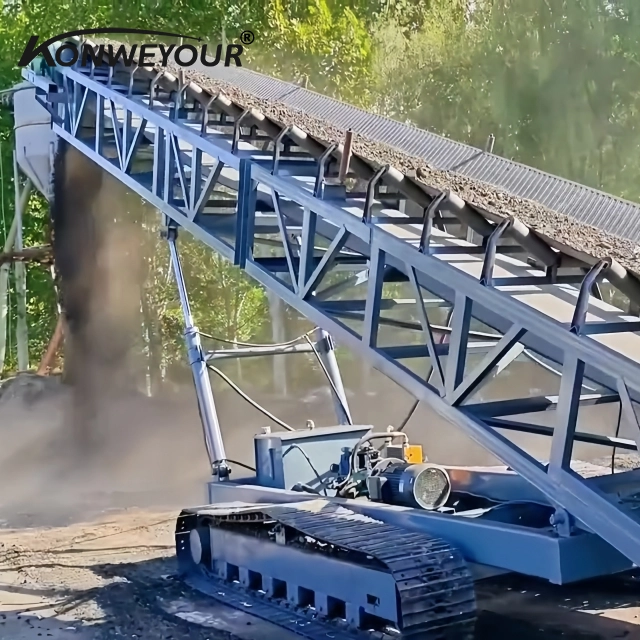
Simply put, a superior telestacker conveyor is an extendable conveyor system that telescopes out to significantly longer lengths than its compact stored size — literally "stacking" material as it advances. The “superior” part usually signals enhanced durability, intelligent control features, and premium materials, setting it apart from basic models.
These conveyors act like industrial stretch arms, bridging gaps between stockpiles and loading areas without needing expensive fixed infrastructure — making them indispensable across modern heavy industries and even some humanitarian logistics networks.
Why Does This Matter?
In disaster relief scenarios, for example, the ability to set up a conveyor quickly and extend it as rubble is cleared or supplies come in can accelerate aid delivery significantly. Similarly, in remote mining operations, inferior conveyors can clog or fail under harsh conditions, while superior models keep operations smooth and safe.
Core Elements of Superior Telestacker Conveyors
1. Durability Under Harsh Conditions
One of the first things engineers praise about quality telestacker conveyors is their robust build. Heavy gauge steel frames, abrasion-resistant belts, and weatherproof motors ensure consistent performance through dust, rain, and temperature swings.
2. Scalability and Mobility
Since they’re designed to move and extend, these conveyors feature modular components and hydraulic or electric drive arms that lock firmly in place once extended. This lets operators adjust length on-the-fly without needing new equipment or space.
3. Efficiency and Energy Consumption
Modern superior telestacker conveyors utilize smart drives with regenerative braking and variable speed controls — cutting down electricity usage noticeably. This can be a substantial cost and environmental win over time.
4. Ease of Maintenance and Safety Features
Quick-release belt rollers, diagnostic sensors, and integrated emergency stops enhance uptime and protect workers. I’ve noticed many operators swear by conveyors that can diagnose faults remotely — a real time saver.
5. Cost-Effectiveness Over Fixed Alternatives
While initial costs might seem higher, the reduction in civil works and adaptability often results in a lower total cost of ownership — especially when operations or layouts frequently change.
Product Specification Table: Typical Superior Telestacker Conveyor
| Specification |
Details |
| Length (Retracted/Extended) |
15m / 45m |
| Belt Width |
800 mm to 1200 mm |
| Capacity |
Up to 2000 tonnes/hour |
| Drive Power |
75 kW motor with VFD |
| Weight |
Approx. 8500 kg |
| Materials |
Steel frame, EPDM belt |
| Control System |
PLC with remote diagnostics |
How Superior Telestacker Conveyors Are Used Around the World
These conveyors are especially popular in mining hubs of Australia, Chile, and South Africa, where volatile terrain and massive rock volumes demand reliable and extendable systems. Ports in North America and Europe rely on them to quickly stack and reclaim bulk cargo like coal, fertilizer, or grains.
Oddly enough, their value extends beyond heavy industry — in humanitarian circles, some NGOs use compact telestackers to facilitate fast material redistribution after floods or earthquakes when traditional vehicles can't pass. It’s the kind of adaptability that literally saves time and lives.
Mini Takeaway:
Whether it’s unloading a huge bulk shipment down under or moving construction supplies after a cyclone, superior telestacker conveyors are quietly powering essential logistics worldwide.
Advantages and the Long-Term Value of Superior Telestacker Conveyors
- Cost Savings: Reduced groundwork expenses and operational efficiencies translate to budget-friendly choices over fixed installations.
- Environmental impact: Energy-efficient motors and fewer earthworks mean lower carbon footprints, which increasingly matters to investors and regulators.
- Reliability and Safety: With preventative maintenance tech and ergonomic designs, fewer accidents and downtime happen.
- Social Impact: Fast deployment reduction in manual labor reliance keeps workers safer and projects on schedule.
Honestly, many engineers say it feels like these conveyors are the unsung heroes in complex operations — providing innovation without the fanfare.
Future Trends: What Lies Ahead for Superior Telestacker Conveyors?
Looking forward, the telestacker conveyor scene is buzzing with prospects like integrating AI-powered predictive maintenance, renewable energy usage such as solar panel integration to supply on-site power, and smarter materials that resist wear and self-heal minor damage. Digital twins might become standard to simulate conveyor behaviors before deployment, saving guesswork.
Increasing regulations on sustainability will also push manufacturers to improve recyclability and reduce noise pollution. It’s quite a revolution brewing beneath that steel skin.
Challenges and Smart Solutions
No solution is perfect. Some lingering challenges include managing alignment accuracy as conveyors extend long distances, belt wear in extremely abrasive environments, and securing power supply in remote operations — those issues can cause downtime and costly repairs.
However, manufacturers are tackling these by developing advanced belt materials, modular quick-replace components, and hybrid power systems (battery + diesel generators) to bridge power gaps. Also, advanced remote monitoring minimizes surprise breakdowns, vastly improving uptime.
Vendor Comparison of Popular Superior Telestacker Conveyor Models
| Vendor |
Max Extension (m) |
Belt Width (mm) |
Drive Power (kW) |
Key Feature |
| JT Conveyor Co. |
50 |
1000 |
85 |
Integrated remote diagnostics |
| Global Telestack |
45 |
900 |
70 |
Ultra-durable steel frame |
| ConveyMax |
40 |
1200 |
75 |
Energy-efficient variable speed drives |
Frequently Asked Questions About Superior Telestacker Conveyors
- Q: How quickly can a superior telestacker conveyor be deployed in a new site?
- A: Deployment times vary by model, but many systems can be operational within a matter of hours thanks to modular design and hydraulic extensions. This makes them ideal for projects with tight timelines or emergency logistics operations.
- Q: What maintenance is typically required to keep these conveyors running smoothly?
- Routine belt inspections, lubrication of moving parts, and electrical system diagnostics are standard. Advanced models offer remote monitoring, alerting maintenance teams to issues before failures occur, reducing downtime significantly.
- Q: Are superior telestacker conveyors adaptable to different types of materials?
- Yes, their design accommodates various bulk materials, from minerals and aggregates to grains and even recycled waste products, with adjustments to belt type and speed according to load specifics.
- Q: How energy efficient are these conveyors compared to traditional fixed systems?
- With modern variable frequency drives and regenerative braking, they can reduce energy consumption by up to 20%, which in large-scale operations adds up to substantial savings and environmental benefits.
- Q: Can NGOs or small operators access superior telestacker conveyors, or are they mainly for large mining companies?
- Though often found in heavy industry, smaller or modular versions are increasingly available for NGOs and smaller operations, especially with companies offering rental or leasing programs to bridge budget gaps.
Conclusion: Why Investing in Superior Telestacker Conveyors Makes Sense
A superior telestacker conveyor is not just a piece of heavy equipment — it's a versatile solution that blends efficiency, adaptability, and long-term savings in an increasingly demanding global landscape. From mining pits in remote areas to emergency response zones battered by natural disasters, these conveyors prove their worth day after day.
If you're on the lookout for flexible, reliable, and cutting-edge material handling, don’t hesitate to check out options like the superior telestacker conveyor. It could transform how you tackle your next big project.
References & Further Reading
- United Nations: Industry and Infrastructure
- Wikipedia: Conveyor Belt
- International Organization for Standardization (ISO)