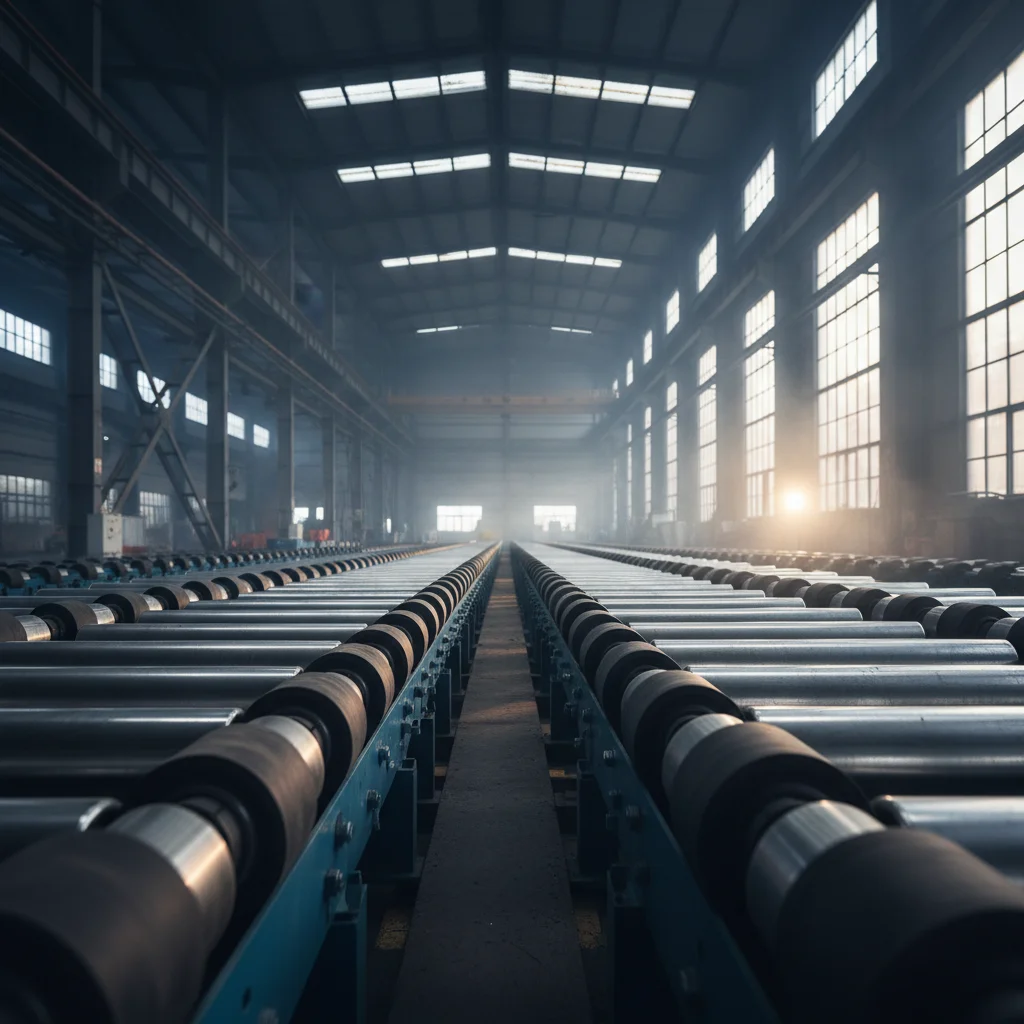
The Rise of Hi Tech Conveyor Systems: Why They Matter Globally
Conveyor systems have been quietly transforming industries for over a century, but the advent of hi tech conveyor solutions is a game changer on a global scale. From factories in Asia to humanitarian supply chains in Africa, the impact is profound. Why? Because these conveyors do more than just move stuff—they streamline logistics, reduce human error, and pretty much redefine efficiency. Understanding them isn’t just an engineer’s niche; it’s essential for anybody interested in the future of manufacturing, construction, or disaster relief.
In a world rushing towards automation and faster delivery cycles, conveyors with advanced technologies, smart sensors, and modular designs are solving bottlenecks that conventional solutions struggled with for decades.
Setting the Scene: The Global Conveyor Landscape
Did you know that global throughput of conveyor systems is expected to grow annually by around 6% over the next five years, according to industry forecasts? UN logistics reports point out that as urbanization and e-commerce surge, efficient material handling becomes critical—especially in emerging markets.
Still, many industries grapple with equipment that is either too rigid or not adaptable enough for rapidly changing operational demands. Enter hi tech conveyors — designed with flexibility and data integration that matches today’s pace.
Understanding Hi Tech Conveyor: What Is It Exactly?
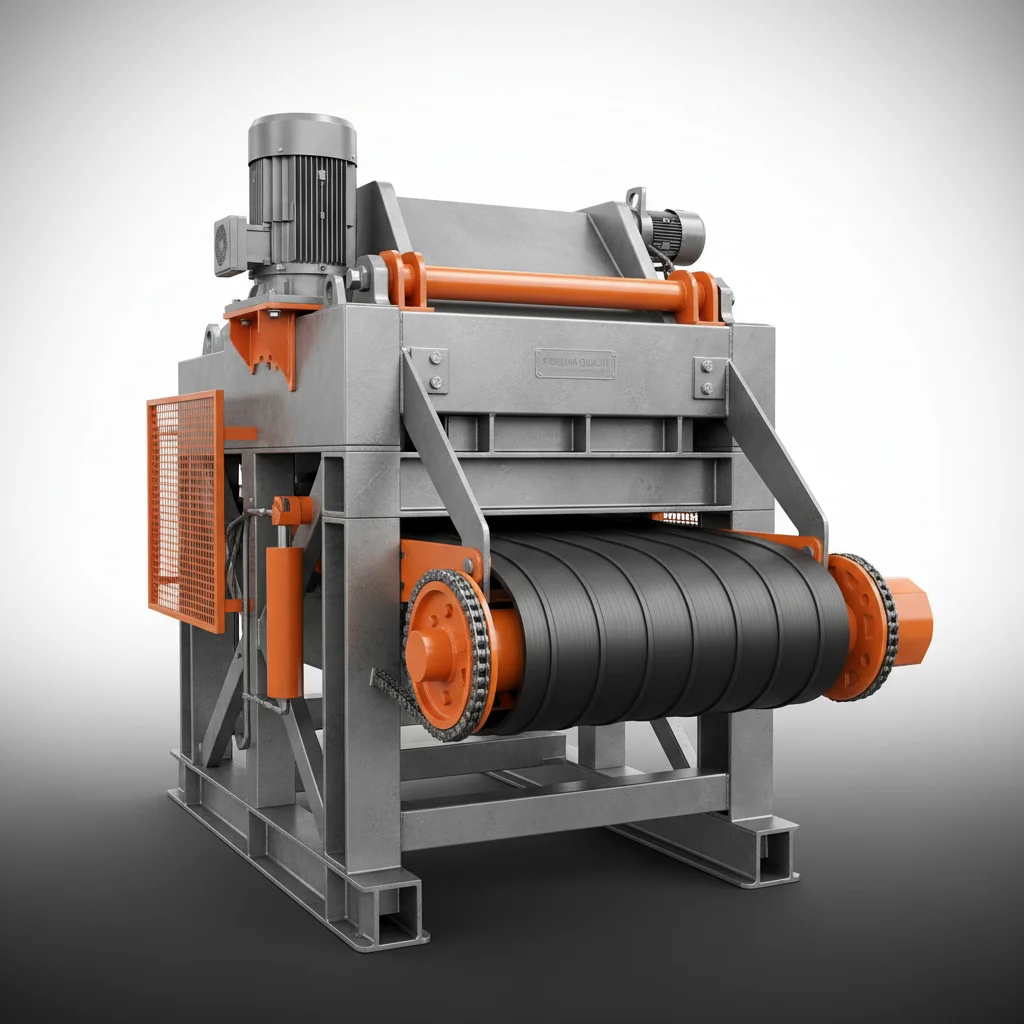
At its core, a hi tech conveyor is an advanced mechanical system that transports materials or products across short or long distances within a facility. But unlike traditional belts or rollers, these systems include smart automation, real-time monitoring, and are often modular, meaning they can be scaled or reconfigured easily.
Whether it’s moving heavy pallets in a factory or channeling relief supplies through rough terrain, these conveyors combine robust mechanics and digital intelligence in a way that helps businesses—and humanitarian teams—achieve more with less effort.
Core Components Defining Modern Hi Tech Conveyors
Durability
These conveyors often incorporate hardened steel frames, weather-resistant coatings, and impact-absorbing designs to survive tough environments. Some manufacturers even test their systems for years—because downtime in industrial setups or field operations can cost a fortune.
Scalability & Modularity
Unlike older fixed designs, hi tech conveyors are often modular. This means you can add sections or customize lengths swiftly, adapting to changes in workflows without costly overhauls.
Automation & Smart Controls
From integrated sensors detecting jams to programmable logic controllers (PLCs) managing speeds, these conveyors integrate with factory automation systems to reduce human intervention and optimize throughput.
Cost Efficiency
Yes, advanced tech can mean higher upfront investment, but when you calculate less downtime, reduced manual labor, and boosted productivity, the ROI makes it worthwhile.
Eco-Friendly Design
The push for sustainability means newer conveyors use energy-efficient motors, recyclable materials, and designs that minimize waste from packaging or transport.
Safety Features
Enhanced emergency stops, guardrails, and anti-slip surfaces are standard. Some even have AI-driven hazard detection to keep operators safer.
Mini takeaway: A hi tech conveyor combines rugged durability with clever adaptability and automation, making it an indispensable tool for modern logistics and production.
Global Applications: Where These Conveyors Make a Real Difference
From high-volume warehouses in Germany to mining operations in Australia, hi tech conveyors underpin critical sectors. Oddly enough, they’re also becoming vital in disaster response:
- Post-disaster relief: Quick deployment conveyors help move supplies in areas where roads are damaged or terrain is rough.
- Automotive manufacturing: Smart conveyors optimize assembly lines to increase precision and reduce human fatigue.
- eCommerce Fulfillment: In giant distribution centers, these systems sort and transport hundreds of thousands of parcels daily.
- Food processing: Hygienic, easy-to-clean conveyors maintain safety standards and speed up packaging.
Not to mention, manufacturers worldwide lean on hi tech conveyors to meet increasing regulation and environmental standards, making compliance easier.
Mini takeaway: The flexibility and smart tech inside modern conveyors make them global problem-solvers—from factories to disaster zones.
Specifications of a Typical Hi Tech Conveyor System
| Feature |
Specification |
| Belt Speed |
Up to 120 m/min |
| Load Capacity |
Up to 500 kg/meter |
| Material |
Stainless Steel & Reinforced Polymers |
| Control System |
PLC with IoT Integration |
| Power Consumption |
Approximately 1.2 kW / 100 meters |
| Environmental Rating |
IP65 (Dust & Water Resistant) |
Leading Hi Tech Conveyor Vendors Comparison
| Vendor |
Key Strength |
Pricing Level |
Support & Customization |
| JT Conveyor |
Highly modular & fast delivery |
Mid-range |
Excellent, tailored solutions |
| Global Flow Systems |
Custom automation integration |
High-end |
Premium support packages |
| FlexiMove |
Compact & energy efficient |
Budget-friendly |
Basic support, limited customization |
Why Choose Hi Tech Conveyor? The Advantages and Long-Term Value
What sticks out to me — and many engineers agree — is how these conveyors reduce downtime and injuries while boosting throughput. Save the strain of manual handling, decrease operational error, and suddenly your workflow feels smoother, faster, and more reliable.
There’s also a social angle: safer workplaces mean more dignity for workers. The trust clients place in modern systems often translates into repeat business and innovation-friendly reputations. And, as global regulations tighten around energy use and emissions, hi tech conveyors often come out ahead because they’re greener by design.
What’s Next? Future Trends in Hi Tech Conveyor Systems
Advances on the horizon feel exciting. Think AI-powered predictive maintenance that alerts before a part fails, or conveyor belts with embedded sensors communicating data in real-time. Plus, with green energy integration—solar panels powering some outdoor systems, or regenerative braking to save power—the sustainability score keeps climbing.
These innovations fit hand-in-glove with Industry 4.0’s digital transformation push. Conveyor systems will become smarter, self-optimizing, and maybe even self-healing, shrinking downtime even further.
Challenges in Adoption and How to Overcome Them
However, it’s not all rosy. The initial investment can be a barrier for small and medium businesses. And the complexity of installation, training, and integration sometimes scares off teams used to simpler equipment.
Experts suggest partnering with vendors who offer extensive consultation and modular options. Phased rollouts help teams adapt gradually. Also, cloud-based control systems reduce IT headaches for operators.
FAQ: Your Questions About Hi Tech Conveyor Systems, Answered
- What industries benefit most from hi tech conveyors?
- While manufacturing, eCommerce, and food processing sectors are big users, fields like logistics, automotive, mining, and even disaster relief operations also see major benefits due to improved speed, scalability, and automation.
- How difficult is it to upgrade from traditional conveyors?
- Upgrading requires some planning but modular hi tech conveyors are designed for flexibility. Installation usually involves onsite consultation, and many vendors offer training and integration support to smooth the transition.
- Are hi tech conveyor systems energy efficient?
- Yes. Many hi tech conveyors use low-power motors, smart sensors to reduce idle time, and materials designed for minimal friction. This results in noticeable energy savings compared to older models.
- Can conveyors be customized for harsh outdoor environments?
- Absolutely. Manufacturers use weather-resistant materials and protective coatings to ensure durability in rain, dust, and extreme temperatures. IP ratings (like IP65) confirm their resilience.
- How do I get started with a hi tech conveyor for my business?
- Start by assessing your workflow needs. Reach out to trusted suppliers—like hi tech conveyor specialists—for consultations. They’ll help design a system that balances cost, scalability, and efficiency.
Wrapping Up: Why Hi Tech Conveyor Systems Are a Smart Investment
On balance, investing in a hi tech conveyor system merges technology and practicality. It’s about handling today’s logistics demands without sweat—and preparing for tomorrow’s challenges ahead. Whether you work in a massive warehouse or coordinate disaster relief supplies, the benefits ripple through cost savings, safety, and sustainability.
Feeling curious? Visit our website to explore models, get expert advice, or chat with engineers who understand what your operations need.
Thanks for sticking through this rundown. Conveyor tech may not be the flashiest topic, but it’s oddly satisfying when you realize how much it shapes the world behind the scenes.
References
- Wikipedia: Conveyor belt
- UNCTAD: Transport and Trade Logistics
- ISO Standards on Material Handling Equipment