The Ultimate Guide to Motorized Conveyor Rollers for Modern Logistics
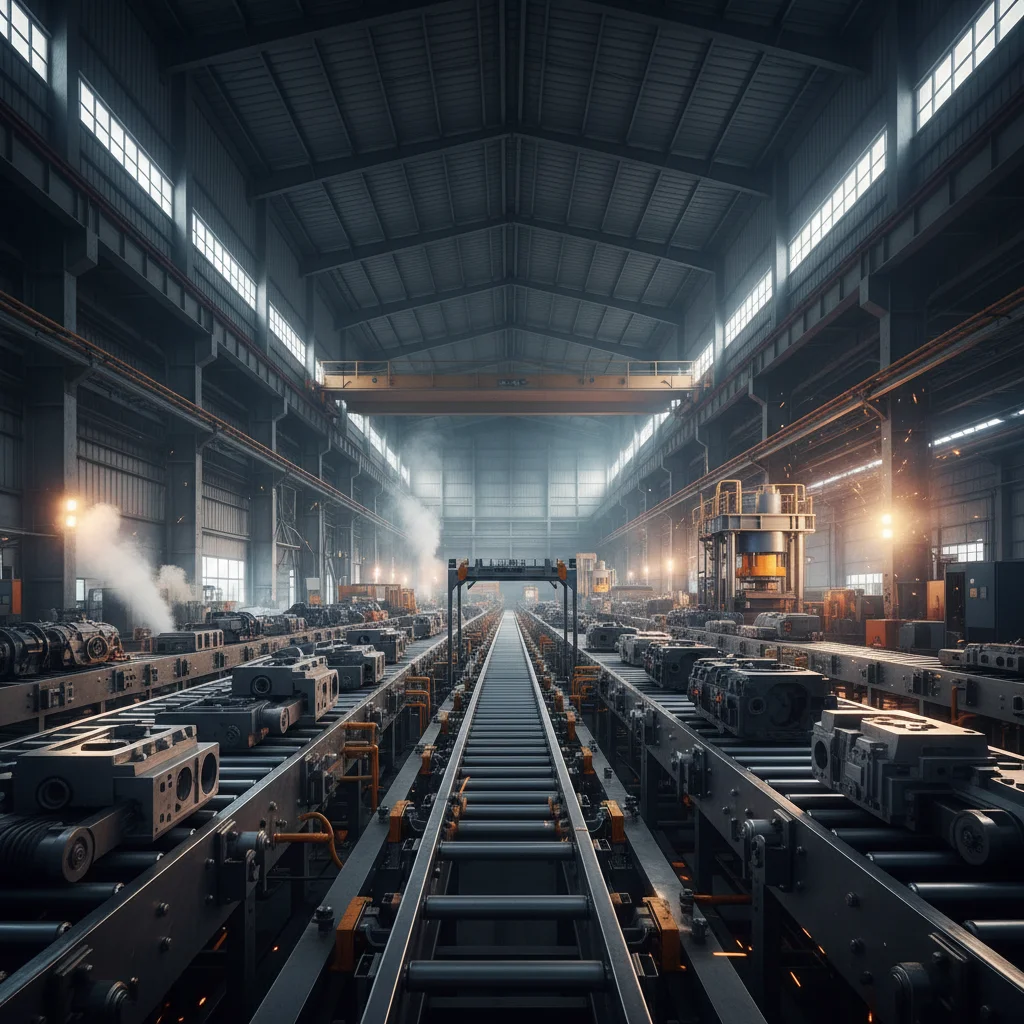
In the fast-paced world of material handling, efficiency and precision are the cornerstones of a profitable operation. The integration of motorized conveyor rollers has revolutionized how warehouses and factories move goods. By eliminating the need for complex chain drives and bulky external motors, these innovative rollers provide a streamlined approach to automation. Whether you are managing a small sorting center or a massive distribution hub, understanding the mechanics and advantages of motorized rollers is key to optimizing your throughput and reducing operational downtime.
What Exactly Are Motorized Conveyor Rollers?
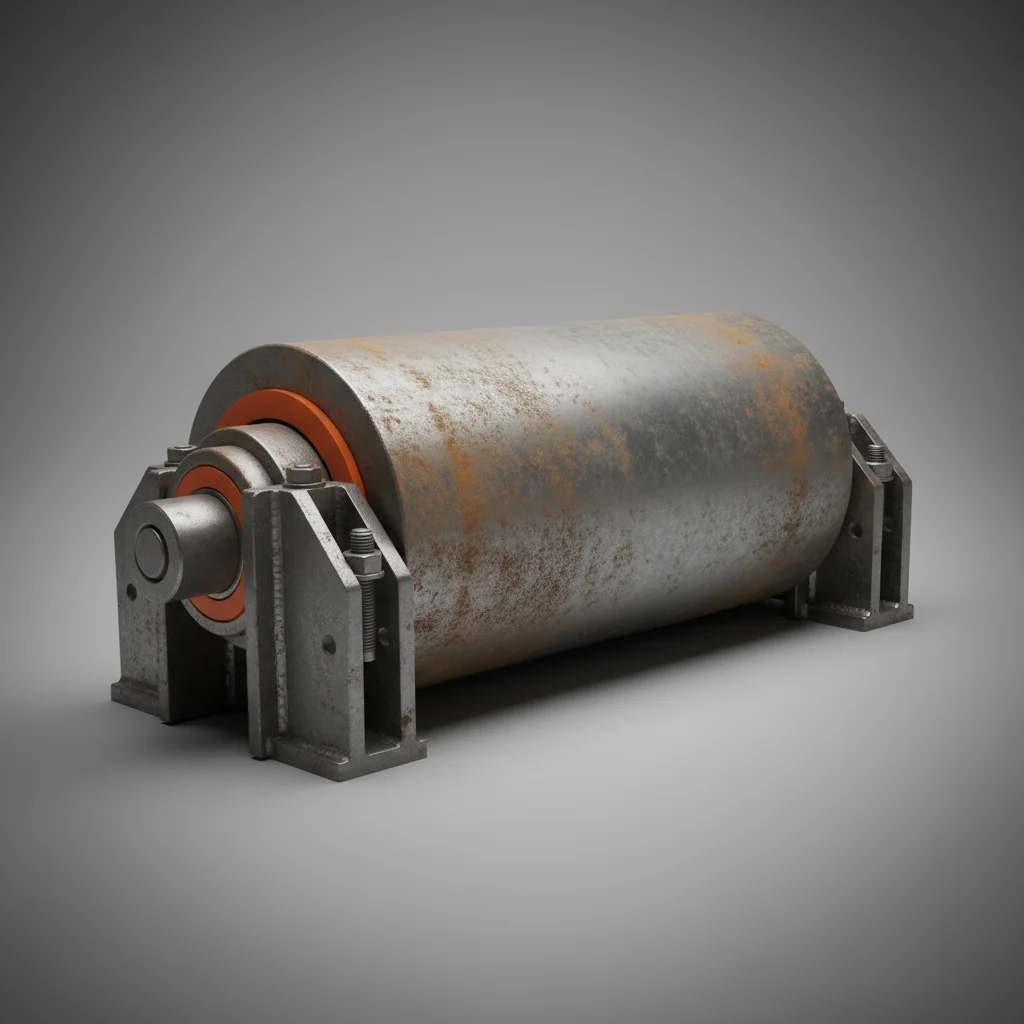
At their core, motorized conveyor rollers are rollers that incorporate an integrated electric motor directly into the roller tube. This design, often referred to as "drum motors" or "motorized drums," allows the roller to drive the load without the need for external belts, sprockets, or gearboxes. This decentralized drive system enables much greater flexibility in conveyor layout, as each roller can be controlled independently or in zones.
Pro Tip: Integrated motors significantly reduce the "footprint" of your conveyor system, allowing you to utilize warehouse floor space more effectively by eliminating external drive assemblies.
Key Advantages of Using Motorized Conveyor Rollers
Switching to a motorized system offers more than just a cleaner look. The primary benefit is zonal control. In a traditional conveyor, the entire line moves at once. With motorized conveyor rollers, you can create "zones" where rollers only activate when a package is detected. This drastically reduces energy consumption and minimizes wear and tear on the equipment. Furthermore, the absence of exposed chains and belts increases workplace safety by removing potential pinch points for operators.
Efficiency Gains:
• Energy Savings: Power is only used where the product is located.
• Reduced Noise: Drum motors operate more quietly than chain drives.
• Easier Maintenance: Fewer moving parts means fewer points of failure.
• Precision Timing: Perfect for accumulation and sorting applications.
Motorized Conveyor Rollers vs. Traditional Chain Drives
When deciding between a traditional drive and motorized conveyor rollers, the decision usually comes down to the required flexibility and the budget for long-term energy savings. Traditional systems are often simpler to install initially but are far more rigid in their operation. Motorized rollers allow for complex logic, such as reversing direction or varying speeds across different sections of the line, which is essential for modern automated sorting.
| Feature |
Motorized Rollers |
Traditional Chain Drive |
| Drive Mechanism |
Internal Drum Motor |
External Motor & Chain |
| Energy Efficiency |
High (Zonal Control) |
Low (Constant Run) |
| Installation Space |
Compact/Minimal |
Large Drive Assemblies |
| Maintenance |
Low (Sealed Units) |
High (Lubrication/Tensioning) |
Industrial Applications of Motorized Conveyor Rollers
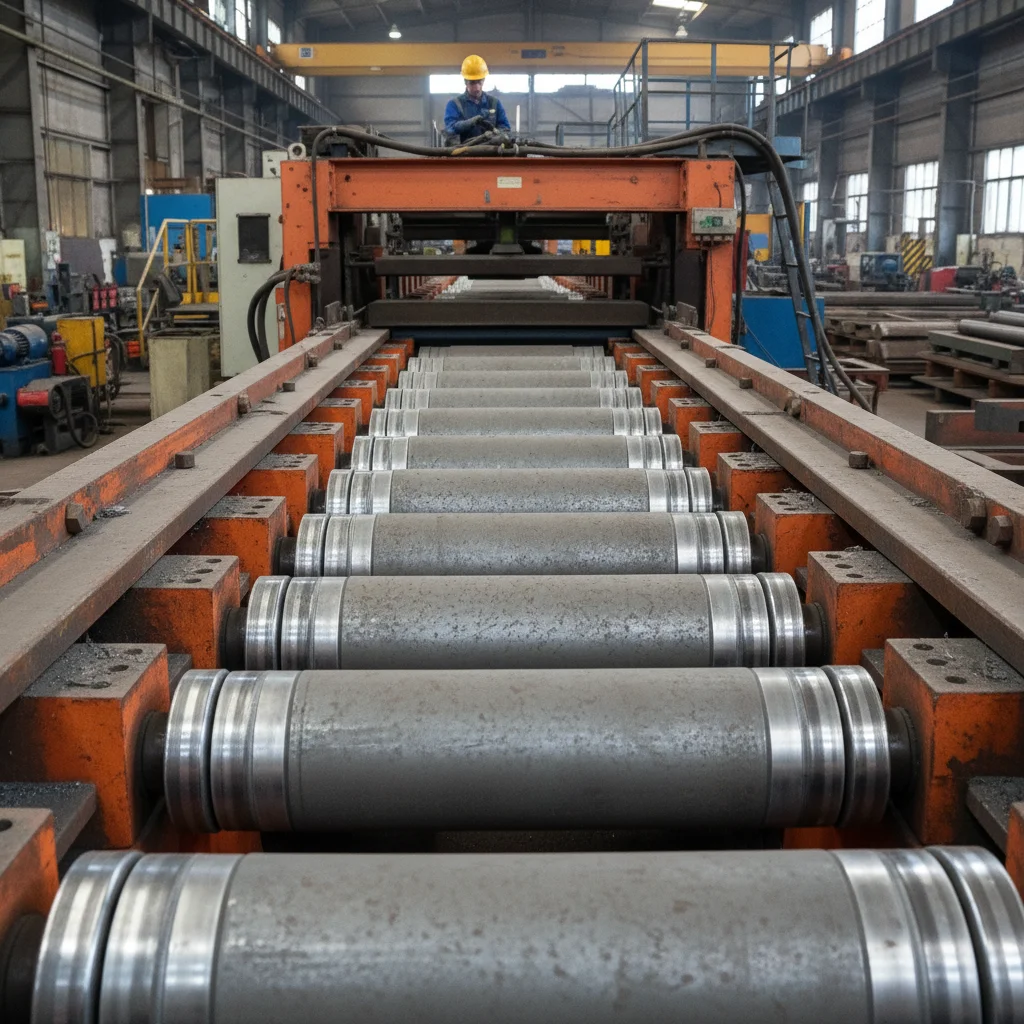
The flexibility of motorized conveyor rollers makes them ideal for a variety of demanding environments. In e-commerce fulfillment centers, they are used for high-speed sorting and "gap-free" accumulation. In the automotive industry, they transport heavy components through assembly lines with precise timing. Even in food and beverage packaging, stainless steel versions of these rollers ensure hygiene while maintaining high throughput. The ability to integrate these rollers with sensors (like photo-eyes) allows the system to "think," stopping or starting based on the real-time position of the cargo.
Technical Specifications: Choosing the Right Roller
Selecting the right motorized conveyor rollers requires a look at the technical load requirements and environmental conditions. You must consider the motor's torque, the voltage requirements (24V DC is common for low-power zones), and the tube material. For instance, galvanized steel is excellent for general industrial use, while polymer coatings are preferred for noise reduction and fragile items.
| Specification |
Standard Range |
Heavy Duty Range |
| Voltage Support |
24V DC |
110V / 220V AC |
| Load Capacity |
Up to 150kg per roller |
Up to 500kg+ per roller |
| Tube Material |
Galvanized Steel / PVC |
Stainless Steel / Heavy Gauge |
| Protection Class |
IP54 |
IP66 (Washdown) |
Maintenance and Longevity of Motorized Systems
One of the most appealing aspects of motorized conveyor rollers is the reduction in maintenance. Because the motor is sealed within the roller, it is protected from dust, debris, and moisture that typically plague external gearboxes. However, to ensure a long lifespan, it is important to regularly check the electrical connections and ensure that the rollers are not being overloaded beyond their rated capacity. Periodic cleaning of the roller surface prevents friction buildup, which can otherwise put undue stress on the internal motor.
Conclusion: Future-Proofing Your Facility with Motorized Technology
Investing in motorized conveyor rollers is a strategic move toward full warehouse automation. By reducing energy costs, improving safety, and offering unparalleled flexibility in material flow, these systems provide a significant return on investment. As logistics continue to evolve toward "smart" warehouses, the ability to control movement at a granular level will be the difference between a bottleneck and a seamless operation. Upgrade your conveyor system today to ensure your business remains competitive in an increasingly automated world.
Frequently Asked Questions (FAQs)
How do motorized conveyor rollers reduce energy costs?
Motorized rollers allow for "Zonal Control," meaning the conveyor is divided into small sections. Using sensors, the system only activates the specific roller that is currently supporting a package. In a traditional system, the entire conveyor line runs constantly, regardless of whether it is carrying a load. By only using power when and where it is needed, companies can reduce their electricity consumption by up to 30-50% depending on the volume of traffic.
Can motorized rollers be used for heavy loads?
Absolutely. While some rollers are designed for small parcels, there are heavy-duty motorized conveyor rollers specifically engineered for industrial loads. These versions feature reinforced steel tubes and high-torque AC motors capable of moving hundreds of kilograms. When selecting a roller, it is crucial to calculate the total weight of the longest package and divide it by the number of rollers it will touch to ensure each unit operates within its load limit.
What is the typical lifespan of a drum motor roller?
With proper installation and adherence to load limits, a high-quality motorized roller can last for many years. Because the motor is sealed (often IP54 or IP66 rated), it is shielded from the environmental contaminants that usually kill external motors. Most failures occur due to electrical surges or extreme overloading. Implementing a basic preventative maintenance schedule—checking for bearing noise and ensuring electrical cables are not pinched—can maximize the lifespan of your investment.
Are these rollers compatible with existing conveyor frames?
In most cases, yes. Motorized rollers are designed to fit standard conveyor frames. The primary difference is the requirement for electrical wiring. Instead of a central drive shaft, you will need to run power and control cables to each motor or zone. Many companies perform "retrofit" upgrades where they replace traditional rollers with motorized ones within their existing frames to add automation without replacing the entire structural system. For detailed compatibility, we recommend contacting the experts at JT Conveyor.