Understanding the Roller Conveyor Machine: Efficiency Engine of Modern Industry
If you’ve ever walked through a bustling warehouse or a manufacturing plant, chances are you’ve seen one of the silent workhorses of logistics and production — the roller conveyor machine. It’s that sometimes overlooked yet indispensable conveyor belt cousin, one that uses rollers to move goods efficiently from point A to point B. Today, its role has taken on global importance, powering supply chains and supporting humanitarian efforts alike. Grasping its value means appreciating a simple mechanism that solves complex challenges around speed, safety, and scalability in material handling worldwide.
Global Context: Why Roller Conveyor Machines Matter More Than Ever
In a world where global trade totaled over $28 trillion in 2022, efficient material movement is paramount. Roller conveyor machines help break down bottlenecks in this vast ecosystem. According to ISO standards on conveyor safety and design, these machines play a key role in maintaining steady workflows with minimal downtime. Apart from the dizzying scale of global commerce, there’s another side to their impact — disaster response. Quick assembly conveyor lines can streamline distributing vital supplies in regions struck by natural disasters or conflict, where time is truly life-saving.
Yet challenges persist: wear and tear, energy consumption, and adaptability to varying cargo types often test these conveyors’ limits. Exploring these machines more deeply unveils how they continue evolving to answer those obstacles.
Defining the Roller Conveyor Machine
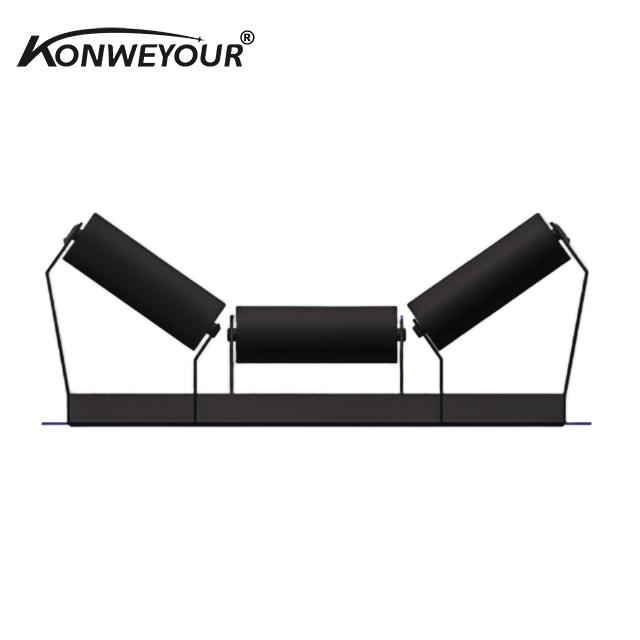
Put simply, a roller conveyor machine is a mechanical system comprised of a series of cylindrical rollers, mounted horizontally on a frame, through which materials, boxes, or pallets roll along via gravity or motorized force. Compared to traditional belts, rollers offer less friction and can handle heavier loads with more precision. These systems serve as arteries in factories and warehouses, automating repetitive tasks that would otherwise sap time and energy.
Beyond industry, roller conveyors are increasingly intertwined with modern humanitarian logistics — from large-scale food distribution hubs to international aid warehouses. The reliability and scalability of these machines can literally move mountains of aid.
Key Features and Components of Roller Conveyor Machines
1. Durability
Engines of activity need ruggedness. Quality roller conveyors use stainless steel or galvanized components to resist corrosion and endure continuous operation. In damp or dusty environments, this resistance avoids costly downtime.
2. Scalability and Modularity
One reason these conveyors are so beloved is that they’re often modular. Need to expand a line or reconfigure for different goods? Modular sections snap together neatly, allowing workflows to evolve with business demands.
3. Cost Efficiency
Compared to motor-driven belts, gravity roller conveyors reduce energy consumption, lowering operation costs. Even powered rollers are typically more energy-efficient because they target only moving parts requiring action.
4. Safety Features
Modern conveyors integrate protective covers, emergency stop switches, and sensors to shield workers and prevent accidents. Safety standards like those from the Occupational Safety and Health Administration (OSHA) guide manufacturers on proper safeguards.
5. Customizability
Depending on industry needs—pharmaceutical, automotive, food processing—rollers come in different diameters, materials, and spacing, tailored to precisely fit cargo size and weight.
Product Specification Comparison
| Feature |
Basic Gravity Model |
Powered Roller Conveyor |
Heavy-Duty Industrial |
| Roller Material |
Steel, zinc-plated |
Aluminum, rubber-coated |
Stainless steel |
| Load Capacity (per ft) |
Up to 100 lbs |
Up to 250 lbs |
Up to 1000 lbs |
| Drive Type |
Gravity |
Electric motor |
Heavy motor + gearing |
| Ideal Usage |
Light goods, manual handling |
Medium loads, automated sorting |
Large pallets, heavy industry |
Global Applications: Where Roller Conveyor Machines Shine
It might surprise some to learn these machines have sprouted roots everywhere from North American mega-warehouses to Southeast Asian textile factories, and even humanitarian centers in East Africa. Logistics giants deploy roller conveyor machines to maintain relentless throughput—an Amazon fulfillment center, for example, relies on tens of miles of conveyor lines to be fast and faultless.
In post-disaster relief operations, modular roller conveyors facilitate rapid distribution of food, water, and medical supplies. For instance, after the 2015 Nepal earthquake, relief agencies credited conveyor systems for speeding aid processing through makeshift warehouses.
Across remote industrial zones, they optimize raw material flow between processes, helping reduce manual labor and improve safety. Oddly enough, you see them even in chilly environments like Alaskan fish processing plants, where corrosion-resistant rollers are essential.
Mini takeaway: Roller conveyors aren’t just factory staples; they are global connectors, supporting both commercial and humanitarian supply chains.
Long-Term Advantages of Roller Conveyor Machines
- Cost savings: Reduced labor costs and energy-efficient operation make them economical in the long haul.
- Reliability: Fewer moving parts mean less wear; maintenance becomes predictable, preventing surprises.
- Sustainability: Their often gravity-driven nature minimizes electrical use, contributing to greener operations.
- Safety and dignity: Automation decreases heavy manual lifting, improving worker health and morale.
- Innovation trust: When conveyor lines run smoothly, businesses trust their delivery promises, strengthening customer loyalty.
Future Trends: The Evolution of Roller Conveyors
Looking ahead, I’ve noticed trends pushing conveyor tech into smart territory. Embedded sensors now monitor roller health and load distribution, alerting operators before problems escalate. Energy harvesting from roller motion and solar-powered auxiliary systems are surfacing, fostering sustainability. Plus, the rise of Industry 4.0 means integration with digital warehouse management systems, enabling unprecedented data transparency and predictive logistics.
Material-wise, advances in composites promise lighter but stronger rollers, reducing inertia and energy costs. And don’t forget automation algorithms tailoring conveyor speeds to real-time shipment flow—this synergy is refreshing the conveyor landscape substantially.
Current Challenges and Practical Solutions
Despite the impressive strides, some challenges remain, such as:
- Wear and tear in harsh environments requiring frequent maintenance.
- Adaptation to irregular-shaped or delicate cargo.
- Energy consumption when motorized rollers run inefficiently or idle.
Experts often recommend sensor-driven predictive maintenance and modular upgrades to tailor systems to evolving needs. Companies increasingly deploy hybrid conveyor solutions—gravity combined with powered rollers—to balance energy use with workload demands.
Vendor Comparison Snapshot
| Vendor |
Product Range |
Customization |
Warranty |
Lead Time |
| JT Conveyor Co. |
Gravity, powered, heavy-duty |
High, modular sections |
3 years |
4 weeks |
| ConveyorX Ltd. |
Basic and mid-range |
Moderate options |
2 years |
6 weeks |
| Global Conveyor Systems |
Full industrial spectrum |
Custom engineering |
5 years |
8 weeks |
Frequently Asked Questions About Roller Conveyor Machines
- How do roller conveyor machines differ from traditional conveyor belts?
- Roller conveyors use cylindrical rollers allowing items to roll along with less friction, often handling heavier or more rigid goods than flat belts. They can be gravity-fed or powered, offering flexible options for different industries.
- What industries benefit most from roller conveyor machines?
- Warehousing, manufacturing, food processing, pharmaceuticals, and even disaster relief logistics rely heavily on roller conveyors to streamline movement and reduce manual labor.
- Can roller conveyor machines be customized for special cargo?
- Absolutely. Rollers come in varied sizes, materials, and spacing to accommodate delicate or irregularly shaped items. Many vendors offer modular systems to tailor fit your workflow.
- How energy-efficient are powered roller conveyors?
- Powered rollers are generally more energy-efficient than belt conveyors because power is focused on individual rollers rather than the entire belt. Combining gravity sections can further cut energy use.
Conclusion and Next Steps
The roller conveyor machine, humble as it may appear, remains a linchpin in the global logistics and manufacturing network. Its blend of durability, efficiency, and adaptability breeds resilience in supply chains worldwide — a quiet enabler of economic growth and humanitarian outreach alike. If you’re looking to integrate or upgrade your material handling system, exploring roller conveyor machines is a decidedly savvy move. They’re not just machinery; they’re solutions, tailored to modern challenges.
Visit our website to discover more about how roller conveyor machines can transform your operations today.
Oddly enough, it’s something you barely notice, yet you’d certainly miss it if it were gone...
References
- UNCTAD Trade Analysis
- ISO Safety Standards for Conveyors
- OSHA Conveyor Safety