Drum Conveyor Systems: Essential Backbone of Global Material Handling
Drum conveyor systems are often the unsung heroes behind efficient industrial operations worldwide. These mechanical conveyors use rotating drums to move belts carrying goods and materials, playing an essential role in industries from manufacturing to humanitarian aid logistics. Understanding their design, applications, and future trends is crucial for businesses and organizations aiming to optimize operations and sustainability.
Introduction: Why Drum Conveyor Systems Matter Globally
In today’s interconnected world, transporting goods quickly and reliably between locations is more critical than ever. According to the World Bank, efficient transportation infrastructure significantly boosts economic growth and poverty reduction. Drum conveyor systems contribute by enabling continuous, automated movement of bulk materials and packages in factories, ports, and warehouses worldwide.
Yet, challenges persist — friction, wear, and energy consumption challenge conveyor longevity and efficiency. These challenges underscore why selecting and using the right drum conveyor design can profoundly impact productivity and sustainability.
What Are Drum Conveyor Systems?
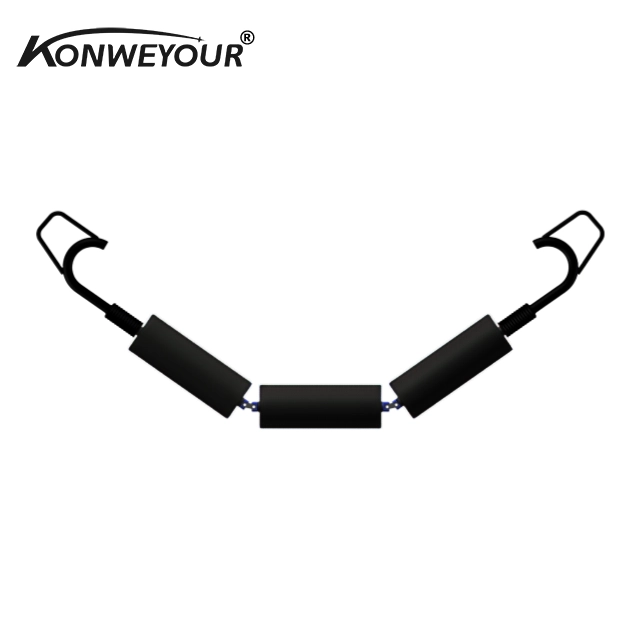
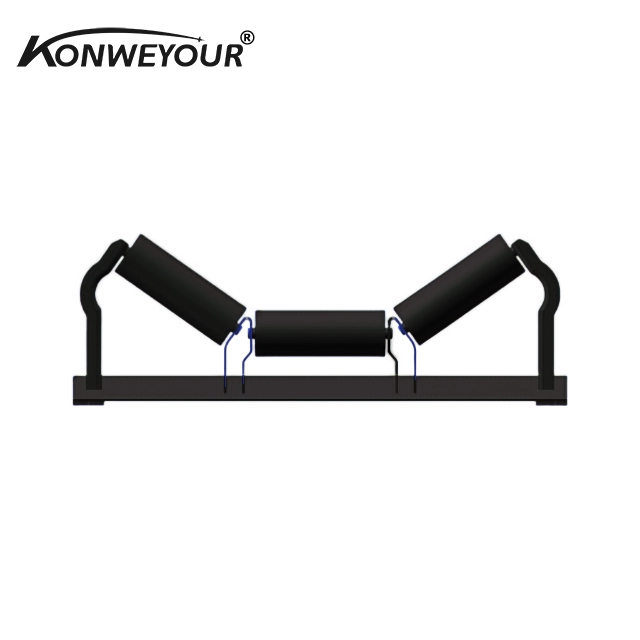
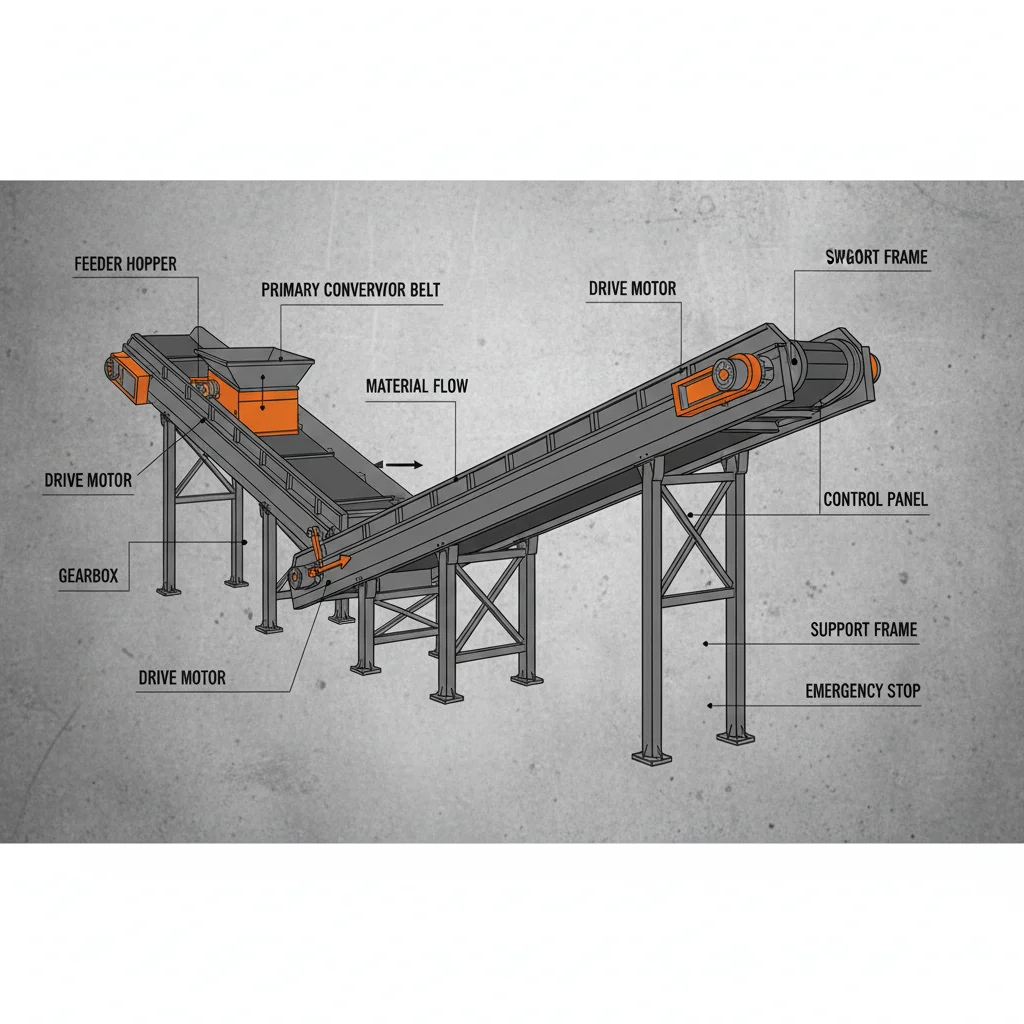
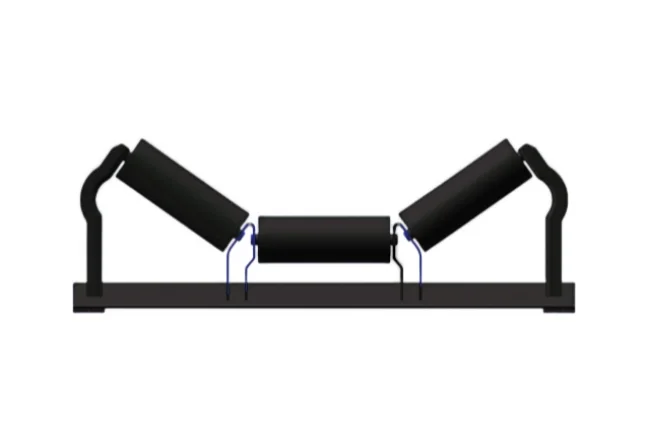
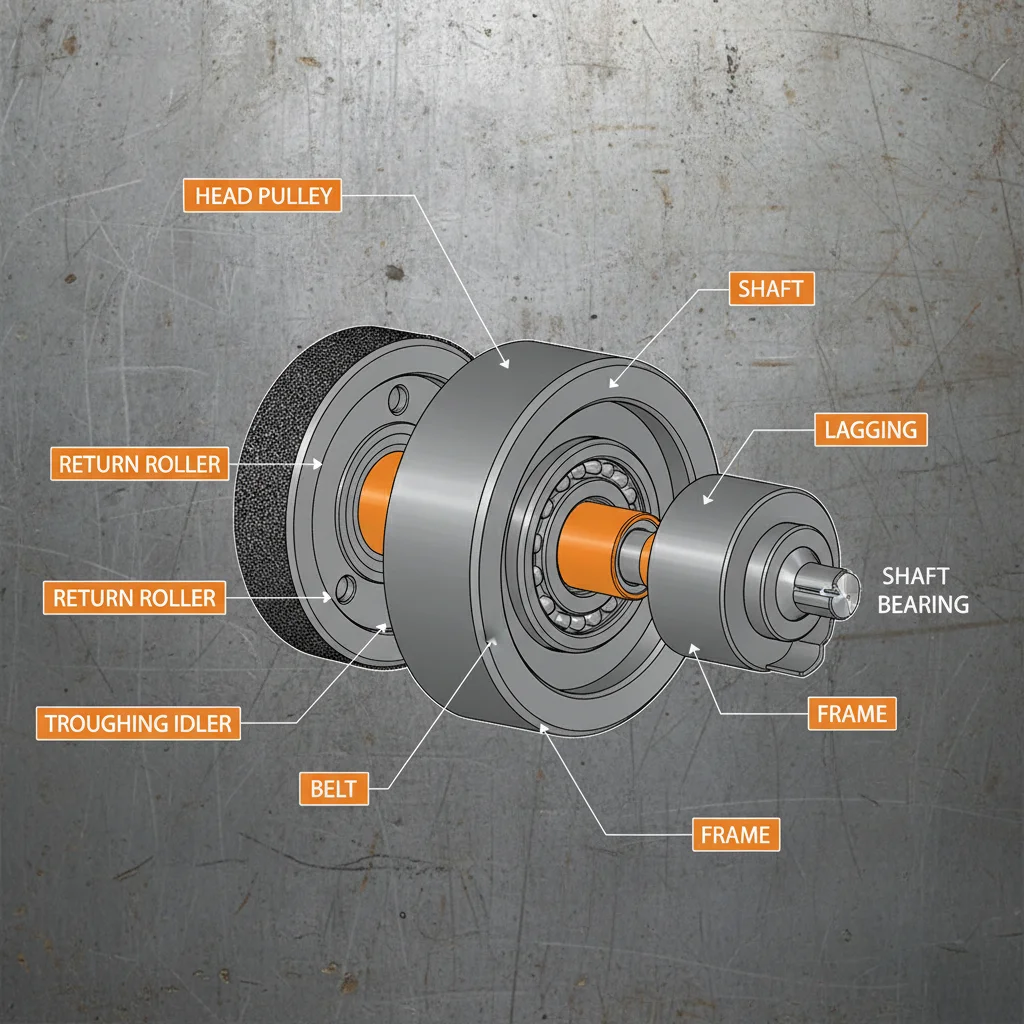
Put simply, drum conveyor systems consist of a belt looped around cylindrical drums that rotate to move the belt forward. The drums are typically powered by motors and work in tandem with idler rollers to guide the belt. This setup can handle everything from small parcels to heavy aggregates, adapting across sectors.
More than just industrial tools, these systems symbolically connect supply chains—be it in modern factories or emergency relief deployments where moving critical goods fast can save lives.
Core Components and Key Factors
Durability
Drum conveyors must endure constant motion, heavy loads, and abrasive materials. Manufacturers focus on robust drum materials like steel alloys and protective coatings to resist wear and corrosion.
Scalability
From small sorting centers to sprawling mines, these conveyors scale to fit different lengths, belt widths, and load capacities. Modular designs allow easy extensions or reconfigurations.
Energy Efficiency
Given industrial energy consumption's environmental footprint, efficient motor drives, low-friction drums, and belt materials reduce operating costs and carbon emissions.
Maintenance & Safety
Drum conveyor systems with accessible components and smart sensors streamline upkeep and minimize downtime, ensuring safer working conditions.
Typical Product Specifications of Drum Conveyor Systems
| Specification |
Typical Range |
Notes |
| Belt Width |
300 mm to 2,000 mm |
Customizable per application |
| Load Capacity |
Up to 5,000 kg/meter |
Dependent on drum strength |
| Speed |
0.5 to 5 m/s |
Varies by motor type |
| Drum Diameter |
200 to 800 mm |
Affects belt tension |
| Power Source |
Electric motors (AC/DC) |
Variable frequency drives common |
Mini takeaway: Drum conveyor systems blend mechanical simplicity with engineering finesse—balancing durability, flexibility, and energy awareness.
Global Applications & Use Cases
These systems are deployed worldwide in:
- Mining and Quarrying: Heavy drums convey abrasive rocks and minerals with rugged durability.
- Logistics and Warehousing: Automated parcel sortation and distribution lines rely on precise drum-controlled belts.
- Agriculture: Handling seeds, grains, or produce gently yet swiftly.
- Post-Disaster Relief Operations: Rapid setups use drum conveyors to move emergency supplies in hard-to-reach areas.
For instance, in Southeast Asia’s flood recovery efforts, drum conveyor systems transported palletized aid quickly to affected zones, reducing manual labor and speeding aid distribution.
Vendor Comparison: Drum Conveyor Systems Providers
| Vendor |
Customization |
Energy Efficiency |
Price Range |
Lead Time |
| JT Conveyor Systems |
High - tailored designs |
Advanced low-friction drums |
$$$ (mid to high) |
4-8 weeks |
| Global Conveyors Inc. |
Medium - modular kits |
Standard motors |
$$ (affordable) |
6-10 weeks |
| EcoMove Technologies |
Low - standard models |
Focus on green energy |
$$$ (premium) |
8-12 weeks |
Mini takeaway: Your choice of vendor impacts not just cost, but customization, efficiency, and deployment speed — so weigh options carefully.
Advantages & Long-Term Value of Drum Conveyor Systems
The benefits are tangible and multi-layered. Practically, conveyors reduce manual labor, accelerating workflows and cutting operational costs. Sustainability-wise, modern drum conveyors incorporate energy-saving motors and long-life belts, reducing waste and emissions.
There’s also social value. Reliable conveyors foster workplace safety by minimizing hazardous manual handling, upholding dignity and trust among workers. Innovation in design inspires confidence in long-term investments.
Future Trends & Innovations
Looking ahead, the drum conveyor landscape will likely embrace:
- Automation & Smart Sensors: Real-time monitoring for predictive maintenance and optimized throughput.
- Eco-Friendly Materials: Belts and drums made from recycled or bio-based materials.
- Energy Harvesting Technologies: Systems that recapture energy from braking or belt tension.
- Integration with Digital Twins: Virtual models simulating conveyor operations for planning and troubleshooting.
These innovations promise greater efficiency and environmental stewardship — which frankly, aligns with global sustainability goals like those under the UN Sustainable Development Goals.
Challenges & Potential Solutions
Challenges include wear and tear, belt slippage, and downtime for repairs. Operators sometimes face supply chain delays for replacement parts. Still, industry experts advocate using condition monitoring and modular designs to allow faster interventions. Using standardized parts can also reduce wait times.
I suppose the biggest hurdle is balancing upfront investment with long-term returns—something that careful planning and vendor partnerships can help solve.
FAQ: Common Questions About Drum Conveyor Systems
- What types of materials can drum conveyor systems handle?
- They can move a wide range from fine powders and grains to heavy rocks and packaged goods, depending on belt type and drum strength.
- How often should drum conveyor systems be maintained?
- Routine inspections every 1-3 months are common, with component replacement schedules varying by intensity of use and environment conditions.
- Are drum conveyor systems energy efficient?
- Modern drums paired with variable frequency drives and low-friction belts significantly reduce power consumption compared to older models.
- Can drum conveyor systems be customized for hazardous environments?
- Yes, features like explosion-proof motors and corrosion-resistant drums are available for mining, chemical plants, and similar industries.
Conclusion: Embrace Drum Conveyor Systems for Sustainable, Efficient Material Handling
To wrap up — drum conveyor systems aren’t just equipment; they’re pillars supporting modern supply chains and critical humanitarian efforts. Their adaptability, efficiency, and evolving tech make them a sound investment for anyone dealing with bulk and parcel movement.
If you’re interested in exploring robust, tailored drum conveyor solutions, why not visit our website? We offer expert consultation to find the right fit for your needs.
Oddly enough, once you start paying attention, drum conveyor systems are everywhere — quietly powering the world’s industries and aiding real-world challenges.
References:
- World Bank - Transport Sector
- United Nations Sustainable Development Goals
- Wikipedia - Conveyor Belt