Understanding the Reversing Conveyor: A Vital Industrial Solution
At first glance, conveyors might seem like simple machines—just belts moving products from one point to another. But when you add the “reversing” function, everything changes. Reversing conveyors are key cogs in complex logistics and manufacturing systems worldwide. They offer flexibility and efficiency that standard conveyors can’t match, proving essential for industries ranging from mining and recycling to packaging and food processing.
Globally, the conveyor market is expected to grow significantly—driven by expanding warehouse automation, e-commerce logistics, and sustainability demands. According to an ISO report, efficient material handling systems like reversing conveyors reduce waste and energy use, aligning with UN sustainability goals. So, why does a reversing conveyor really matter? Because it helps facilities reduce downtime, adapt layouts quickly, and optimize workflows — all factors that translate into better profitability and reduced environmental footprint.
What Is a Reversing Conveyor?
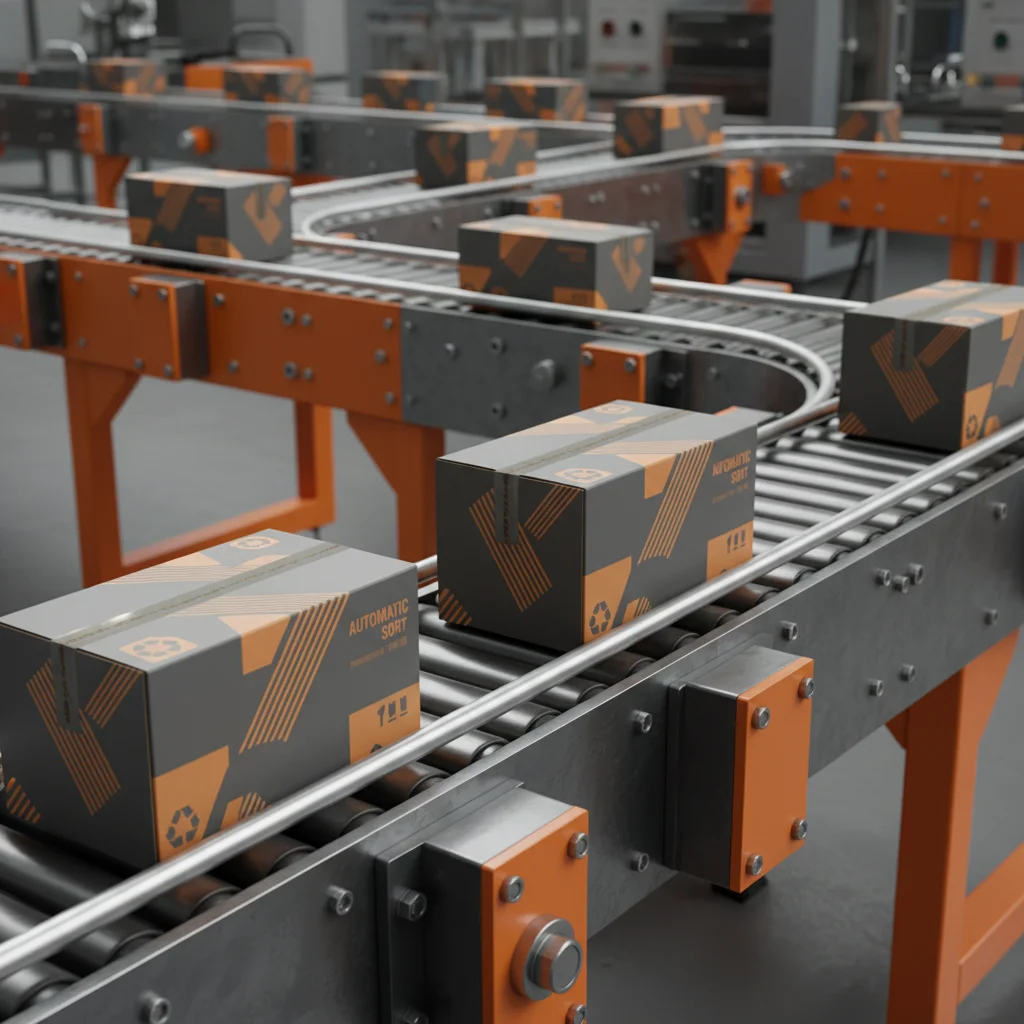
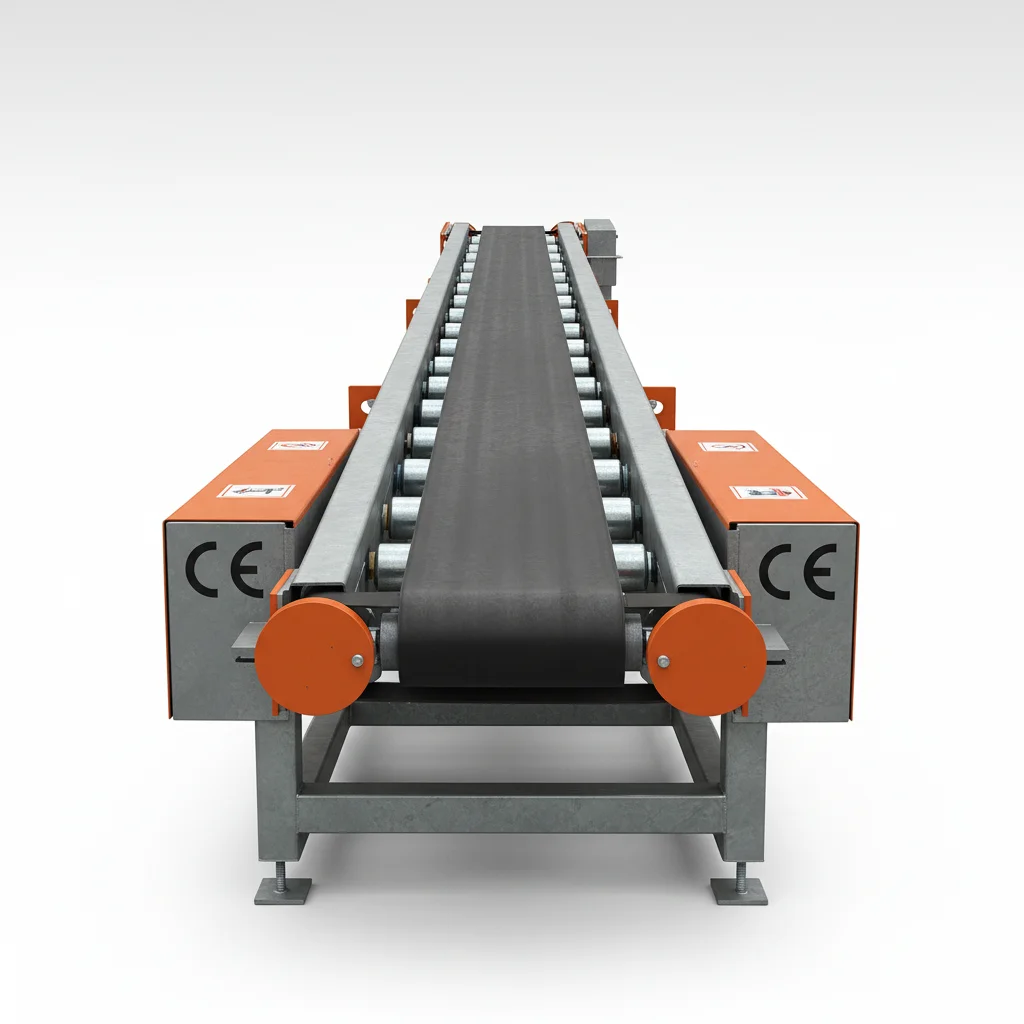
Simply put, a reversing conveyor is a conveyor belt system capable of moving materials in both forward and backward directions. This isn’t just a neat trick: it enables dynamic operational functionality, where items or bulk goods can be redirected without stopping or unloading. In modern industry, this is invaluable when workflows need to adjust on the fly. Think of a conveyor that can push defective items back or redirect packages for rerouting in an automated sorting facility — that’s the reversing conveyor in action.
In humanitarian or emergency logistics scenarios, reversing conveyors come in handy for sorting supplies efficiently under tight time constraints. Their versatility means better resource handling and less manual labor — often crucial in fragile situations.
Key Characteristics of Reversing Conveyors
1. Durability and Robust Build
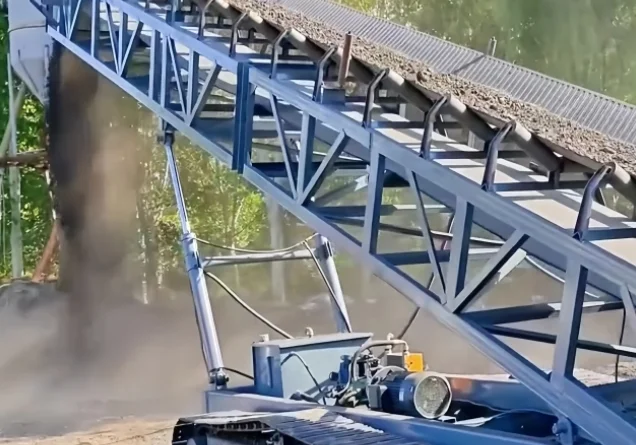
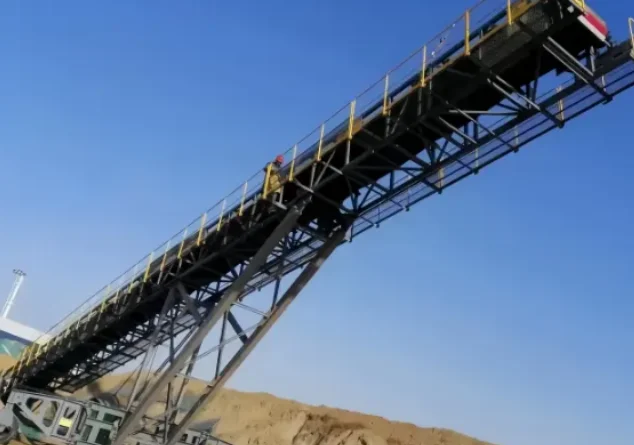
Reversing conveyors often operate in harsh environments — think dusty mining sites or outdoor recycling plants. They're typically constructed with wear-resistant belts and rugged frames to withstand constant back-and-forth motion without failing.
2. Control Systems and Automation
Modern reversing conveyors employ sensors and programmable logic controllers (PLCs) that enable seamless direction changes based on real-time data. This not only boosts safety but enhances workflow adaptability in smart factories.
3. Scalability
From small packaging lines to massive bulk handling plants, reversing conveyors scale in length, width, and load capacity. This versatility makes them suitable across various sectors.
4. Energy Efficiency
Thanks to optimized motor controls and bi-directional operation, these conveyors consume less energy compared to using separate forward and return conveyors, which adds up in the long run.
5. Cost Efficiency
Fewer conveyors mean fewer components, less maintenance, and reduced footprint — all contributing to lower operational costs.
| Specification |
Typical Range / Feature |
| Belt Width |
300 mm – 1800 mm |
| Load Capacity |
Up to 5,000 kg/meter |
| Motor Power |
1 kW – 22 kW, variable frequency drives |
| Speed Control |
0.1 m/s – 3 m/s, adjustable |
| Direction Change Time |
Typically
|
Global Applications of Reversing Conveyors
Reversing conveyors are everywhere—from sprawling Asian manufacturing hubs to European recycling plants. In the automotive industry, they help redirect parts during assembly to reduce line stoppages. Meanwhile, packaging centers in North America heavily rely on these conveyors for flexible sorting, especially as e-commerce booms.
Emergency relief operations have also started adopting mobile reversing conveyor units to manage supplies on-the-fly, especially in areas where infrastructure is compromised. I’ve read reports (e.g., from the UN) showing these conveyors enhance supply chain efficiency during disaster response, reducing human errors and speeding up delivery.
- Mining: Efficiently moving ores back and forth through sorting processes.
- Recycling facilities: Redirecting materials for separation and further processing.
- Warehouse logistics: Dynamic order sorting and reverse logistics.
- Food processing: Handling fragile items carefully by adapting direction to minimize damage.
Comparing Leading Vendors of Reversing Conveyors
| Vendor |
Max Load (kg) |
Control System |
Sustainability Features |
Lead Time |
| ConveyorTech Ltd. |
5000 |
PLC with IoT integration |
Energy-saving motors, recyclable materials |
6 weeks |
| LogiBalance Inc. |
4500 |
Standard PLC, manual override |
High-efficiency gearboxes |
4 weeks |
| EcoMover Systems |
4000 |
Wireless controls, remote diagnostics |
Solar-powered options available |
8 weeks |
Advantages and Long-Term Value
Beyond the clear functional perks, reversing conveyors offer substantial cost savings thanks to their dual-direction efficiency. Operational downtime is reduced, and fewer pieces of equipment mean fewer points of failure—a win for maintenance teams and budgets alike. Going further, some companies highlight the improved worker safety stemming from fewer manual interventions and better automated control. That’s trustworthiness at work. And, honestly, I suppose it also feels good to know your plant can adapt quickly to changing product lines or demand without costly redesigns.
Emerging Trends Shaping Reversing Conveyors
Advances in digital technology are making reversing conveyors smarter and greener. Look out for Industry 4.0 integration: AI-powered predictive maintenance, remote real-time monitoring, and automated decision-making are becoming common. Plus, innovations in lightweight, recyclable belt materials reduce environmental impact throughout product lifecycles. Energy recovery systems and solar-compatible designs point toward sustainability as a core future feature. In short, automation plus green tech will define the next wave.
Challenges & Their Solutions
Reversing conveyors require precision engineering: mismatched control systems can cause belt slippage or wear. Space constraints sometimes limit their utility, especially in older plants. However, modular designs and improved servo drives have helped overcome many of these issues. Customizable software now allows integration with existing warehouse management systems smoothly—reducing installation headaches. Regular staff training also ensures safety and extends operational life.
FAQ: Common Questions About Reversing Conveyor
- Q: How quickly can a reversing conveyor change direction?
A: Many systems switch direction in under a second, thanks to advanced motor drives and controls. This speed minimizes process delays and keeps production flowing smoothly.
- Q: Are reversing conveyors suitable for fragile goods?
A: Absolutely. With careful speed control and sensor integration, conveyor speeds adjust dynamically to handle delicate products without damage — a must in food and electronics sectors.
- Q: What maintenance is required for reversing conveyors?
A: Routine belt inspections, motor servicing, and control system software updates are typical. Following manufacturer schedules ensures longevity and consistent performance.
- Q: Can reversing conveyors be integrated into existing systems?
A: Yes, especially modern ones with flexible PLCs and IoT capabilities. Vendors often offer customizable interfaces to fit legacy equipment.
Conclusion: Why Invest in a Reversing Conveyor?
In a nutshell, reversing conveyors deliver flexibility, efficiency, and sustainability—the trifecta manufacturers and logistics leaders crave. They’re not just machines but enablers of smarter, adaptable, and safer industrial operations. If you’re looking to optimize your process flows or handle growing demands with minimal hiccups, this is a technology worth considering. To explore quality reversing conveyors and understand how they fit your specific needs, I encourage you to visit reversing conveyor.
It’s oddly satisfying to watch a system adjust dynamically on the spot—almost like watching a living thing respond to its environment. This kind of operational intelligence is the future, and reversing conveyors are a tangible part of that journey.
Mini Takeaway: Reversing conveyors are versatile, efficient, and increasingly smart systems that improve industrial workflows globally — a key investment for modern manufacturers aiming for agility and sustainability.
References
- ISO Technical Report: Energy Efficiency in Material Handling Systems
- UN Sustainable Consumption and Production Goals
- Wikipedia: Conveyor Belt