Understanding the Snub Roller Conveyor: A Global Industrial Backbone
When we talk about conveyors, one term that often pops up in the industrial logistics and manufacturing world is the snub roller conveyor. Oddly enough, this specialized conveyor system doesn’t get as much spotlight outside the expert circles, despite being a quiet workhorse in numerous industries worldwide. Simply put, snub roller conveyors offer a practical solution to handling complex material flow challenges, improving efficiency, and lowering costs. Globally, as supply chains stretch across continents and industries face ever-increasing demands for speed and reliability, understanding this conveyor type is increasingly vital.
Snub roller conveyors play a critical role in managing belt trajectory and tension, making them indispensable for sectors ranging from mining and agriculture to fast-moving consumer goods and humanitarian aid logistics. Tackling the global logistics problem — how to move materials smoothly and safely, often over uneven terrain or variable direction shifts — this conveyor type thrives and often outperforms other systems in both ruggedness and flexibility. The key benefits? Improved belt life, reduced spillage, and minimized downtime, which translate directly into economic and environmental savings.
Global Context and the Industry Need for Snub Roller Conveyors
According to data from the United Nations and ISO standards organizations, supply chain efficiency increasingly defines the strength of global industries. With manufacturing hubs expanding in Asia-Pacific and logistics nodes rapidly evolving in North America and Europe, conveyor systems must adapt. The statistics point to an estimated 5-7% annual growth in conveyor demands globally, driven largely by automation and digital transformation in logistics chains (1). But one persistent challenge remains: maintaining belt alignment and tension under diverse operational conditions.
Here’s where the snub roller conveyor stands out. It acts as a tensioning and tracking mechanism along conveyor belts, often used where directional changes, inclines, or declines are common. For example, in bulk material handling where dust, debris, and heavy loads pose a constant threat to belt integrity, this conveyor type excels. While many conveyor components are prone to wear, snub rollers are designed to prolong belt life and reduce maintenance interruptions—a global industrial pain point.
What Exactly is a Snub Roller Conveyor?
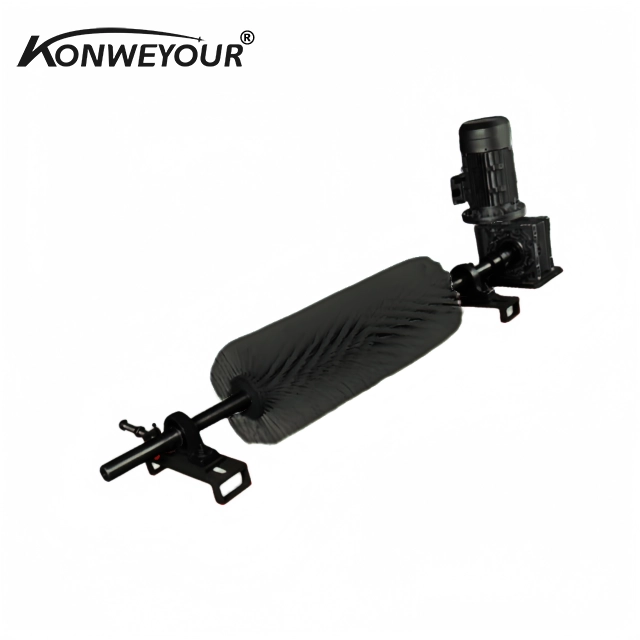
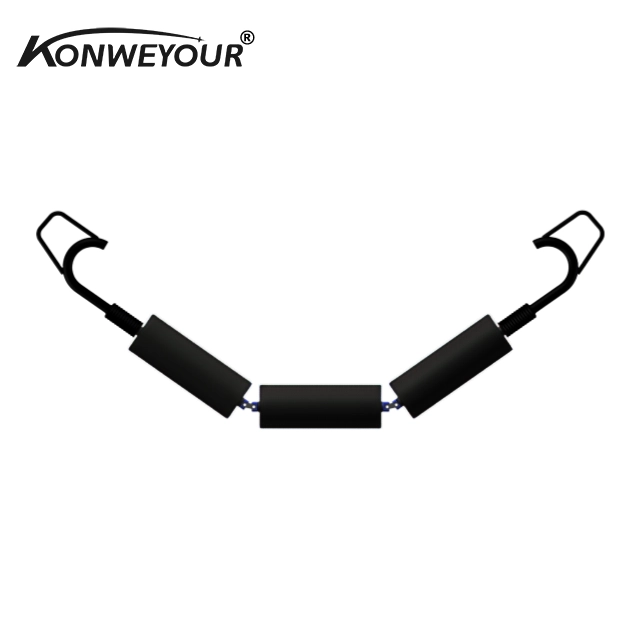
In straightforward terms, a snub roller conveyor is a conveyor belt assembly featuring a snub roller — a specific type of roller placed at strategic angles around the conveyor pulleys designed to increase belt wrap on the drive pulley. This wrap enhances friction between the belt and pulley, providing better traction and reducing belt slippage.
Imagine you’re pulling a heavy carpet over a smooth floor; without enough friction, your hands might slip. The snub roller essentially “presses” the conveyor belt against the drive pulley a little more firmly, so the belt traction improves. This technical nuance is small but mighty, especially in industries handling heavy bulk materials or operating conveyors at steep angles.
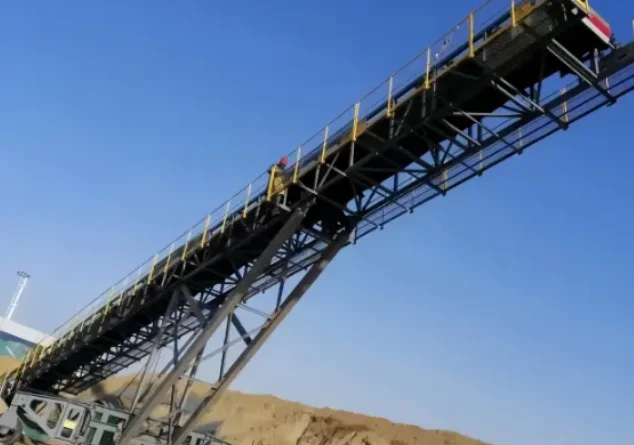
From an industrial perspective, these conveyors are essential in mining operations transporting ores, in agriculture moving grain, or even in humanitarian supply chains where rapid deployment and dependable material movement can literally save lives. It’s a quiet yet powerful component that contributes to the backbone of modern logistics and manufacturing.
Core Components and Factors of Snub Roller Conveyor Systems
1. Durability and Material Quality
The rollers themselves are often constructed of steel or high-grade alloys designed to withstand continuous impact, abrasion, and environmental exposure. Durability matters — especially in harsh conditions like salt mines or outdoor agricultural facilities. Many manufacturers apply corrosion-resistant coatings or use polyurethane coverings to extend roller life.
2. Scalability and Customization
Snub roller conveyors are remarkably scalable. You can customize their dimensions and configurations to suit compact warehouses or sprawling industrial plants. Their modular design allows engineers to add sections or adjust placement to match conveyor belt profiles and operational requirements seamlessly.
3. Cost Efficiency and Maintenance
Because snub rollers improve belt grip and alignment, the belt itself experiences less wear and fewer breakdowns. As a result, companies save on costly belt replacements and downtime. Maintenance tends to be straightforward—regular lubrication and monitoring for roller wear usually suffice.
4. Safety and Environmental Impact
Properly tensioned belts reduce spillage and dust, enhancing workplace safety and environmental cleanliness. Moreover, the reliability of snub rollers lowers the risk of unexpected stoppages, which can be hazardous in high-speed production environments.
Snub Roller Conveyor Typical Specifications
| Specification |
Details |
| Roller Diameter |
100 mm – 159 mm (4” – 6¼”) |
| Roller Length |
Varies 500 mm – 2000 mm (20” – 80”) |
| Material |
Carbon Steel/Polyurethane Coated / Stainless Steel |
| Mounting Angle |
Typically 20°–45° relative to belt |
| Load Capacity |
Up to 1200 kg per roller |
| Operating Temperature |
-20°C to 80°C (-4°F to 176°F) |
Global Applications & Real-World Use Cases
Across the globe, snub roller conveyors are critical in various industries:
- Mining sectors in Australia and South Africa rely on them to transport heavy ore across rugged terrain.
- Agriculture operations in the U.S. Midwest use them to move grains and seeds efficiently.
- Manufacturing plants in Germany and Japan integrate these conveyors into assembly lines where precise belt tracking is crucial.
- Post-disaster relief supply chains often incorporate snub roller conveyor systems in logistic hubs to accelerate aid distribution with minimal downtime.
For example, during the recent emergency humanitarian response after natural disasters, NGOs have found that flexible conveyor set-ups with snub rollers can be quickly deployed for sorting and packaging critical supplies.
Vendor Comparison: Leading Snub Roller Conveyor Providers
| Vendor |
Specialization |
Material Options |
Customization |
Typical Lead Time |
| JT Conveyor |
Industrial Bulk & Modular Solutions |
Steel, Polyurethane, Stainless |
High, tailor-made systems |
4–6 weeks |
| GlobalRoller Inc. |
Heavy duty mining conveyors |
Carbon Steel, Hardened Alloys |
Medium, modular kits |
6–8 weeks |
| EcoConvey Solutions |
Sustainable & Eco-friendly Systems |
Recycled Steel, Eco Polymers |
High, environmentally tailored |
5–7 weeks |
Why Choose Snub Roller Conveyors? Advantages & Lasting Value
Frankly, the combination of mechanical simplicity and functional sophistication makes snub roller conveyors a solid choice. They extend belt lifespan by preventing slippage through enhanced traction. This reduces replacement frequency, cutting costs and downtime.
Environmentally, less spillage equals less waste and dust pollution, contributing to safer, cleaner worksites. Emotionally, operators gain confidence from dependable equipment — it’s about trust and assurance on the floor. Knowing your conveyor can handle the load smoothly helps maintain morale and operational rhythm.
Looking Ahead: Trends and Innovations Shaping Snub Roller Conveyors
The conveyor industry isn’t standing still. Innovations include:
- Integration of IoT sensors in roller assemblies to monitor wear and performance in real time.
- Use of advanced materials like composite rollers that reduce weight yet boost strength.
- Energy-efficient motor drives linked to snub roller systems optimizing operational power use.
- Automation and AI that self-adjust conveyor tensions dynamically to maintain ideal belt conditions.
Moreover, with rising emphasis on sustainability, manufacturers are exploring recycled materials and greener coatings for rollers — a subtle but impactful eco-friendly shift that might soon become standard.
Challenges and Expert Solutions
Unchecked, snub rollers can wear unevenly or become misaligned, causing belt damage or downtime. Environmental factors like moisture or dust can accelerate deterioration.
To counter this, regular maintenance combined with predictive analytics is key. Many companies invest in condition monitoring technologies that flag early signs of failure. Choosing high-grade materials and modular roller designs also simplifies replacements and repairs in the field.
FAQ: Your Practical Questions About Snub Roller Conveyors
- Q1: How do snub roller conveyors improve belt lifespan?
- By increasing the belt wrap on drive pulleys, snub rollers reduce slippage, which minimizes friction-related wear. This prolongs the integrity of the belt and reduces the need for frequent replacements.
- Q2: Can snub roller conveyors be customized for different environmental conditions?
- Absolutely. With options like corrosion-resistant coatings, polyurethane coverings, or stainless steel rollers, these conveyors can be tailored to work reliably in wet, dusty, or corrosive environments.
- Q3: Are snub roller conveyors suitable for steep incline conveyors?
- Yes. They are especially beneficial in incline or decline conveyors because they improve belt traction and prevent slipping under increased gravitational forces.
- Q4: How quickly can I get a custom snub roller conveyor installed?
- Depending on the provider, typical lead times range from 4 to 8 weeks. Modular designs also facilitate faster installation and scaling after initial deployment.
- Q5: What maintenance is recommended for snub rollers?
- Routine inspection for wear, regular lubrication of bearings, and prompt replacement of damaged rollers help ensure consistent performance and longevity.
Conclusion: Harnessing the Power of Snub Roller Conveyors
To sum up, snub roller conveyors quietly yet profoundly enhance the efficiency, longevity, and safety of conveyor belt systems worldwide. Their ability to adapt across industries and geographies, plus an exciting wave of innovation, cements their relevance in modern material handling.
Curious to see how a tailored snub roller conveyor can boost your operation? Visit JT Conveyor’s website for expert advice, customization, and support. You might find it’s exactly what your logistics or manufacturing setup needs.
Mini Takeaway: Snub roller conveyors might be overlooked, but their impact on belt traction and system reliability makes them essential for any serious industrial operation.
References:
- International Organization for Standardization (ISO)
- United Nations Conference on Trade and Development (UNCTAD)
- Wikipedia – Conveyor belt