Pulley Conveyor System: What It Is and Why It Matters Globally
If you've ever watched an airport baggage claim or a large industrial warehouse in action, you've witnessed pulley conveyor systems quietly getting the job done. But these somewhat humble mechanical setups are far more critical than just moving luggage or packages—they play a vital role in global industries, logistics, and humanitarian operations. Understanding pulley conveyor systems unlocks insights into how goods are transported efficiently, labor is optimized, and supply chains stay resilient worldwide.
Globally, the demand for efficient material handling solutions is skyrocketing—driven by rapid urbanization, e-commerce, and infrastructure development. According to the International Organization for Standardization (ISO), industries implementing automated conveyor systems have reported productivity improvements up to 40%. Yet, challenges like uneven terrain, maintenance costs, and energy consumption persist, underpinning the importance of innovations in pulley conveyor systems.
### Defining the Pulley Conveyor System
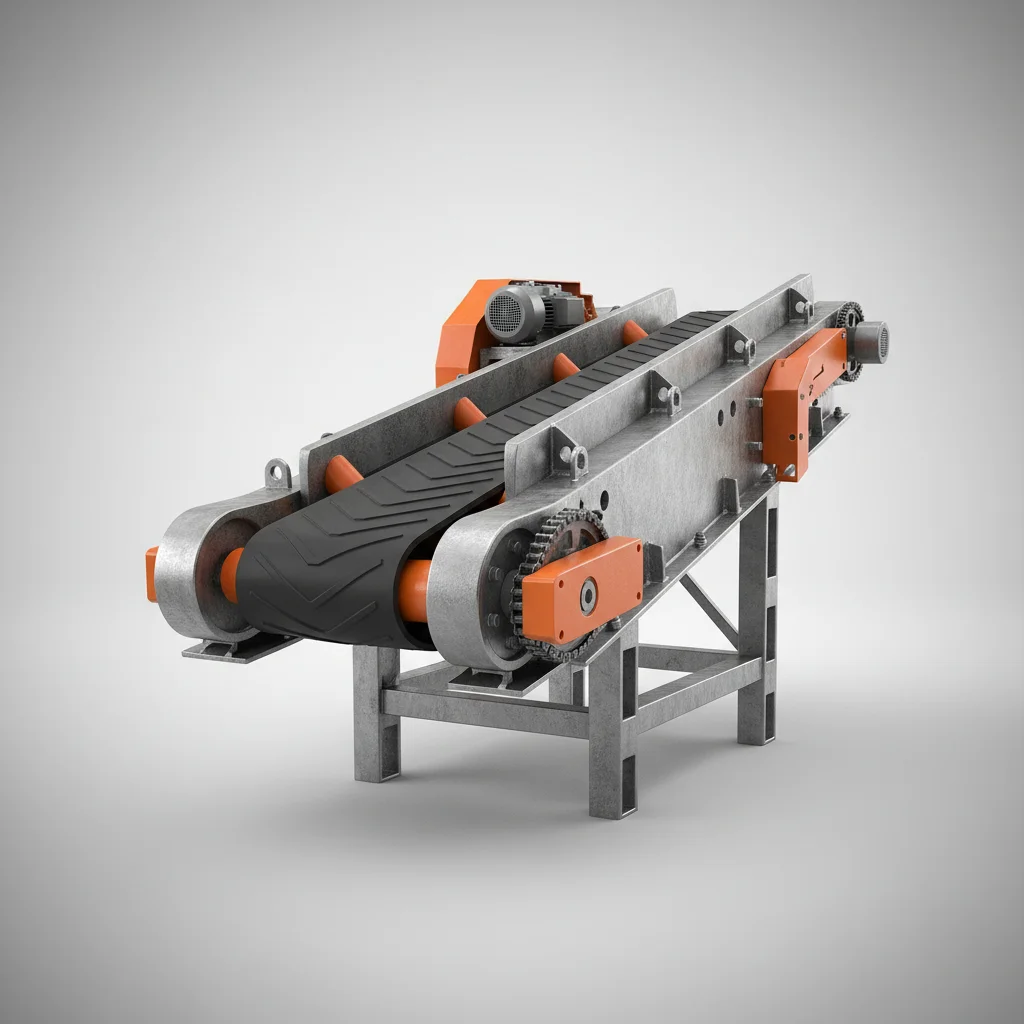
Quite simply, a pulley conveyor system is a material handling method that uses a continuous loop of belt or rope wrapped around one or more pulleys to move items from one point to another. The pulleys act as wheels guiding and supporting the belt, which carries the load. This concept, rooted in centuries-old mechanical principles, has evolved into sophisticated, scalable machinery critical to modern industry.
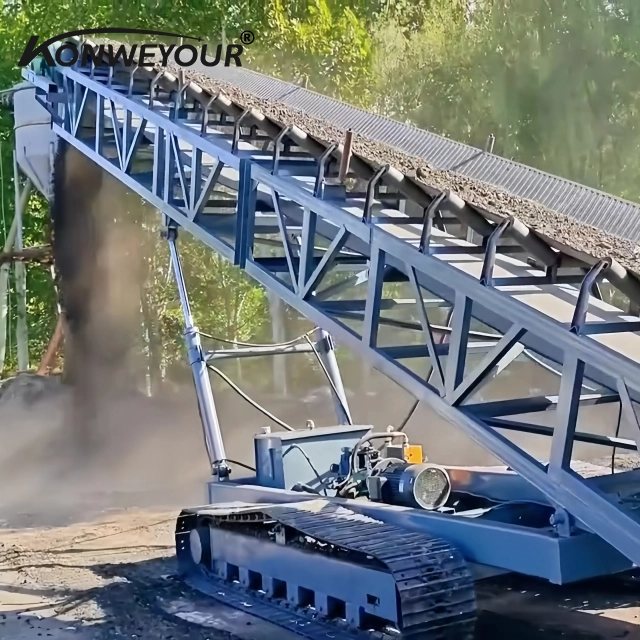
From factories producing consumer goods to remote mining operations, these systems enable non-stop material flow, sometimes covering kilometers. They’re also pivotal in humanitarian efforts—such as quickly transporting relief materials on rugged terrains where trucks can't easily go.
### Core Components and Key Factors of Pulley Conveyor Systems
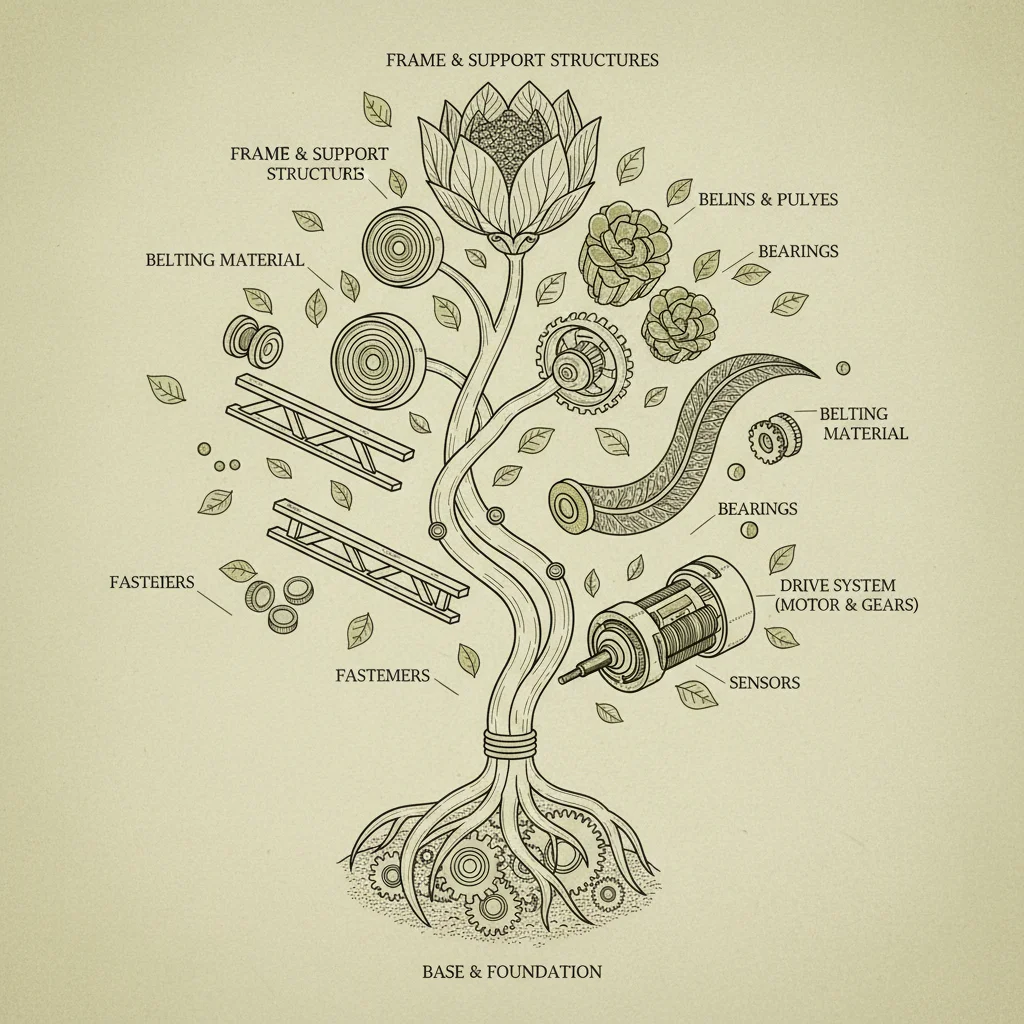
Let’s break down what makes pulley conveyor systems tick, and why each part matters:
1. Durability
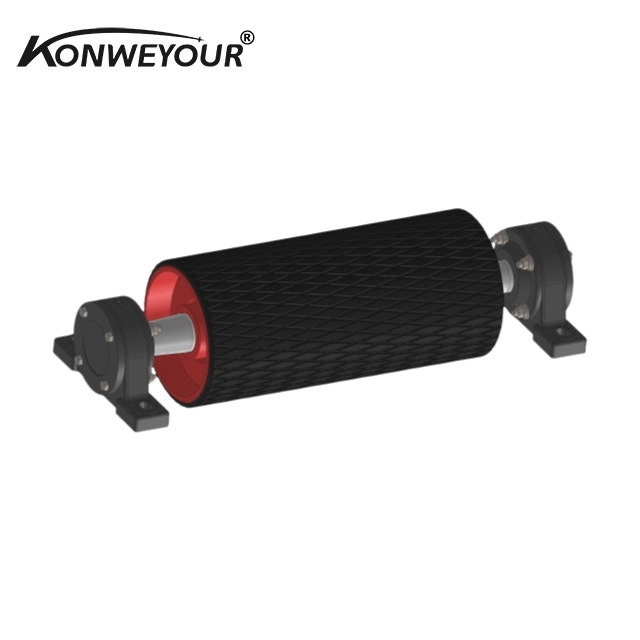
The harsh environments where many systems operate mean components must withstand abrasion, heavy loads, and weather extremes. Materials like reinforced steel pulleys and abrasion-resistant belts extend lifespan and reduce downtime.
2. Scalability
Whether a small factory or an international port, systems need to adapt. Modular pulley components let engineers expand or reconfigure conveyors as production demands shift—kind of like adding new tracks to a train set.
3. Energy Efficiency
With rising energy costs, systems designed to minimize power use through optimized pulley diameters and efficient motors save money and reduce carbon footprints. Some newer models integrate regenerative drives that capture energy during deceleration.
4. Maintenance Simplicity
Downtime kills productivity, so systems that allow easy belt replacement, lubrication access, and real-time monitoring scores big with operators. Remote diagnostics are becoming the norm, especially with connected industry trends.
5. Safety Features
Moving parts = potential hazards. Pulling materials safely includes emergency stop switches, guardrails around belts, and sensor arrays to detect jams or overloads.
Mini Takeaway:
At its core, a pulley conveyor system is a carefully balanced mix of strength, adaptability, efficiency, and safety that supports complex material handling needs anywhere on the globe.
### Understanding the Product in Specs: Typical Pulley Conveyor System Features
| Feature |
Specification |
| Belt Width |
300mm to 2000mm |
| Pulley Diameter |
150mm to 1000mm |
| Load Capacity |
Up to 50 tons/hour |
| Operating Speed |
0.5 - 3.0 m/s |
| Energy Consumption |
0.5 - 2 kW per 100m |
### Global Applications & Use Cases
The pulley conveyor system is an unsung hero in diverse sectors worldwide. You’ll find them marching through:
- Mining Operations in Australia and South Africa, moving tons of ore from extraction sites to processing plants.
- Manufacturing Plants across China and Germany, assembling everything from automobiles to electronics with seamless material flow.
- Agriculture Processing Facilities in Brazil, transporting harvested crops.
- Disaster Relief Logistics — for example, NGOs in Southeast Asia use portable pulley conveyors to move supplies swiftly across unstable grounds after floods.
- Ports and Shipping Yards in Rotterdam and Singapore, where rapid container movement ensures goods reach global markets on schedule.
Oddly enough, despite all these uses, the general public rarely notices them—until something breaks down.
Mini Takeaway:
The versatility of pulley conveyor systems in different climates, industries, and applications emphasizes their vital global footprint.
### Advantages & Long-Term Value
Why do industries and relief agencies keep investing in pulley conveyor systems? The benefits stack up:
- Cost Savings: Lower labor intensity and quicker throughput reduce operational expenses.
- Reliability: Mechanical simplicity means fewer breakdowns and predictable maintenance schedules.
- Environmental Impact: By optimizing energy use and reducing the need for trucks and forklifts, conveyors can cut greenhouse gas emissions.
- Safety and Worker Well-being: Less manual lifting and moving means fewer injuries and higher morale.
- Innovation Facilitation: Automated conveyors integrate smoothly with smart factory systems, IoT sensor data, and AI predictive maintenance.
On a more human level, seeing critical supplies arrive intact and on time, whether in a factory or a disaster zone, builds trust and dignity. “It’s not glamorous,” many engineers say, “but it’s incredibly important.”
### Future Trends & Innovations
Looking ahead, the pulley conveyor system world is quietly buzzing with new ideas:
- Smart Pulleys & Predictive Maintenance: Embedded sensors track wear and alert operators before parts fail.
- Green Technologies: Lightweight materials like composite pulleys and solar-powered motors shrink energy footprints.
- Automation & AI: Systems can self-adjust belt speeds and routing to match production dynamics.
- Modular Designs: Plug-and-play conveyors for faster deployment on construction or relief sites.
- Recyclable Components: Sustainability is driving design choices towards circular economy models.
Basically, these systems are becoming smarter, greener, and more responsive to real-time conditions.
### Challenges & Solutions
Like any technology, pulley conveyor systems face hurdles:
- Wear and Tear in Harsh Environments: Abrasive materials shorten component life — solved in part by improved materials and coatings.
- Initial Setup Costs: Can be significant but offset by long-term gains and leasing models.
- Terrain Adaptability: Uneven or steep terrains need specialized pulley and belt designs.
- Downtime Risks: Advances in remote monitoring mitigate surprise failures.
In real terms, ongoing R&D and user feedback lead to continuous improvements, often driven by rigorous ISO standards and industry collaborations.
### FAQ: Frequently Asked Questions About Pulley Conveyor System
Q1: How do pulley conveyor systems improve warehouse efficiency?
A1: By automating material movement, these systems reduce manual handling, speeding up order fulfillment and reducing errors. This results in faster shipping times and lower labor costs.
Q2: Can pulley conveyor systems handle heavy loads over long distances?
A2: Absolutely. With proper design—larger pulleys, reinforced belts—they efficiently transport heavy materials over several kilometers, common in mining and port operations.
Q3: What maintenance is required to keep pulley conveyor systems running smoothly?
A3: Regular inspection of belts and pulleys for wear, lubrication of moving parts, and monitoring via sensors are essential to prevent unexpected breakdowns.
Q4: Are pulley conveyor systems environmentally friendly?
A4: Yes, especially newer models with efficient motors and smart controls reduce energy consumption and cut dependency on fossil-fuel-powered transport methods.
Q5: How quickly can a pulley conveyor system be deployed on-site?
A5: Modular conveyor components allow relatively rapid assembly—sometimes within days—making them a preferred choice for dynamic industrial or relief scenarios.
### Conclusion + Call to Action
In sum, pulley conveyor systems are quietly revolutionizing how the world moves goods—be it in a sprawling factory, a rugged mining site, or a flood-affected rural area. Their durability, efficiency, and adaptability bring tangible economic, environmental, and social benefits that last over decades. If your operations depend on reliable, scalable material handling, exploring pulley conveyor system solutions is a smart move.
To learn more or find the right system for your needs, visit
pulley conveyor system and get connected with experts who can tailor solutions for your unique challenges.
---
### Vendor Comparison: Top Pulley Conveyor System Providers
| Feature |
JT Conveyor |
Global Conveyors Inc. |
MegaPulley Systems |
| Customization Options |
High (Modular & scalable) |
Medium |
Low (Standard models) |
| Energy Efficiency |
Advanced regenerative motors |
Standard motors |
Basic electric drives |
| Lead Time |
4-6 weeks |
6-8 weeks |
8-12 weeks |
| After-Sales Support |
24/7 hotline & remote diagnostics |
Business hours support |
Limited, via email |
| Typical Applications |
Industrial, mining, humanitarian relief |
Manufacturing, warehousing |
Standard cargo handling |
---
Reflecting on this, it’s clear how technology often works silently in the background, but when mastered, it becomes the backbone of industry and progress worldwide. Pulley conveyor systems might not grab headlines, but they deserve it.
- Wikipedia: Conveyor Belt
- ISO Standards on Belt Conveyors
- World Bank: Logistics and Infrastructure