What is a Metal Conveyor and Why Does it Matter Worldwide?
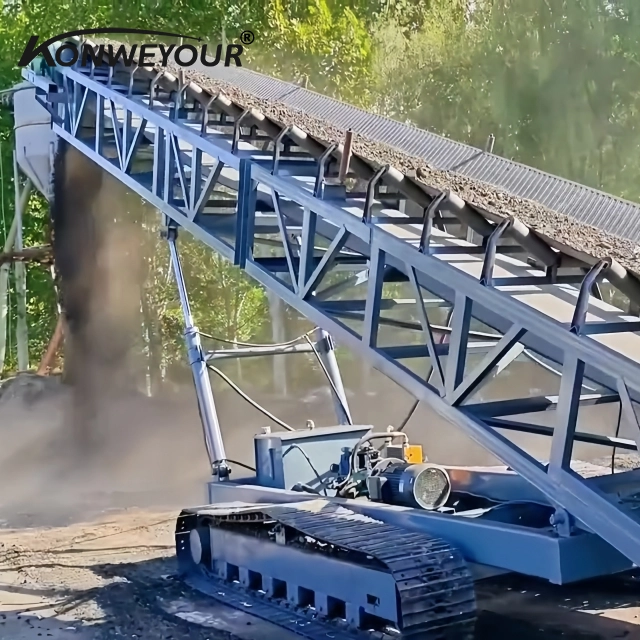
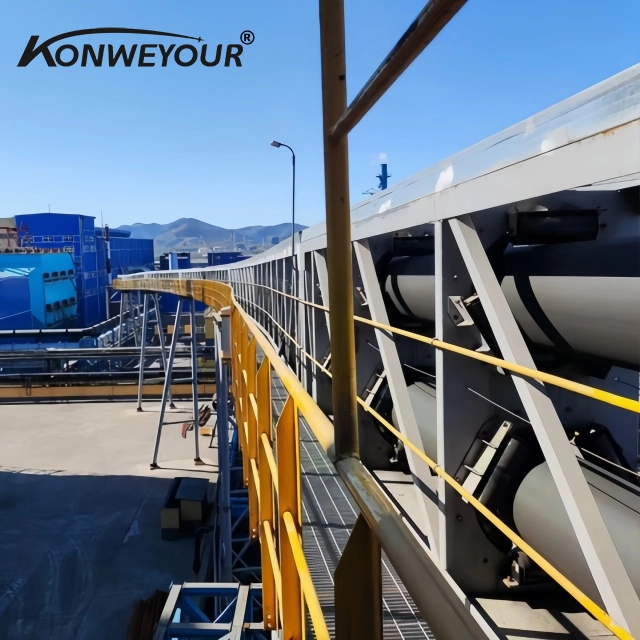
At its core, a metal conveyor is a mechanical system designed to transport items efficiently across short or long distances within industrial or commercial spaces. But why should we care? Well, in real terms, these conveyors form the backbone of manufacturing, warehousing, and many global supply chains. They keep goods moving, connecting production stages and dramatically improving throughput. Without them, the world’s complex logistics and manufacturing networks would grind to a halt.
Understanding metal conveyors means understanding a key component of modern industry — the silent workhorse of factories, ports, and distribution centers spanning continents. They’re not just about efficiency; they’re about enabling economies to function and growing sectors to thrive.
The Global Context: Why Metal Conveyors Are Crucial
Oddly enough, you might not notice conveyor systems unless you stop and think about global trade logistics. According to the International Organization for Standardization (ISO), industrial automation including conveyor technologies contributes significantly toward increasing productivity in manufacturing sectors worldwide (ISO 22400). As economies diversify, the demand for robust, adaptable systems rises.
The World Bank notes that with globalization, supply chains are under more pressure to be faster and more reliable. Metal conveyors address this challenge by streamlining movement of goods from raw materials to finished products.
However, a problem arises especially in emerging markets — often, facilities rely on outdated or underperforming conveyors, which bottlenecks output and raises operational costs. This is a real limitation to growth, so upgrading metal conveyor systems can be a game changer.
Definition & Meaning: What Exactly is a Metal Conveyor?
Metal conveyors are essentially conveyor belts or chains constructed largely from metals like stainless steel or galvanized steel. They differ from their plastic or fabric counterparts by offering superior strength, heat resistance, and durability in harsh environments.
They’re not just a piece of equipment but a vital component in sectors ranging from food processing to mining. More than that, in humanitarian supply chains—think disaster-response scenarios—the reliability of metal conveyors ensures aid gets where it’s most needed without costly delays.
Key Components of Metal Conveyors
- Durability: Metal conveyors are engineered to last, often resisting corrosion, abrasion, and impact.
- Load Capacity: They support heavy, bulky items that plastic belts simply can’t handle.
- Scalability: Modular designs allow them to be integrated into variable-sized operations.
- Maintenance: Though tougher, metal components require routine inspection and lubrication to avoid downtime.
- Environmental Resistance: Well-suited for extremes—high temperature ovens or wet conditions, for instance.
Thanks to these qualities, metal conveyors excel in industries where safety and consistent performance are paramount.
Product Specification Table: Typical Metal Conveyor Features
| Feature |
Specification |
Typical Use |
| Material |
Stainless Steel (304/316) |
Food, pharmaceuticals |
| Belt Type |
Chain, modular metal belt |
Heavy goods, packaging |
| Load Capacity |
Up to 2000 kg/m |
Mining, automotive |
| Temperature Range |
-40°C to +450°C |
Heat treatment, ovens |
| Drive Type |
Motorized, gravity-fed |
Varied industrial settings |
Global Applications & Use Cases for Metal Conveyors
Metal conveyors are everywhere — it’s just that we often don’t see them. In Asia, booming manufacturing sectors in China and India deploy these systems widely to sustain high-volume outputs. In Europe, automotive assembly lines rely heavily on metal conveyors for precision and reliability.
The shipping industry uses metal conveyor belts extensively to move heavy cargo and containers at ports, expediting global trade. Oddly enough, humanitarian organizations have found conveyor technologies useful in large refugee camps or logistics hubs, speeding up distribution of essentials.
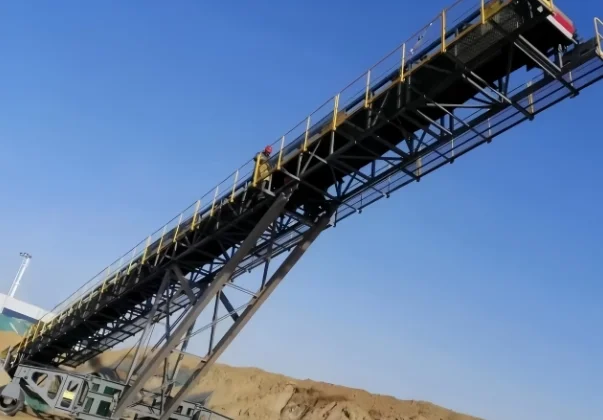
Consider a remote mining operation in Australia: metal conveyors handle raw ore transport over rugged terrain, minimizing reliance on trucks and reducing environmental impact. Meanwhile, food processing plants in the U.S. prefer stainless steel conveyors due to hygiene standards.
Mini takeaway:
From manufacturing hubs to disaster zones, metal conveyors keep goods flowing and operations sustainable.
Advantages & Long-Term Value of Metal Conveyors
The benefits aren’t just technical. They are strategic and even emotional in some cases. Metal conveyors boost efficiency — which translates directly to cost savings. Industries report reduced downtime and maintenance expenses because these units endure tough conditions longer than their plastic or rubber peers.
From a sustainability perspective, metal conveyors are often recyclable and sometimes designed with energy-saving motors or IoT sensors that optimize performance. That’s both wallet-friendly and planet-friendly.
Reliability fosters trust — managers feel confident meeting strict deadlines, teams work safer around sturdy, well-maintained equipment, and supply chains keep running without chaos. Frankly, metal conveyors contribute quietly but indispensably to business continuity and innovation.
Future Trends & Innovations in Metal Conveyor Systems
Looking ahead, technology is reshaping metal conveyors in a few exciting ways:
- Automation Integration: Pairing conveyors with robotics and AI for smarter material handling.
- Advanced Materials: Lighter alloys or coated metals that improve longevity and reduce energy needs.
- Eco-Friendly Designs: Enhanced recycling processes and reduced waste manufacturing.
- Digital Monitoring: IoT sensors providing real-time diagnostics, anticipating repairs before breakdowns.
These trends point toward conveyors becoming more adaptive, connected, and green — aligning with global sustainability goals (UN Sustainable Development Goals).
Challenges & Solutions in Metal Conveyor Deployment
Despite all benefits, challenges remain. Maintenance can be intensive in abrasive environments. Corrosion or metal fatigue is a concern in humid or salty air regions. Plus, initial investment costs for high-grade metal conveyors might deter smaller firms.
Experts suggest:
- Using corrosion-resistant alloys or protective coatings.
- Implementing predictive maintenance with sensor tech.
- Phasing upgrades gradually to spread costs.
- Leveraging modular designs for easier repairs or scalability.
Many engineers emphasize planning conveyor design around real site conditions—not just specs. That tailored approach often solves problems before they arise.
Vendor Comparison: Leading Metal Conveyor Manufacturers
| Vendor |
Material Quality |
Customization Options |
Global Reach |
Average Lead Time |
| JT Conveyor |
High-grade stainless steel |
Fully modular & scalable |
Asia, Europe, Americas |
4-6 weeks |
| Global Belt Co. |
Corrosion-resistant alloys |
Limited customization |
Europe, Middle East |
6-8 weeks |
| Steel Move Ltd. |
Standard industrial steel |
Basic modular options |
North America |
3-5 weeks |
Frequently Asked Questions About Metal Conveyor
1. What makes metal conveyors preferable over plastic belts for heavy industry?
Metal conveyors offer superior strength, higher temperature tolerance, and enhanced durability in demanding environments. Unlike plastic belts, metals withstand abrasive materials and heavy loads without tearing or stretching, making them essential for mining, automotive, and food processing industries where reliability under stress is crucial.
2. How can metal conveyors adapt to complex factory layouts?
Most metal conveyors are built with modular components that allow for easy customization in length, incline, and width. This flexibility means systems can be designed to fit specific workflows or spatial constraints, often incorporating curves, transfers, and lifting sections efficiently.
3. Are metal conveyors easy to maintain and clean?
While metal conveyors are robust, they do require regular maintenance, including lubrication and inspections to prevent corrosion or wear. Stainless steel variants are especially favored in food or pharma due to their hygienic, easy-to-clean surfaces, which also resist contamination.
4. What is the typical lifespan of a properly maintained metal conveyor?
With routine maintenance, metal conveyors can last anywhere from 10 to 20 years or more. Factors like operational environment, load intensity, and maintenance frequency affect longevity.
5. How can small to mid-sized businesses acquire metal conveyor systems cost-effectively?
Small businesses are increasingly able to leverage modular conveyors that offer scalable growth and reduced upfront investment. Financing options, leasing arrangements, or phased upgrades also make acquisition more accessible.
Conclusion: Why Metal Conveyors Are a Smart Investment
In sum, metal conveyors are vital to advancing industries globally. They combine durability, flexibility, and efficiency in a package that supports everything from mass production to humanitarian supply chains. The future looks even brighter with technology pushing these systems toward smarter, greener innovation.
Curious about upgrading your facility’s material handling? Visit JT Conveyor for cutting-edge metal conveyor solutions built for modern industry demands.
It’s fascinating to think how something so mechanical quietly enables entire economies — metal conveyors truly keep the world turning.
References
- ISO 22400 - Automation Systems
- World Bank Industry Data
- UN Sustainable Development Goals