What Is a Wide Conveyor and Why Does It Matter Globally?
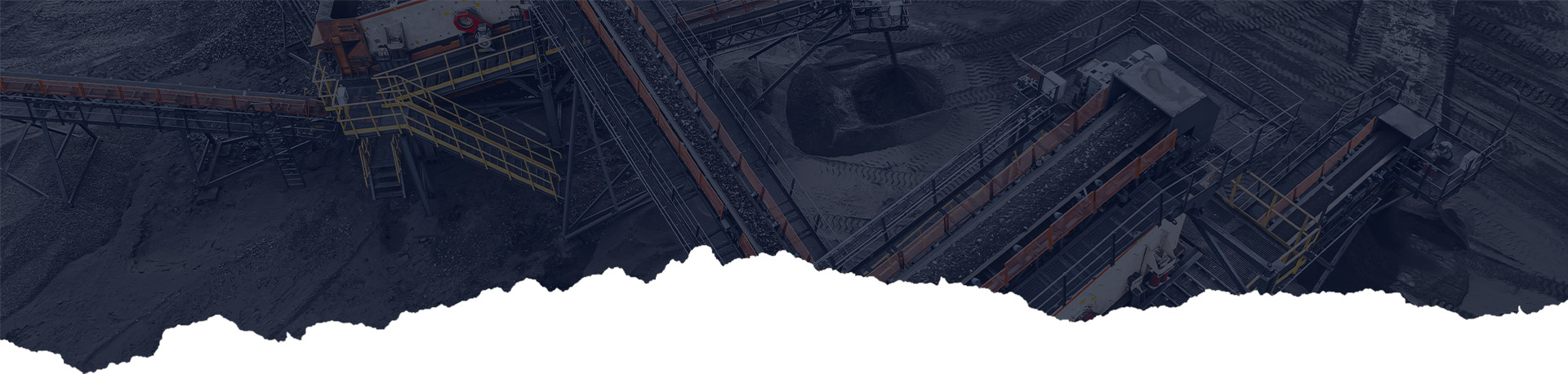
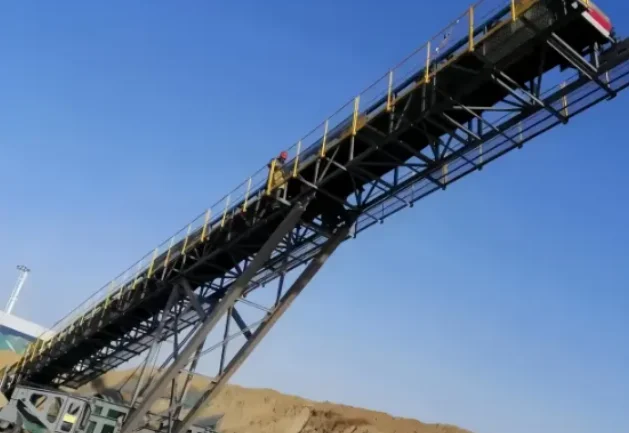
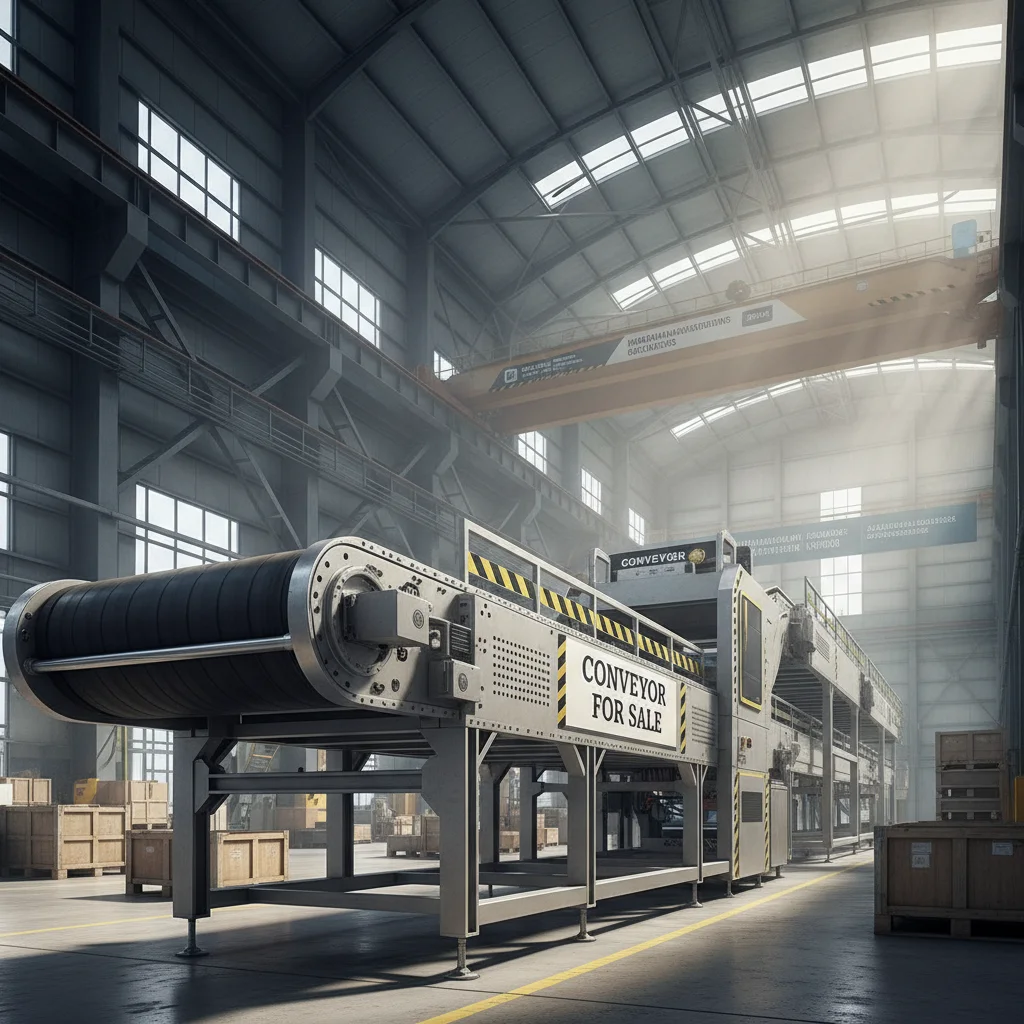
When you think of conveyor systems, you probably imagine simple belts moving small packages in a factory. But the concept of wide conveyor systems shifts that image dramatically. These are robust, expansive conveyor belts designed to transport large, often bulky materials efficiently — think mining, construction, or agricultural industries. Globally, their importance is hard to overstate. With increasing demand for faster, more reliable material handling, wide conveyors play a critical role in streamlining operations, reducing manual labor, and improving supply chain efficiency. Understanding these systems means grasping a piece of modern industrial infrastructure that quietly powers much of the world.
Let's unpack this wide conveyor story—why it's vital, how it works, and where it's heading.
Introduction: The Global Pulse of Wide Conveyors
According to the International Organization for Standardization (ISO), material handling equipment like wide conveyors is essential in enhancing workplace safety and operational productivity. Data from the World Bank highlights that industries reliant on bulk material transport—such as mining and agriculture—contribute approximately 15% to global GDP combined. Efficient conveyors, especially custom wide ones, help keep this machinery moving smoothly.
Yet, industries face challenges: conventional narrow conveyors simply can’t keep up with the volumes or bulky nature of materials like ores, coal, or oversized packaged goods. Enter wide conveyors, providing increased throughput, but raising new questions about durability, energy consumption, and cost.
Defining the Wide Conveyor
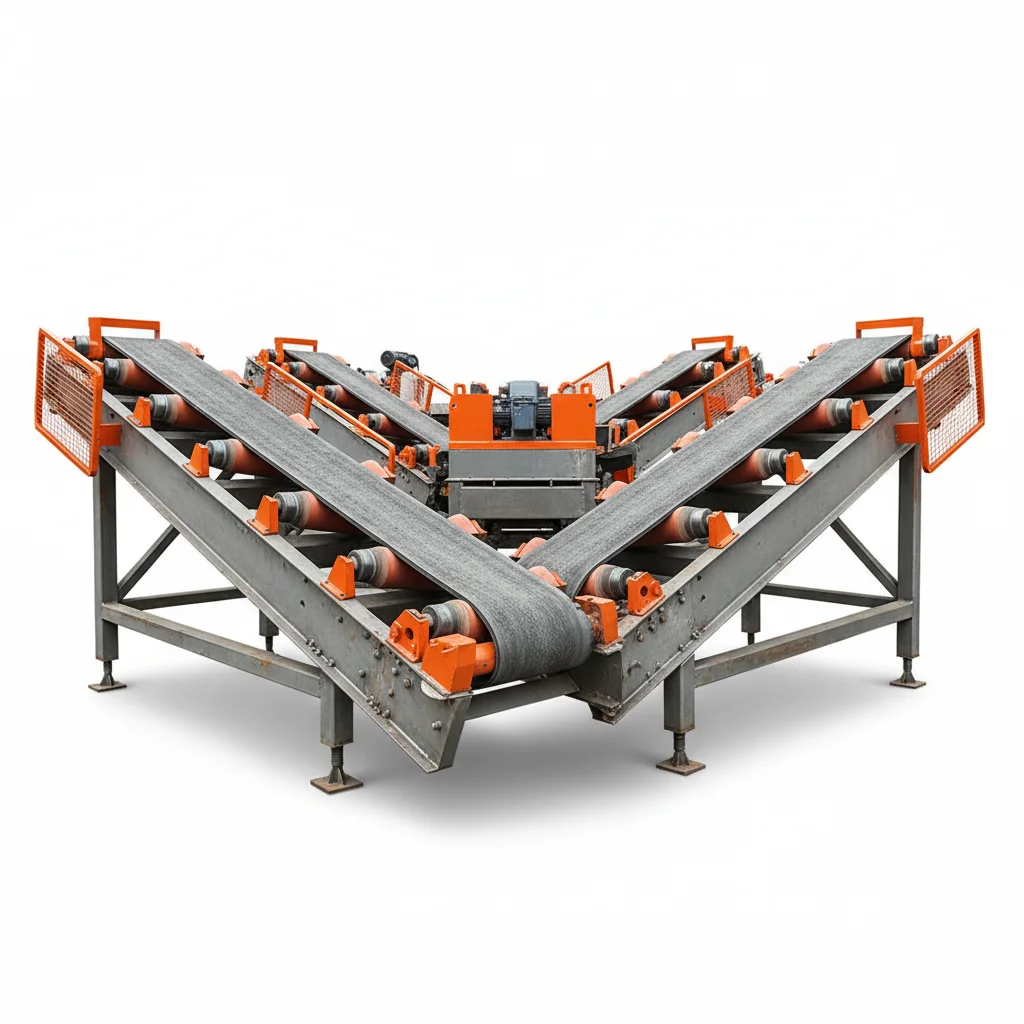
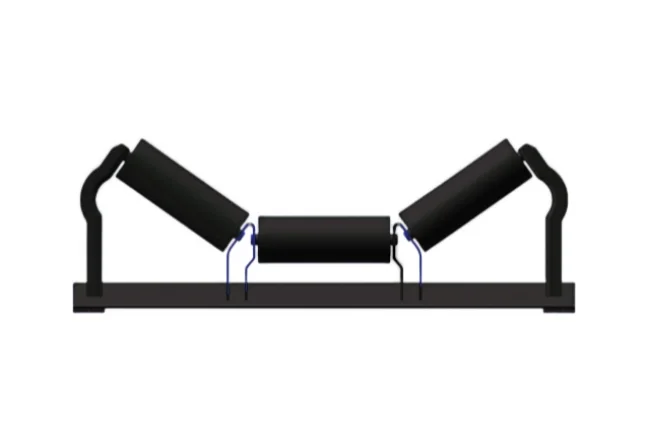
In clear terms, a wide conveyor is any belt conveyor system designed with a belt width significantly greater than conventional ones—often between 1200mm to over 3000mm wide. This design accommodates large and heavy materials, improving volume transfer per cycle.
They're not just factory staples; wide conveyors have found a place in humanitarian logistics too—think post-disaster recovery sites where quick material movement can be lifesaving. So, broadly, a wide conveyor is a backbone in modern industry and crisis management alike.
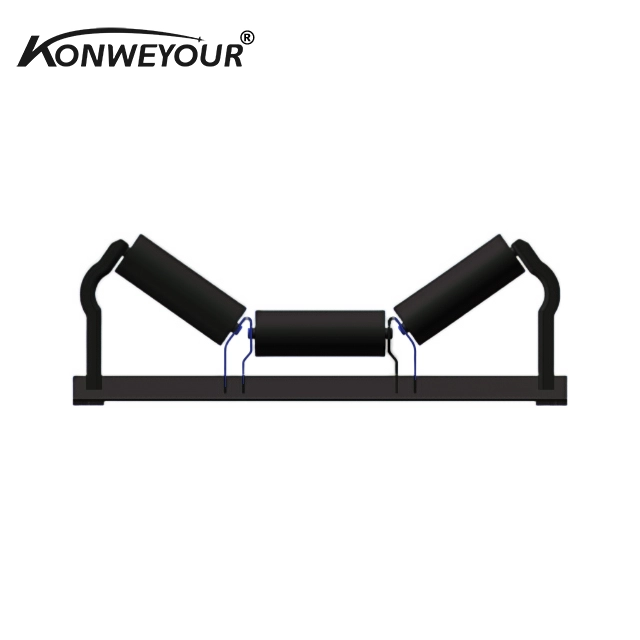
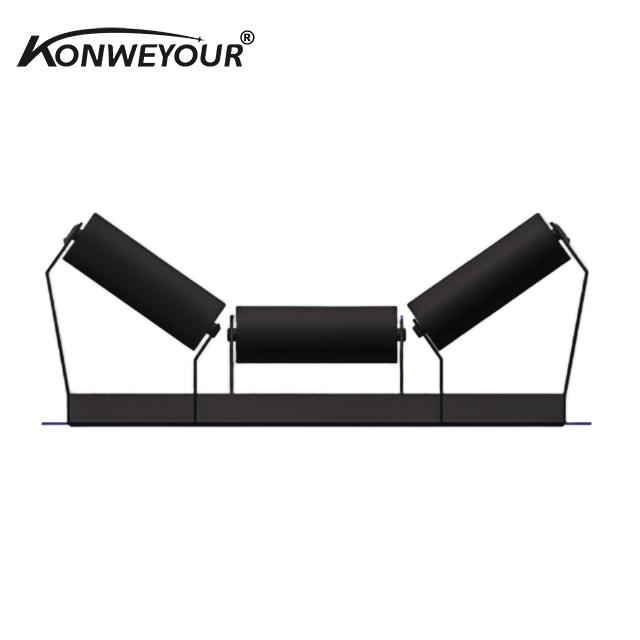
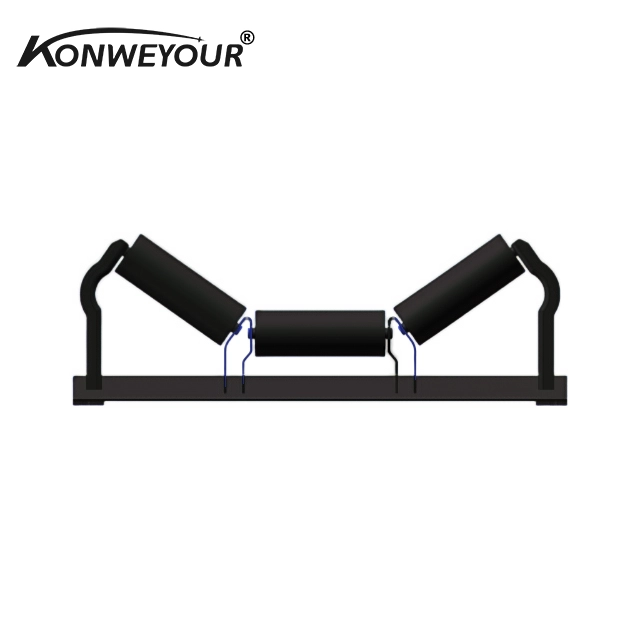
Core Components of Wide Conveyors
- Durability: These conveyors face challenging environments—abrasive particles, weather, heavy loads. Materials like reinforced rubber belts and steel frames are non-negotiable for longevity.
- Scalability: Systems must flexibly expand or contract to meet fluctuating production volumes. Modular design elements enable this adaptability.
- Cost Efficiency: Although upfront investment is higher, optimized wide conveyors reduce labor expenses and downtime, paying off long-term.
- Energy Consumption: Modern drives and controls minimize waste, increasingly integrating green energy sources for sustainability.
- Maintenance Accessibility: Ease of inspection and repair is crucial to minimize operational hiccups on large belts.
Each aspect intertwines in practical use — durability keeps systems running, scalability meets demand, cost efficiency ensures business viability, and energy considerations answer the climate call.
Wide Conveyor Specifications at a Glance
| Specification |
Typical Range |
Notes |
| Belt Width |
1200mm - 3500mm+ |
Wider belts handle bulky or large-volume materials |
| Load Capacity |
Up to 3000 t/h |
Depends on belt speed and material density |
| Belt Speed |
0.5 - 5 m/s |
Variable based on application |
| Motor Power |
10 - 150 kW |
High power needed for heavy loads |
| Material |
Reinforced rubber, PVC, steel cord |
Material choice depends on durability and load |
Global Applications & Use Cases
Wide conveyors shine in industries where volume and bulky materials dominate. In mining hubs of Australia and South Africa, these belts move tons of ore seamlessly. In agricultural powerhouses like the US Midwest or Argentina, wide conveyors efficiently transport crops from fields to storage.
Oddly enough, emergency relief organizations also find them invaluable. In post-disaster relief operations, rapid material movement is crucial—wide conveyors expedite the transport of debris, supplies, and aid materials across sprawling affected sites.
Remote industrial zones like Siberia’s oil fields or Canadian lumber camps rely heavily on rugged wide conveyors too, since trucking is often expensive or impractical.
For an adventurous read on conveyor evolution, the Wikipedia page on conveyor belts offers surprisingly detailed history and usage notes.
Vendor Comparison Table: Wide Conveyor Providers
| Vendor |
Product Range |
Customization |
Global Reach |
Notable Feature |
| JT Conveyor |
Wide conveyors 1200-3500mm |
High - modular approaches |
Asia, Americas, Europe |
Energy optimized drives |
| MegaBelts Inc. |
Custom width wide belts |
Medium - standard options |
Global |
Fast installation kits |
| ConveyPlus |
1200-3000mm belts with sensors |
High - IoT integration |
Europe, North America |
Predictive maintenance tech |
Advantages & Long-Term Value of Wide Conveyors
The tangible benefits of wide conveyors are numerous. They streamline operations by handling large volumes without bottlenecks—a serious cost saver. Their durability means fewer shutdowns and maintenance calls. Also, by automating material handling, workplaces become safer, reducing accidents and protecting workers’ dignity.
On a sustainability front, new conveyor drives are more energy efficient, lowering carbon footprints. Using fewer trucks on roads reduces emissions further. Frankly, they represent a fusion where productivity meets responsibility, an intersection industries strive for.
Future Trends & Innovations
- Digital Automation: Smart sensors and IoT-enabled controls allow real-time monitoring and fault prediction.
- Green Energy Integration: Solar panels and regenerative drives reduce power dependency.
- Advanced Materials: Lightweight but strong composites for belts minimizing energy use.
- Modular Systems: Quicker deployment and easier scaling respond to urgent project demands.
These trends align with global sustainability goals set by bodies like the UN’s Sustainable Development Goals, especially affordable and clean energy (#7) and industry innovation (#9).
Challenges & Expert Solutions
Of course, all rose gardens have thorns. Wide conveyors can be expensive upfront, require space, and sometimes face operational constraints in rugged terrains. Uneven belt wear or material spillage remains an issue.
Experts recommend thorough site assessments, modular designs for flexible layouts, and investing in predictive maintenance tools to address these. Plus, collaboration with reliable vendors ensures custom solutions rather than one-size-fits-all.
FAQ: Frequently Asked Questions About Wide Conveyor
- What industries benefit most from wide conveyor systems?
- Mining, agriculture, construction, and logistics sectors largely rely on wide conveyors due to their ability to handle large volumes and bulky materials efficiently.
- How does a wide conveyor improve safety at industrial sites?
- By automating the transport of heavy or hazardous materials, wide conveyors reduce manual handling and the risk of worker injury, enhancing overall site safety.
- Are wide conveyors energy intensive compared to smaller systems?
- While they consume more power due to size, advances in energy-efficient motors and drives mitigate this, often making wide conveyors more sustainable per ton of material moved.
- Can wide conveyors be customized for unusual terrain or climates?
- Absolutely. Vendors like wide conveyor providers offer modular and weather-resistant designs tailored for extreme conditions.
- What is the typical lifespan of a wide conveyor belt?
- With proper maintenance, belts can last 8-12 years or more, depending on material abrasiveness and operational rigor.
In Conclusion: Why Wide Conveyors Matter
The wide conveyor system is more than just industrial machinery; it’s a critical enabler of efficiency, safety, and sustainability worldwide. Whether moving tons of ore in a mine or facilitating emergency relief supplies, these conveyors form essential arteries of modern infrastructure. For those looking to enhance operations with reliable, eco-conscious solutions, exploring options from trusted suppliers like wide conveyor specialists is a great next step.
Ready to upgrade your material handling? Visit https://www.jtconveyor.com to discover tailored wide conveyor solutions today.
In the end, it’s the quiet, steady workhorses like wide conveyors that keep the world turning.
References
- ISO 5048:1985 – Conveyor belts
- United Nations Sustainable Development Goals
- World Bank Industry Overview