The Rise of the Fast Conveyor: What It Means for Industry and Beyond
Conveyor systems, particularly fast conveyors, might not grab headlines like electric cars or AI, but they quietly power much of the modern world's supply chains, manufacturing floors, and even disaster relief efforts. Globally, their importance is only growing as industries and humanitarian organizations strive to move goods faster, more reliably, and more sustainably. Understanding what makes a fast conveyor tick and why it matters can unlock competitive advantages, reduce costs, and even save lives in critical moments.
Introduction: Why the Fast Conveyor Is a Global Game-Changer
According to the International Organization for Standardization (ISO), industrial automation systems, including conveyors, contribute to reducing production inefficiencies worldwide. Fast conveyors—designed to move materials rapidly and with minimal downtime—are instrumental in logistics hubs, factories, and even airport baggage handling facilities. According to a World Bank study, logistics costs can make up 20-30% of the final product price in developing countries. Faster conveyors directly reduce these costs by accelerating throughput.
Yet, many industries continue to face bottlenecks caused by legacy conveyor systems that can’t match the speed or adaptability required. This friction slows down production lines and complicates meeting growing consumer demand. In humanitarian scenarios, the story is even starker: delivering aid quickly in disaster zones can hinge on the efficiency of material handling equipment.
What Is a Fast Conveyor?
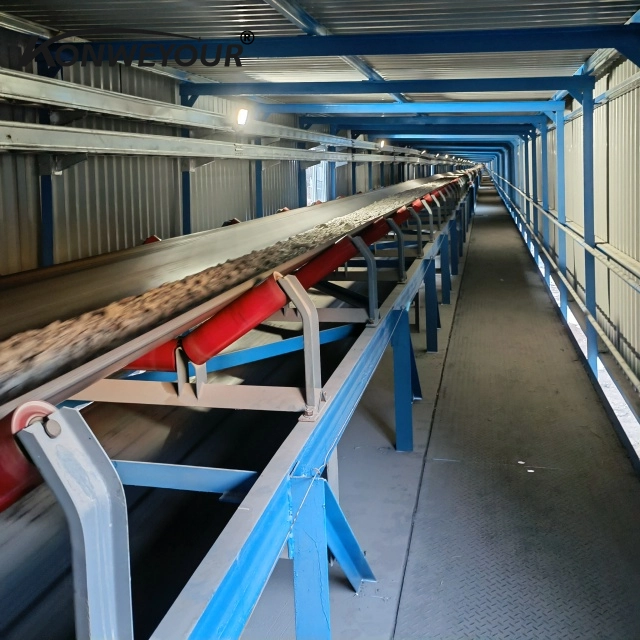
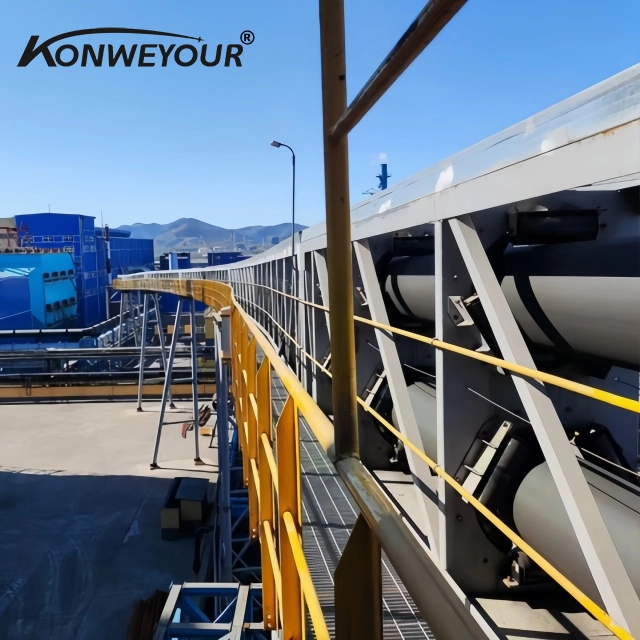
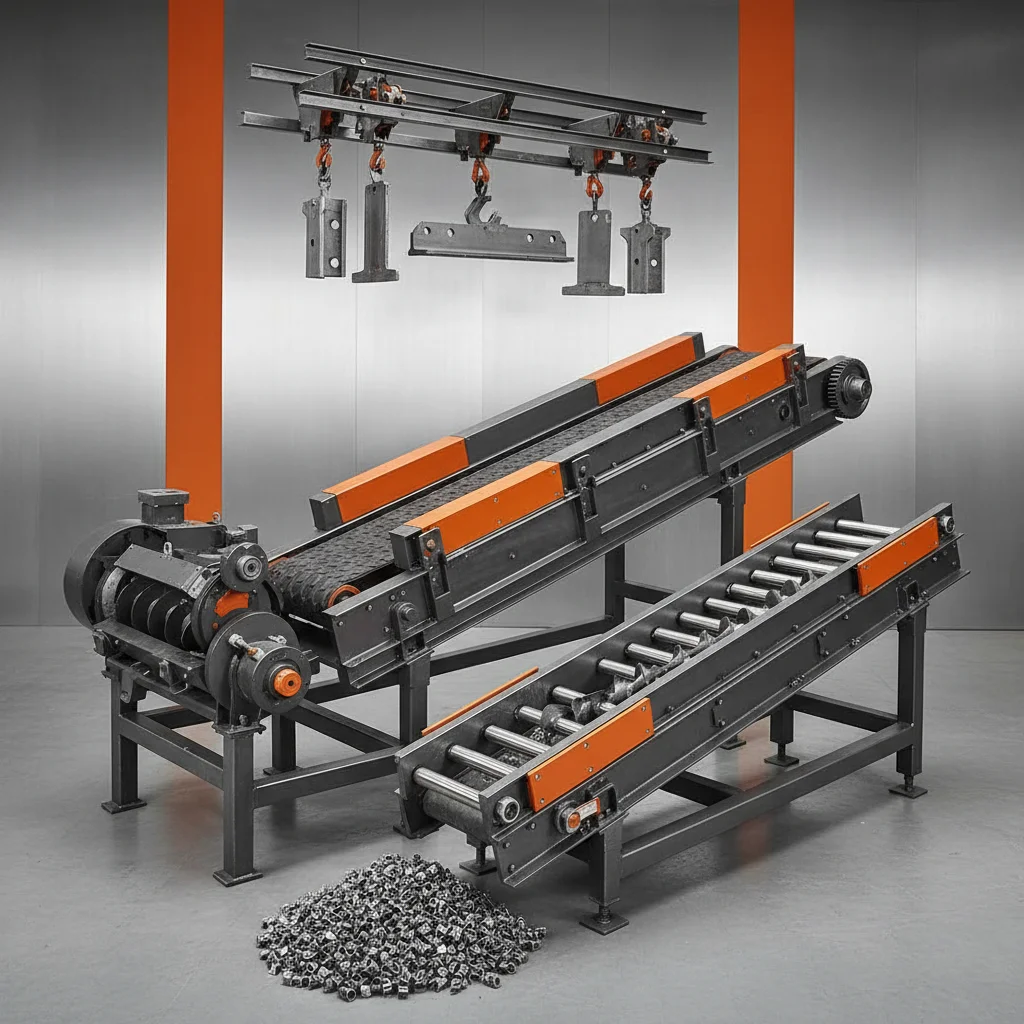
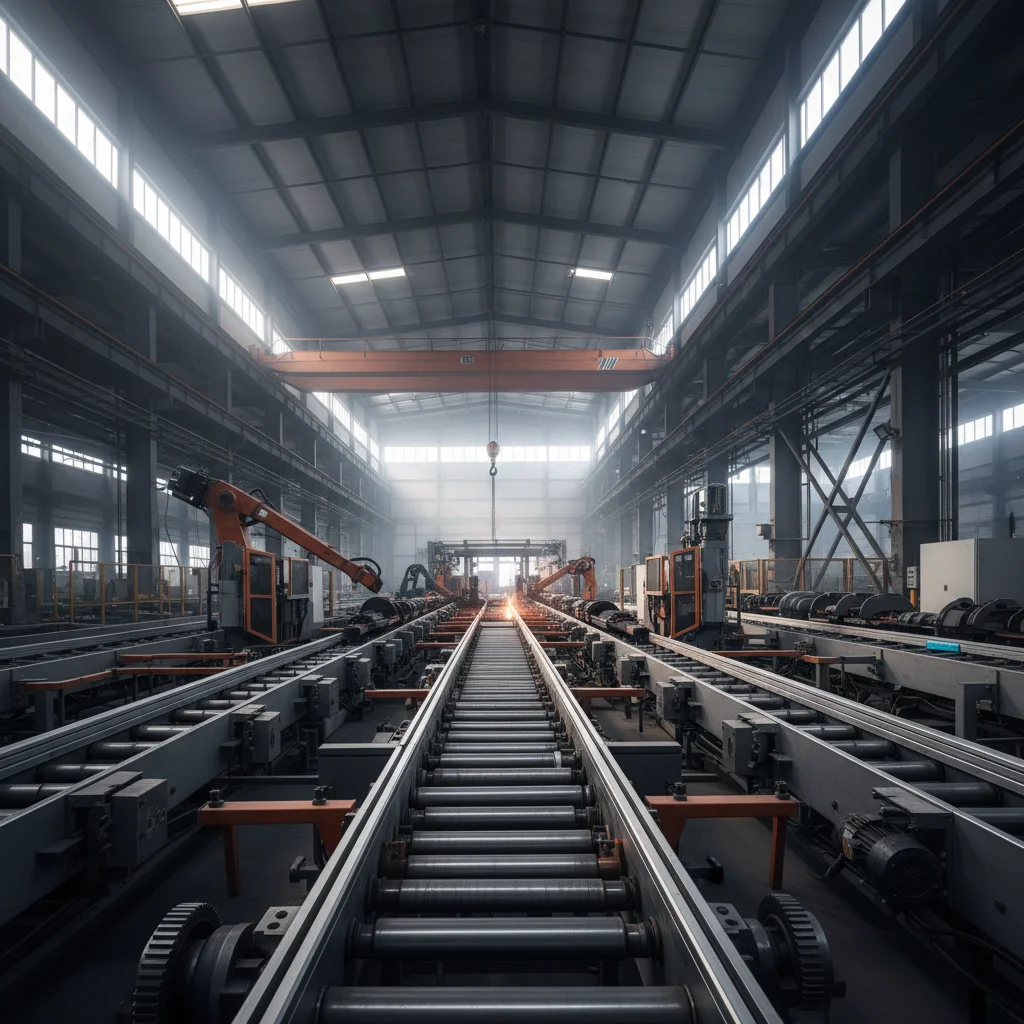
At its core, a fast conveyor is a mechanical system designed for swift material or product transportation within a limited area — think warehouses, factories, and even shipping terminals. Unlike traditional conveyors, fast conveyors emphasize high-speed movement without sacrificing safety or durability. They integrate advanced motors, sensors, and controls to optimize flow and minimize jams or errors.
But it’s not just about speed. These systems often tie into broader automation networks, making them a backbone component in the modern “smart factory” or “Industry 4.0” landscape. From assembly lines producing electronics to distributing medical supplies in remote regions, fast conveyors are the unseen heroes that keep materials flowing seamlessly.
Core Components and Key Factors of Fast Conveyors
1. Durability
Fast conveyors have to withstand constant use—often 24/7 in high-throughput environments—without frequent breakdowns. Materials like hardened steel frames and abrasion-resistant belts are common to ensure longevity.
2. Scalability
Leading manufacturers design conveyor systems that easily expand or modify to accommodate changing production volumes or facility layouts. Modular designs help companies adapt quickly.
3. Cost Efficiency
Though initial investment can be higher than standard conveyors, fast conveyors typically reduce operating costs by speeding up workflows, cutting labor, and lowering maintenance requirements.
4. Safety and Control Systems
Speed without control invites accidents. Modern fast conveyors include safeguards such as emergency stops, light curtains, and automated sensors to protect workers and minimize downtime.
5. Energy Efficiency
Increasingly important is reducing energy consumption. Variable frequency drives (VFDs) and regenerative braking help fast conveyors minimize waste while maintaining performance.
Technical Specifications of a Typical Fast Conveyor
| Specification |
Typical Value |
| Belt Speed |
2.5 - 5 m/s |
| Load Capacity |
Up to 500 kg per meter |
| Motor Type |
Brushless DC or AC induction |
| Energy Consumption |
0.5 - 1 kW per meter |
| Safety Features |
Sensors, emergency stops, light curtains |
Global Applications and Real-World Use Cases
Fast conveyors are everywhere, from sprawling Amazon fulfillment centers in the U.S. to manufacturing hubs in Southeast Asia. Oddly enough, they are also vital in unexpected places:
- Disaster relief operations: NGOs rely on rapid conveyor setups to move supplies quickly out of airports or ports and into trucks or tents.
- Remote mining sites: Fast conveyors reduce reliance on large crews by automating ore transport.
- Food and beverage: High throughput preserves freshness and meets tight food safety regulations, especially important in Europe and Japan.
- Healthcare logistics: Hospitals and pharmaceutical warehouses use fast conveyors for critical delivery of medicines and devices.
Regions with growing e-commerce—like India and Latin America—have adopted fast conveyors aggressively to meet soaring demand.
Mini Takeaway:
Fast conveyors erase time and distance barriers in industries worldwide, speeding up everything from consumer goods delivery to humanitarian aid.
Advantages and Long-Term Value of Fast Conveyors
Logistically, they improve throughput and reduce labor costs. Emotionally and socially, they empower companies and organizations to innovate and deliver without compromising worker safety. Sustainability-wise, their improved energy efficiency and longer lifespans lower environmental footprints. The reliability these systems bring translates into trust—trust from clients, partners, and consumers alike.
Fast Conveyor Vendor Comparison
| Vendor |
Max Speed (m/s) |
Safety Features |
Typical Industries |
Energy Efficiency |
| ConveyTech Solutions |
5.0 |
Advanced sensors, auto shutdown |
Pharmaceuticals, e-commerce |
High (VFD motors) |
| RapidMove Inc. |
4.2 |
Emergency stops, light curtains |
Food & beverage, logistics |
Medium |
| SpeedLine Conveyors |
5.5 |
Light curtains, real-time monitoring |
Automotive, heavy industry |
High |
Future Trends and Innovations in Fast Conveyor Technology
Looking ahead, conveyors will become smarter and greener. Integration with AI and IoT will enable predictive maintenance and adapt conveyor speeds dynamically to workload variations. Some innovative firms explore using recyclable materials for belts and frames, aiming for a circular economy impact. Also, solar-powered conveyor systems are under experimentation, especially in off-grid industrial zones.
Digital twin technology allows engineers to simulate conveyor designs and workflows before committing to physical build-outs — cutting costs and boosting optimization. Automation will continue edging out manual labor from hazardous or repetitive tasks, thereby increasing workplace safety and product quality.
Challenges and How Experts Suggest Overcoming Them
Fast conveyors face challenges like initial cost barriers, maintenance complexity, and integration with legacy systems. Some say the steep learning curve to operate these advanced systems discourages smaller firms.
Experts recommend modular designs for easy upgrades and comprehensive training programs. Also, partnering with vendors offering strong after-sales support mitigates downtime. Open industry standards can smooth integration hurdles.
FAQs About Fast Conveyors
- What industries benefit most from fast conveyors?
- Industries with high throughput demands—like e-commerce, food processing, pharmaceuticals, and automotive manufacturing—see the greatest advantages with fast conveyors.
- How do fast conveyors improve workplace safety?
- They incorporate safety sensors, emergency stops, and controlled speed settings that reduce manual handling risks and prevent accidents caused by jams or operator errors.
- Can fast conveyor systems be customized?
- Absolutely. Most suppliers offer modular conveyor designs that can be tailored for specific load types, environmental conditions, and integration with other automated systems.
- What maintenance do fast conveyors require?
- Regular inspections of belts, motors, and sensors are vital. Predictive maintenance using IoT sensors can detect wear before failures occur, reducing unplanned downtime.
- Are fast conveyors energy efficient?
- Modern conveyors use technologies like variable frequency drives and regenerative braking to minimize energy use while maintaining performance. This improves sustainability and cuts operational costs.
Conclusion: Embracing the Speed and Reliability of Fast Conveyors
Frankly, fast conveyors represent a quiet revolution in how goods, materials, and aid move. They save time and costs, reduce environmental impact, and enable industries and organizations worldwide to act with greater agility. If your operations depend on efficient material handling, it’s worth exploring today’s fast conveyor options—we have a reliable selection fast conveyor solutions that could transform your workflow.
Visit our website and take the first step toward a faster, safer, and more efficient conveyor system.
Final Thought:
Mastering fast conveyors isn't just about speed; it's about building trust, resilience, and future-proof industrial success.
References
- International Organization for Standardization (ISO)
- World Bank - Transport and Logistics
- Wikipedia - Conveyor Belt