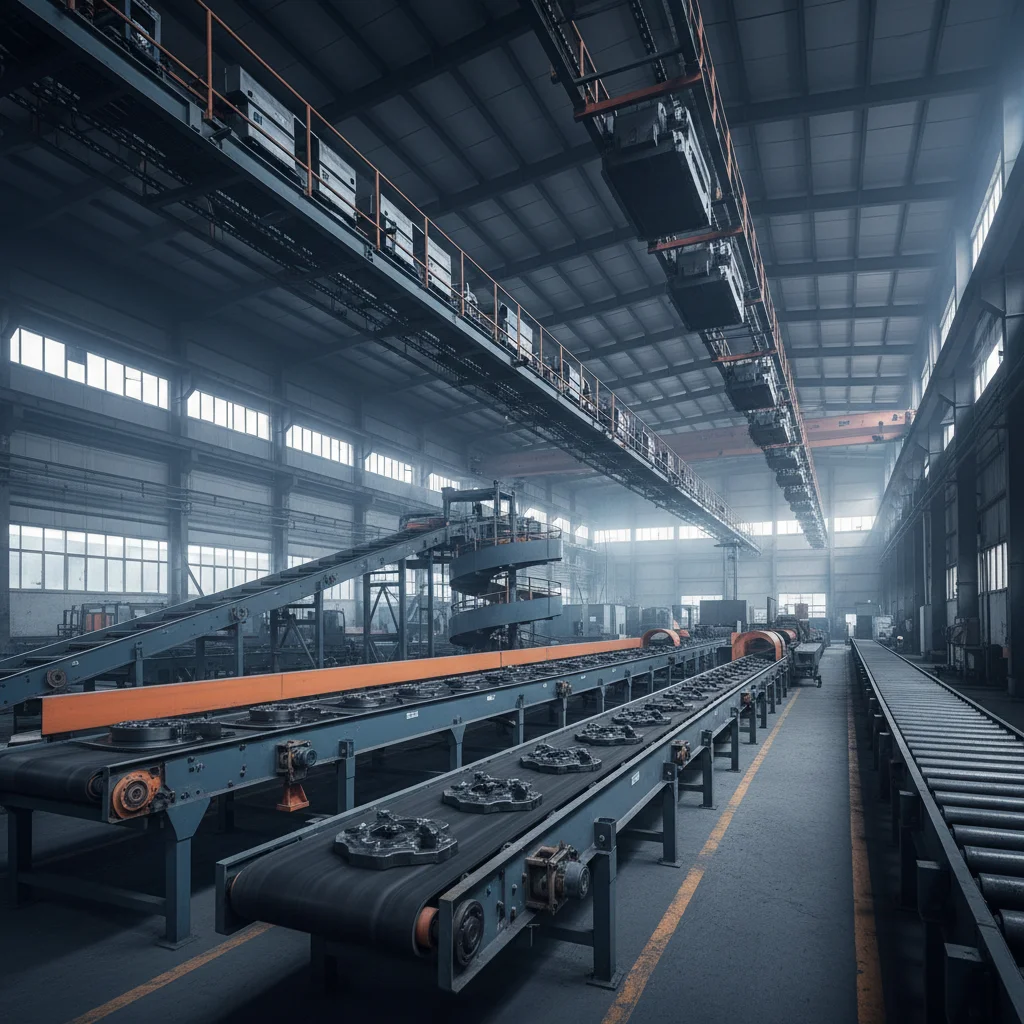
Drive Drum Conveyor: The Backbone of Modern Material Handling
In today’s fast-paced industrial landscape, the drive drum conveyor is an unsung hero. It quietly powers the movement of materials across plants, warehouses, mining sites, and beyond. Understanding this key component reveals not just a bit of machinery knowledge but opens the door to improved efficiency, safety, and sustainability — critical factors whether you run a large manufacturing line or a humanitarian supply chain.
Global Context: Why Drive Drum Conveyors Matter
Material handling systems globally contribute massively to economic output. According to the International Organization for Standardization (ISO), nearly 70% of manufacturing downtime relates to problems in material transport — a problem drive drum conveyors help solve. The global conveyor system market was valued at over $6 billion in 2023 and is expected to keep growing, driven by industrial automation and logistics demand.
Yet, in many developing regions, inefficient or outdated conveyor technology introduces bottlenecks that can delay critical projects — such as mining operations or post-disaster relief logistics. That’s precisely where modern, reliable drive drum conveyors affect global industries: improving throughput and reducing costs across the supply chain.
What Is a Drive Drum Conveyor?
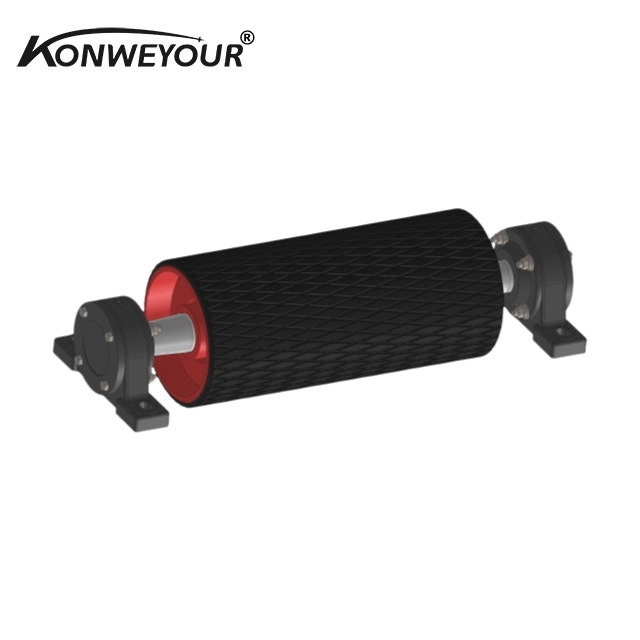
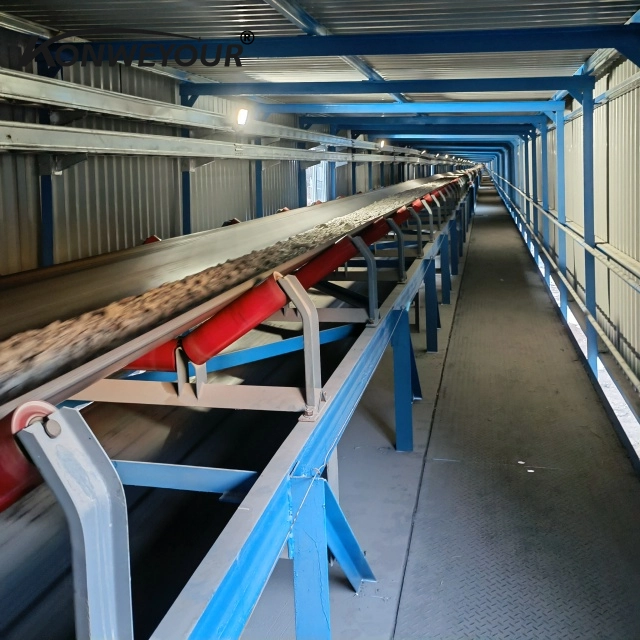
At its core, a drive drum conveyor is a conveyor belt system propelled by a powered cylindrical drum (the drive drum) that rotates and moves the belt carrying materials. The drum’s motorized action controls belt speed and direction, making it fundamental to systems ranging from small factory lines to sprawling bulk material operations.
It’s a deceptively simple concept, yet its design and implementation affect everything from energy consumption to maintenance intervals. For humanitarian needs, like disaster relief supply chain setups, these conveyors ensure expedient and safe material transit where manual handling simply won’t scale.
Core Components and Key Factors
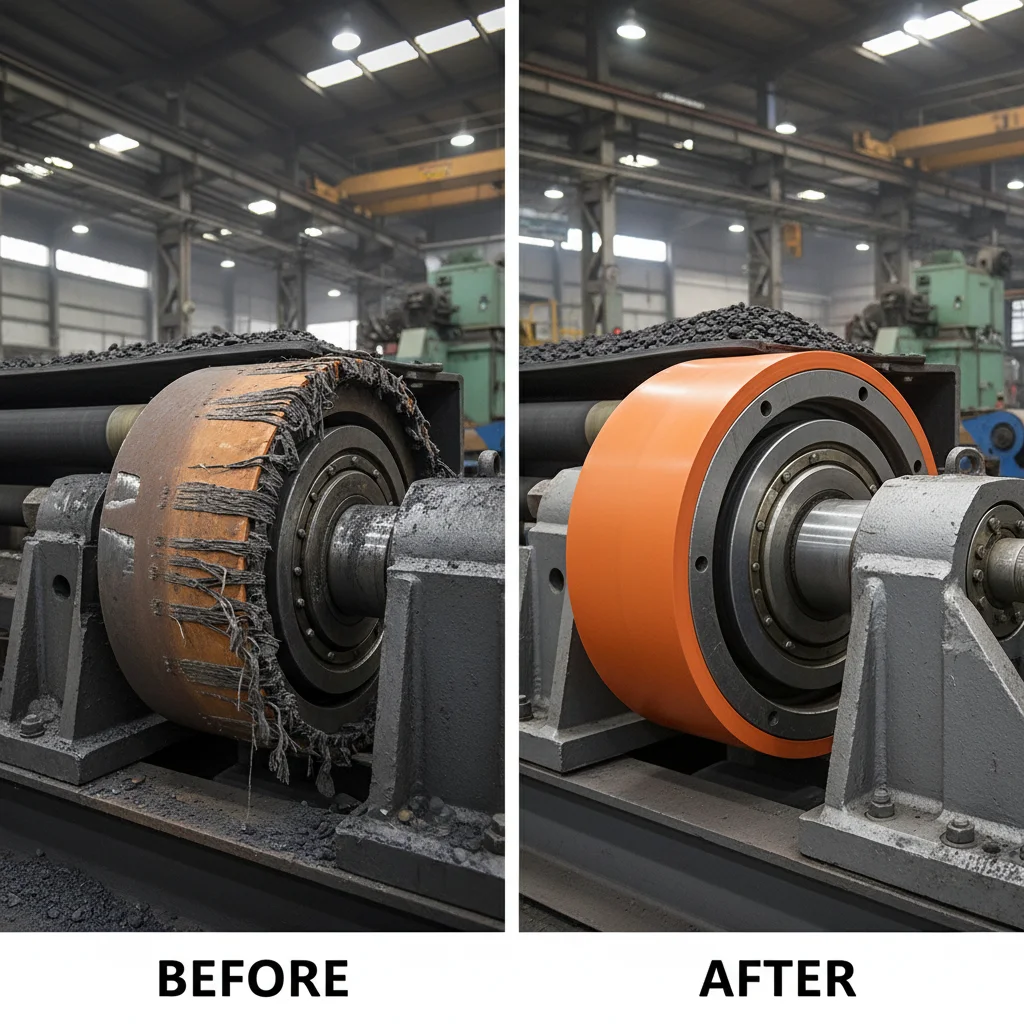
- Durability: Drive drums need robust construction—often steel with specialized coatings—to withstand abrasive or heavy loads, ensuring longevity even in harsh environments.
- Power & Efficiency: Motors must balance adequate torque with energy efficiency, avoiding excess wear and keeping operational costs low.
- Scalability & Customization: Systems vary in size and load capacity; many conveyors are modular for easy expansion or redesign.
- Safety Features: Emergency stops, guards, and monitoring sensors minimize risks during operation.
- Maintenance Accessibility: Designs that simplify inspection and component replacement directly impact uptime.
- Environmental Resistance: For outdoor or mining use, weatherproof and corrosion-resistant materials are crucial.
Each of these factors plays out in real use: for example, a mining site’s drive drum conveyor faces intense abrasion and must resist dust infiltration, while a food packaging line requires hygienic surfaces and gentle handling.
Sample Product Specification Table
| Specification |
Value/Range |
Notes |
| Drive Drum Diameter |
300mm–1200mm |
Depends on load and belt size |
| Motor Power |
1.5 kW – 22 kW |
Variable frequency drive common |
| Material |
Carbon steel / Stainless steel |
Corrosion resistance for outdoor use |
| Belt Speed |
0.5 – 3 m/s |
Adjustable according to load |
| Max Load Capacity |
Up to 10,000 kg |
Heavy-duty options available |
Global Applications: Real-World Use Cases of Drive Drum Conveyors
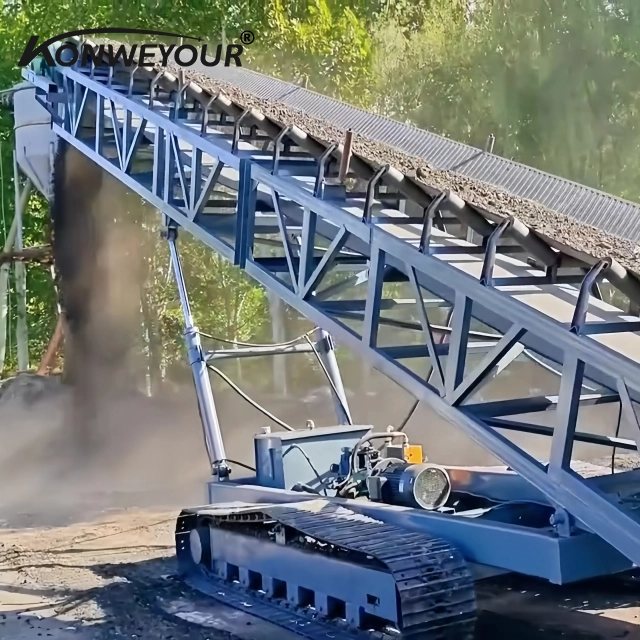
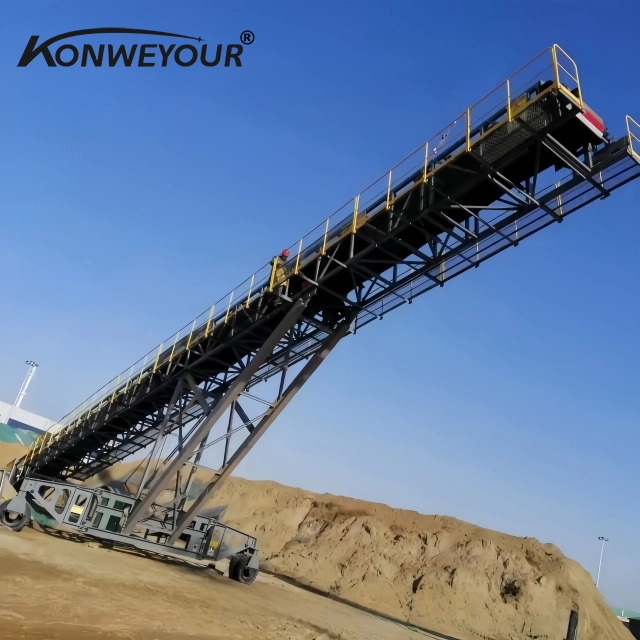
It’s fascinating to see how diverse the uses for drive drum conveyors have become worldwide. In industrial hubs like Germany and Japan, they’re embedded in automated assembly lines producing everything from cars to circuit boards. Meanwhile, in Australian mining districts, massive conveyors powered by drive drums haul coal and ores minutes away from excavation sites, streamlining exports.
Intriguingly, in post-disaster scenarios such as earthquake zones in Nepal or flood-stricken regions in Southeast Asia, NGOs leverage portable drive drum conveyors to move relief materials quickly. Their modularity and reliability can mean the difference between supplies reaching survivors on time or being delayed.
For anyone interested in exploring specific applications, there’s lots to learn from drive drum conveyor suppliers who cater to different markets — offering custom solutions tuned to user needs.
Vendor Comparison Table
| Feature |
Vendor A |
Vendor B |
Vendor C |
| Drive Drum Durability |
Hardened steel with rubber lagging |
Stainless steel, corrosion-resistant |
Standard steel, customizable coating |
| Power Range |
3-15 kW |
1.5-10 kW |
2-22 kW |
| Customization Level |
High |
Medium |
Low |
| Lead Time |
4-6 weeks |
2-3 weeks |
6-8 weeks |
| Warranty |
2 years |
1 year |
3 years |
Advantages & Long-Term Value
Frankly, drive drum conveyors tick many boxes in the long term. They reduce labor intensity, which directly impacts workplace safety and allows human workers to focus on higher-value tasks. The consistent, controlled movement minimizes product damage. From a sustainability perspective, energy-efficient motors and durable materials mean fewer replacements and lower power bills, fostering greener operations.
There's also an emotional aspect — reliability builds trust with clients and employees. It’s reassuring to know this mechanical heart won't suddenly fail mid-operation. Many companies find these conveyors raise their own innovation cred, helping attract talent who want to work at forward-thinking firms.
Emerging Trends & Innovations
Watch closely and you’ll see interesting growth areas: several manufacturers are integrating smart sensors that constantly monitor drum wear and belt tension, sending alerts before breakdowns. Green energy options are underway too, with solar-powered or regenerative drive motors trimming environmental impact.
Digital transformation shows up in how drive drum conveyors integrate into wider Industry 4.0 systems, linking to factory floor analytics and remote maintenance dashboards. Oddly enough, this intersection of robotics and basic mechanical design is revitalizing what used to be "basic" conveyor elements.
Challenges and How to Overcome Them
That said, conveyor systems powered by drive drums aren’t perfect. Belt slippage, drum misalignment, or motor overheating can cause downtime. Equipment fatigue from constant heavy loading also remains a risk. But solutions abound — periodic professional inspections, improved drum lagging materials, and adaptive motor controls lower these issues.
Many engineers stress the importance of proper installation and training to maximize lifespan and reliability. Regularly updated maintenance protocols can transform vulnerable points into strong suits.
FAQs About Drive Drum Conveyors
- Q: How do you choose the right size of a drive drum conveyor for my operation?
A: Consider your product type, load capacity, and transport distance. Consulting with suppliers about drum diameter and motor power helps optimize the system to your needs.
- Q: What maintenance is required for drive drum conveyors?
A: Routine belt inspection, lubrication of bearings, checking motor operation, and lagging integrity are typical. Maintenance frequency depends on operation intensity.
- Q: Can drive drum conveyors be customized for harsh environments?
A: Absolutely. Specialized coatings, stainless steel drums, and sealed motors or enclosures help adapt conveyors to extreme temperatures, moisture, and dust.
- Q: Are there eco-friendly options for these conveyors?
A: Yes, many vendors offer energy-efficient motors, regenerative braking, and materials designed for recyclability — reducing environmental footprint.
- Q: How quickly can a drive drum conveyor be installed and operational?
A: Depending on scale and complexity, setup can range from a few days to several weeks. Pre-fabricated modular systems speed this process considerably.
Conclusion: The Essential Role of Drive Drum Conveyors
In wrapping up, drive drum conveyors are far more than just mechanical wheels turning in industrial shadows. They represent a confluence of engineering savvy, operational efficiency, and global value. From high-tech manufacturing plants to grassroots humanitarian efforts, they move the world’s materials quietly but decisively.
If you’re involved in any sector that relies on material transport, it’s worth diving deeper into specific models and expert advice. For a trusted source of high-quality, customizable drive drum conveyor solutions, visit https://www.jtconveyor.com and explore innovations designed for your needs.
Remember: efficient supply chains rely on components like these — it pays to know your conveyors well.
Mini takeaway: The drive drum conveyor is a versatile, critical technology that improves safety, efficiency, and sustainability across countless industries worldwide.
References
- ISO - International Organization for Standardization
- Conveyor system - Wikipedia
- World Bank Industry Data