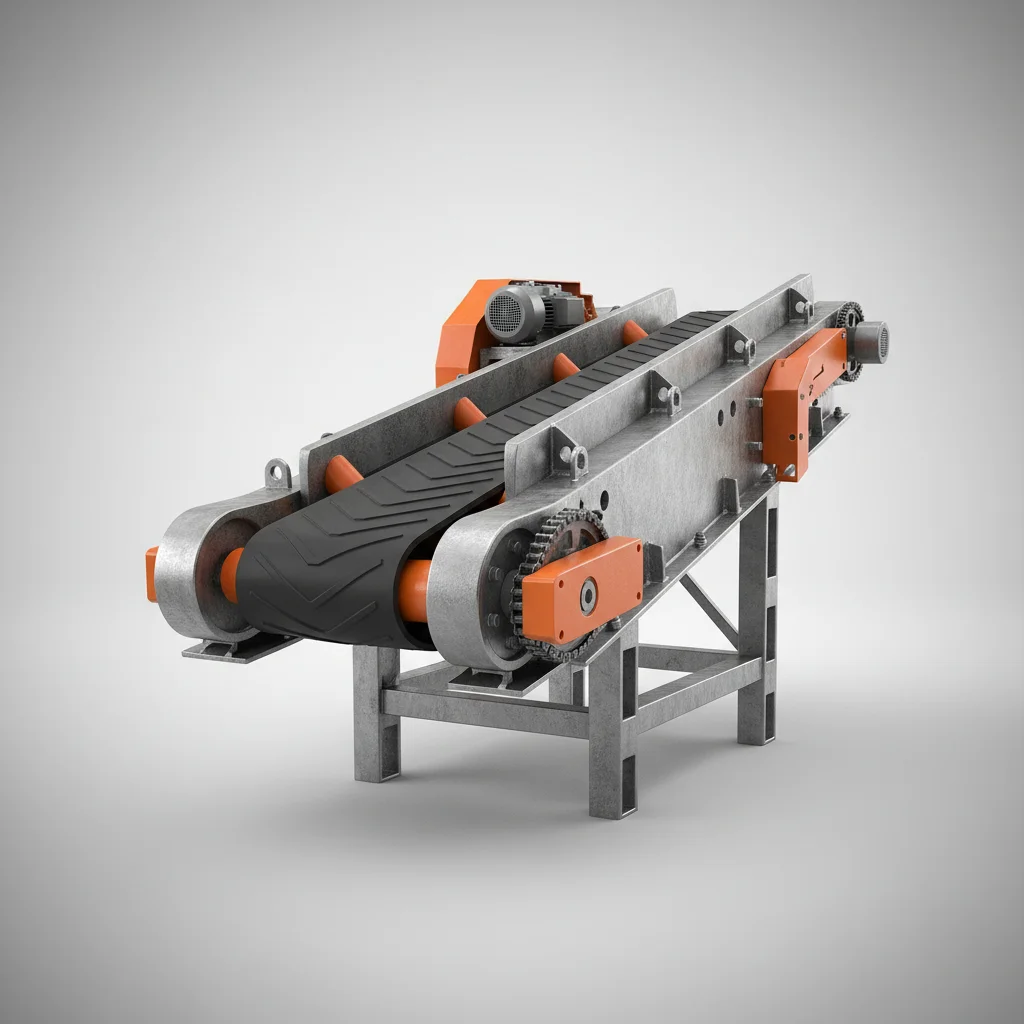
Understanding Incline Conveyor Systems: The Backbone of Modern Material Handling
Incline conveyor systems are everywhere—even if we don’t always notice them. These clever machines help move materials up or down slopes, easing processes in industries ranging from manufacturing to logistics. Globally, the demand for efficient, reliable material handling solutions continues to grow, especially as industries expand and supply chains become more complex. Understanding incline conveyor systems is crucial not just for industrial efficiency but also for sustainability and workplace safety, which matter deeply in today’s economy and society.
Introduction: Why Incline Conveyor Systems Matter in a Global Context
Conveyor belts are staples in warehouses and factories worldwide, but incline conveyors have a special role—they handle vertical or angled movement of goods, which is a common challenge in compact or multi-level facilities. According to data from the International Organization for Standardization (ISO), optimizing material handling can improve operational efficiencies by up to 30%, reducing costs and environmental footprints. But the challenge lies in designing incline conveyors that combine safety, durability, and adaptability. This is especially true in emerging markets and humanitarian operations where terrain or resource constraints exist. So frankly, mastering these systems is not just an engineering feat but also an enabler of progress.
What Exactly Are Incline Conveyor Systems?
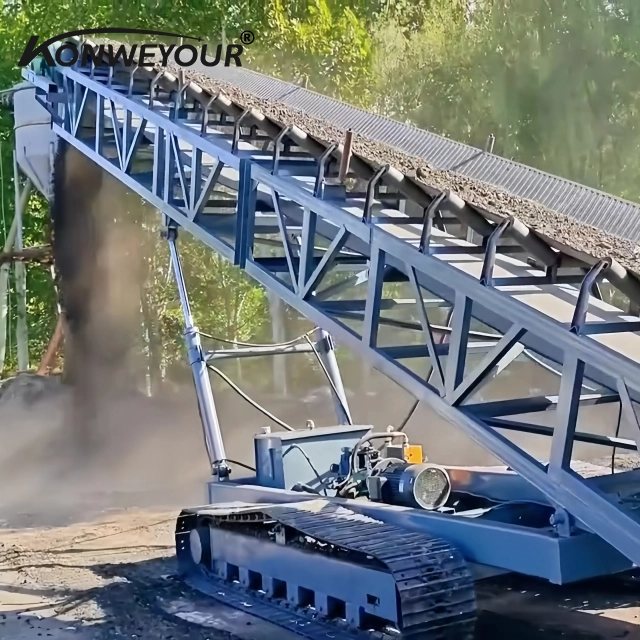
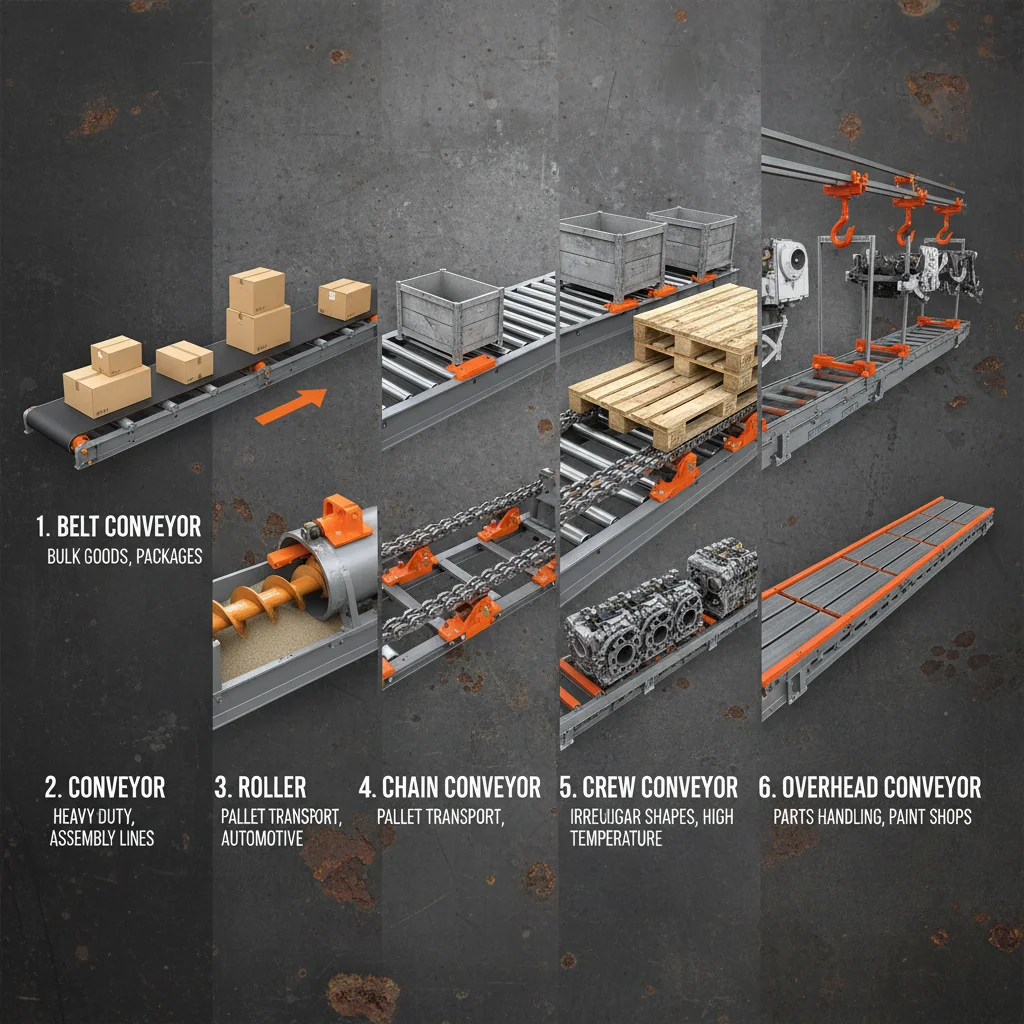
Simply put, incline conveyor systems move products or materials between different vertical levels using belts or rollers set on a slope. Unlike horizontal conveyors, they tackle elevation changes that can be awkward for manual handling or other machinery. You often see these in airports moving luggage upstairs or in factories where parts need to be transported between floors. Beyond industry, their importance extends to humanitarian contexts—like moving supplies in disaster zones where terrain is uneven. So, they’re more than mechanized pathways; they’re bridges over logistical gaps.
Core Components of Incline Conveyor Systems
1. Durability and Materials
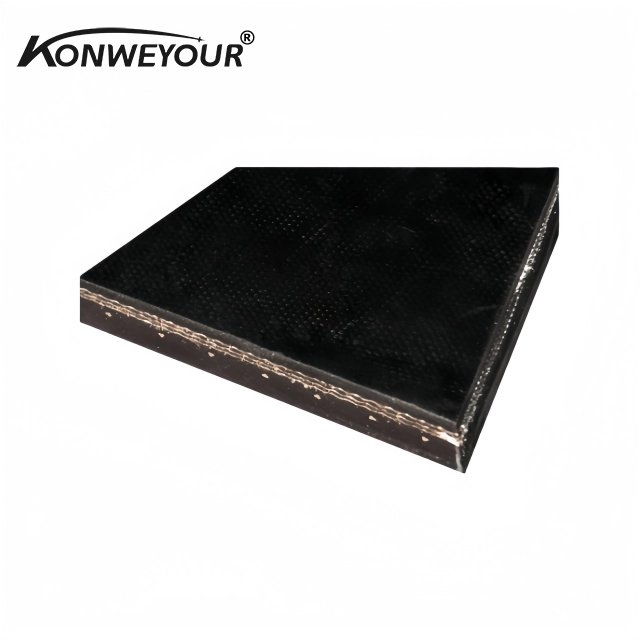
The frame, belt, and motors must withstand continuous loads and environmental factors, sometimes outdoors or in harsh conditions. Stainless steel and reinforced plastics are common choices. Durability reduces downtime—a big win for process flow.
2. Load Capacity
Incline conveyors vary widely in how much weight they handle, from light packages to heavy pallets. Designing for appropriate load capacity ensures safety and prevents costly failures.
3. Inclination Angle and Length
Most incline conveyor belts operate efficiently between 15° and 30°, but specialized belts can handle steeper angles. Length and angle affect motor power needs and belt type.
4. Energy Efficiency
Energy consumption impacts both costs and environmental footprint. Modern systems integrate energy-saving motors and automatic start/stop controls—small details that add up.
5. Safety Features
Emergency stops, anti-slip surfaces, and guarding prevent accidents. Since incline conveyors elevate loads, the stakes for safety are high.
Incline Conveyor Systems at Work: Real-World Applications
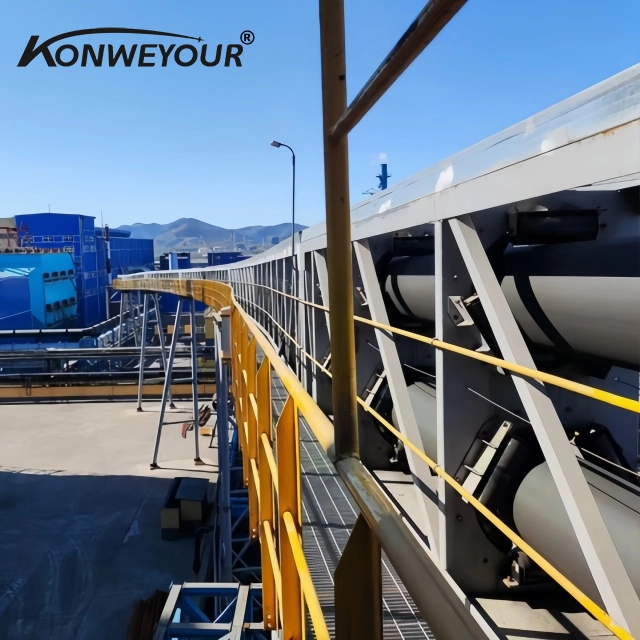
These systems are everywhere—from sprawling warehouses in Europe to remote mining operations in Africa. For instance, in post-disaster relief efforts, incline conveyors are deployed to move supplies efficiently over uneven terrain, speeding up distribution and reducing manual labor risks.
In industrial zones of Southeast Asia, factories utilize incline conveyor systems to streamline package sorting, saving millions of labor-hours annually. Even food processing plants in North America rely on these conveyors to handle bulky produce without bruising.
Advantages and Long-Term Value of Incline Conveyor Systems
- Cost Reduction: Automation cuts manual handling costs and workplace injuries.
- Sustainability: Energy-efficient models reduce carbon footprints.
- Reliability: Robust designs mean fewer shutdowns.
- Social Impact: Safer workplaces elevate morale and productivity.
The value proposition is pretty clear, combining logical business impacts with emotional wins such as worker safety and trust in equipment.
Technology and Innovation: What’s Next for Incline Conveyor Systems?
The future’s bright…and automated. Smart conveyors equipped with sensors and IoT connectivity allow real-time monitoring—predicting wear and scheduling maintenance before failures happen. Advances in lightweight composite materials also mean conveyors can be stronger but use less energy. Green energy integration, like solar-powered motors, is also gaining traction. All these trends combine to push incline conveyor systems toward smarter, cleaner, and safer operations.
Current Challenges and Innovative Solutions
Despite advances, challenges remain. Steeper inclines can cause product slippage and increase wear. Some environments introduce corrosion risks or frequent power interruptions. A common solution is modular design—allowing easy replacement or upgrades—and special anti-slip belts customized for specific loads. One interesting approach is integrating backup power systems or regenerative braking that feeds energy back during slowing. These niche improvements keep productivity high even when conditions are tough.
Product Specification Table: Typical Incline Conveyor System
| Feature |
Specification |
| Max Load Capacity | 500 kg |
| Inclination Angle | 15° - 30° (extendable to 45° with special belts) |
| Belt Material | PVC or Rubber with anti-slip coating |
| Motor Power | 1.5 kW to 3.0 kW |
| Energy Consumption | Approx. 1.2 kW/h under full load |
| Safety Features | Emergency stop, side guards, anti-slip surface |
Vendor Comparison Table: Leading Incline Conveyor Manufacturers
| Vendor |
Load Capacity |
Customization Options |
Lead Time |
Warranty |
| JT Conveyor | Up to 700 kg | Full: length, belts, angle | 4-6 weeks | 2 years |
| LiftingTech Solutions | Up to 600 kg | Medium: standard modules | 6-8 weeks | 1 year |
| ConveyMax | Up to 500 kg | Limited | 3-5 weeks | 18 months |
Frequently Asked Questions About Incline Conveyor Systems
- What is the ideal incline angle for conveyors to prevent product slippage?
-
Most incline conveyor belts operate efficiently within 15° to 30°. To handle steeper angles, specialized belts with cleats or rough surfaces are used to keep items from sliding back.
- Can incline conveyors be customized for irregular terrains?
-
Yes, many vendors offer modular and adjustable incline conveyor systems tailored to different terrain profiles or facility layouts. These help ensure smooth operation even on uneven ground.
- How energy-efficient are modern incline conveyor systems?
-
With energy-saving motors, automatic start-stop features, and improved belt materials, modern incline conveyors can reduce energy consumption by 20-30% compared to older models.
- Are incline conveyor systems suitable for outdoor or harsh environments?
-
Absolutely, as long as they use corrosion-resistant materials like stainless steel and weatherproof motors. Some systems are designed specifically for heavy-duty outdoor use.
- Where can businesses find reliable suppliers of incline conveyor systems?
-
Trusted manufacturers like JT Conveyor Systems offer robust solutions, with customization options and technical support to fit various needs.
Conclusion
Incline conveyor systems, while often behind-the-scenes, are critical to smooth, efficient material handling worldwide. Their adaptability, safety features, and growing technological sophistication keep industries moving forward—literally. If your facility needs to optimize vertical transportation, exploring these systems is a smart, cost-effective move.
Visit us at https://www.jtconveyor.com for tailored incline conveyor solutions that fit your unique needs.
Quick takeaway: Investing in reliable incline conveyor systems isn’t just about moving goods—it’s about driving progress efficiently and safely in an increasingly complex world.
References:
- ISO Standards on Conveyor Systems
- Wikipedia: Conveyor System
- World Bank Data on Transport and Infrastructure