Angled Conveyor: A Practical Powerhouse in Modern Material Handling
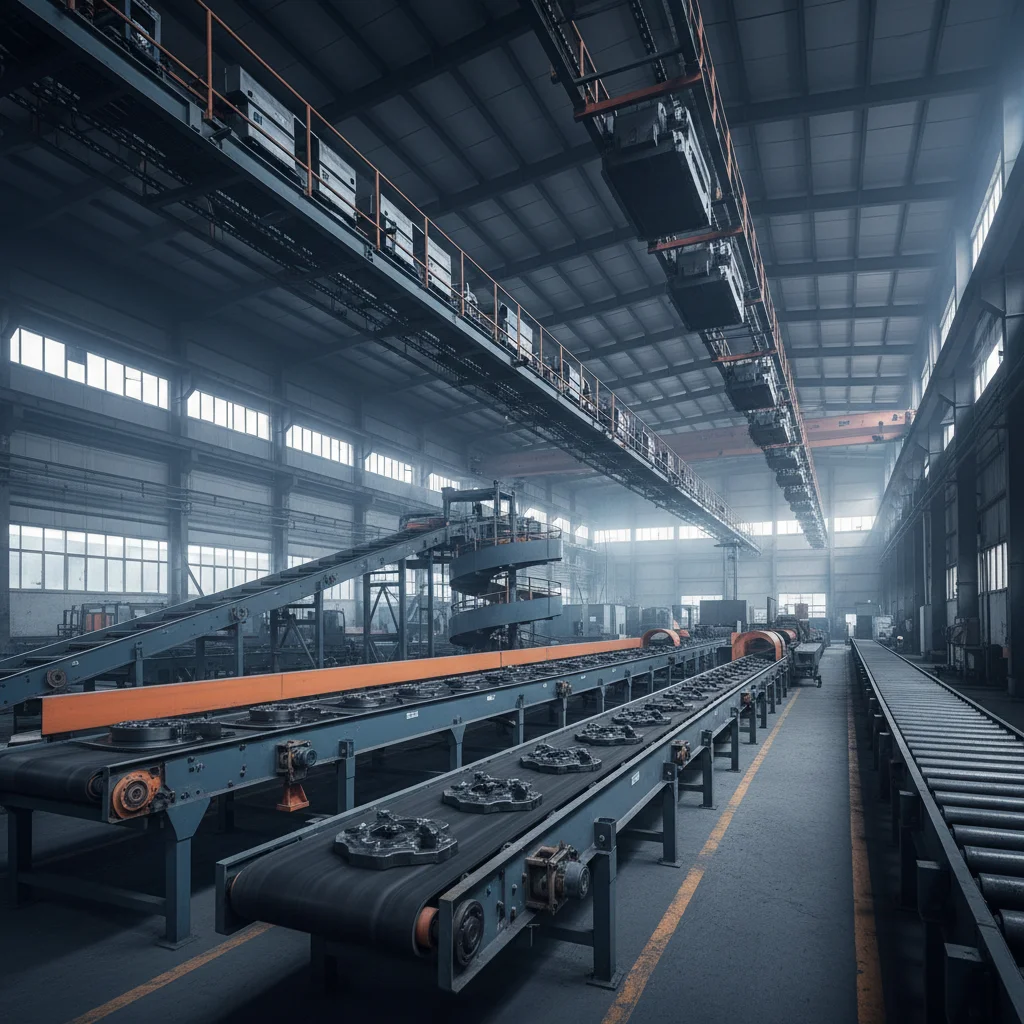
If you’ve ever watched a production line in a factory or witnessed packages glide smoothly through a distribution center, chances are an angled conveyor was quietly doing its job behind the scenes. Angled conveyors might not grab headlines, but these cleverly inclined conveyor belts are indispensable across many industries worldwide. Frankly, their role goes beyond moving stuff—they bolster efficiency, reduce labor, and contribute significantly to supply chain reliability.
Understanding angled conveyors is more than a technical curiosity. It’s about grasping a slice of how modern industry, logistics, and even humanitarian efforts keep moving forward in an increasingly complex global landscape.
Global Importance & Industrial Context
Globally, material handling forms the backbone of manufacturing, warehousing, and distribution processes. According to the International Organization for Standardization (ISO), efficient logistics can reduce waste and energy consumption by up to 20%, translating to billions saved annually. The angled conveyor, which transports goods at inclined angles, fills a critical niche here. It enables vertical lifting in tight spaces where vertical lifts or elevators might be either too slow or costly.
Oddly enough, while bulk shipping and robotics hog limelight discussions, these simple inclined conveyors solve a fundamental problem—efficiently moving items between different floor levels or onto higher platforms without manual handling. This becomes particularly important as industries push for automation to meet rising global demand.
What Exactly Is an Angled Conveyor?
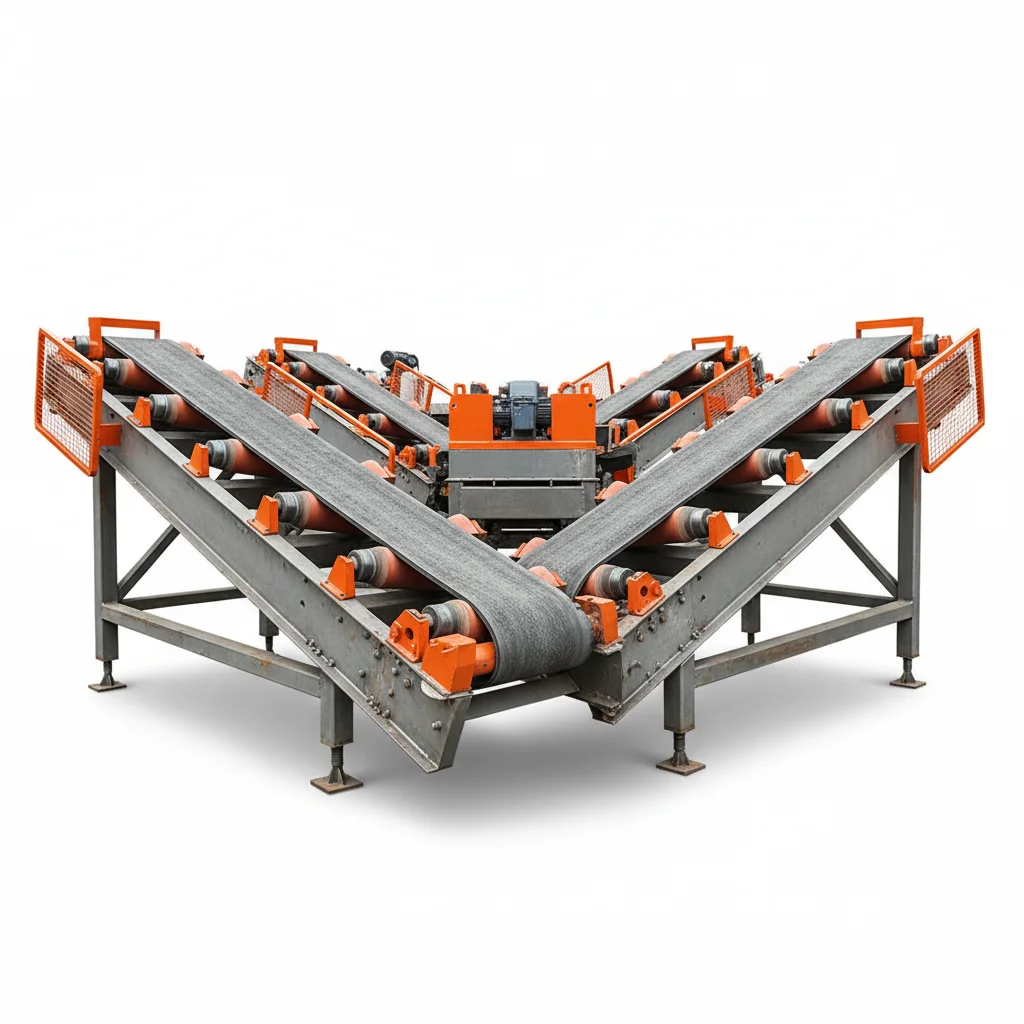
Simply put, an angled conveyor is a belt or roller conveyor designed to transport materials on an incline, usually between 15° and 45°, but sometimes steeper depending on the application. Unlike flat conveyors that move items horizontally, angled conveyors gently raise or lower goods while maintaining steady flow.
In the modern world, whether it’s loading boxes onto trucks at a warehouse or transporting medical supplies in disaster relief zones, these conveyors blend practicality with adaptability.
Key Features and Core Components of Angled Conveyors
1. Durability
Materials range from stainless steel for harsh environments to reinforced plastics for lightweight needs. Durability directly impacts maintenance frequency—especially vital for 24/7 operations.
2. Incline Angle & Belt Surface
The incline usually varies between 15° to 45°. Some belts come with cleats or textured surfaces to prevent slippage of fragile or uneven loads.
3. Load Capacity and Speed
From light packages under 20kg to heavy parts weighing over 100kg, angled conveyors can be customized accordingly. Speed adjustments allow synchronization with other parts of a production line.
4. Energy Efficiency
Modern drives use variable frequency motors for optimized power consumption, reducing operational costs and carbon footprints.
5. Safety Features
Safety sensors and emergency stops are standard for industrial settings, ensuring operator protection.
Typical Angled Conveyor Specifications
| Specification |
Range/Type |
| Incline Angle | 15°–45° (customizable) |
| Belt Width | 300mm - 1200mm |
| Load Capacity | up to 150 kg per meter |
| Material | Stainless steel / Aluminum / Plastic |
| Motor Type | Variable frequency drive |
| Speed | 0.1 - 3 m/s |
Global Applications & Use Cases of Angled Conveyors
Angled conveyors appear worldwide—in factories, airports, farms, and warehouses—essentially wherever goods must move vertically without complex machinery. For example:
- Manufacturing Plants: Where parts need transferring between assembly stages on different heights.
- Logistics & Warehousing: To move parcels onto loading docks or sort packages efficiently.
- Food Processing: Handling bulk materials like grains or fruits inclined up to hoppers.
- Humanitarian Aid: In remote disaster zones, angled conveyors help move supplies uphill or through rough terrain, accelerating distribution.[1]
Additionally, regions with dense urban environments use angled conveyors to maximize footprint, fitting within limited vertical spaces.
Advantages & Long-Term Value
Why bother with angled conveyors? Simply put, they save money, time, and sometimes lives. Cost efficiency arises from minimized manual labor and faster throughput. In terms of sustainability, optimized conveyors reduce energy consumption compared to forklifts or elevators.
On a human level, reliability of these systems improves workplace safety and dignity, preventing repetitive strain injuries from lifting. Trust in dependable angled conveyors fosters smoother operations and innovation opportunities, especially in complex supply chains.
Vendor Comparison: Choosing the Right Angled Conveyor Supplier
Comparison of Leading Angled Conveyor Suppliers
| Vendor |
Material Options |
Customization Level |
Lead Time |
Price Range |
| JT Conveyor |
Stainless steel, plastic belts |
High (tailored solutions) |
2–4 weeks |
$$$ |
| Global Conveyors Inc. |
Aluminum, rubber belts |
Medium |
3–5 weeks |
$$ |
| EcoConvey Solutions |
Recycled plastics, stainless steel |
Moderate (eco-focused) |
4–6 weeks |
$$$ |
Emerging Trends & Innovations in Angled Conveyor Technology
Looking ahead, angled conveyors are becoming smarter and greener. Digital transformation sees them connecting to IoT sensors for real-time monitoring—detecting jams or wear before they become costly downtime.
Materials innovation is also accelerating. Lightweight composites not only improve durability but also cut energy demand. Plus, integration with renewable energy sources like solar-powered drives is gaining traction for warehouses with sustainability goals.
Challenges & How Industry Experts Are Addressing Them
Despite many benefits, angled conveyors face challenges: limited incline range due to slippage risk, difficulty handling irregularly shaped items, and space constraints in some facilities. Experts tackle these by developing enhanced belt textures, adjustable cleats, and modular designs that fit tight spaces like a glove.
Customization paired with predictive maintenance also ensures longer lifespans and fewer unexpected failures — crucial in just-in-time manufacturing.
Frequently Asked Questions About Angled Conveyors
Q: What angles can angled conveyors work at without losing efficiency?
A: Most angled conveyors operate efficiently between 15° and 45°, though the upper limit depends on belt surface and cleats to prevent slippage.
Q: How do I know if I need a custom conveyor or a standard model?
A: If your application involves unusual load sizes, harsh environments, or unique spatial constraints, a custom angled conveyor is preferable. Otherwise, standardized models can often do the job.
Q: Can angled conveyors handle fragile goods like electronics?
A: Yes, with appropriate belt material and speed adjustments, angled conveyors can gently move sensitive items without damage.
Q: Are angled conveyors energy intensive?
A: Modern conveyors employ energy-efficient motors and regenerative braking, often consuming much less energy than forklifts or manual handling.
Q: How can companies source angled conveyors internationally?
A: Working with reputable suppliers who offer export services and certifications can ease international procurement. Logistics partners familiar with industrial equipment shipping are recommended.
In Conclusion
Angled conveyors might not be flashy, but their practical value is undeniable. They streamline vertical transport, improve safety, and contribute to sustainability goals. For anyone managing supply chains or designing industrial workflows, considering the right angled conveyor solution is a smart move.
Ready to optimize your material handling with a reliable angled conveyor? Visit our partner site for tailored, efficient options: angled conveyor.
Mini takeaway: What feels like a simple machine is a linchpin of modern supply chains, quietly driving efficiency and innovation worldwide.
References
- Conveyor Belt - Wikipedia
- ISO Standards Overview
- World Bank: Logistics and Supply Chain