Green Conveyor: Sustainable Solutions Transforming Industry and Environment
In today's world, where sustainability isn't just a buzzword but a necessity, green conveyor systems have started to take center stage. They promise not only efficiency in moving materials but also minimizing environmental footprints. From manufacturing floors to post-disaster logistics, understanding what green conveyors are and how they operate globally can reveal a lot about the future of industrial and humanitarian operations. This article dives deep to unpack the essentials of green conveyor technology, its global importance, and why industries worldwide are excited about them.
Introduction: Global Relevance of Green Conveyor Systems
With mounting pressure from international organizations like the United Nations and initiatives aligned with the UN Sustainable Development Goals (SDGs), the industrial sector is increasingly adopting greener technologies. According to the UN Environment Programme, improving industrial sustainability can drastically reduce emissions and waste, which are responsible for nearly 21% of global greenhouse gases.
Conveyor systems are indispensable across many industries, from mining and agriculture to manufacturing and waste management. Traditionally, these have been energy-heavy and environmentally taxing. The challenge then becomes, how can these systems evolve to meet modern sustainability standards? That’s exactly where green conveyors come in—a solution that combines eco-design with practical reliability.
What Is a Green Conveyor?
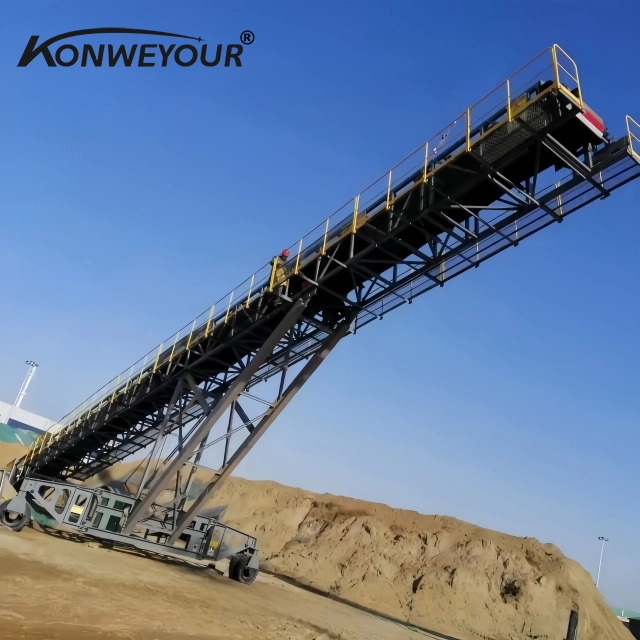
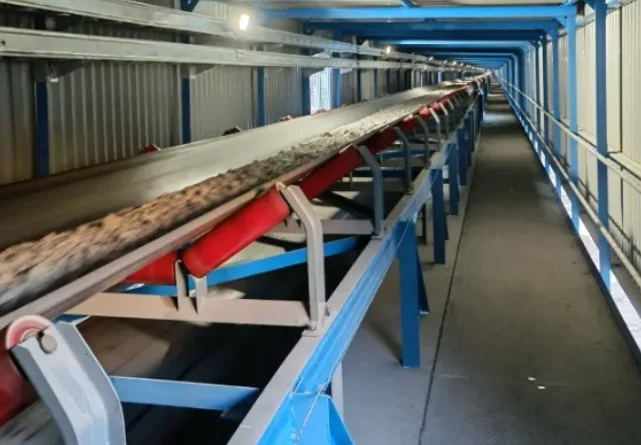
Simply put, a green conveyor is a conveyor system designed with energy efficiency and environmental impact reduction at its core. These systems use eco-friendly materials, renewable energy sources, and intelligent design to minimize carbon footprints and resource consumption. Often integrated with energy-saving motors, smart controls, and recyclable components, they reflect the industry's push towards sustainable industrial processes.
Furthermore, green conveyors aren’t only about saving energy; they also help industries comply with increasingly stringent international standards such as ISO 14001 (Environmental Management Systems), which helps businesses minimize harmful effects on the environment.
Key Components of a Green Conveyor
- Energy-Efficient Motors: At the heart of green conveyor systems are high-efficiency motors that consume less power while providing sufficient torque to drive operations. Variable frequency drives (VFDs) adjust motor speed when full capacity isn't necessary, directly cutting energy waste.
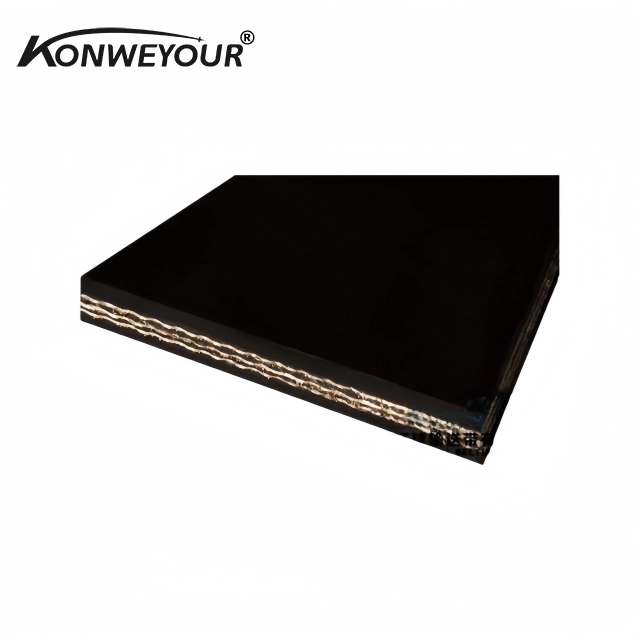
- Eco-Friendly Materials: Companies now prioritize recyclable or biodegradable belt materials and frame components, reducing landfill impact at end-of-life phases.
- Modular Design: Modular conveyors ease repair, upgrade, and relocation. This flexibility means less waste and longer life cycles, which, frankly, is a big plus for sustainability-minded industries.
- Smart Controls and Automation: Incorporating sensors and IoT-based monitoring can optimize conveyor speed and load—avoiding unnecessary operation and conserving energy.
- Low Noise and Dust Emission: Green conveyors often employ design tweaks that reduce noise pollution and particle emissions, improving worker health and nearby communities' quality of life.
Mini takeaway: The core of green conveyor technology lies not just in one feature but a synergistic combination of energy efficiency, sustainable materials, and smart controls designed with lifecycle thinking.
Global Applications and Use Cases
Oddly enough, green conveyors have found their way into many sectors globally:
- Post-Disaster Relief Operations: In disaster-hit zones, rapid-deploy green conveyors assist in moving supplies efficiently with minimal environmental footprint, aiding humanitarian agencies while respecting fragile ecosystems.
- Remote Mining Sites: In Canada and Australia, green conveyors help limit fossil fuel consumption by integrating solar-powered systems and modular components that are easy to transport and assemble.
- Manufacturing Hubs in Europe: Leading automotive plants are implementing green conveyor belts to ensure sustainability goals and comply with strict EU environmental regulations.
- Recycling Facilities Globally: Green conveyor belts using durable and easily recyclable materials help streamline waste sorting, making recycling operations more eco-responsible.
Mini takeaway: The green conveyor concept transcends industries—and continents—demonstrating adaptability and a positive environmental impact in real-world conditions.
Advantages and Long-Term Value of Green Conveyors
Talking benefits, it’s not just the rustling leaves in the background; these systems deliver real, measurable advantages:
- Cost Efficiency: Energy savings translate directly to operational cost reductions. For companies running shifts 24/7, even small efficiency gains mean significant annual savings.
- Lower Carbon Footprint: Using renewable energy and recyclable materials supports corporate social responsibility and can help companies meet carbon-neutral commitments.
- Worker Safety & Comfort: Reduced noise and dust help sustain healthier workplaces, decreasing absenteeism and increasing productivity.
- Brand Trust: Consumers increasingly prefer environmentally responsible companies. Implementing green conveyors can enhance reputation and market positioning.
Mini takeaway: Green conveyors marry economic sense with ethical responsibility—it's where doing right by the planet aligns with business strategy.
Product Specification Table
| Specification |
Typical Values |
| Belt Material |
Recyclable TPU or EPDM |
| Motor Type |
Energy-efficient AC with VFD |
| Power Consumption |
0.5 - 5 kW (depending on size and load) |
| Noise Level |
|
| Material Handling Capacity |
Up to 1500 kg/m |
Vendor Comparison of Popular Green Conveyor Systems
| Vendor |
Energy Efficiency |
Material Sustainability |
Smart Features |
Cost Range (USD) |
| EcoConvey Solutions |
High (up to 30% energy saved) |
Fully recyclable belts & frames |
Basic automation options |
$15,000 - $45,000 |
| GreenFlow Manufacturing |
Moderate (15-20%) |
Recycled composites use |
Advanced IoT monitoring |
$20,000 - $50,000 |
| SustainConvey Corp. |
Very High (up to 40%) |
Highest eco-material standards |
Full automation & AI integration |
$30,000 - $70,000 |
Future Trends and Innovations in Green Conveyors
Looking ahead, green conveyor technology feels ripe for breakthroughs. Many manufacturers are experimenting with bio-based polymers for belts and structural components, reducing reliance on fossil fuels further. Integration with renewable energy sources like solar or wind is becoming more common, and advances in sensor technology mean conveyors will operate with almost surgical efficiency.
Automation is another frontier. Leveraging AI to predict load variations or maintenance needs can ensure conveyors only use power when truly necessary. This digital transformation also opens possibilities for fully remote monitoring and management, critical for operations in extreme or hazardous environments.
Challenges and Practical Solutions
Of course, no technology is without hurdles. The main challenges for green conveyor adoption are upfront costs, retrofitting existing lines, and sourcing eco-materials at scale. Still, many companies report a payback period within 2-3 years thanks to energy savings, which is pretty competitive.
Furthermore, collaborative efforts between manufacturers and suppliers have started to lower material costs and improve recyclability. Technical training for operators and maintenance staff is essential to keep these sophisticated systems running efficiently—something that’s sometimes overlooked but crucial.
Frequently Asked Questions About Green Conveyor
- What makes green conveyors more energy-efficient than standard conveyors?
- Green conveyors utilize advanced motors like variable frequency drives, energy-saving materials, and smart controls that optimize operation. This combination reduces unnecessary power consumption and mechanical wear.
- Are green conveyor belts more expensive to maintain?
- While maintenance may require specialized knowledge, modern green conveyors are designed for durability and modularity, often reducing repair costs and downtime compared to older systems.
- Can green conveyors be integrated into existing manufacturing lines?
- Yes, many systems are modular and designed for retrofit. However, detailed assessments are needed for compatibility and to ensure efficiency gains.
- Do green conveyors significantly reduce environmental impacts?
- Yes, by lowering energy use, noise, dust, and employing recyclable materials, green conveyors contribute to reduced operational impacts and carbon emissions, aligning with international sustainability goals.
- Where can I find suppliers specializing in green conveyor systems?
- There are several vendors worldwide, including green conveyor suppliers that offer eco-friendly, modular conveyor solutions customized to diverse industries.
Conclusion
Green conveyors are more than just a trend—they’re a fundamental shift in how industries can reconcile operational excellence with environmental stewardship. Their energy-saving design, sustainable materials, and intelligent controls provide not only immediate operational benefits but also long-term value aligning with global sustainability ambitions. If your company is looking to modernize material transport with a conscience, exploring green conveyor options feels like a smart place to start.
Ready to take your operations greener? Visit https://www.jtconveyor.com to explore sustainable conveyor solutions tailored to your industry’s needs.
In real terms, embracing green conveyors feels like making peace with the planet, one belt at a time.
References:
1. United Nations Sustainable Development Goals
2. ISO 14001 Environmental Management
3. Wikipedia: Conveyor Belt