Understanding Bearing Conveyor Roller Systems
In the world of material handling, efficiency and reliability are paramount. Bearing conveyor rollers are fundamental components in countless industries, facilitating the smooth and consistent movement of goods. This article will delve into the intricacies of bearing conveyor rollers, exploring their types, benefits, applications, and how to choose the right ones for your specific needs. A well-maintained and properly selected bearing conveyor roller system can significantly reduce downtime and improve overall productivity.
What are Bearing Conveyor Rollers?
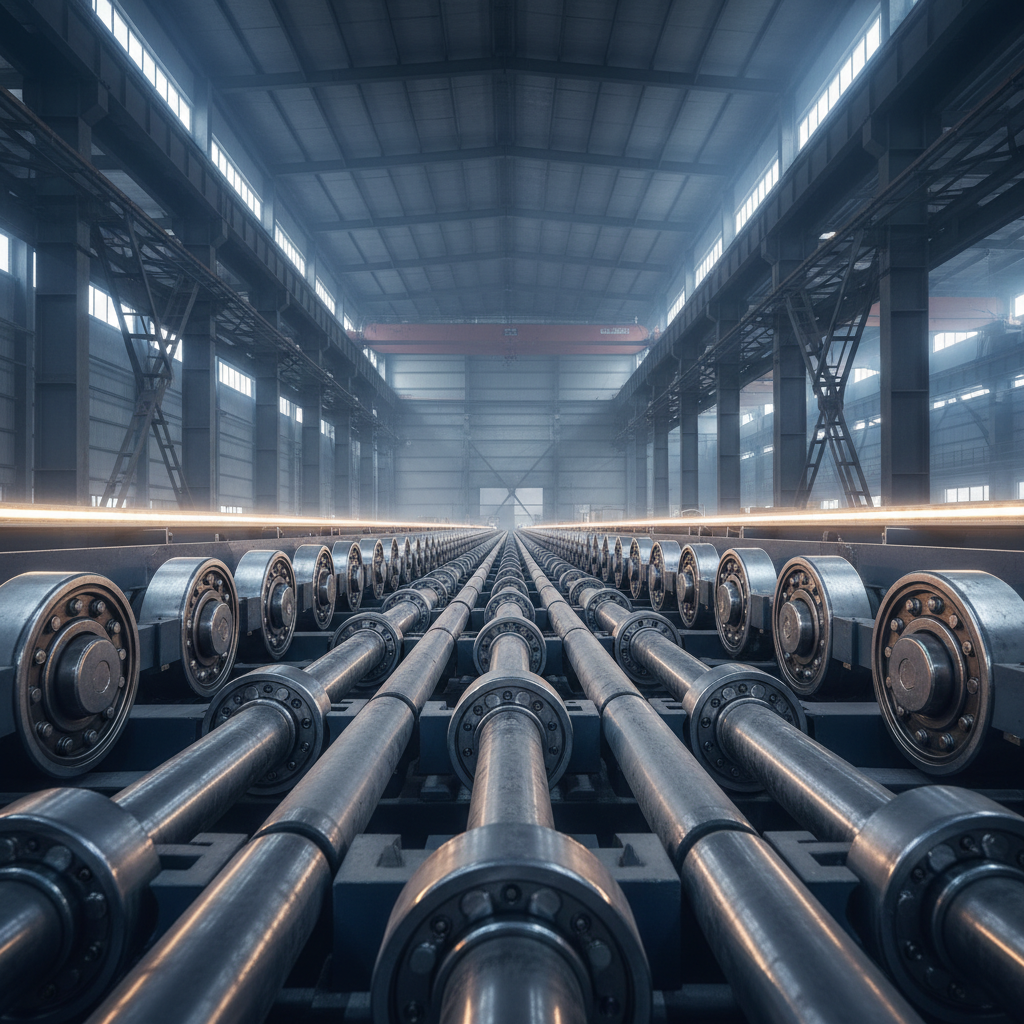
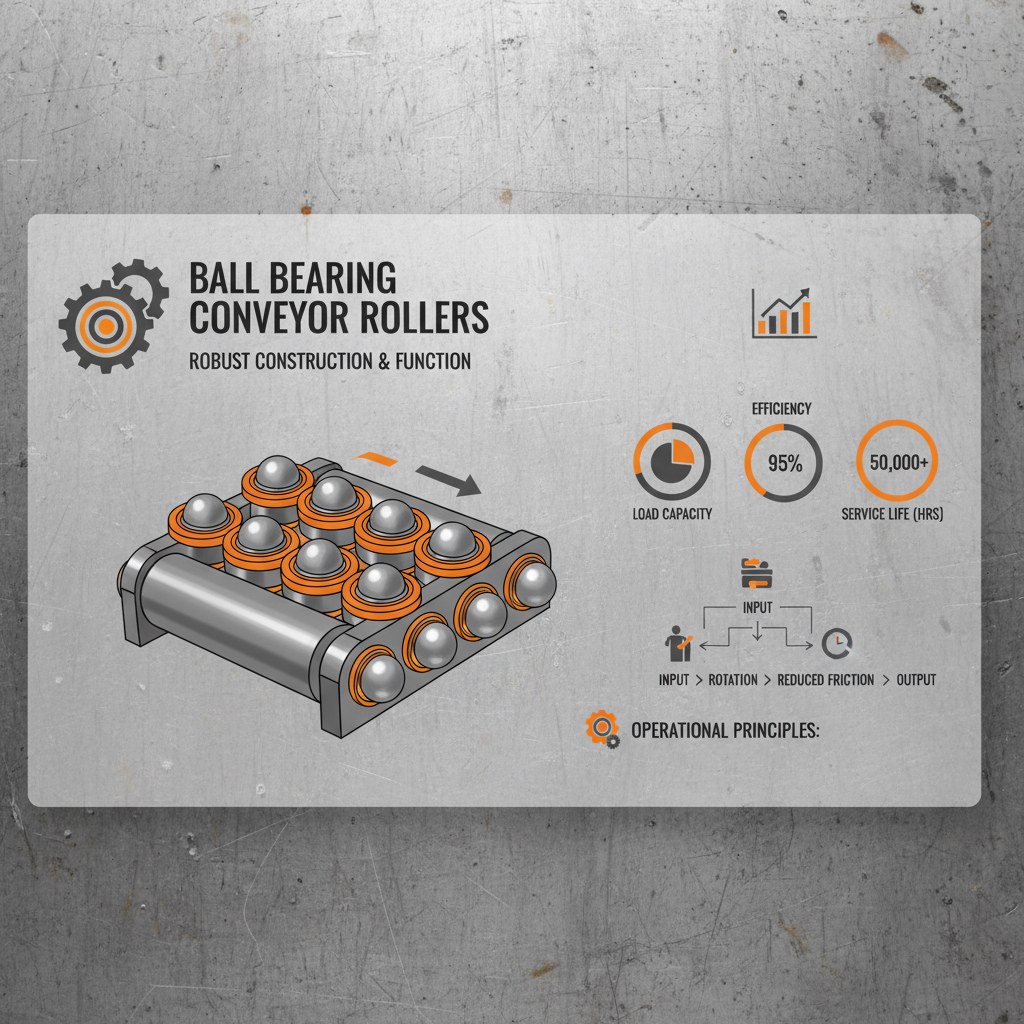
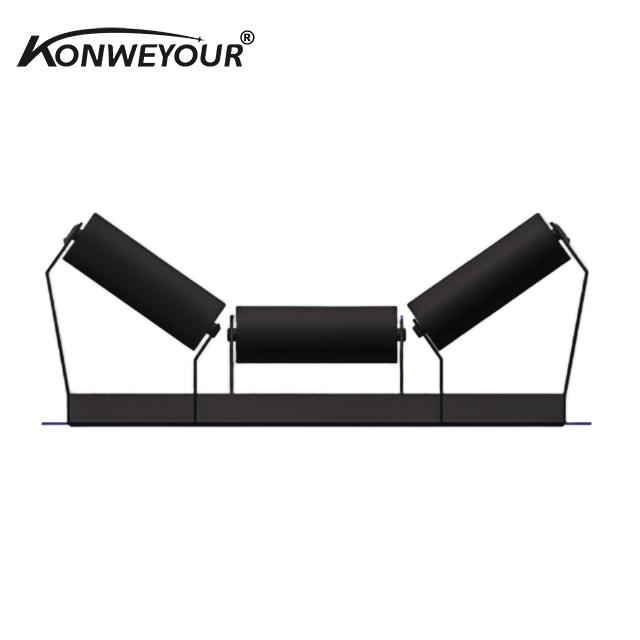
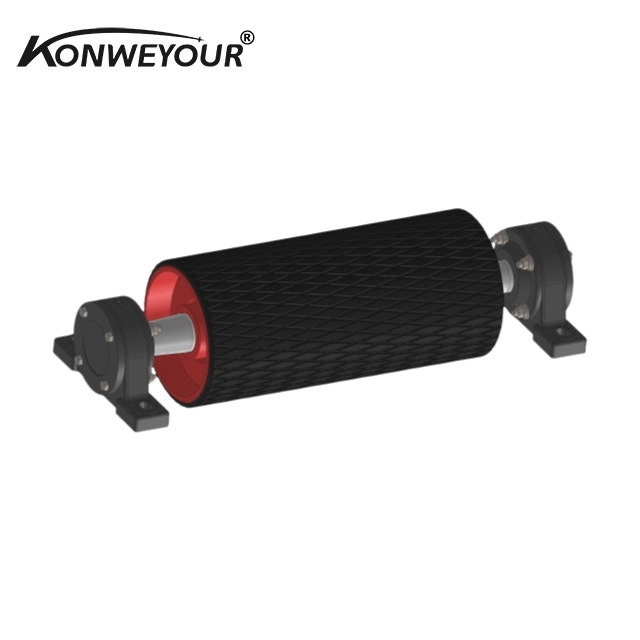
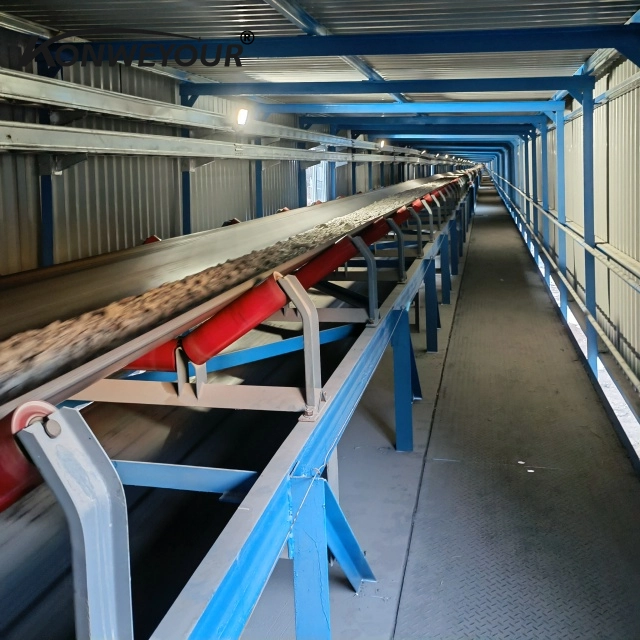
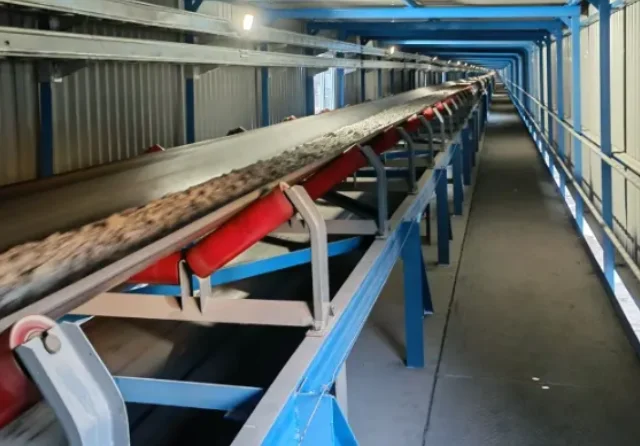
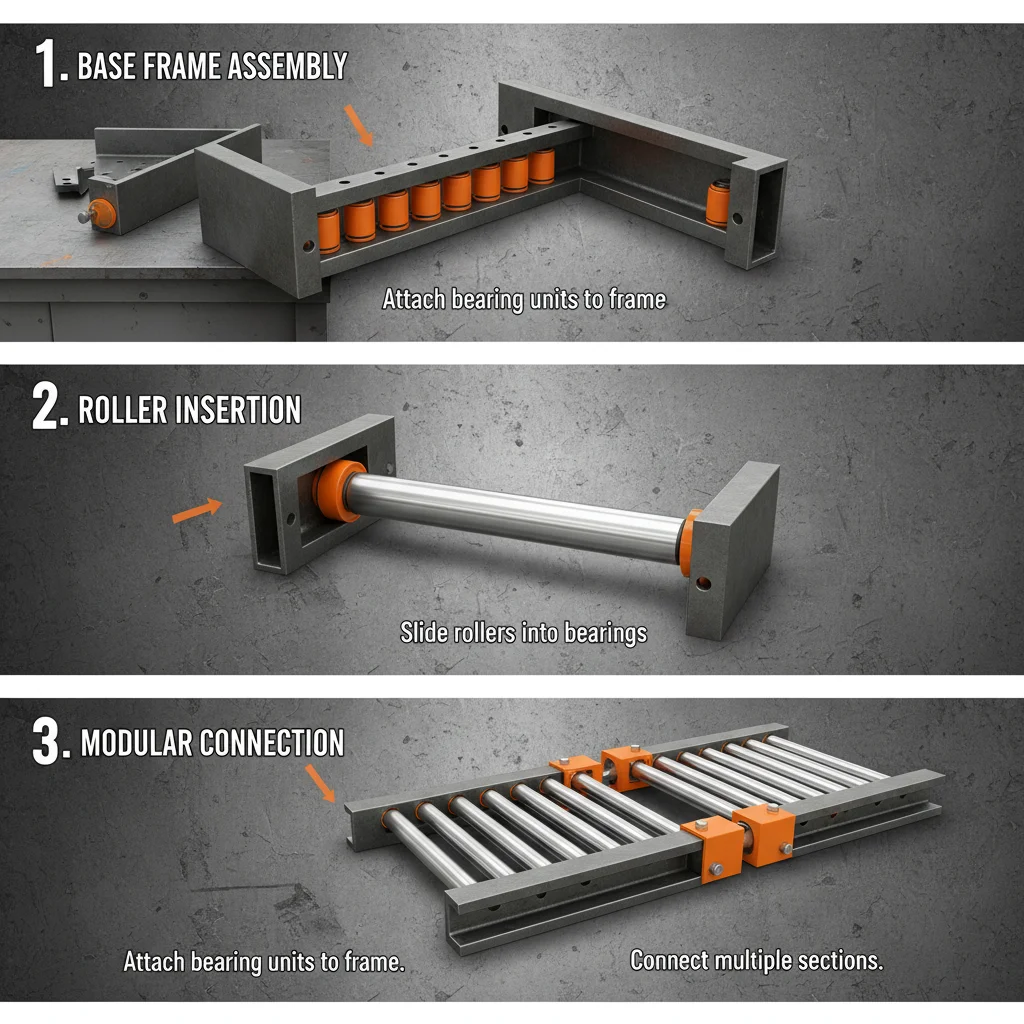
Bearing conveyor rollers are cylindrical components used within conveyor systems to support and guide the conveyor belt. Unlike standard rollers, these incorporate bearings within their construction. These bearings drastically reduce friction, allowing for lighter loads, increased efficiency, and a longer lifespan for the conveyor system. They are used in a wide range of applications, from light-duty packaging lines to heavy-duty mining operations. JT Conveyor offers a comprehensive range of bearing conveyor rollers designed for diverse industrial applications.
Key Benefits: Reduced friction, increased efficiency, longer conveyor lifespan, and smoother material handling.
Types of Bearing Conveyor Rollers
Bearing conveyor rollers come in several types, each designed for specific applications and load capacities. Common types include:
- Ball Bearing Rollers: Ideal for lighter loads and high-speed applications.
- Roller Bearing Rollers: Suited for heavier loads and more demanding environments.
- Tapered Bearing Rollers: Excellent for applications requiring high radial and thrust loads.
- Sealed Bearing Rollers: Offer enhanced protection against dust and contaminants, increasing longevity.
The selection of the appropriate type depends on factors such as the weight of the conveyed materials, the operating speed, and the environmental conditions.
Choosing the Right Type:
• Consider the load capacity requirements.
• Evaluate the operating speed of the conveyor system.
• Assess the environmental conditions (dust, moisture, temperature).
• Prioritize sealed bearings for harsh environments.
Bearing Conveyor Roller vs. Standard Rollers: A Comparative Analysis
The primary difference between bearing conveyor rollers and standard rollers lies in the inclusion of bearings. Standard rollers rely on the materials themselves to reduce friction. Bearing conveyor rollers minimize friction through the use of internal bearings, resulting in several key advantages, including reduced energy consumption, longer lifespan, and improved efficiency. While standard rollers are often less expensive initially, the long-term cost savings associated with bearing rollers often outweigh the initial investment.
| Feature |
Bearing Conveyor Roller |
Standard Roller |
| Friction |
Low (due to bearings) |
High |
| Efficiency |
High |
Lower |
| Lifespan |
Longer |
Shorter |
| Initial Cost |
Higher |
Lower |
Applications of Bearing Conveyor Rollers
The applications for bearing conveyor rollers are incredibly diverse. They are essential in industries such as:
- Logistics and Warehousing: For efficient package handling and sorting.
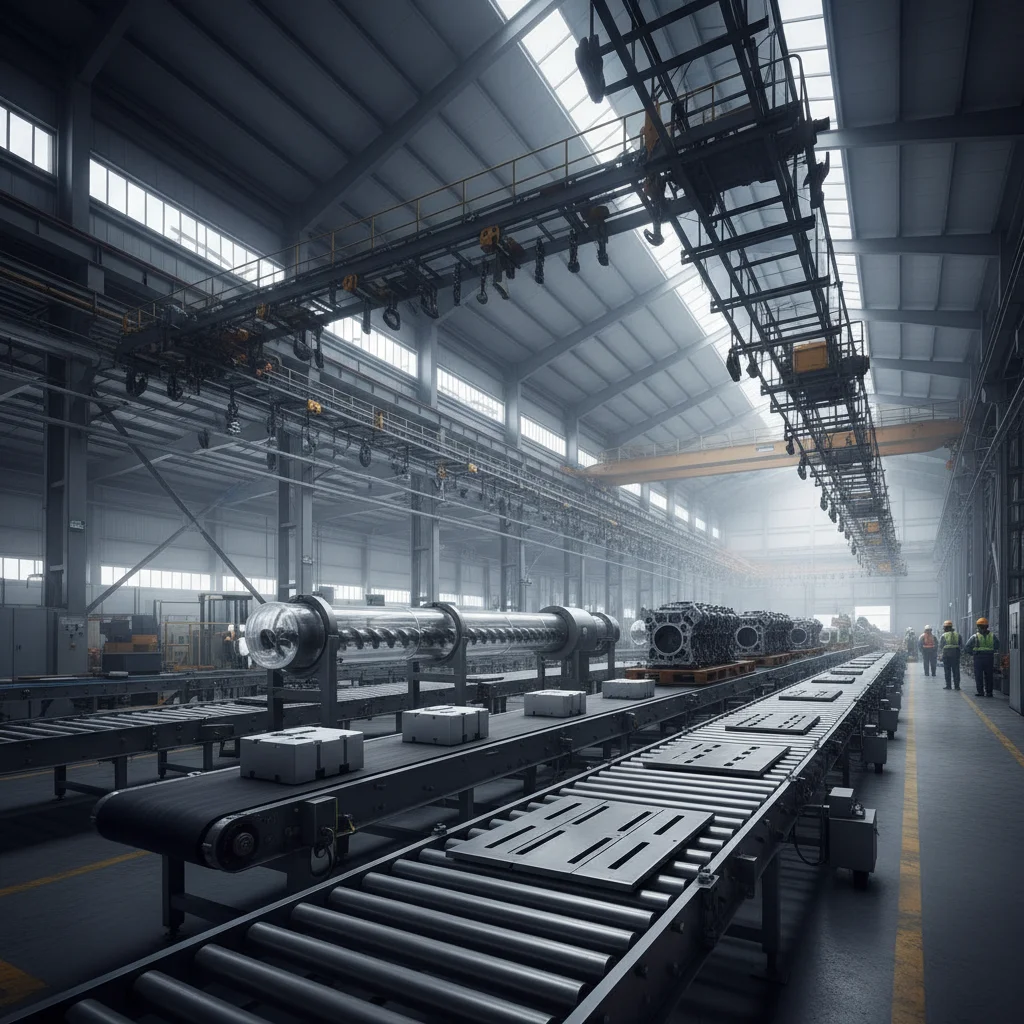
- Manufacturing: In assembly lines and production processes.
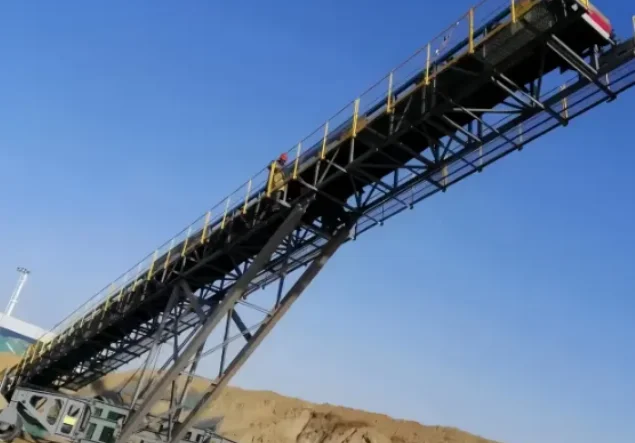
- Mining and Aggregates: For handling heavy materials and bulk solids.
- Food Processing: For conveying food products safely and hygienically.
- Airport Baggage Handling: Ensuring smooth and reliable baggage transportation.
The specific requirements of each application will dictate the type and specifications of the bearing conveyor rollers selected.
Factors to Consider When Choosing Bearing Conveyor Rollers
Selecting the correct bearing conveyor rollers requires careful consideration of several factors. Key considerations include:
- Load Capacity: Ensure the rollers can handle the maximum weight of the conveyed materials.
- Conveyor Speed: Choose rollers rated for the intended operating speed.
- Environmental Conditions: Select rollers with appropriate seals and materials for the environment.
- Bearing Type: Match the bearing type to the load and speed requirements.
- Maintenance Requirements: Consider the ease of maintenance and lubrication.
JT Conveyor offers expert advice and a wide range of options to help you choose the perfect bearing conveyor rollers for your application.
Conclusion: Optimizing Material Handling with Bearing Conveyor Rollers
Investing in high-quality bearing conveyor rollers is a crucial step in optimizing material handling processes. By understanding the different types, applications, and selection criteria, you can significantly improve efficiency, reduce downtime, and enhance overall productivity. Partner with a reputable supplier like JT Conveyor to ensure you receive the best solutions for your specific needs.
Frequently Asked Questions (FAQs)
What is the typical lifespan of bearing conveyor rollers?
The lifespan of bearing conveyor rollers varies depending on the load, speed, environmental conditions, and maintenance practices. Generally, well-maintained rollers can last between 5 to 10 years. However, factors such as excessive loads, abrasive materials, and inadequate lubrication can significantly reduce their lifespan. Regular inspections and preventative maintenance, including relubrication and bearing replacement, are essential for maximizing longevity.
How often should bearing conveyor rollers be lubricated?
The lubrication frequency depends on the bearing type and operating conditions. Generally, rollers should be lubricated every 3 to 6 months, or more frequently in harsh environments. Over-lubrication can be as detrimental as under-lubrication, leading to the accumulation of dirt and contaminants. Follow the manufacturer's recommendations for the correct type of lubricant and lubrication schedule.
What are the signs that bearing conveyor rollers need to be replaced?
Several signs indicate that bearing conveyor rollers need to be replaced. These include excessive noise, vibration, difficulty in rotation, increased friction, and visible damage to the bearing or roller shell. Ignoring these signs can lead to conveyor downtime, increased energy consumption, and potential safety hazards. Regular inspections are crucial for identifying these issues early on.
Can bearing conveyor rollers be used in corrosive environments?
Yes, but special considerations are necessary. For corrosive environments, rollers made from corrosion-resistant materials such as stainless steel or coated with protective finishes are recommended. Sealed bearings are also essential to prevent the ingress of corrosive substances. Regular inspection and maintenance are crucial to ensure the long-term reliability of rollers in these challenging conditions.