Understanding Drive Conveyors: The Backbone of Modern Material Handling
At first glance, a drive conveyor might seem like just another piece of industrial equipment—essentially a moving belt pushing packages or parts along—but its role is far more crucial and expansive than most realize. Globally, drive conveyors power countless industries, ensuring efficiency in manufacturing, logistics, and even humanitarian efforts. Knowing about drive conveyors isn’t just for engineers; it gives insight into how goods flow around the world and how automation shapes our economies and daily lives.
Introduction: Why Drive Conveyors Matter Globally
Conveyor systems form the backbone of much of the world's material movement. According to the International Organization for Standardization (ISO), streamlining supply chains is crucial for economic growth and sustainability. Drive conveyors especially are integral—up to 70% of worldwide factory automation tasks utilize some form of powered conveyor technology. In a globalized economy where time and precision save millions, these systems help businesses meet demand, reduce errors, and cut waste.
Yet the challenge is big. Rapid urbanization and growing e-commerce demand push conveyor technologies to evolve constantly. Issues include energy consumption, adaptability to different loads, and maintenance downtimes. This makes understanding and selecting the right drive conveyor not just a technical task but a strategic one.
What Is a Drive Conveyor?
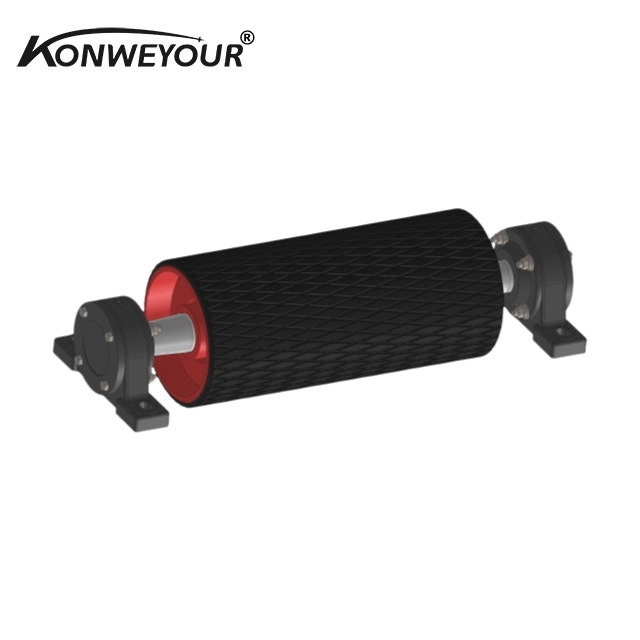
Simply put, a drive conveyor is a conveyor system powered by a motor, which drives the belt, rollers, or chains to move goods from one point to another. Unlike gravity conveyors, which rely on slope and gravity, drive conveyors provide controlled and reliable motion regardless of terrain or product weight.
These conveyors have roots in the industrial revolution but now are critical to modern industry—from automotive assembly lines to airports sorting luggage, even large-scale humanitarian efforts moving relief goods after disasters. Frankly, wherever materials need smooth, continuous, and automated transport, a drive conveyor is humble but vital.
Core Components and Key Factors of Drive Conveyors
1. Durability
In the real world, conveyors can face harsh conditions: dust, moisture, and heavy loads. Durable materials like stainless steel frames and reinforced belts extend operational life, reducing costly downtime.
2. Scalability
Many businesses start small but grow fast. Drive conveyors that allow modular expansion make it easier to upgrade facilities without major overhauls.
3. Energy Efficiency
Given conveyor systems often operate 24/7, energy consumption impacts costs and sustainability goals. Efficient motors, regenerative braking, and smart controls help minimize waste.
4. Customization
From belt speed to width and load type, conveyors must be tailored to specific operational requirements. Many manufacturers offer custom options to optimize performance.
5. Maintenance Accessibility
Easy access to moving parts for routine inspections or quick repairs greatly reduces downtime and labor costs.
Specification Snapshot: Typical Drive Conveyor Model
| Feature |
Details |
| Belt Width |
600 mm - 1500 mm |
| Conveyor Length |
Up to 50 meters (modular) |
| Motor Power |
1 kW - 5 kW |
| Speed Range |
0.2 - 3 m/s (variable) |
| Load Capacity |
Up to 200 kg/m |
Mini takeaway: Drive conveyors vary widely but tend to balance power, size, and energy use depending on industry needs.
Global Applications & Use Cases
Drive conveyors appear in almost every sector imaginable. In manufacturing hubs throughout East Asia, they underpin the mass production of electronics, streamlining tiny components or bulky parts alike. European airports rely on conveyor belts to sort millions of pieces of luggage annually, minimizing delays and lost bags.
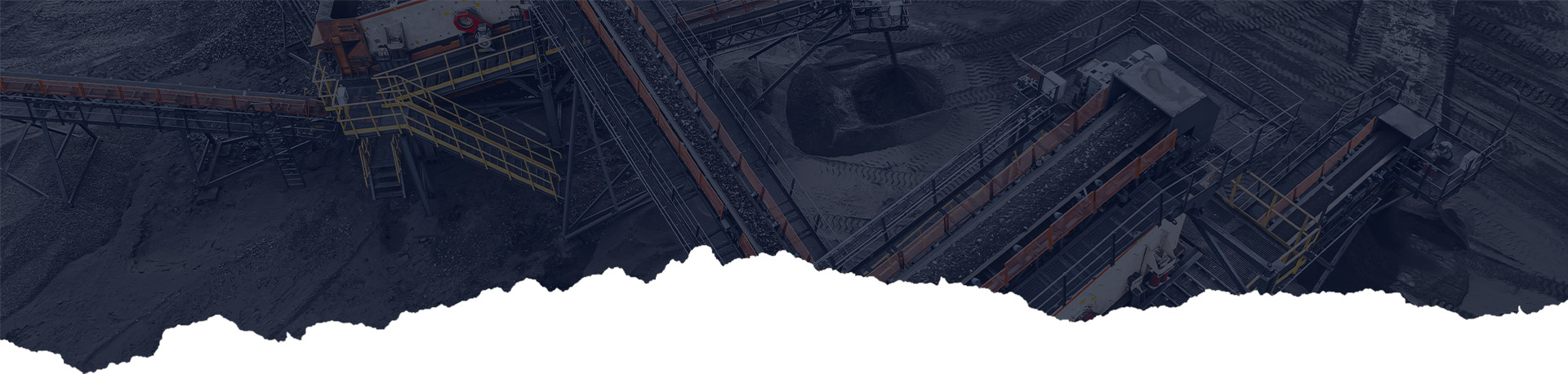
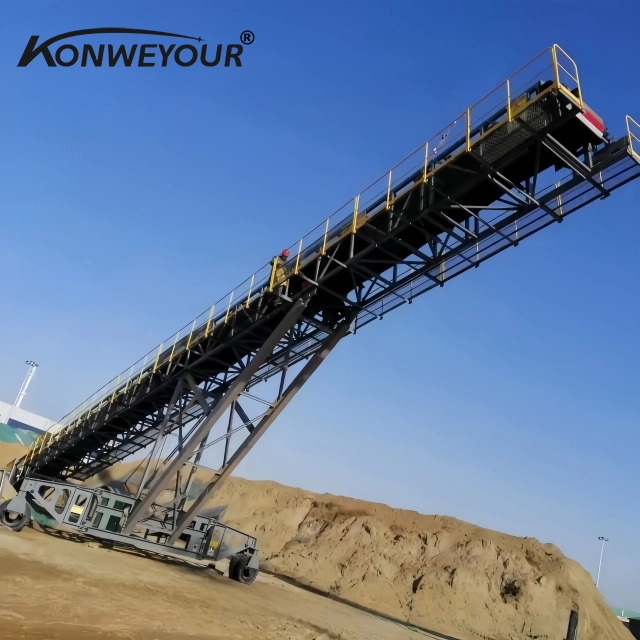
Oddly enough, their role extends beyond commerce. In disaster response — like after earthquakes or floods in regions of Latin America — humanitarian groups use mobile drive conveyors to help offload supplies swiftly, speeding aid when every minute counts. In remote mining operations in Africa or Australia, conveyors transport ore over difficult terrain, reducing manual labor and boosting worker safety.
Vendor Comparison: Leading Drive Conveyor Providers
| Provider |
Customization |
Energy Efficiency |
Price Range (USD) |
Maintenance |
| ConveyX |
High (modular design) |
Very Good (IE3 motors) |
$15,000–$45,000 |
Easy (tool-free access) |
| MoverTech |
Medium |
Good (regenerative drives) |
$10,000–$35,000 |
Moderate (regular inspections) |
| EcoBelt |
Custom on request |
Excellent (solar compatible) |
$20,000–$50,000 |
Access panels included |
Advantages & Long-Term Benefits of Drive Conveyors
Drive conveyors deliver tangible value. They reduce labor costs once systems are optimized, but more importantly, they increase throughput and product safety. That reliability breeds trust—customers and businesses alike rely on timely delivery and intact goods.
From an environmental perspective, modern conveyors increasingly align with sustainability goals. Lower energy consumption and smart controls reduce carbon footprints. Socially, they enhance workplace safety by minimizing heavy lifting and repetitive motions that cause injuries.
Ultimately, drive conveyors contribute to innovation-led economies. They enable complex automated warehouses and expedite disaster relief supply chains, mixing logical hard numbers with the deeply human intent of service and efficiency.
Emerging Trends & Innovations in Drive Conveyors
Automation is the name of the game. Sensors and IoT devices increasingly integrate with conveyor controls, enabling predictive maintenance—meaning fewer unexpected breakdowns. Energy harvesting, such as solar-powered motors, is becoming more popular, responding to global decarbonization efforts.
Material science improvements mean lighter yet stronger belts and frames. Plus, flexible conveyors adapting on-demand to different load types are gaining traction, opening new possibilities for multi-functional logistics hubs.
Common Challenges & How Industry Professionals Are Addressing Them
No system is perfect. Drive conveyors face issues like wear and tear, motor overheating, or alignment problems. Frankly, if not maintained properly, the entire line can come to a halt. To counter this, manufacturers recommend scheduled predictive maintenance supported by IoT, and modular designs that allow quick part swaps.
Also, energy consumption remains a concern, especially for facilities running 24/7. The solution lies in variable frequency drives (VFDs) that adjust motor speeds to actual load, avoiding wasteful full-power operation.
FAQ: Frequently Asked Questions About Drive Conveyors
- What kinds of materials can a drive conveyor handle?
Drive conveyors can be designed to move a wide range of materials—from light packages to heavy industrial parts. Belt materials and motor power are selected based on load type and weight.
- How energy efficient are modern drive conveyors?
Many modern conveyors use high-efficiency motors and smart control systems that reduce energy consumption by up to 30% compared to older models.
- Can drive conveyors be customized for small warehouses?
Absolutely. Many providers offer modular, scalable conveyors ideal for small or medium-sized operations, allowing gradual expansion as needs grow.
- What maintenance does a drive conveyor require?
Routine inspections, lubrication, and belt tension checks are typical. Increasingly, sensors help predict failures before they happen, minimizing emergency repairs.
- Are there eco-friendly drive conveyor options?
Yes, green conveyors incorporate solar power, recyclable materials, and energy-saving motors. Some even participate in circular economies by using reclaimed components.
For those interested in top-tier solutions, you should consider exploring offerings from reliable vendors. Drive conveyors that combine efficiency with customization can significantly boost your operational workflow.
Conclusion
Drive conveyors are quietly at the heart of efficient, modern material handling around the world. Their adaptability, efficiency, and integration with automated tech position them as key tools for future-ready industries. Whether you’re streamlining an assembly line, managing airport logistics, or aiding disaster relief, understanding and leveraging the right conveyor system pays dividends in reliability and impact.
If this piqued your interest, why not visit https://www.jtconveyor.com for detailed solutions tailored to your needs? Their expertise might just be what your operation needs to move ahead—literally.
Oddly enough, sometimes the simplest seeming technology provides the most profound impact. Think about that next time you see a steady flow of packages whiz by on a conveyor belt.
Mini takeaway: Drive conveyors underpin global trade and humanitarian logistics, blending engineering rigor with innovation to keep the world moving.
References
- ISO - Manufacturing Automation Standards
- Wikipedia - Conveyor Belts
- UNCTAD - Transport and Trade Logistics