Understanding the Serpentine Conveyor: A Key Component in Modern Material Handling
Globally, efficient material handling is integral to manufacturing, logistics, and even humanitarian efforts. Among various transport systems, the serpentine conveyor is quietly transforming how facilities optimize space and workflow. You might wonder — what is a serpentine conveyor exactly, and why should industries care? Well, whether you're managing a sprawling warehouse, or working in disaster relief zones where space and speed matter, understanding this type of conveyor can unlock better efficiency, cost savings, and flexibility.
Global Context: Why Serpentine Conveyors Matter in Industry and Beyond
Around the world, industrial automation grew steadily by 10% annually over the last decade, according to data from the International Federation of Robotics and the World Bank. Warehouses, manufacturing plants, and logistics hubs increasingly seek compact yet scalable solutions for moving goods. This is where the serpentine conveyor shines, offering an ingenious way to snake through tight spaces without needing excessive room. Oddly enough, it addresses a problem many traditional conveyors face: space constraints combined with throughput needs.
Additionally, organizations such as the United Nations have emphasized rapid deployment and modular logistics in emergencies — and a serpentine conveyor’s flexibility aligns well with such fast-paced operations.
What Is a Serpentine Conveyor?
Simply put, a serpentine conveyor is a powered belt or roller system that snakes or zigzags within a confined area to move products efficiently in a compact footprint. Imagine a conveyor bending back and forth like the curves of a winding river inside a warehouse, instead of running straight down the aisle. This design lets operators utilize vertical and horizontal space more effectively.
These conveyors connect to industrial activity or humanitarian supply chains by enabling optimized flow in environments where space matters — think tight urban factories or temporary distribution centers.
Core Components and Key Features of Serpentine Conveyors
1. Scalability and Modular Design
Manufacturers build serpentine conveyors from modular units that can be lengthened, shortened, or reconfigured. This lets businesses expand as demand increases or retool during product changes.
2. Durable Materials & Construction
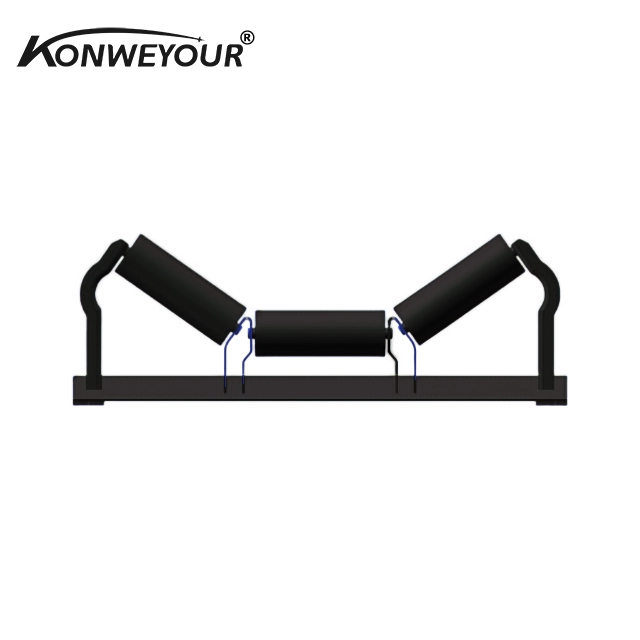
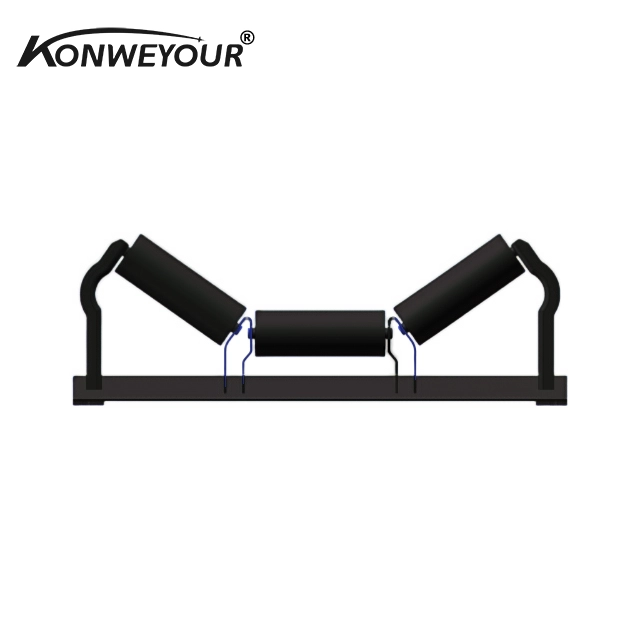
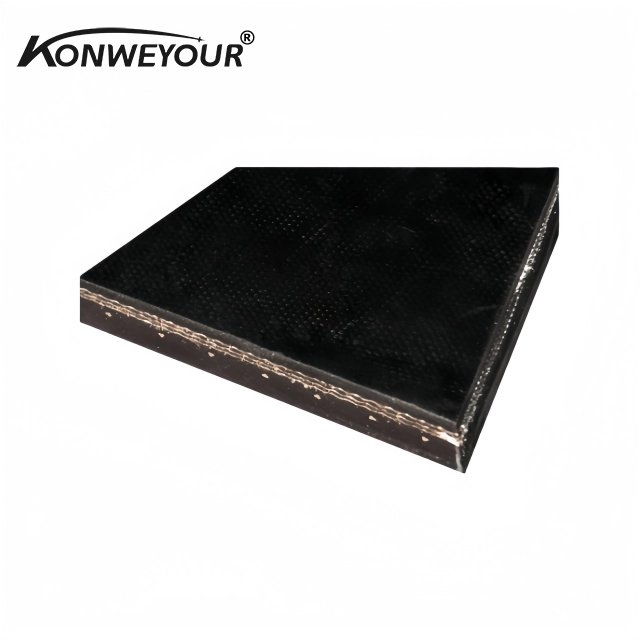
These conveyors often feature stainless steel frames and abrasion-resistant belts, ensuring longevity in harsh environments — from factories to relief depots.
3. Space Efficiency
The main selling point: fitting maximum conveyor length into minimum square footage. Sometimes, these systems stack or bend around columns or walls with ease.
4. Energy Efficiency & Control Systems
Modern serpentine conveyors incorporate variable frequency drives (VFDs) to match motor power to load demands, reducing electricity use.
5. Ease of Maintenance
Accessible parts and smart sensor integration help operators monitor belt wear or motor health remotely — meaning less downtime.
6. Customizability
Custom curvatures, load capacities, and integration options mean facilities can tailor systems to specific needs, from light parcels to heavy components.
Specifications of a Typical Serpentine Conveyor Model
| Specification |
Typical Range |
Notes |
| Belt Width |
300 - 1200 mm |
Depends on item size |
| Curve Radius |
300 - 1000 mm |
Determines bending tightness |
| Load Capacity |
Up to 50 kg/meter |
Varies with construction |
| Speed |
0.1 - 2 m/s |
Adjustable via VFD |
| Power Supply |
110/220V single-phase or 3-phase |
Configurable to site |
Vendor Comparison: Leading Serpentine Conveyor Providers
| Vendor |
Customization |
Lead Time |
Eco-Friendly Options |
Typical Industries |
| FlexiTrans Solutions |
High – bespoke curves & tech |
4-6 weeks |
Recycled belt options |
Food, Pharma, Logistics |
| ConveyRight Inc. |
Medium – limited curve radius |
3-5 weeks |
Energy efficient motors |
Automotive, Packaging |
| Global Conveyor Tech |
Low – mostly stock sizes |
2-4 weeks |
Standard efficiency |
Retail, Cold Storage |
Applications Around the World
The serpentine conveyor concept finds uses ranging from compact parcel sorting facilities in Europe to sprawling agricultural processing in Asia. For example:
- Post-disaster relief logistics: NGOs use serpentine conveyors in temporary warehouses to move supplies efficiently without building new infrastructure.
- Urban manufacturing hubs: In dense cities like Tokyo or New York, serpentine conveyors snake through floors and walls for optimal use of space.
- Cold chain facilities: The conveyors' modular design fits well in refrigerated warehouses, reducing energy consumption by enabling faster throughput.
It’s fascinating how such a simple geometric re-imagining of the conveyor belt layout can lead to major performance gains globally.
Advantages & Long-Term Value
- Cost Efficiency: Uses less floor space, which lowers real estate and building costs.
- Sustainability: Energy-efficient motors and longer-lasting components reduce environmental impact.
- Reliability & Safety: Designed to minimize jams and allow quick maintenance, keeping operations smooth.
- Social Impact: Enables faster distribution in emergencies, supporting community resilience.
Frankly, the emotional benefits of trust and reliability in day-to-day operations can’t be overstated.
Future Trends and Innovations
Looking ahead, serpentine conveyors will increasingly incorporate IoT sensors for real-time monitoring and predictive maintenance. Green energy powering these systems, maybe via onsite solar, is gaining traction. Automation and AI will boost adaptability, allowing conveyors to reroute on demand — sort of like smart highways for packages.
Common Challenges & Expert Tips for Solutions
Despite many positives, the curving nature can cause increased belt wear and complexity in motor coordination. To overcome these, experts recommend using high-quality polyurethane belts and advanced control algorithms to balance tension across bends.
FAQ: Frequently Asked Questions About Serpentine Conveyors
- Q: How do serpentine conveyors improve packing line efficiency?
-
A: By maximizing conveyor length in limited floor space, serpentine conveyors reduce transit time between process stations, increasing throughput and reducing labor costs.
- Q: Are serpentine conveyors adaptable for different product sizes?
-
A: Absolutely. Modular designs and adjustable belt widths allow easy customization for handling varied item dimensions without costly replacements.
- Q: What maintenance challenges do serpentine conveyors face?
-
A: The bends can cause more abrasion on belts and rollers, so periodic belt inspections and lubrication of moving parts are critical. Modern sensor tech can alert operators proactively.
- Q: Can serpentine conveyors integrate with existing warehouse automation?
-
A: Generally yes. Many systems support standardized communication protocols allowing seamless integration with warehouse management and robotic picking solutions.
Conclusion: Why Invest in a Serpentine Conveyor System?
To sum up, the serpentine conveyor stands out as a clever, space-saving, and efficient solution in materials handling with widespread industrial and humanitarian applications. It represents a convergence of practical engineering and innovative thinking that helps businesses and organizations do more with less space and energy.
Interested in exploring serpentine conveyors further? Visit our website: serpentine conveyor for detailed options and customized solutions.
Mini takeaway: Sometimes, it’s the way we curve the path, not just speed, that optimizes how goods move around the world.
References
- Wikipedia: Conveyor Belt
- World Bank: Transportation Overview
- International Organization for Standardization (ISO)