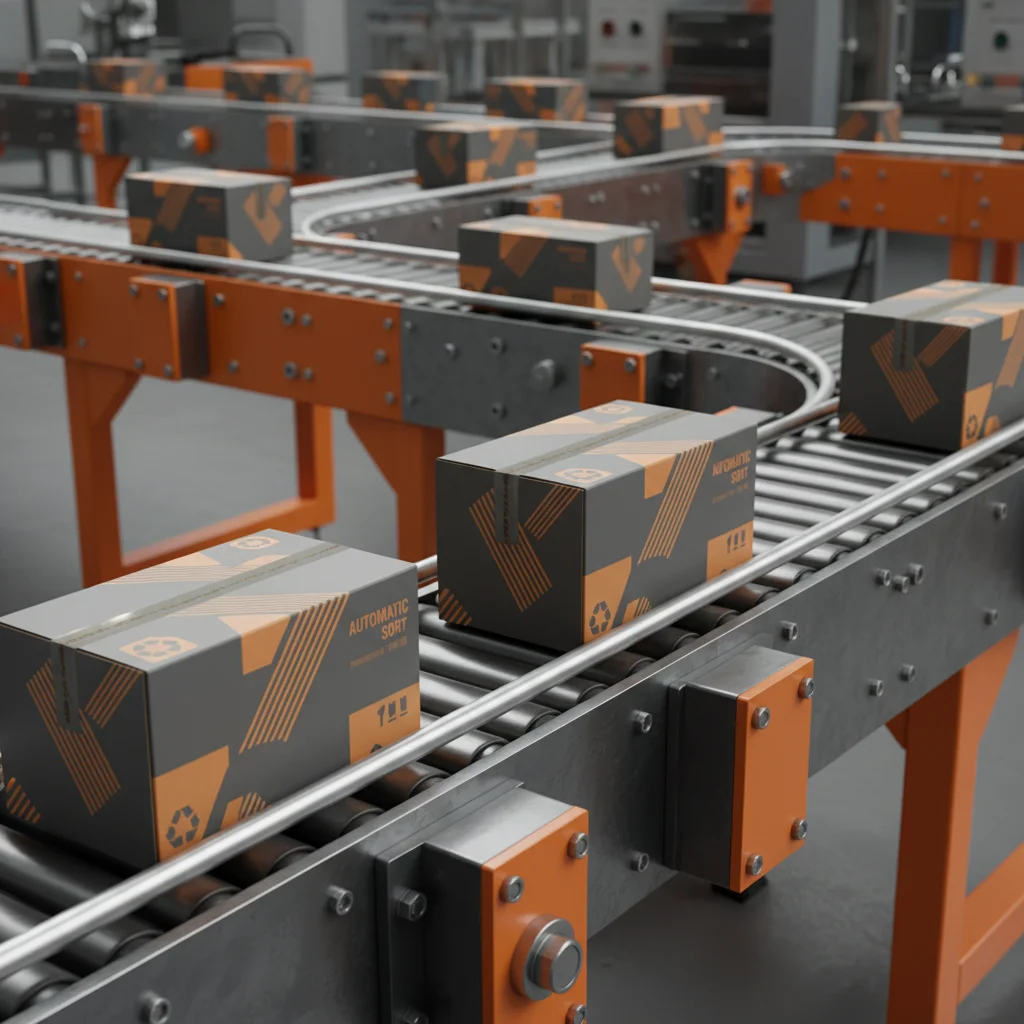
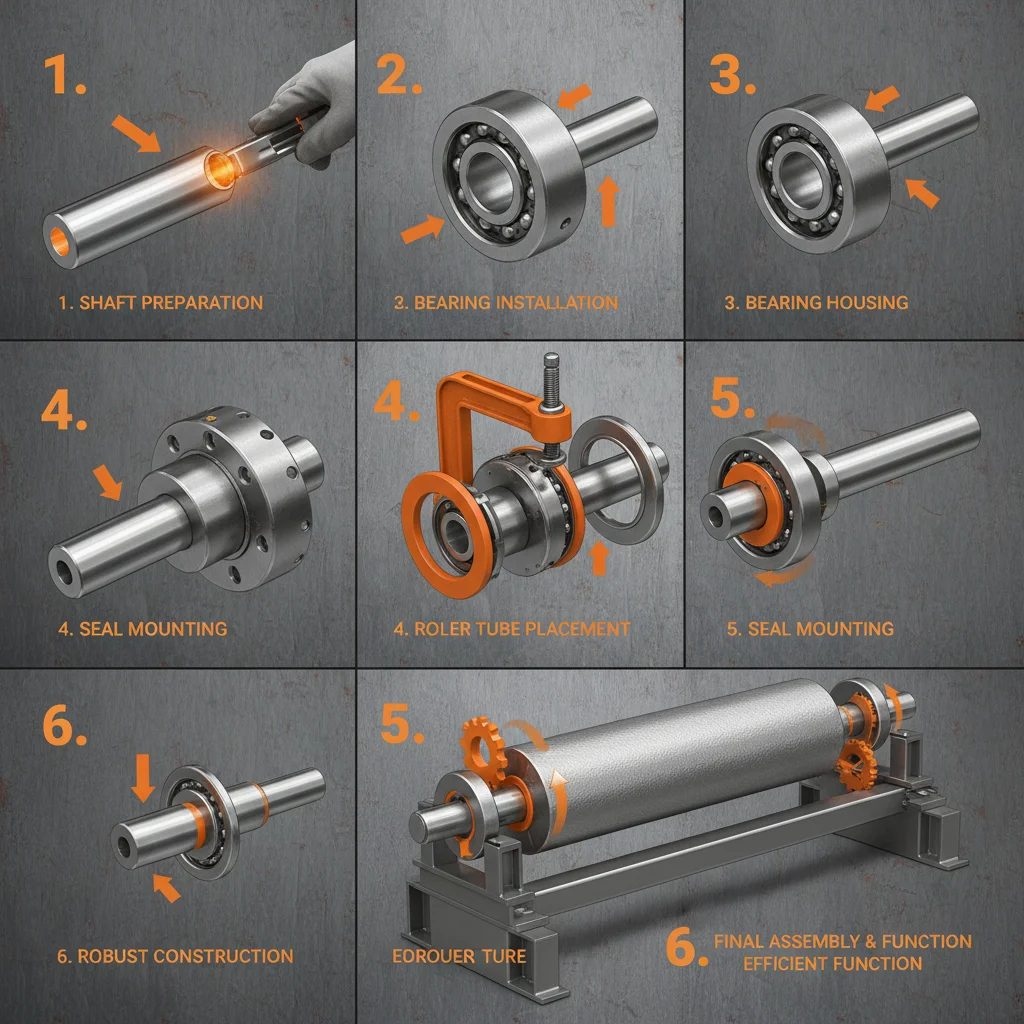
Understanding Rope Conveyor: The Backbone of Efficient Material Handling
Rope conveyor technology might not be the flashiest term you hear daily, but it quietly keeps industries moving worldwide. Simply put, a rope conveyor is a highly versatile, durable system designed for transporting materials, especially in challenging terrains or environments. In a global economy increasingly driven by logistics and industrial efficiency, grasping how this technology works and why it matters brings clarity to many infrastructure projects, mining ventures, and disaster relief operations.
Rope Conveyors: Why They Matter on a Global Scale
According to the United Nations Industrial Development Organization (UNIDO), effective material handling systems directly influence the productivity and safety of numerous industries — from mining in South America to construction in Asia. The rope conveyor fits neatly into this landscape, offering a solution to one perennial problem: how to transport bulk goods across rough or steep terrain reliably and cost-effectively. Oddly enough, while conveyor belts often get the spotlight, rope conveyors can tackle routes that typical belts struggle with, proving vital when infrastructure development lags behind demand.
What Is a Rope Conveyor?
Simply put, a rope conveyor uses a continuous loop of rope—usually made from steel or synthetic fibers—to move carriers or materials suspended beneath or alongside the rope. Think of it as a hybrid between a cable car and a conveyor belt. This system excels in areas where you need to overcome elevation changes, steep slopes, or even cross rivers and valleys. It feels a bit like an aerial lifeline but for your goods, not people.
Industries rely on rope conveyors not just because they’re cost-efficient, but because they provide a vital connection for raw materials and products, especially in places where roads are impractical or simply don’t exist.
Core Components of Rope Conveyors
1. Durability
One of the first things engineers look for is rope strength and longevity. Since these conveyors often operate outdoors and in harsh environments, the ropes—whether steel or specialized synthetic fibers—are engineered to resist abrasion, weathering, and high tensile stresses.
2. Scalability
From small-scale industrial setups to vast mining operations spanning several kilometers, rope conveyors scale surprisingly well. The modular nature allows adjustments to carrier size, rope thickness, and speed, tailoring the setup to precise needs.
3. Cost Efficiency
Compared to traditional conveyor belts or trucking over rough terrain, rope conveyors often come in much cheaper over the long term — both in initial setup and ongoing maintenance. There's a real advantage for projects where building extensive road networks is just not feasible financially or environmentally.
4. Energy Consumption
Rope conveyors generally consume less energy compared to motor vehicles moving the same bulk loads over similar distances and terrain. This translates into not just lower costs but smaller carbon footprints, making them friendly alternatives in sustainability-focused projects.
Typical Rope Conveyor Specifications
| Specification |
Description |
| Rope Material |
Steel wire rope or high-strength synthetic fiber |
| Load Capacity |
Up to 5,000 kg per carrier |
| Max Span Length |
Up to 2,000 meters (varies by design) |
| Typical Speed |
0.5 to 2 meters per second |
| Power Source |
Electric motors or diesel generators |
Global Applications and Real-World Use Cases
Rope conveyors often find their sweet spot in regions where mountainous terrain or environmental restrictions limit road construction.
- Mining in Chile's Andes: Here, rope conveyors help transport copper ore down steep valleys, reducing reliance on truck convoys that would otherwise burden fragile mountain roads.
- Disaster Relief in Remote Areas: In post-flood zones in Southeast Asia, rope conveyors have been deployed to deliver supplies over muddy or submerged ground quickly.
- Forestry Operators in Canada: Transporting logs across rivers and terrain without building permanent roads is made possible by these conveyor systems, minimizing environmental impacts.
Oddly enough, rope conveyors also pop up in specialized industries like ski resorts, moving equipment or goods above treacherous ground.
Vendor Comparison: Rope Conveyor Providers
| Vendor |
Product Range |
Customization |
Global Reach |
Typical Lead Time |
| JT Conveyor |
Standard & bespoke rope conveyors |
High |
Global |
4-6 weeks |
| Ropetec Inc. |
Niche industrial use |
Medium |
Regional (Europe) |
8-10 weeks |
| Elevate Solutions |
Heavy-duty rope conveyors |
Low |
Global |
6-8 weeks |
Advantages and Long-Term Value of Rope Conveyors
It’s not just about moving stuff from point A to point B — rope conveyors carry so much more weight in terms of practical benefits.
- Cost Savings: Lower infrastructure and maintenance costs compared to roads or rail.
- Sustainability: Reduced environmental disruption and lower energy consumption mean companies can meet green mandates more easily.
- Safety: Fewer accidents than trucking on unreliable mountain roads — a meaningful benefit to workers and residents alike.
- Social Impact: Access to remote areas for goods and services improves local livelihoods and emergency response.
Many engineers and operators I’ve met mention they trust rope conveyors because they offer “steady, predictable” service — the kind that’s invaluable when downtime costs are high.
Looking Ahead: Future Trends in Rope Conveyor Technology
Technology marches on, and rope conveyors are riding the wave, too. Think improved synthetic ropes with even higher tensile strength and corrosion resistance, embedded sensors for real-time monitoring, and automation that optimizes speed and load dynamically. Green energy integration is another promising angle — solar or wind-powered rope conveyors could one day operate off-grid in the most inaccessible places.
Challenges and Forward Solutions
Of course, no technology is perfect. Rope conveyors sometimes struggle with complex routing in cluttered industrial spaces, weather-related wear on ropes, or initial setup complexity. That said, emerging materials and engineering designs help mitigate these issues quickly. For example, better rope coatings fend off abrasion, and modular system designs now allow faster on-site assembly.
FAQ: Common Questions About Rope Conveyors
- Q1: What types of materials can rope conveyors handle?
- A: Rope conveyors are suitable for bulk materials like ores, timber, construction debris, and even packaged goods in some cases. Their design allows carrying heavy loads over long distances and difficult terrain effectively.
- Q2: How do rope conveyors compare with traditional conveyor belts?
- A: Unlike standard belts that require flat surfaces and gentle slope, rope conveyors excel in steep or uneven terrain where belts aren't practical. They can suspend and move loads over rivers, valleys, or rough ground with ease.
- Q3: Can the speed of a rope conveyor be adjusted?
- A: Absolutely — rope conveyor speed is typically adjustable to optimize energy use and throughput. Most systems operate between 0.5 and 2 meters per second, depending on the application.
- Q4: What maintenance challenges should operators expect?
- A: Routine inspection of ropes for wear, lubrication, and checking carrier attachments are common. Advances in sensor tech help signal issues before failures occur, reducing downtime.
- Q5: Are rope conveyors environmentally friendly?
- A: Yes. Their lower energy consumption and minimal ground disturbance compared with vehicle hauling or road building make rope conveyors a greener choice for many projects.
Wrapping Up: Why Rope Conveyors Are Worth Considering
So, to sum up, whether you’re managing a remote mining operation, tackling a logistics challenge in a disaster zone, or committing to greener industrial solutions, rope conveyors deserve a closer look. They blend the traditional with the advanced, offering reliable, scalable, and sustainable transport where many alternatives just don’t reach.
If you want to explore detailed offerings or tailored solutions, visit our website — we think you’ll be surprised how practical and cost-effective rope conveyors can be.
To me, rope conveyors feel like that quiet workhorse: unassuming but absolutely vital in tough places. And with ongoing innovation, their future looks even brighter.
References:
- United Nations Industrial Development Organization (UNIDO)
- Wikipedia: Conveyor Belt
- International Organization for Standardization (ISO)