Understanding Conveyor Belt Parts and Their Functions
Having spent more than a decade working hands-on with industrial conveyor systems, I can tell you—there’s more to conveyor belt parts than just a long strip of rubber or fabric moving stuff around. You know, it’s kind of like the arteries and organs of your production line, crucial yet often overlooked. So, I thought I’d share a bit of what I’ve learned about the typical conveyor belt components, their roles, and yes, why picking quality parts truly matters.
First off, let's talk about the conveyor belt parts themselves. At the heart of any system is the belt, typically made from layers of fabric, rubber, or PVC, to handle different kinds of materials—whether it’s sand, boxes, or even delicate electronics. What I noticed early on is that a belt’s composition and thickness aren't arbitrary; they’re engineered to endure tension, abrasion, and sometimes extreme temperatures. Frankly, getting the wrong belt can mean downtime, which nobody likes.
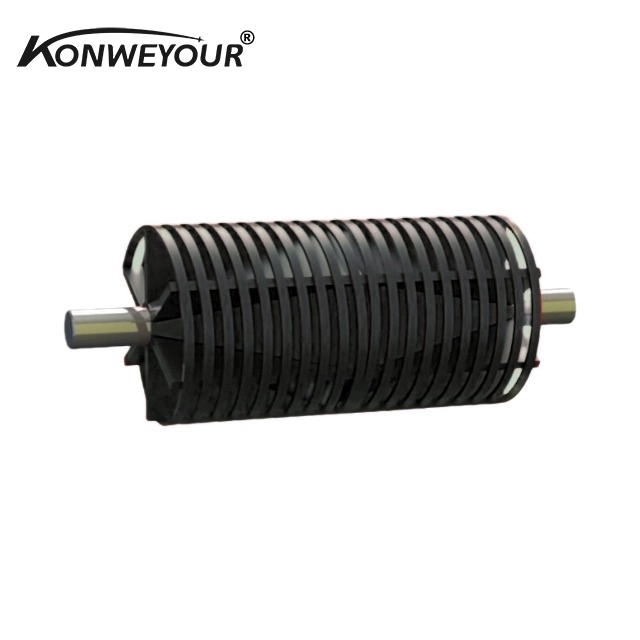
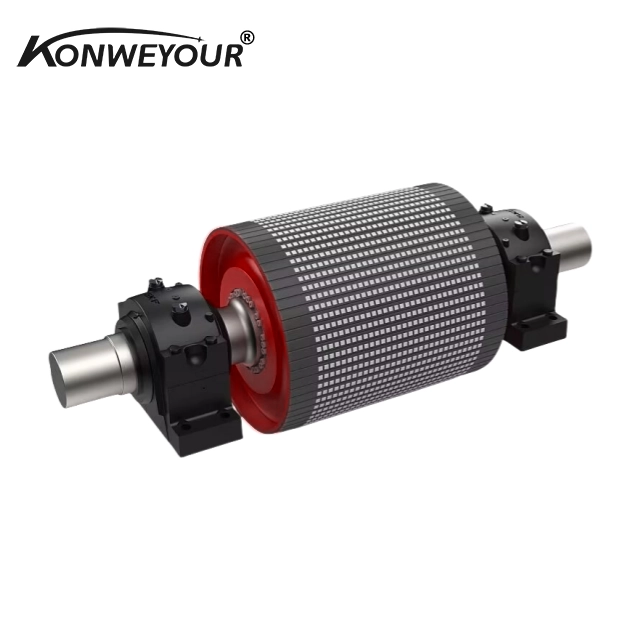
Beyond the belt, there’s a host of components pulling their own weight. Take the rollers and pulleys, for example. These cylindrical parts support and drive the belt, reducing friction and keeping things moving smoothly. Without them, conveyor belts would sag and fail prematurely. You might be surprised how much wear those rollers take; in one factory I visited, replacing them on schedule saved the line from a nasty shutdown.
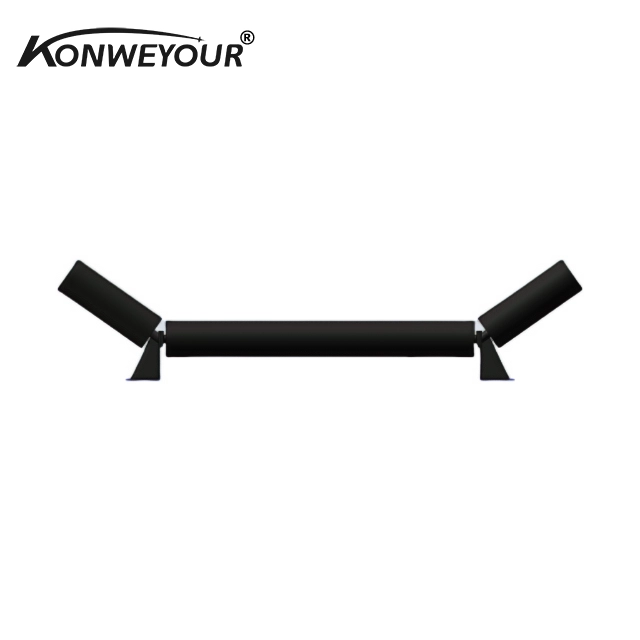
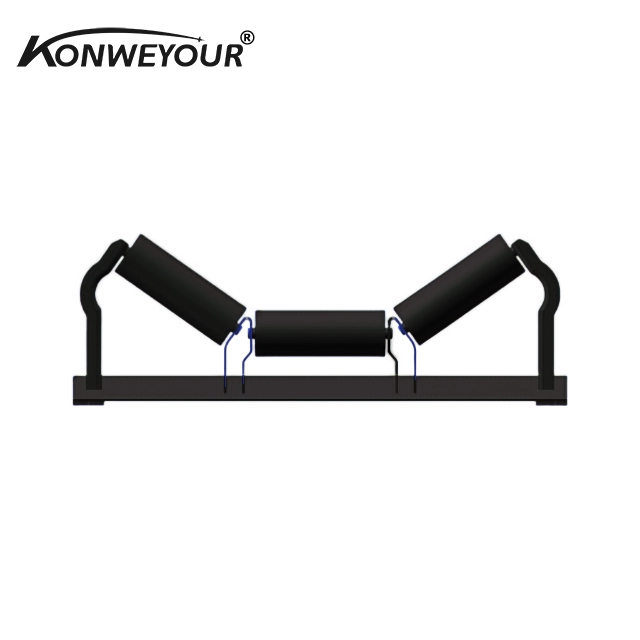
Then, you have the idlers—kind of like the unsung sidekicks. They support the belt and material load but don’t drive the belt themselves. Different configurations, such as trough, return, or impact idlers, serve distinct purposes based on material type or load weight. Many engineers I’ve talked to stress that choosing the right idler can improve efficiency and cut energy costs.
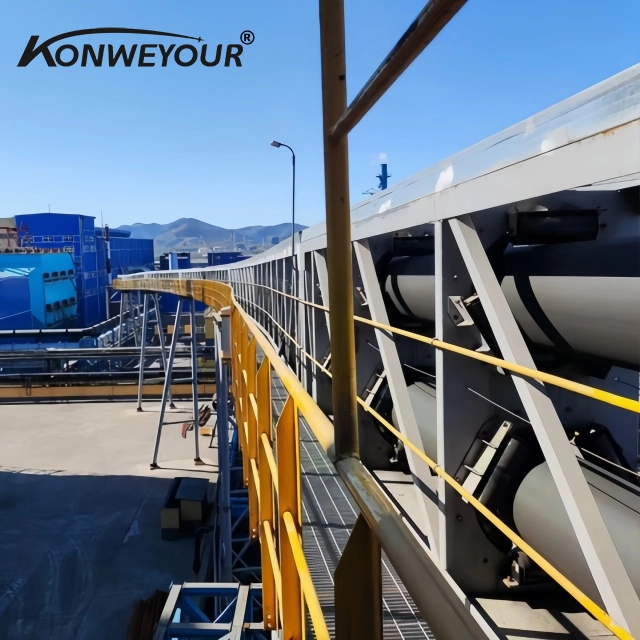
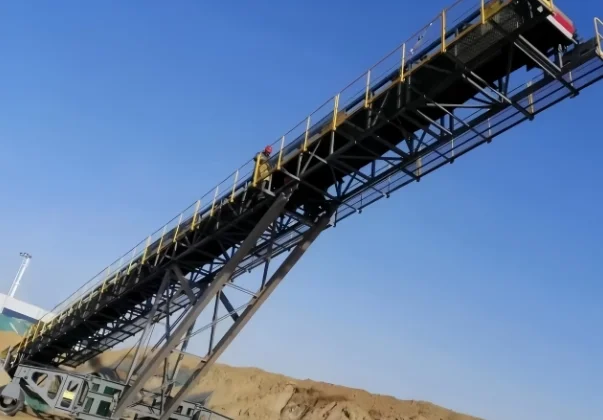
The conveyor frame or structure, often made from steel or aluminum, provides the skeleton. Oddly enough, it’s sometimes underestimated, though its rigidity and resistance to environmental factors are vital for long-term reliability. Weather exposure, dust, or corrosive substances can wreak havoc here.
And it’s not just about parts standing still; maintenance items like cleaning devices and safety guards play a big role. You’d be surprised how often a simple belt scraper or a well-placed guard prevents failures and accidents.
I suppose it’s worth mentioning that customization of conveyor belt parts is a growing trend. Clients I’ve worked with often request tailored solutions—whether it’s fire-resistant belts or heavy-duty rollers for mining operations. It speaks to how diverse these systems are and why a one-size-fits-all approach rarely works.
Typical Conveyor Belt Part Specifications
| Part |
Material |
Typical Lifespan |
Common Use |
| Conveyor Belt |
Rubber, PVC, Fabric |
3-5 years (varies with use) |
Material transport |
| Rollers |
Steel, Aluminum |
2-4 years |
Support & movement |
| Idlers |
Steel, Plastic |
2-3 years |
Belt support |
| Frame |
Steel, Aluminum |
10+ years |
Structural support |
Vendor Comparison for Conveyor Belt Parts
| Feature |
JT Conveyor |
Competitor A |
Competitor B |
| Product Range |
Comprehensive, customizable |
Limited options |
Moderate variety |
| Lead Time |
2-3 weeks |
4-6 weeks |
3-5 weeks |
| Quality & Durability |
High, industry-tested |
Medium |
Medium-high |
| Customer Service |
Responsive, knowledgeable |
Average |
Good |
Over the years, I've noticed a pattern: companies that invest time into understanding their conveyor belt parts—their functions and maintenance—end up saving significant time and money in the long run. One manufacturing plant I worked with cut its conveyor downtime by half after switching to quality rollers and more precise idler placement. That’s the sort of practical insight you only get being in the trenches a bit.
So, if you’re considering upgrades or just curious, remember that a conveyor system is a sum of many parts working together. Neglect even one of those, and you risk headaches down the line. Frankly, quality parts matched to your operational needs make all the difference.
In real terms, treat your conveyor belt parts like the foundation they are. They keep your processes flowing, literally.
References:
1. Conveying and Sorting Systems Handbook, 2019
2. “Optimizing Conveyor Performance,” Industrial Maintenance Journal, 2022
3. Personal experience consulting for midwest manufacturing firms, 2012-2023