Understanding the Coal Handling Conveyor: A Backbone of Modern Industry
The coal handling conveyor is, quite simply, a pivotal element in the heavy industries that power economies worldwide. From electricity generation to steel manufacturing, these systems move massive quantities of coal efficiently and safely. While it may sound a bit niche, the importance of coal handling conveyors goes beyond just transport: they represent innovation in industrial logistics, environmental management, and infrastructure resilience.
Globally, coal remains a major energy source in numerous countries (oddly enough despite renewables growing fast). According to the International Energy Agency, coal accounted for about 36% of global electricity generation in 2022 — that’s huge. Yet, handling coal safely and sustainably poses challenges like dust control, spillage, and constant wear and tear. That’s where advanced coal handling conveyor solutions come into play, helping industries optimize performance while minimizing environmental impact and operational risks.
What is a Coal Handling Conveyor?
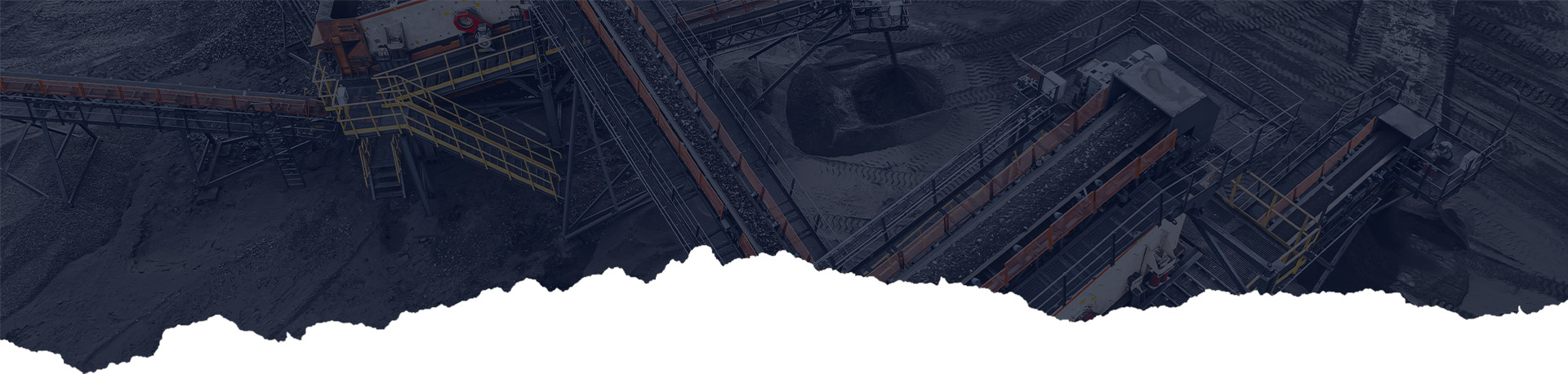
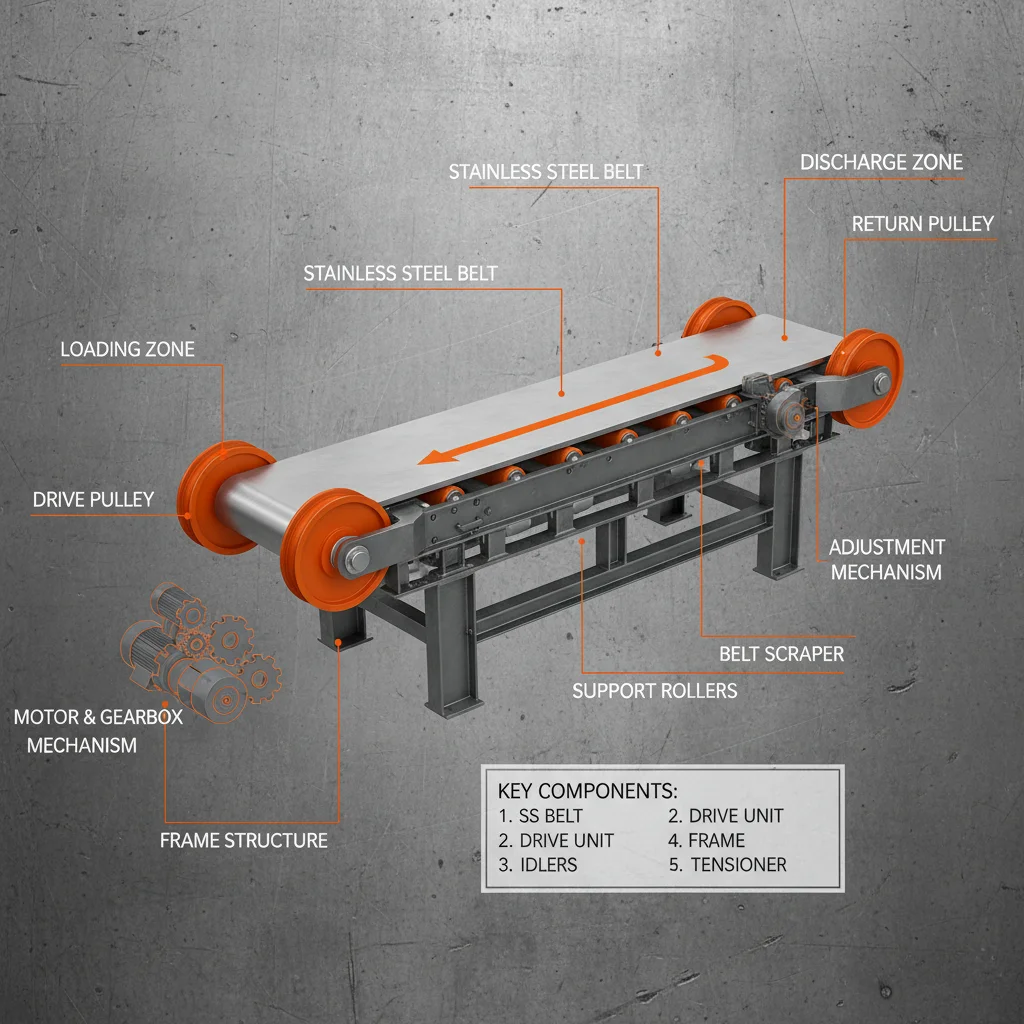
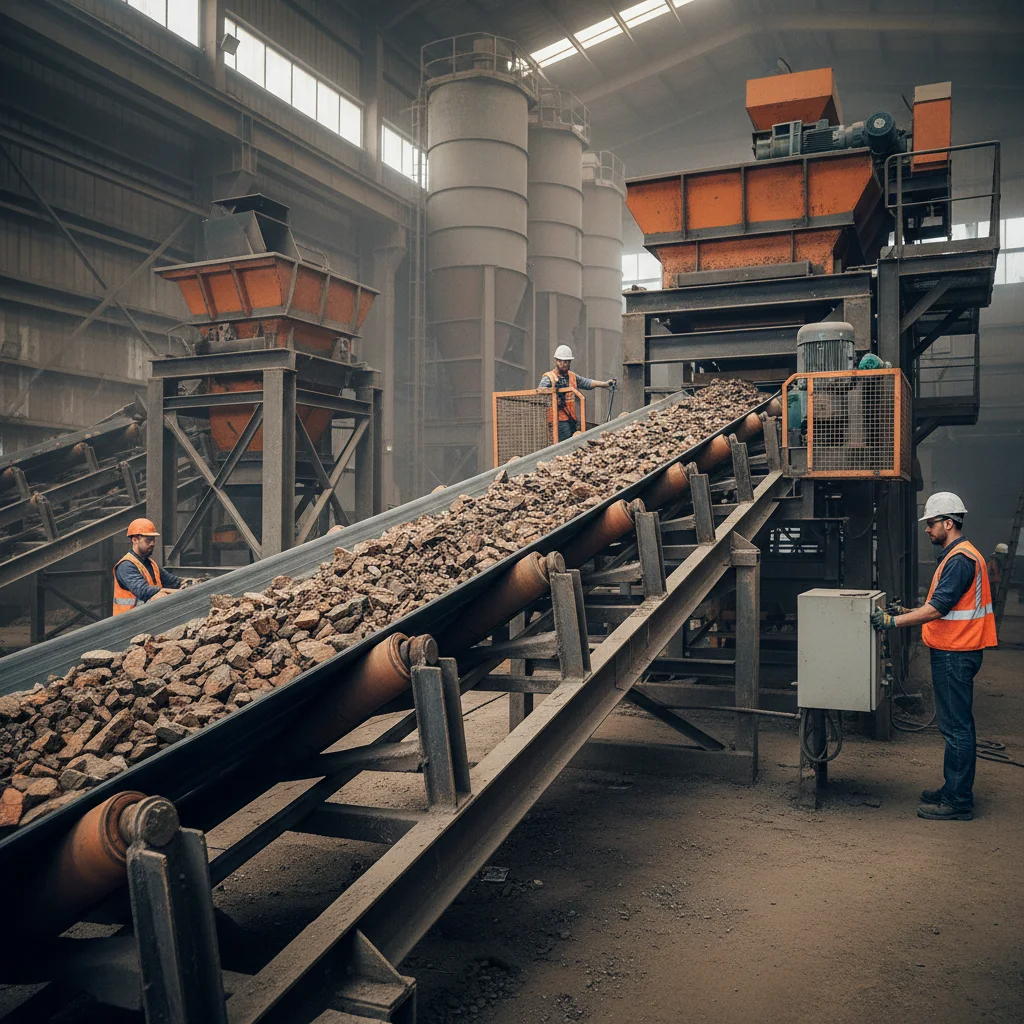
At its simplest, a coal handling conveyor is a mechanical system designed to transport coal — sometimes thousands of tons per hour — from mining sites to power plants or storage yards. These conveyors usually consist of motor-driven belts or chains that carry coal over long distances. While the concept sounds straightforward, the engineering behind it is anything but trivial.
Coal handling conveyors connect the dots between mining, transportation, and energy generation, making this system essential especially in regions where coal remains a reliable and affordable fuel. It also supports humanitarian aspects by enabling efficient power supply critical for hospitals, schools, and communities.
Core Components and Key Factors
1. Durability and Wear Resistance
Coal conveyors deal with abrasive materials and harsh environments — dust, moisture, even extreme temperatures. So, durability is non-negotiable. Special abrasion-resistant belts and steel components extend lifespan, which saves money and down time in the long run.
2. Scalability and Capacity
Depending on needs, coal handling conveyors must scale from small plant operations to huge, multi-kilometer long systems. Engineers carefully design load capacities, belt speeds, and power systems to match demand without waste.
3. Dust and Environmental Control
Coal dust is not just a cleanliness nuisance; it’s a health hazard and pollutant. Many modern conveyors incorporate dust suppression systems, covers, and sensors to contain emissions — reflecting a growing focus on environmental standards aligned with ISO 14001.
4. Automation and Monitoring
Smart conveyor systems use IoT devices for real-time monitoring — from belt speed to motor temperature — enabling predictive maintenance and reducing unexpected breakdowns. This shift towards digitalization is transforming traditional operations.
5. Cost Efficiency
High upfront investment can be daunting, but lifecycle cost savings from energy efficiency, reduced manual labor, and fewer maintenance requirements often outweigh that.
Key Product Specifications of a Typical Coal Handling Conveyor
| Specification |
Details |
| Belt Width |
800 mm – 2000 mm |
| Load Capacity |
Up to 4000 tons/hour |
| Speed Range |
1 m/s – 6 m/s adjustable |
| Power Source |
Electric motors (variable frequency drives) |
| Dust Control |
Enclosures, water sprays, filtering units |
Global Applications & Use Cases
Coal handling conveyors are vital in numerous contexts, but let's look at a few standout examples:
- Power Plants: In countries like India, China, and the US, coal conveyors transport raw coal directly from mines or rail yards to power station storage and boilers. This smooth flow keeps millions of homes lit and warm.
- Steel Industry: Steel mills in Germany and Japan rely heavily on conveyors to handle coking coal efficiently, reducing plant downtime.
- Remote Mining Operations: In Australia’s vast outback or Siberia’s harsh winters, conveyor systems enable moving coal over rugged terrain where trucks aren’t practical.
- Disaster Recovery: Oddly enough, after floods or storms disrupt normal transport, conveyor systems can be rapidly deployed to reestablish coal supply chains for critical infrastructure.
Mini takeaway: From powering cities to supporting industry in remote places, coal handling conveyors keep essential energy and production chains running reliably.
Comparing Leading Vendors of Coal Handling Conveyor Systems
| Vendor |
Durability |
Tech Features |
Range of Capacities |
Customer Support |
| JT Conveyors |
High abrasion-resistant parts |
IoT monitoring, automated controls |
500 – 4000 tons/hr |
24/7 technical helpdesk |
| Global Conveyors Inc. |
Steel reinforced belts |
Basic sensors, manual alerts |
1000 – 3000 tons/hr |
Business hours support |
| Conveyor Tech Ltd. |
Moderate wear-resistant |
Advanced control panels |
800 – 2500 tons/hr |
Dedicated local reps |
Advantages & Long-Term Value
If you think about the sheer amount of coal a facility moves daily, the benefits of a well-designed conveyor system become clear fast. Here are some key advantages:
- Cost Reduction: Less manual labor and fewer equipment breakdowns translate to lower operational costs.
- Environmental Sustainability: Dust control and efficient fuel consumption reduce the ecological footprint, aligning with ISO environmental standards.
- Safety Enhancement: Automated systems reduce human exposure to hazardous dust and moving parts.
- Reliability: Consistent coal supply supports uninterrupted power generation — vital for everything from hospitals to manufacturing lines.
- Social Impact: Stable energy availability supports community development and economic growth.
Emotionally, that reliability builds trust among workers and communities who depend on these infra-heavy systems. Innovations in conveyors also indicate progress and investment in a sustainable industrial future.
Future Trends & Innovations
The coal industry isn’t fossilized — it’s evolving, partly because of strict environmental policies and partly through new tech:
- Green Tech Integration: Hybrid drives and energy-efficient motors reduce power consumption.
- Digital Twins & AI: Simulating conveyor behavior enables smarter maintenance and optimization.
- Modular Designs: Enhance flexibility for expanding mines or shifting supply routes.
- Dust-Free Innovations: Enhanced casing, electrostatic dust capture, and water recycling systems emerge.
Challenges & Practical Solutions
Sure, coal handling conveyors face issues like belt wear, dust emissions, and occasional downtime. But with expert design and preventive maintenance, these can be minimized. Methods such as using abrasion-resistant liners, regular system audits, and investing in remote monitoring prove effective. Plus, training operational staff remains essential so tech improvements actually translate into better performance.
FAQs About Coal Handling Conveyors
-
Q: How often should a coal handling conveyor’s belt be replaced?
A: Typically, conveyor belts last 5-7 years depending on material abrasiveness and maintenance. Regular inspections can extend this lifespan by addressing wear early.
-
Q: What environmental controls are common on coal conveyors?
A: Common measures include covered belts, water sprays to suppress dust, enclosed transfer points, and air filtration systems to meet environmental regulations.
-
Q: Can automation significantly reduce downtime in coal handling?
A: Absolutely. Automated sensors identify issues early, triggering maintenance alerts before failures occur, which reduces unexpected downtime.
-
Q: Are coal handling conveyors adaptable to other bulk materials?
A: Yes, many systems designed for coal can handle ores, minerals, or aggregates with slight adjustments to belt materials and speeds.
Conclusion
In real terms, the coal handling conveyor is much more than just a belt moving coal. It’s the connective tissue in the global energy chain, a system that embodies durability, efficiency, and steadily evolving innovation. Whether you’re in mining, power generation, or industrial logistics, understanding and investing in quality conveyor systems maximizes productivity and sustainability.
If your operation depends on coal transport, consider exploring trusted solutions available at JT Conveyor. Their expertise and technology suite can help future-proof your handling process.
In closing, I suppose it’s safe to say: the coal handling conveyor quietly but indispensably keeps much of our world switched on, powering livelihoods and progress alike.
References
- International Energy Agency (IEA), Coal Statistics
- Wikipedia, Conveyor belt
- ISO 14001: Environmental Management Standards