Understanding a Conveyor: The Backbone of Modern Industry
You may not always notice it, but a conveyor is everywhere—in factories, airports, warehouses, even grocery stores. From the humbly simple belt moving packages to complex automated lines transporting parts seamlessly, the conveyor is pivotal in today's supply chain and industrial systems. And frankly, understanding what a conveyor is and how it shapes global trade and humanitarian efforts can open your eyes to the invisible yet essential logistics underpinning much of modern life.
Why Conveyor Systems Matter Globally
According to the International Organization for Standardization (ISO), conveyors boost productivity by automating repetitive tasks, reducing manual handling risks, and speeding up throughput significantly. The World Bank estimates that over 70% of global manufacturing output processes rely on conveyors or mechanized transport lines in some form. It's not just industrial efficiency; conveyors also play crucial roles in humanitarian supply chains—especially in disaster response, where rapid distribution of aid is vital.
However, challenges remain—like energy consumption and adaptability to diverse environments—that industry leaders continuously address. Below, we explore the essence of what a conveyor is and why it’s so essential worldwide.
What Exactly Is a Conveyor?
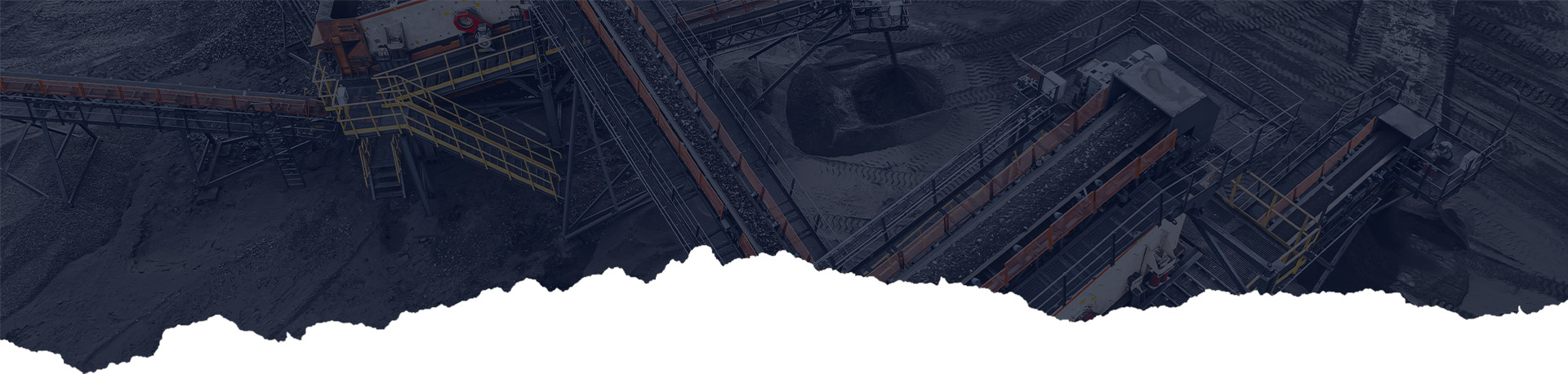
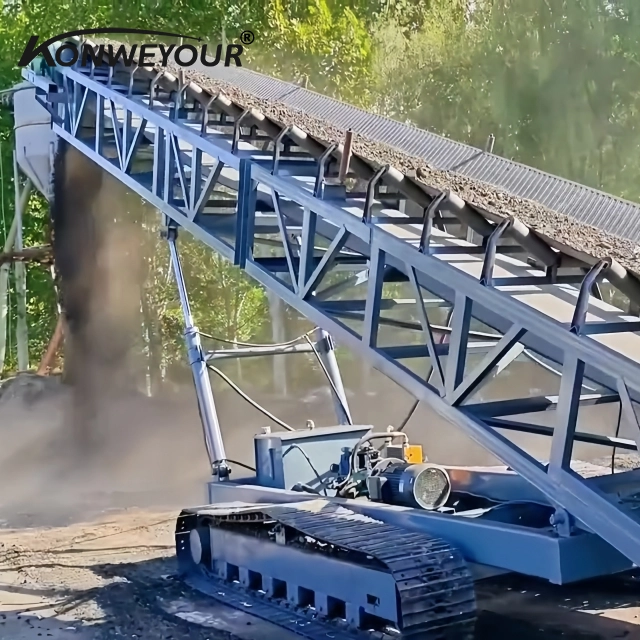
Simply put, a conveyor is a mechanical system designed to move materials from one point to another automatically. Think of it as a continuous moving surface—often a belt or rollers—that transports goods efficiently with minimal human effort. From heavy-duty industrial conveyors transporting mined ores to delicate lines moving electronics parts, the basic principle stays the same.
In modern industry, conveyors are the arteries of production lines, connecting steps meticulously to ensure seamless operations. In humanitarian contexts, such systems facilitate the speedy distribution of supplies when time is critical. Conveyors ultimately save labor, time, and cost—cornerstones of efficient operations everywhere.
Core Components and Key Factors of a Conveyor
1. Durability
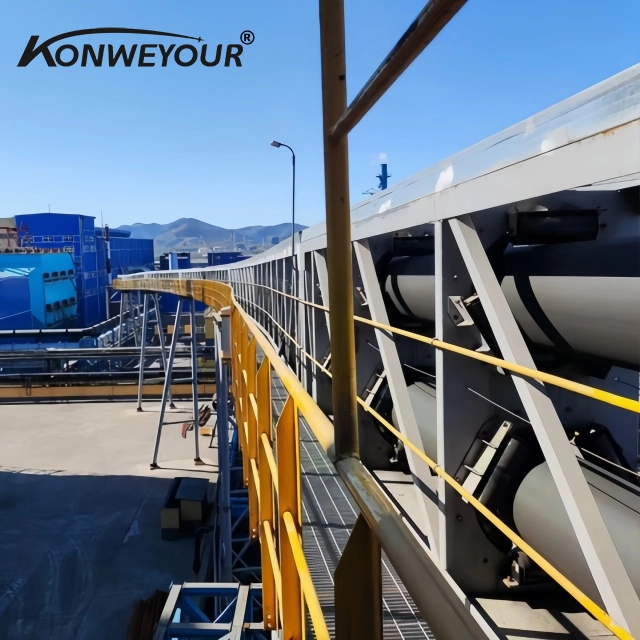
Conveyors face continuous wear and tear, often under heavy load or harsh conditions. Durability, therefore, is paramount. Materials like reinforced steel frames, abrasion-resistant belts, and weatherproof parts markedly extend lifespan and minimize downtime.
2. Scalability
The beauty of conveyors lies in their scalability. Small systems can be upgraded or integrated into complex networks without extensive redesign — sometimes you just add another module or adjust belt speed to match new output demands.
3. Cost Efficiency
Upfront investment in conveyors can be steep but think long term: savings come from reduced manual labor, fewer accidents, and increased throughput. Plus, maintenance-friendly designs cut down running costs.
4. Flexibility
Modern conveyors can be configured for varying product sizes, weights, and shapes. Modular designs allow easy adaptation—a must for industries dealing with diverse goods or variable batch sizes.
5. Energy Consumption
A growing focus is on minimizing energy use. Innovations in low-friction materials and smart drive systems are making conveyors greener, aligning with global sustainability goals.
Mini Takeaway:
Durability, scalability, cost efficiency, flexibility, and energy use are pillars that define a conveyor’s value. These factors directly impact operational success, whether in factories or emergency sites.
Global Applications and Use Cases
Across continents, conveyors solve countless logistical puzzles. In North America, automotive plants rely on precision conveyors for parts assembly. Europe uses sophisticated systems in airports for baggage handling. Asia’s booming e-commerce sector depends on automated conveyors in fulfillment centers to swiftly process millions of orders daily.
In humanitarian contexts, conveyors enable rapid packaging and dispatching of food and medical supplies during crises. For example, after the 2015 Nepal earthquake, relief organizations quickly deployed portable conveyor systems to streamline aid loading—making ends meet efficiently even in remote mountain terrain.
Advantages and Long-Term Value
- Cost Savings: Automation reduces manual labor costs and injury-related expenses.
- Sustainability: Energy-efficient conveyors lower carbon footprints.
- Safety: Minimizing human contact with heavy or hazardous materials boosts workplace safety.
- Scalability: You can grow your system as business needs evolve.
- Reliability: Properly maintained conveyors offer consistent performance.
- Social Impact: In disaster relief, conveyors help save lives by speeding aid distribution.
Honestly, when you consider it, a conveyor blends practical innovation with social good—a balance not always easy to strike.
Future Trends and Innovations
The conveyor landscape is rapidly evolving. Digitization is pushing “smart conveyors” that integrate IoT sensors for real-time monitoring—predictive maintenance reduces unexpected failures. Also, renewable energy-powered conveyors are emerging, cutting reliance on fossil fuels.
New materials like graphene-enhanced belts and lightweight alloys improve durability and reduce weight. Automation and robotics integration mean conveyors may soon handle tasks from sorting to quality control autonomously.
Challenges and Solutions
Yet, no system is perfect. Conveyors can struggle with uneven terrain, non-standard goods, or complex layouts. Plus, energy costs remain a real concern for heavy-duty systems.
To tackle these, engineers employ modular designs, adjustable speed controls, and hybrid power systems combining solar or battery energy. Collaboration between manufacturers and end-users also fosters tailored solutions.
Product Specification Table for a Typical Industrial Conveyor
| Specification |
Details |
| Belt Length |
10 - 50 meters (customizable) |
| Belt Material |
PVC, Rubber, or Steel Modular |
| Max Load Capacity |
Up to 5000 kg |
| Speed Range |
0.5 - 3.0 meters/sec |
| Motor Type |
Electric, variable frequency drive support |
| Power Supply |
220V / 380V, 3-phase options |
Vendor Comparison: Conveyor Solutions Providers
| Feature |
JT Conveyor |
Global Convey |
EcoMove Systems |
| Customization Options |
High (modular & integration) |
Medium |
Low (focus on green tech) |
| Lead Time |
4-6 weeks |
6-8 weeks |
8-10 weeks |
| Energy Efficiency |
Standard with upgrade options |
Standard |
High (solar integration) |
| After-sales Support |
24/7 Support & Training |
Business Hours |
Remote monitoring only |
Frequently Asked Questions About a Conveyor
Q1: How often should conveyor belts be inspected or replaced?
Regular inspections are recommended every 3-6 months depending on usage. Signs like cracks, fraying edges, or unusual wear indicate replacement is necessary to avoid downtime or accidents.
Q2: Can conveyors be used outdoors or in harsh environments?
Absolutely. Many conveyors are built with weather-resistant materials and sealed motors for outdoor use. Specialized coatings protect against corrosion in harsh conditions.
Q3: What types of products can be transported on a conveyor?
From small electronics to heavy industrial goods, conveyors are adaptable. Belt types and speeds vary depending on product size, weight, and sensitivity.
Q4: How energy-efficient are modern conveyors?
Modern conveyors use energy-efficient motors and materials to minimize power consumption. Incorporating smart controls can further optimize energy use based on demand.
Q5: Is it possible to integrate conveyors into existing automation systems?
Yes, most conveyors are designed with interfaces to connect with factory automation networks for seamless data and control integration.
Conclusion
In the end, a conveyor isn’t just a mechanical belt—it’s the lifeline of countless industries and humanitarian efforts globally. Its influence on efficiency, safety, and sustainability is profound. Whether you’re optimizing a factory line or supporting disaster relief logistics, appreciating the conveyor’s role can lead to smarter decisions and innovations.
Ready to upgrade or learn more? Visit our website for tailored conveyor solutions built to fit your unique needs.
It’s worth remembering: sometimes, the most unassuming technology quietly drives the biggest changes.
References
- International Organization for Standardization (ISO)
- World Bank Data on Manufacturing
- Wikipedia: Conveyor Belt