Understanding the Conveyor 90 Degree Turn: A Critical Component in Modern Material Handling
If you’ve ever worked in manufacturing, warehousing, or logistics, you probably know how essential conveyors are for moving goods efficiently. Among conveyor components, the conveyor 90 degree turn is an indispensable feature, enabling materials to change direction without halting flow. It sounds straightforward, but its role in global supply chains and industrial processes is huge and often underestimated. This article unpacks what a conveyor 90 degree turn is, why it matters worldwide, and the benefits it offers in keeping goods moving smoothly, safely, and cost-effectively.
Introduction: Why Conveyor 90 Degree Turns Matter on a Global Scale
With globalization intensifying, materials handling systems have become the backbone of worldwide trade. According to the International Organization for Standardization (ISO), efficient material flow reduces operational costs significantly, a fact underscored by the booming ecommerce sector’s demand for rapid, reliable distribution. So when products need to shift direction quickly within a distribution center, a conveyor 90 degree turn provides a smart, space-saving solution. Yet, challenges remain—adapting these turns to rugged environments or tight industrial footprints isn't always easy. That’s why understanding these components is key for engineers and logistics managers alike.
What is a Conveyor 90 Degree Turn?
Simply put, a conveyor 90 degree turn is a conveyor system element designed to redirect objects through a right angle (90 degrees) while they’re in motion. Instead of stopping or manually transferring items, this component smoothly changes the transport direction: say, moving goods along an assembly line then turning them left or right to another station. It’s a small pivot but huge for workflow optimization.
In broader terms, these turns are critical for modern industrial setups, from automotive assembly plants to humanitarian relief logistics, where speed and precision are essential.
Core Components of Conveyor 90 Degree Turns
1. Durability
The materials and construction must withstand continuous use and varying loads, often in harsh conditions. High-grade steel rollers or modular belts are commonly used.
2. Scalability
Whether for small-scale warehouse operations or massive manufacturing plants, these turns should adapt to conveyor widths, speeds, and load types.
3. Cost Efficiency
While essential, these systems need to balance reliability with budget constraints. Manufacturers often focus on modular designs to reduce downtime and maintenance costs.
4. Safety
Moving parts pose pinch points and risks. Guards, sensors, and ergonomic considerations make sure workers stay safe while conveyors keep running.
5. Maintenance & Ease of Installation
Quick installation and simple maintenance routines minimize operational interruptions, which is vital in fast-paced settings.
6. Flexibility
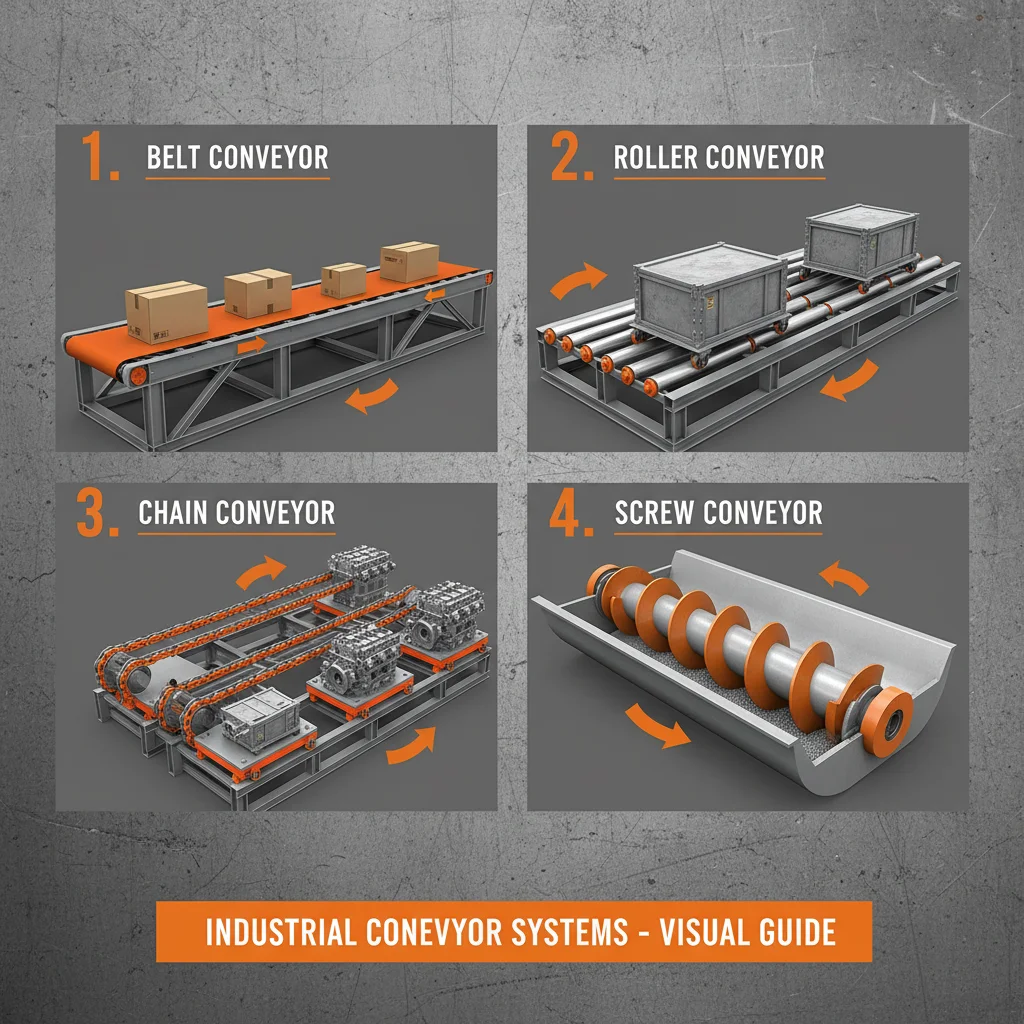
Conveyor 90 degree turns come in various types—roller, belt-driven, or transfer units—to suit different load sizes, weights, and shapes.
Mini takeaway: Conveyor 90 degree turns are more than just “bends” in a line — they combine durability, safety, flexibility, and cost-efficiency to keep materials flowing seamlessly.
Global Applications & Use Cases
From North American fulfillment centers to Asian manufacturing hubs, conveyor 90 degree turns are everywhere. In post-disaster scenarios, such as the 2010 Haiti earthquake relief effort, rapid deployment warehouses used conveyor systems with 90 degree turns to route supplies efficiently under time pressure. In automotive plants across Europe, these turns handle heavy parts, optimizing assembly sequences. Even agricultural operations in Australia employ these conveyors to move harvested crops through processing plants without bottlenecks.
Oddly enough, many humanitarian organizations have found that using portable conveyors with 90 degree turns helps streamline aid distribution in remote or rugged terrain, where manual handling would be slow and hazardous. It’s remarkable how a small mechanical twist can make a big difference on the ground.
For more details on customized solutions, check out conveyor 90 degree turn options that serve a wide variety of industries worldwide.
Advantages & Long-Term Value
- Cost reduction: Reduces labor needs and speeds up material throughput.
- Sustainability: Long-lasting components reduce waste and resource use, aligning with ISO 14001 environmental standards.
- Social impact: Improves workplace safety by minimizing manual handling.
- Reliability: Consistent flow reduces machine downtime.
Beyond numbers, there’s a trust factor: teams see these conveyor turns as facilitators of smooth workflows, which boosts morale and operational confidence.
Typical Product Specification Comparison
| Feature |
Roller Turn |
Belt Turn |
| Load Capacity |
Up to 50 kg per item |
Up to 25 kg per item |
| Suitable Items |
Boxes, totes, pallets |
Fragile or irregular shape |
| Speed Range |
Up to 60 m/min |
Up to 40 m/min |
| Maintenance |
Quarterly lubrication |
Monthly belt checks |
Comparing Leading Vendors in Conveyor 90 Degree Turns
| Vendor |
Product Range |
Customization |
Lead Time |
Pricing Tier |
| JT Conveyor |
Modular, belt, roller |
High |
2-4 weeks |
Mid-range |
| Global Convey |
Standard roller only |
Low |
4-6 weeks |
Budget |
| TechTurn Solutions |
Belt & powered roller |
Medium |
3-5 weeks |
Premium |
Future Trends & Innovations in Conveyor 90 Degree Turns
Looking ahead, sustainability leads the charge. Innovative use of recycled materials, low-friction surfaces for energy savings, and smart sensors to monitor turn efficiency are becoming standard. Automation and Industry 4.0 mean conveyors, including 90 degree turns, are being integrated into IoT systems for predictive maintenance and real-time flow adjustments. Green energy powered conveyor motors are on the rise, too. It feels like the conveyor 90 degree turn will become not just a mechanical pivot but a smart, data-driven node.
Challenges and How the Industry is Addressing Them
One issue with conveyor 90 degree turns is wear and tear caused by frequent changes in direction, especially at high speed or heavy load. This can cause misalignment or increased maintenance costs. Manufacturers now use modular components that can be swapped easily, and design improvements like curved belts or adjustable angles mitigate stress. Another challenge is space limitations in older facilities — solutions include compact, omni-directional turn units.
Frequently Asked Questions About Conveyor 90 Degree Turn
- Q: What are the main types of conveyor 90 degree turns?
- A: The most common are roller turns and belt turns. Roller turns work well for rigid items like boxes, while belt turns handle fragile or irregularly shaped goods better.
- Q: How do I know which conveyor 90 degree turn fits my system?
- Consider load type, weight, speed, and footprint. Consulting with vendors like JT Conveyor helps find tailored solutions.
- Q: Can conveyor 90 degree turns be automated?
- Yes. Many modern systems integrate sensors and motorized components to adapt flow in real-time, enhancing throughput and safety.
- Q: How often should maintenance be performed?
- It depends on usage, but quarterly checks and lubrication for rollers, monthly inspections for belts are common recommendations.
Conclusion
To sum up, the conveyor 90 degree turn is a deceptively simple but vital piece of the material handling puzzle. It helps save space, increase efficiency, and improve safety across industries globally. As trends move towards sustainability and smart automation, mastering these turns is more important than ever. If you’re considering upgrading your logistics system or designing new facilities, exploring conveyor 90 degree turn options from trusted suppliers like JT Conveyor could be a game changer.
Takeaway? Often the small, well-engineered components make the biggest difference.
References
- ISO 14001 Environmental Management
- Conveyor belt - Wikipedia
- UNCTAD - Efficient logistics for development