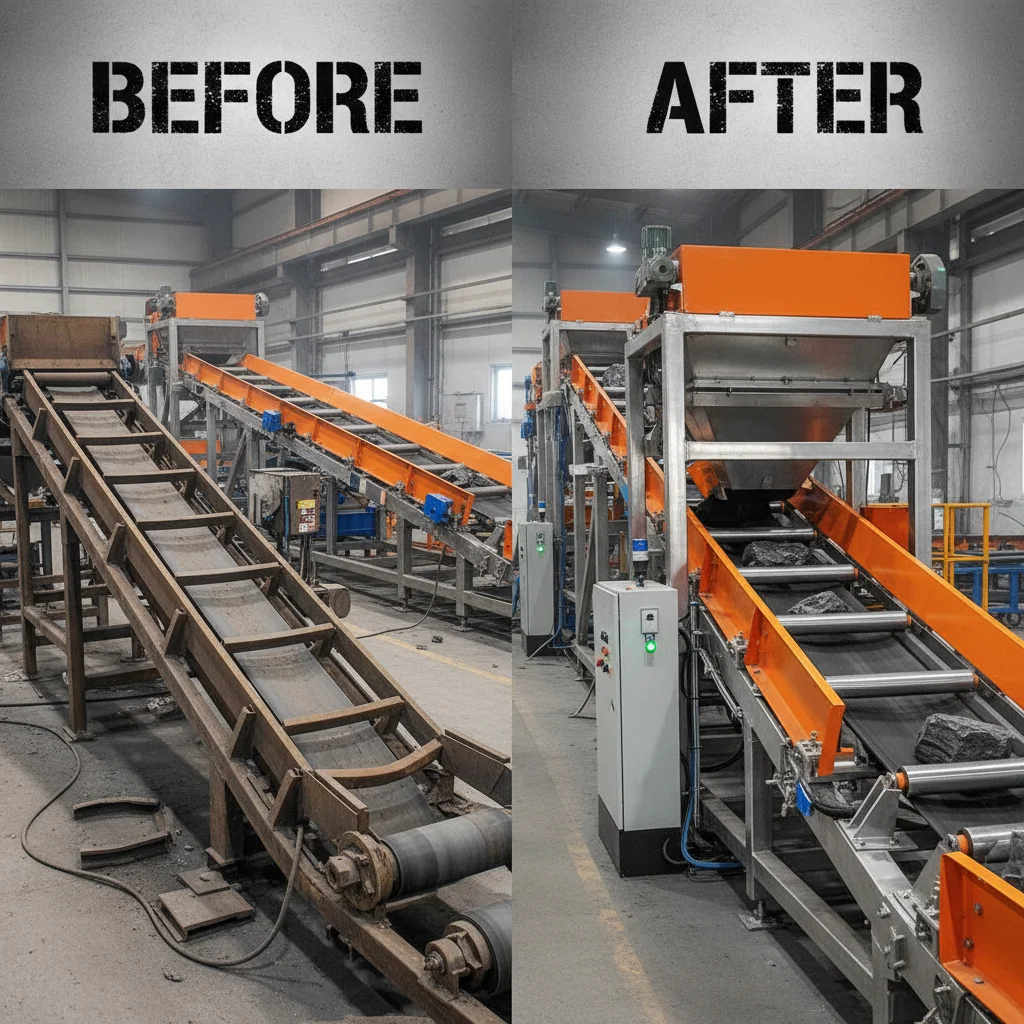
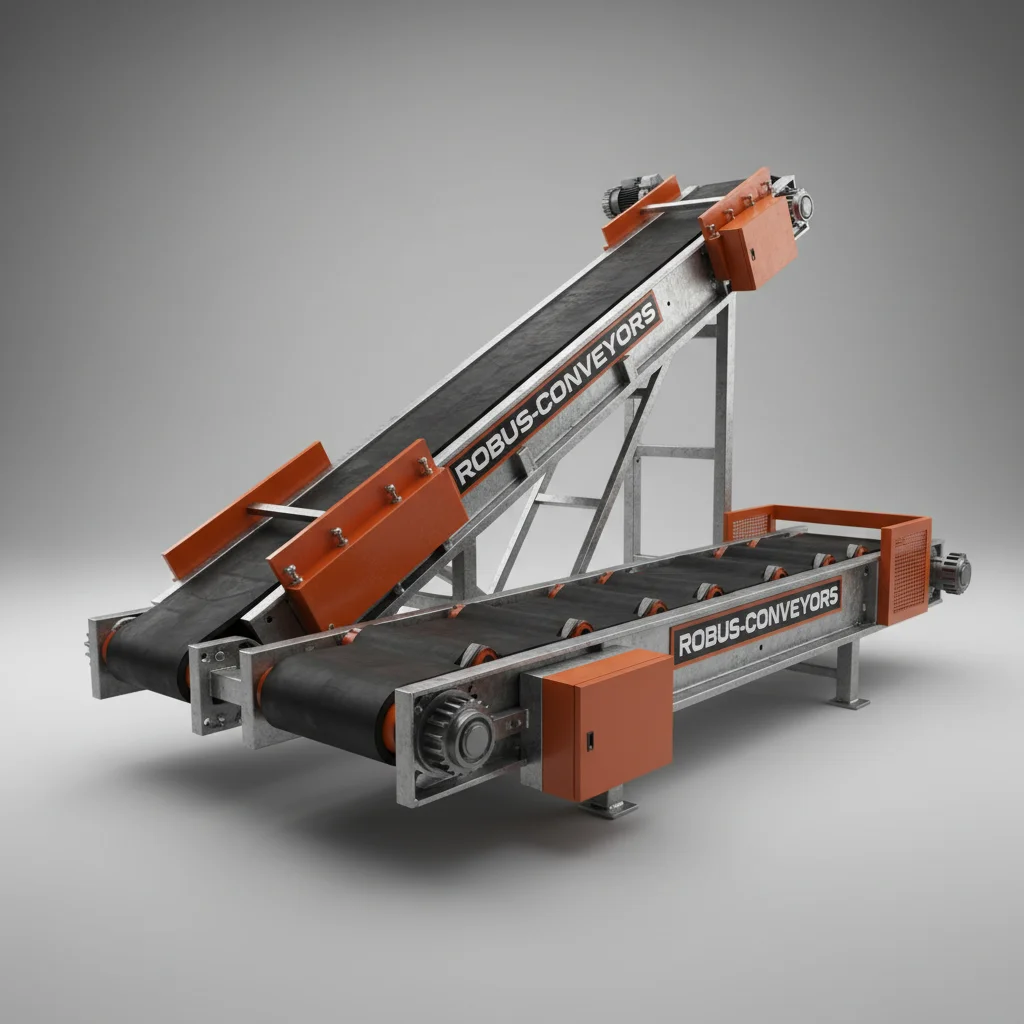
Understanding Conveyor Stainless Steel: The Backbone of Modern Material Handling
When it comes to industrial efficiency, few things are as indispensable as conveyor stainless steel components. From food processing plants in Europe to mining operations in Australia, conveyor systems built with stainless steel have quietly revolutionized how materials move across sectors. This kind of equipment matters globally—because it boosts productivity, reduces contamination risks, and even supports humanitarian logistics in places where fast, reliable movement of goods can literally save lives. So, why does understanding conveyor stainless steel really matter? Not only does it highlight cutting-edge manufacturing but also speaks to sustainability, durability, and innovation across a world increasingly dependent on smooth supply chains.
Global Industry Context & Challenges
Worldwide, industries spend billions maintaining conveyor systems—surprisingly, up to 30% of downtime stems from corrosion and mechanical failure in critical parts. According to the International Organization for Standardization (ISO), stainless steel standards specifically target these issues by enhancing corrosion resistance and strength. Oddly enough, even with growing demand for automation, many facilities still rely on outdated conveyor materials prone to rust or degradation, especially in humid or chemically harsh environments.
This gap presents both a challenge and a clear opportunity. Companies adopting conveyor stainless steel components reportedly cut maintenance costs by up to 20%, while simultaneously improving safety and hygiene—crucial for industries like pharmaceuticals and food production.
What is Conveyor Stainless Steel?
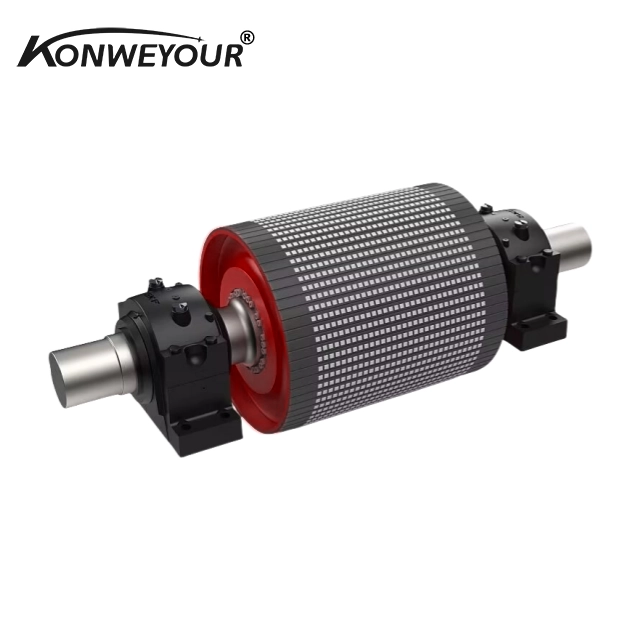
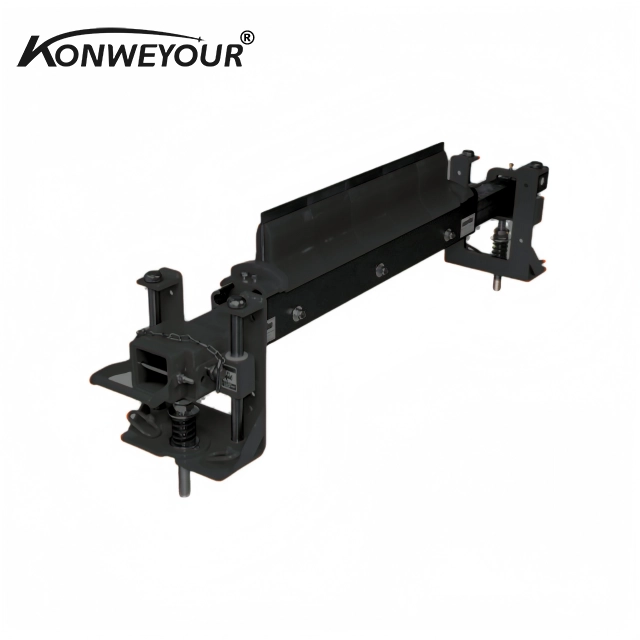
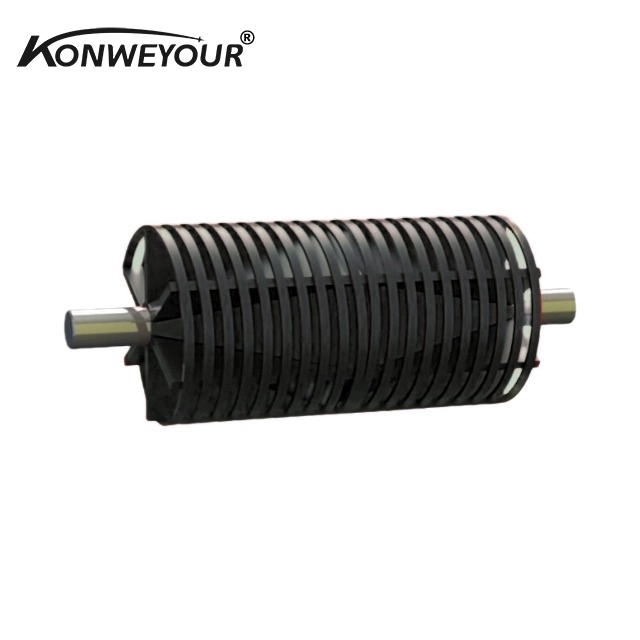
Simply put, conveyor stainless steel refers to various grades of stainless steel used in manufacturing conveyor belts, rollers, chains, and frames. Unlike carbon steel or aluminum, stainless steel offers excellent resistance to rust, stains, and chemical damage. In real terms, this means conveyor systems can withstand diverse environments without the frequent downtime that compromises efficiency and safety.
Thanks to its unique properties, conveyor stainless steel is also deeply linked to humanitarian and industrial needs—helping deliver medical supplies in disaster zones or maintaining sterile environments in hospitals and labs.
Key Factors in Conveyor Stainless Steel Systems
- Durability: Stainless steel’s corrosion resistance extends equipment life, even when exposed to moisture, acids, or temperature shifts.
- Hygiene: Smooth surfaces minimize bacterial buildup, vital for food-grade conveyors.
- Scalability: Stainless steel conveyors can be custom-designed to fit compact spaces or vast warehouse operations.
- Cost Efficiency: Lower maintenance rates mean lower total cost of ownership despite a higher upfront investment.
- Sustainability: Stainless steel is 100% recyclable with minimal loss in quality, supporting circular economy goals.
Each of these features translates into practical advantages for operators—from faster installation to simpler cleaning processes and fewer supply interruptions.
Mini Takeaway:
Understanding conveyor stainless steel means appreciating how material science intersects with operational needs—giving industries a reliable, clean, and adaptable foundation for handling almost any product.
Global Applications & Real-World Use Cases
The versatility of conveyor stainless steel shines across many sectors.
- Food and Beverage: Stainless steel conveyors maintain stringent hygiene standards required by FDA and EU regulations, ensuring contamination-free transport.
- Pharmaceutical Manufacturing: Resistant to chemical cleaning agents, stainless steel conveyors support sterile environments.
- Mining and Heavy Industry: In harsh environments like Chilean copper mines, stainless steel parts resist corrosion from minerals and weather.
- Humanitarian Aid: NGOs use stainless steel conveyors for rapid assembly lines in packing relief kits, even in tropical climates.
For example, a recent relief operation in Southeast Asia relied on stainless steel conveyor systems to smoothly package and distribute emergency food supplies—avoiding delays caused by rust and equipment failure typical in tropical zones.
Advantages & Long-Term Value
Choosing conveyor stainless steel often comes down to long-term thinking.
| Benefit |
Description |
| Reduced Maintenance Costs |
Less frequent repairs due to corrosion resistance lowers downtime. |
| Safety & Hygiene |
Easy to clean surfaces minimize contamination risks and workplace hazards. |
| Sustainability |
Recyclable and durable, supporting eco-friendly operations. |
| Consistency & Reliability |
Maintains stable throughput with fewer unexpected stoppages. |
On a more emotional note, there’s something trustworthy about stainless steel conveyors—they feel solid, dependable. In industries where failure can mean lost lives or spoiled products, that peace of mind isn’t just a bonus, it’s essential.
Emerging Trends & Innovations
The future of conveyor stainless steel points toward smart materials and integration with Industry 4.0 technologies. Imagine stainless conveyor skins embedded with sensors to monitor wear or microbial buildup in real time. Coupled with AI-driven maintenance schedules, this could slash downtime even further.
There is also momentum toward using eco-friendly stainless steel alloys with reduced nickel content to lower environmental impact during extraction and processing. Plus, as automation expands, modular conveyor sections that easily snap together without tools—often made from stainless steel—are gaining traction.
Challenges & Expert Perspectives
Still, it’s not all perfect. One major hurdle is the upfront cost, which can be a deterrent, especially for smaller companies. Also, poorly engineered stainless steel conveyors can suffer from welding cracks or fatigue over long periods under heavy loads.
Experts often recommend partnering with experienced vendors who provide tailored engineering and testing services. For example, manufacturers specializing in conveyor stainless steel work closely with clients to optimize materials and designs specific to environmental conditions, product types, and operational pressures.
Vendor Comparison
| Vendor |
Material Grade Options |
Customization Level |
Industry Focus |
| JT Conveyor |
304, 316L, Duplex |
High — custom lengths, shapes |
Food, Pharma, Industrial |
| Global Convey |
304, 316 |
Medium — standard sizes |
Mining, Logistics |
| SteelFlow Tech |
316L, Super Duplex |
High, plus IoT integration |
High-tech, Pharma |
Frequently Asked Questions About Conveyor Stainless Steel
- Q1: How do I select the right grade of stainless steel for my conveyor?
- A1: It depends on your industry and environment. For food or pharma, 316L is common due to its corrosion resistance and hygiene properties. For heavier industrial use with chemical exposure, duplex or super duplex grades offer extra strength and durability. Consulting with a vendor about your specific conditions helps make the best choice.
- Q2: Is stainless steel more expensive to maintain than alternative materials?
- A2: Not really—though initial costs are higher, stainless steel requires less maintenance due to its resistance to rust and wear. Over time, these savings typically outweigh upfront investments, making it cost-effective in the long run.
- Q3: Can conveyor stainless steel components be recycled?
- A3: Yes, stainless steel is 100% recyclable without degrading quality. This supports sustainability initiatives and reduces environmental footprint compared to non-recyclable materials.
- Q4: How can NGOs source conveyor stainless steel equipment quickly during emergencies?
- A4: Partnering with specialized suppliers that offer modular, easy-to-install conveyor systems can speed deployment. Vendors like JT Conveyor provide tailored solutions with fast turnaround and international shipping.
Conclusion: Why Conveyor Stainless Steel is a Game Changer
To sum up, conveyor stainless steel isn’t just a material choice—it’s a strategic decision that shapes durability, hygiene, and operational efficiency across industries worldwide. Its long-term value resonates not just in cost savings but in trust, innovation, and environmental responsibility. For anyone looking to upgrade or design their conveyor systems, understanding and investing in stainless steel components is a step toward future-proofing their operations.
Ready to explore stainless steel conveyor solutions that combine expert engineering with global reach? Visit our website at https://www.jtconveyor.com to learn more and connect with industry leaders.
Oddly enough, it feels like the more you dig into conveyor stainless steel, the more you realize it’s this quiet hero keeping the wheels of modern industry turning seamlessly.
References
- ISO - Stainless Steel Standards
- Wikipedia - Stainless Steel
- World Bank - Industry Overview