Understanding the various types of belt conveyors is essential for any industrial operation seeking to optimize material handling and operational throughput. From heavy-duty mining operations to precision food processing lines, the choice of conveyor system directly impacts production efficiency, energy consumption, and workforce safety. By matching the specific characteristics of the material to the right conveyor design, companies can drastically reduce downtime and maintenance costs.
Globally, the demand for specialized conveying solutions has surged as supply chains become more complex and the volume of raw material transport increases. The ability to move bulk goods across vast distances or vertical inclines requires a nuanced understanding of mechanical advantages and material science. Whether it is managing abrasive ores or fragile pharmaceutical packaging, the diversity in types of belt conveyors ensures that no matter the environment, there is a viable engineering solution.
Ultimately, investing time in analyzing the different conveyor configurations allows engineers to build scalable systems that grow with the business. Beyond simple transport, modern systems integrate cleaning, tracking, and automated sorting, transforming a simple belt into a sophisticated piece of industrial infrastructure. This guide provides a comprehensive deep dive into these systems, helping you navigate the technical landscape of material handling.

Global Industry Context of Belt Conveyors
On a global scale, the continuous transport industry is a backbone of the industrial economy. According to international trade standards and ISO guidelines, the efficiency of material movement is a key KPI for the mining, agriculture, and logistics sectors. The proliferation of different types of belt conveyors has allowed emerging economies to scale their infrastructure rapidly, enabling the transport of millions of tons of minerals and grains across diverse terrains.
However, the industry faces a critical challenge: the balance between high-volume throughput and environmental sustainability. Traditional systems often suffered from significant material spillage and high energy waste. The evolution of conveyor technology is now focused on reducing these inefficiencies, integrating smarter drive systems, and utilizing sustainable materials to meet global carbon reduction targets.
Defining the Mechanics of Conveyor Systems
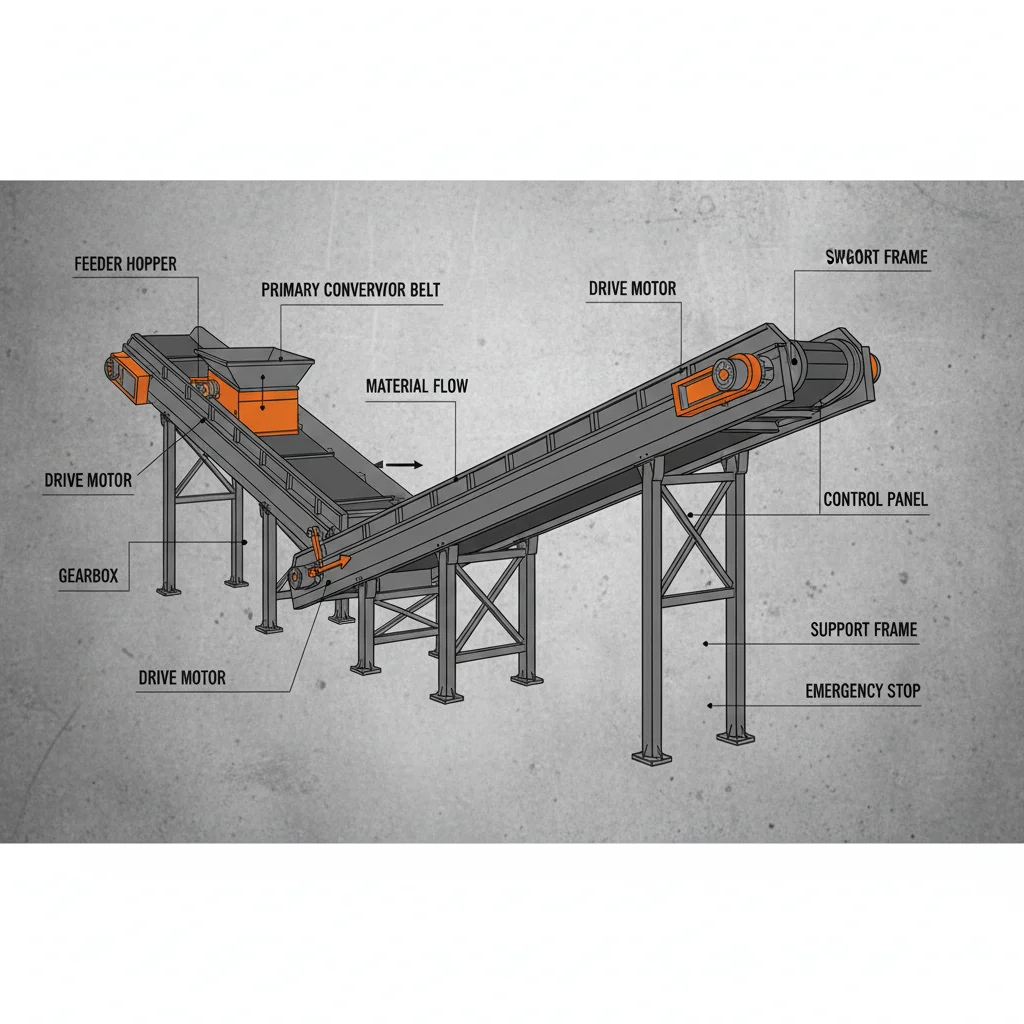
At its most basic level, the variety of types of belt conveyors refers to the different mechanical configurations used to move materials from point A to point B using a continuous loop of material. This loop, the belt, is driven by pulleys and supported by rollers or beds. While the concept is simple, the execution varies wildly depending on whether you are moving a single cardboard box or ten thousand tons of crushed limestone per hour.
Modern conveyor systems are deeply connected to humanitarian and industrial needs. For instance, in large-scale grain silos used for global food security, specialized belts ensure that food is moved without contamination or waste. In urban logistics, modular belts allow for the rapid sorting of parcels, which is the engine behind the modern e-commerce revolution.
The distinction between different types often comes down to the "belt" itself—be it rubber, PVC, steel-cord, or fabric—and the "frame" that supports it. Understanding these nuances is the first step in avoiding costly installation errors and ensuring the system can handle the specific weight, temperature, and chemical properties of the cargo.
Core Factors for Selecting Conveyor Types
When evaluating the various types of belt conveyors, Durability is the primary concern. In harsh environments like mining or chemical plants, the belt must resist abrasion, corrosion, and extreme temperatures. Using a high-grade rubber belt reinforced with steel cords ensures that the system doesn't stretch or snap under immense tension.
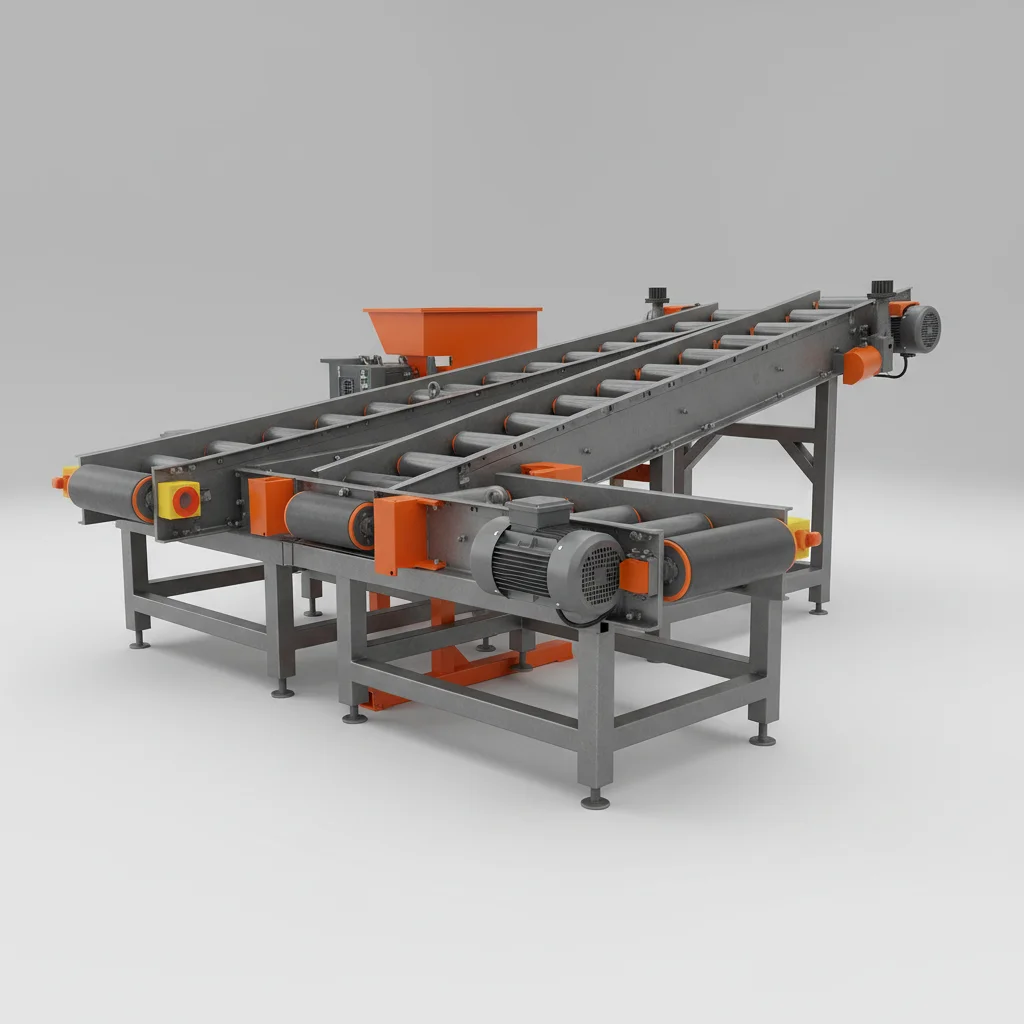
Scalability and Versatility are equally critical. A modular system allows a facility to expand its line without replacing the entire infrastructure. By choosing versatile types of belt conveyors like mobile or tubular systems, companies can adapt to changing floor plans or transport materials through restrictive spaces without needing permanent tunnels.
Finally, Cost Efficiency is measured not just by the initial purchase price, but by the Total Cost of Ownership (TCO). This includes energy consumption and the frequency of replacing components like pulleys and rollers. An optimized conveyor selection reduces friction and energy loss, directly impacting the bottom line over a ten-year operational cycle.
Global Applications and Industrial Use Cases
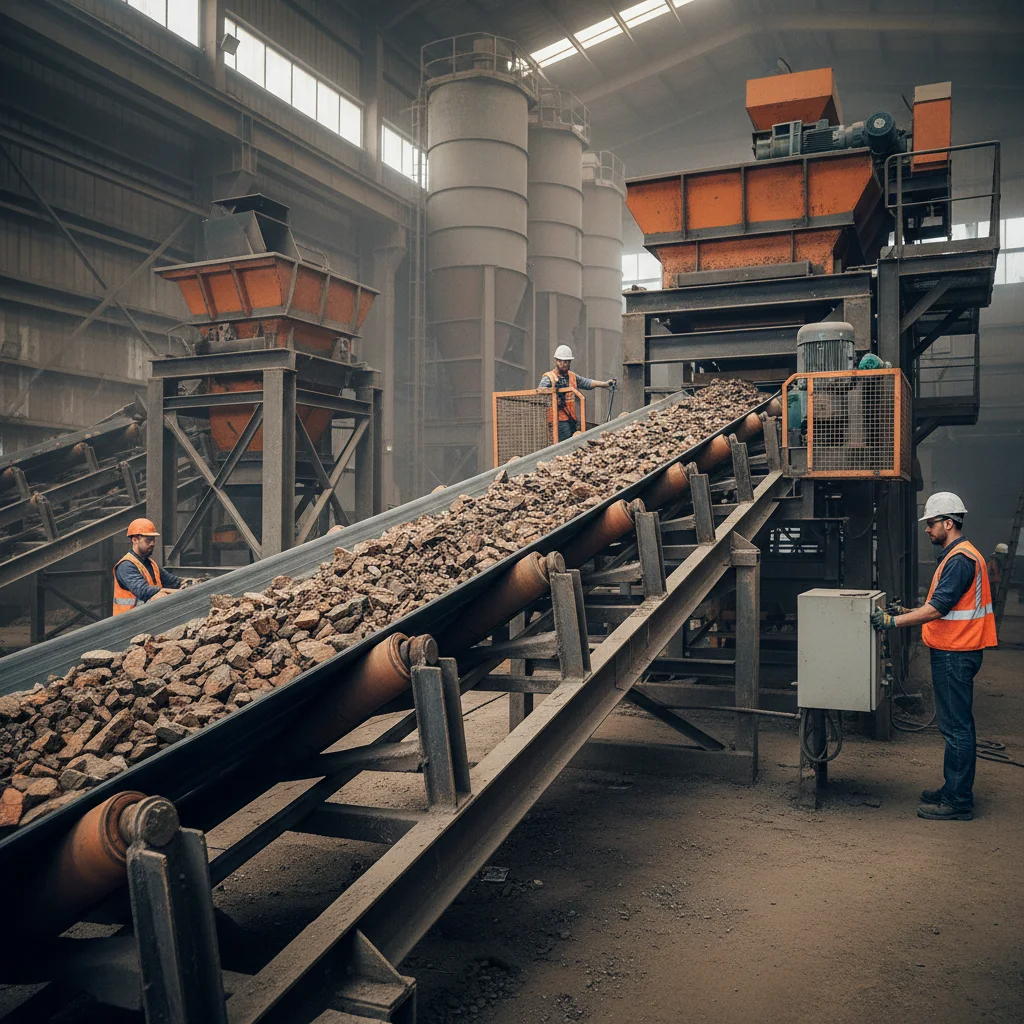
The application of different types of belt conveyors varies significantly by region and industry. In the Australian and Brazilian mining sectors, Overland Belt Conveyors are utilized to transport ore across dozens of kilometers, replacing traditional truck fleets and reducing carbon emissions. These massive systems are engineering marvels that handle extreme weights while navigating undulating landscapes.
In contrast, within the high-tech manufacturing hubs of Asia and North America, Corrugated Sidewall Conveyors are used to move bulk materials vertically. This allows factories to utilize vertical space for storage and processing, which is essential in urban industrial zones where real estate is at a premium. From food processing in Europe to ore transport in Africa, these systems are the silent arteries of global commerce.
Comparative Efficiency of Various Types of Belt Conveyors
Tangible Advantages and Long-Term Value
The long-term value of selecting the correct types of belt conveyors manifests in improved operational safety and reliability. By reducing the need for manual handling and forklift movement, companies significantly lower the risk of workplace injuries. The psychological impact on the workforce is also positive, as automation replaces the most grueling and dangerous aspects of material transport.
Furthermore, the shift toward sustainable conveyor designs contributes to a company's ESG (Environmental, Social, and Governance) goals. High-efficiency belts and low-friction rollers reduce electricity consumption and noise pollution. This not only lowers utility bills but also fosters a better relationship with the surrounding community and regulatory bodies, ensuring the long-term viability of the industrial site.
Future Trends and Digital Innovations
The future of types of belt conveyors is being shaped by the Industrial Internet of Things (IIoT). Smart sensors integrated into the belt and pulleys can now detect wear and tear in real-time, allowing for "predictive maintenance." Instead of stopping production for scheduled checks, AI algorithms alert engineers only when a component is nearing failure, virtually eliminating unplanned downtime.
Material science is also evolving, with the introduction of biodegradable belt materials and self-healing polymers that can automatically seal small punctures. These innovations are particularly valuable in the food and pharmaceutical industries, where hygiene and contamination prevention are paramount. The integration of magnetic levitation in some niche conveyor types is also being explored to eliminate friction entirely.
Automation and robotics are further merging with conveyor systems. We are seeing a rise in "intelligent" conveyors that can change speed, direction, and routing based on the real-time demand of the production line. This digital transformation is turning the conveyor from a passive transport tool into an active participant in the manufacturing process.
Common Challenges and Expert Solutions
One of the most persistent challenges across all types of belt conveyors is material carry-back, where residue sticks to the belt and falls off behind the head pulley. This causes significant waste and creates a hazardous working environment. The expert solution lies in the integration of advanced Belt Cleaners and scrapers that maintain the belt's cleanliness throughout its cycle.
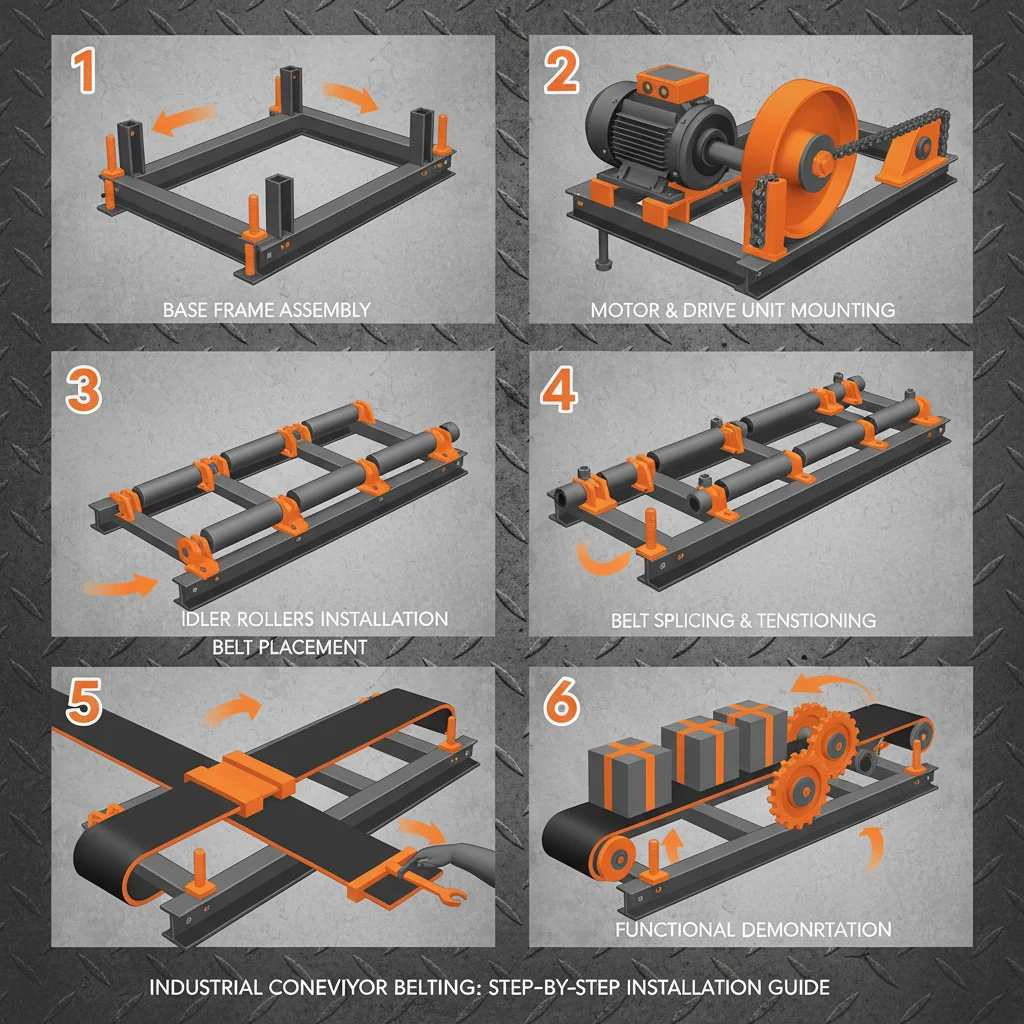
Another common issue is belt misalignment, which leads to edge wear and potential system failure. To combat this, engineers are implementing automated tracking systems and specialized Conveyor Rollers that self-adjust to keep the belt centered. Proper installation of the conveyor pulley and ensuring precise tensioning are the foundation of a stable, long-lasting system.
Finally, energy inefficiency in long-distance transport remains a hurdle. By adopting high-efficiency motors and regenerative braking systems, companies can recover energy during downhill transport. Combining these technical fixes with a strategic choice of conveyor type ensures that the system remains productive and cost-effective over its entire lifespan.
Analysis of Key Technical Specifications for Different Conveyor Types
| Conveyor Type |
Typical Load Capacity |
Durability Score (1-10) |
Ideal Application |
| Overland Conveyor |
Ultra-High (10k+ tph) |
10 |
Mining / Quarries |
| Tubular Conveyor |
Medium |
8 |
Dust-sensitive Materials |
| Modular Belt |
Low to Medium |
7 |
Food/Packaging |
| Sidewall Conveyor |
Medium to High |
8 |
Vertical Lifting |
| Mobile Conveyor |
Variable |
6 |
Temporary Loading |
| Underground Belt |
High |
9 |
Deep Mine Shafts |
FAQS
Choosing the right conveyor depends on four main factors: the material's physical properties (weight, abrasiveness, temperature), the distance and incline of the transport route, the required throughput volume, and the environment (hazardous, hygienic, or outdoor). We recommend conducting a material flow analysis and consulting with an engineer to match these variables to the specific mechanical advantages of each conveyor type.
For heavy-duty applications, steel-cord reinforced rubber is the gold standard. It provides the highest tensile strength and resistance to stretching, which is critical for long-distance overland systems. For chemically aggressive environments, specialized PVC or Nitrile coatings are used to prevent corrosion and degradation of the belt fabric.
Yes, especially if you utilize modular types of belt conveyors. Modular systems allow for the addition of sections, changes in belt width, or the integration of new components like sorting arms and sensors. However, significant changes to the drive pulley or frame structure may require structural reinforcement to handle the new load distributions.
Replacement cycles vary by application. In high-abrasion mining, belt cleaner blades may need monthly adjustments and quarterly replacements. Rollers typically last 1-3 years but should be monitored via predictive sensors. Regular inspections prevent catastrophic belt failure and ensure the system operates at peak energy efficiency.
Absolutely. Tubular conveyors enclose the material completely, which prevents dust from escaping into the atmosphere and protects the product from external contamination. This makes them the ideal choice for pharmaceutical, chemical, and food powder transport where air quality and product purity are strictly regulated.
Automation integrates Variable Frequency Drives (VFDs) and IIoT sensors that adjust the belt speed based on the actual material load. This prevents "dry running" (running the belt when empty), which saves significant electricity and reduces wear on the pulleys and rollers, extending the overall life of the equipment.
Conclusion
In summary, the strategic selection of types of belt conveyors is not merely a procurement decision but a critical engineering strategy that determines the operational ceiling of a facility. From the raw power of overland systems to the precision of modular belts, each configuration offers specific trade-offs in terms of durability, cost, and versatility. By focusing on high-quality components—such as precision pulleys, rollers, and effective cleaners—businesses can ensure a seamless flow of materials that minimizes waste and maximizes safety.
Looking forward, the integration of AI and sustainable materials will continue to redefine the boundaries of material handling. As industries strive for "Zero Downtime" and "Net Zero" emissions, the evolution of conveyor technology will be central to achieving these goals. We encourage operators to move toward predictive maintenance and energy-efficient designs to stay competitive in an increasingly automated global market. For professional guidance and high-performance conveyor solutions, visit our website: www.jtconveyor.com.