In the demanding world of power generation and heavy industrial combustion, the efficient management of combustion residuals is critical for operational continuity. Understanding the various ash handling system types is not merely a technical necessity but a strategic advantage for plants seeking to minimize downtime and adhere to stringent environmental regulations. By implementing the right transport mechanism, facilities can ensure that fly ash and bottom ash are moved seamlessly from the boiler to disposal or recycling sites.
Globally, the shift toward sustainable energy and cleaner production has put immense pressure on industrial operators to optimize their waste streams. The diversity in ash handling system types allows engineers to tailor solutions based on the physical properties of the ash—whether it is abrasive, moist, or highly volatile. This flexibility is essential for maintaining the integrity of the plant's infrastructure and ensuring the safety of the workforce.
Ultimately, the selection of an appropriate ash removal strategy impacts everything from the bottom line to the ecological footprint of a facility. From pneumatic vacuum systems to heavy-duty conveyor belts, exploring different ash handling system types provides a roadmap for improving throughput, reducing manual labor, and integrating modern automation into legacy industrial environments.

Global Relevance of Ash Handling System Types
On a global scale, the management of combustion by-products is a cornerstone of industrial efficiency. As outlined by various ISO standards regarding environmental management, the ability to sequester and transport waste without leaking particulate matter into the atmosphere is a non-negotiable requirement for modern power plants. The variety of ash handling system types available today reflects the diverse fuels being burned worldwide, from traditional coal to biomass and waste-to-energy pellets.
The challenge lies in the sheer volume of material produced. In many emerging economies, the rapid expansion of industrial zones has led to a surge in ash production, often outpacing the infrastructure available to handle it. By implementing advanced ash handling system types, companies can mitigate the risk of groundwater contamination and air pollution, transforming a waste liability into a manageable industrial stream.
Defining Modern Ash Handling System Types
At its core, ash handling system types refer to the mechanical and pneumatic configurations used to collect, transport, and store the residue left after the combustion of fuels. These systems are generally divided into "dry" and "wet" methods. Dry systems often utilize vacuum pressure or screw conveyors to move material, while wet systems use water as a carrier medium to slurry the ash, reducing dust emissions and facilitating long-distance transport via pipelines.
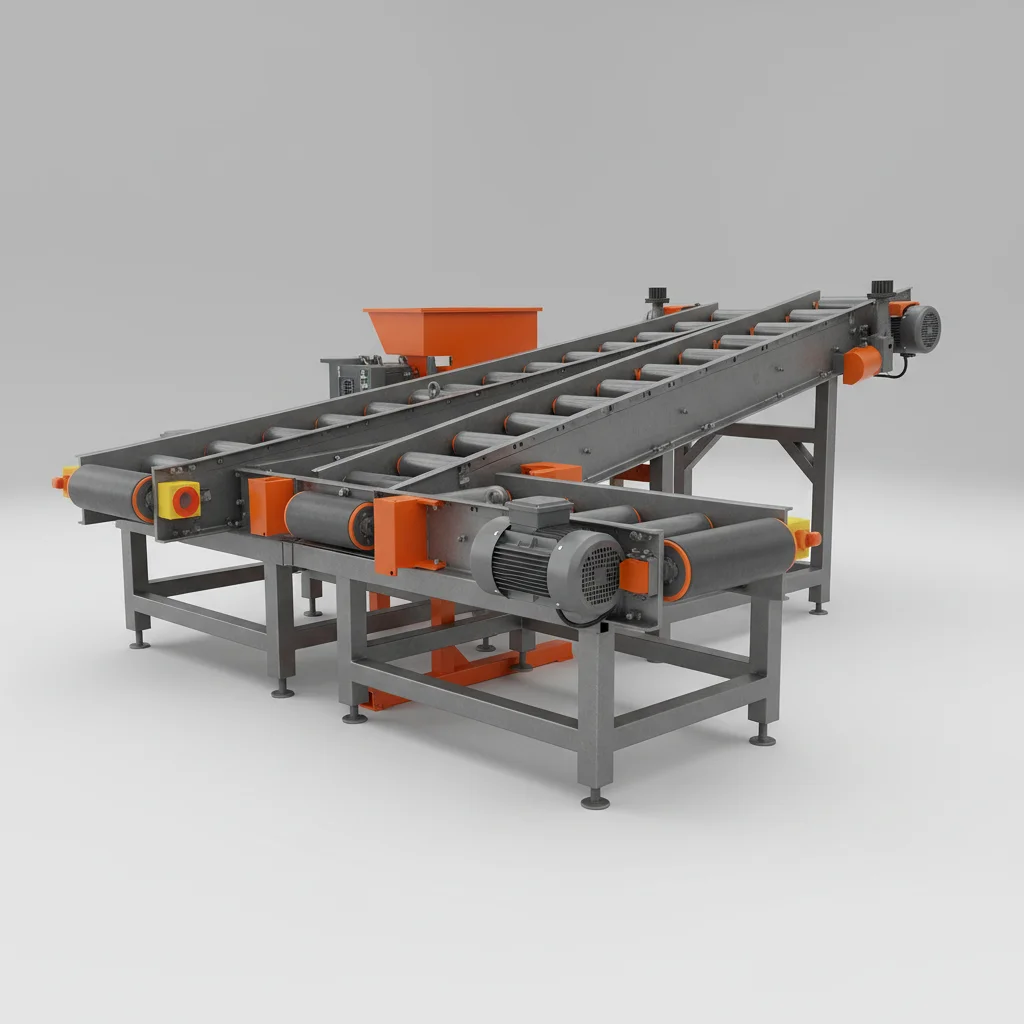
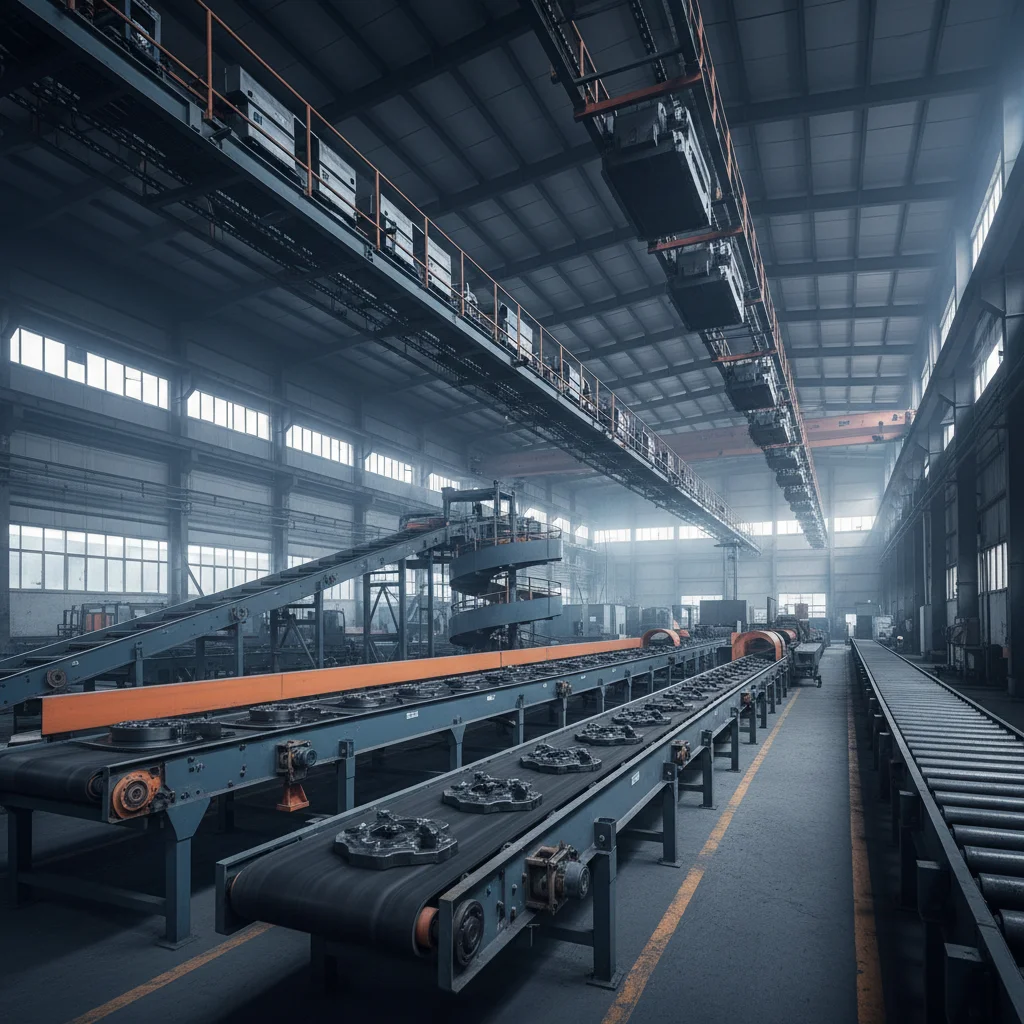
Beyond the basic medium, these systems are categorized by their mechanical drive. For instance, belt-based transport—incorporating components like Conveyor Belts and Conveyor Rollers—is preferred for high-volume, low-altitude movement. Conversely, pneumatic systems are the gold standard for transporting fly ash from high-altitude electrostatic precipitators (ESPs) down to storage silos.
The connection to modern industry is profound; as the world moves toward "circular economy" models, these systems are no longer just about disposal. Modern ash handling system types are now designed to preserve the quality of the ash so it can be repurposed as a raw material for cement manufacturing or road construction, turning an environmental burden into a commercial asset.
Core Components of Efficient Ash Transport
Durability is the foremost requirement when discussing ash handling system types. Ash is inherently abrasive, meaning it acts like sandpaper on every surface it touches. High-grade alloys and wear-resistant liners are integrated into the chutes and pipes to prevent premature erosion, ensuring that the system remains operational for years without requiring total overhauls.
Scalability allows a facility to adapt its ash handling system types as production capacity increases. A modular approach—using interchangeable Conveyor Components and adjustable pulley systems—enables plant managers to expand their transport lines without shutting down the entire operation, thereby maintaining a steady energy output.
Cost Efficiency is achieved by balancing initial capital expenditure with long-term maintenance. While a vacuum pneumatic system might have a higher upfront cost than a simple screw conveyor, its ability to operate autonomously and reduce manual ash shoveling leads to a much lower total cost of ownership (TCO). The integration of automated Belt Cleaners further enhances this efficiency by preventing material buildup and reducing belt wear.
Industrial Applications Across Global Regions
In the industrial heartlands of Southeast Asia and India, where coal-fired power remains a primary energy source, heavy-duty ash handling system types are deployed to manage massive quantities of bottom ash. Here, the use of Overland Belt Conveyors is common, moving ash over several kilometers from the plant to dedicated ash ponds or processing centers.
In contrast, European and North American facilities often focus on high-efficiency fly ash recovery. In these regions, closed-loop pneumatic systems are the preferred ash handling system types to comply with strict air quality laws. These systems ensure that not a single gram of particulate matter escapes into the environment, reflecting a shift toward "Zero Emission" industrial targets.
Efficiency Comparison of Ash Handling System Types
Long-Term Value and Operational Advantages
Investing in high-quality ash handling system types provides a tangible return on investment through the reduction of unplanned outages. When a conveyor fails or a pipe clogs, the entire boiler may need to be throttled or shut down. By utilizing robust Conveyor Pulleys and impact-resistant Impact Beds, operators can ensure that the system handles the shock of falling ash without structural fatigue.
Beyond the mechanical reliability, there is a significant social and emotional value to these systems: safety and dignity. Removing the need for manual ash cleaning in hazardous, high-heat environments protects workers from respiratory illnesses and physical injury. The transition to automated ash handling system types signals a company's commitment to its employees' well-being and its adherence to modern ESG (Environmental, Social, and Governance) criteria.
Future Trends in Ash Management Technology
The future of ash handling system types is being shaped by the digital transformation. The integration of IoT (Internet of Things) sensors allows for "predictive maintenance," where vibrations in a Conveyor Roller can be detected and analyzed in real-time, alerting engineers to a potential failure before it happens. This shift from reactive to proactive maintenance is drastically reducing the downtime of ash removal lines.
Furthermore, the push toward green energy is introducing new materials into the ash stream. Biomass ash, for example, has different chemical properties and abrasiveness than coal ash, requiring the development of new, corrosion-resistant ash handling system types. We are seeing an increase in the use of specialized polymers and ceramic linings to handle these more aggressive waste streams.
Automation is also evolving toward fully autonomous "closed-loop" systems. Future configurations will likely incorporate AI-driven controllers that adjust the speed of Mobile Belt Conveyors based on the real-time volume of ash being produced by the boiler, optimizing energy consumption and reducing wear and tear on the machinery.
Overcoming Challenges in Ash System Integration
One of the most persistent challenges in deploying various ash handling system types is the issue of "bridging" or "clogging." Ash, especially when moist, tends to adhere to surfaces and form blocks that stop the flow of material. This is particularly problematic in hoppers and chutes. The solution lies in the integration of vibration motors and air cannons that break up the material, ensuring a consistent flow.
Another hurdle is the integration of new equipment into aging infrastructure. Many plants are decades old and were not designed for modern, high-capacity ash handling system types. This requires a bespoke engineering approach, often involving the use of Tubular Belt Conveyors to navigate tight spaces and awkward angles within the existing plant layout.
Finally, the environmental cost of water usage in wet ash handling system types is becoming a concern. To solve this, industry leaders are moving toward "Dry Ash" technologies. By combining vacuum transport with advanced filtration, plants can eliminate the need for ash ponds entirely, removing the risk of dam failures and reducing the overall water footprint of the facility.
Technical Comparison of Various Ash Handling System Types
| System Category |
Transport Medium |
Wear Resistance |
Installation Complexity |
| Pneumatic Vacuum |
Air Pressure |
Moderate (High at bends) |
High |
| Hydraulic Slurry |
Water |
High (with liners) |
Moderate |
| Belt Conveying |
Rubber/Fabric Belt |
High |
Low |
| Screw Conveying |
Rotating Auger |
Low (High friction) |
Low |
| Bucket Elevator |
Mechanical Buckets |
Moderate |
Moderate |
| Chain Conveyor |
Steel Chain/Flights |
Very High |
Moderate |
FAQS
For fly ash, pneumatic vacuum systems are generally considered the best option. Fly ash is lightweight and powdery, making it ideal for air-transport. These systems allow for the movement of ash from high-altitude filters directly into storage silos without creating dust clouds in the plant, ensuring a clean and safe working environment.
The choice depends on your end goal and environmental constraints. Wet systems are excellent for long-distance transport and dust suppression but require significant water management. Dry systems are preferred if you intend to sell the ash for cement production, as they keep the material uncontaminated and ready for immediate industrial use.
Depending on the abrasiveness of the ash, belt cleaners and rollers may need inspection every 3-6 months. However, by using high-grade Conveyor Roller systems and reinforced belts, the interval between major replacements can be extended to 1-2 years, significantly reducing maintenance costs.
Yes, Mobile Belt Conveyors are highly effective for temporary ash removal or for transporting ash from a central collection point to various loading trucks. Their flexibility allows operators to reconfigure the transport path based on the current storage capacity of the ash yard.
For smaller facilities, screw conveyors or simple chain conveyors are often the most cost-effective ash handling system types. They have lower installation costs and are simpler to maintain, provided the volume of ash is low enough that the slower transport speed does not create a bottleneck.
Absolutely. Corrugated Sidewall Conveyors are ideal for ash handling when steep inclinations are required. They prevent material spillage and allow for a compact footprint, making them an excellent choice for plants with limited vertical space.
Conclusion
Selecting the right ash handling system types is a multifaceted decision that balances material properties, environmental regulations, and operational goals. From the high-speed precision of pneumatic vacuum systems to the rugged reliability of overland belt conveyors, the correct configuration not only ensures the seamless removal of combustion residuals but also protects the structural integrity of the plant and the health of its operators. By focusing on durability, scalability, and the integration of smart components, industrial facilities can transform a necessary waste process into a streamlined, efficient operation.
Looking forward, the integration of AI-driven predictive maintenance and the transition toward dry-ash recovery will define the next generation of industrial waste management. We encourage plant managers and engineers to audit their current systems and explore the latest innovations in conveyor technology to maximize their uptime and sustainability. For professional guidance and high-quality conveyor solutions, visit our website: www.jtconveyor.com