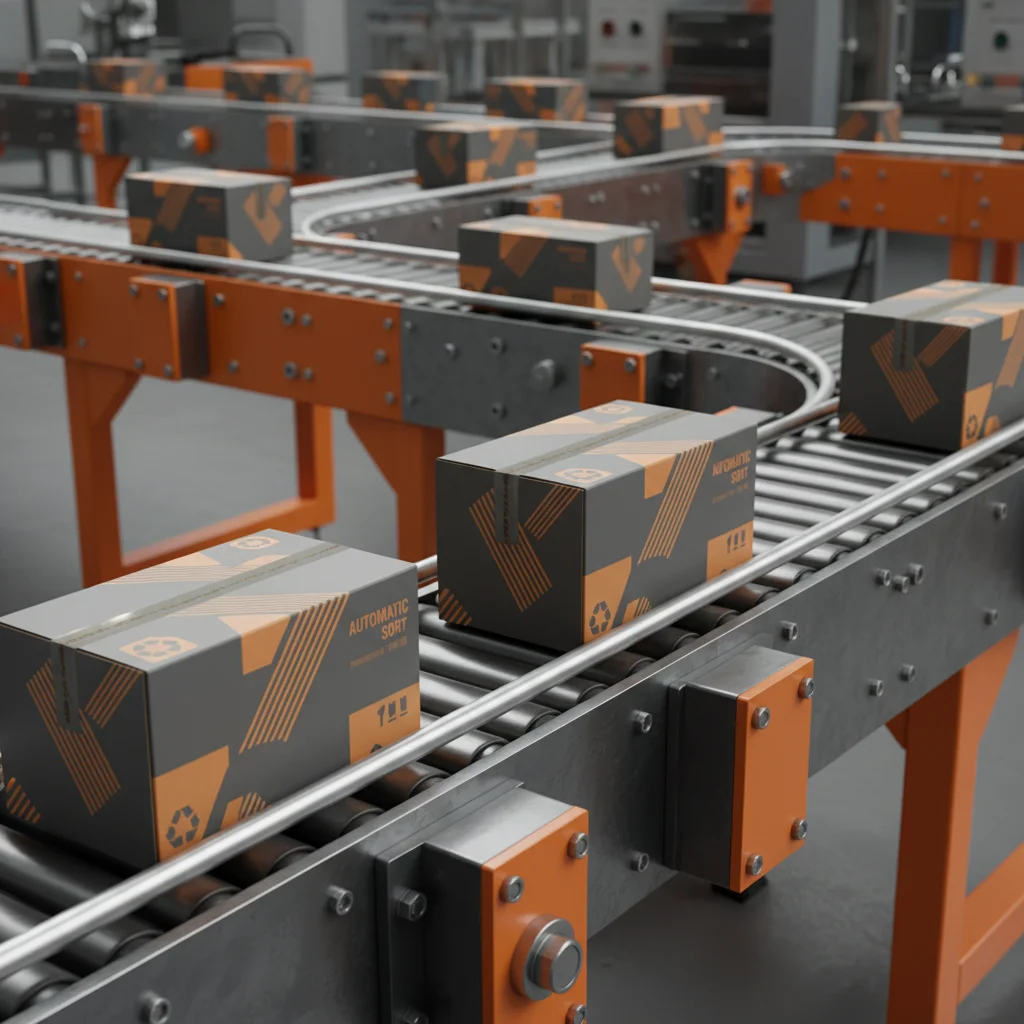
In the modern industrial landscape, the efficiency of material handling determines the overall productivity of a facility. A high-performance manufacturing conveyor belt serves as the circulatory system of a factory, ensuring that raw materials and finished goods move seamlessly between production stages without costly bottlenecks.
Globally, the demand for specialized transport systems has surged as industries shift toward automation and just-in-time manufacturing. Understanding the nuances of conveyor design—from belt tensioning to material compatibility—is no longer just a technical requirement but a strategic advantage for companies aiming to reduce operational downtime and labor costs.
By optimizing the selection and maintenance of a manufacturing conveyor belt, enterprises can achieve a significant leap in throughput while enhancing workplace safety. This comprehensive guide explores the technical components, global applications, and future innovations that define the current state of continuous transport equipment.

Global Relevance of Manufacturing Conveyor Belt Systems
On a global scale, the integration of a robust manufacturing conveyor belt is central to the stability of supply chains. According to international industrial standards, the move toward Industry 4.0 has necessitated transport systems that are not only strong but intelligent. In regions like Southeast Asia and North America, the expansion of e-commerce and automotive assembly has put unprecedented pressure on the reliability of these systems.
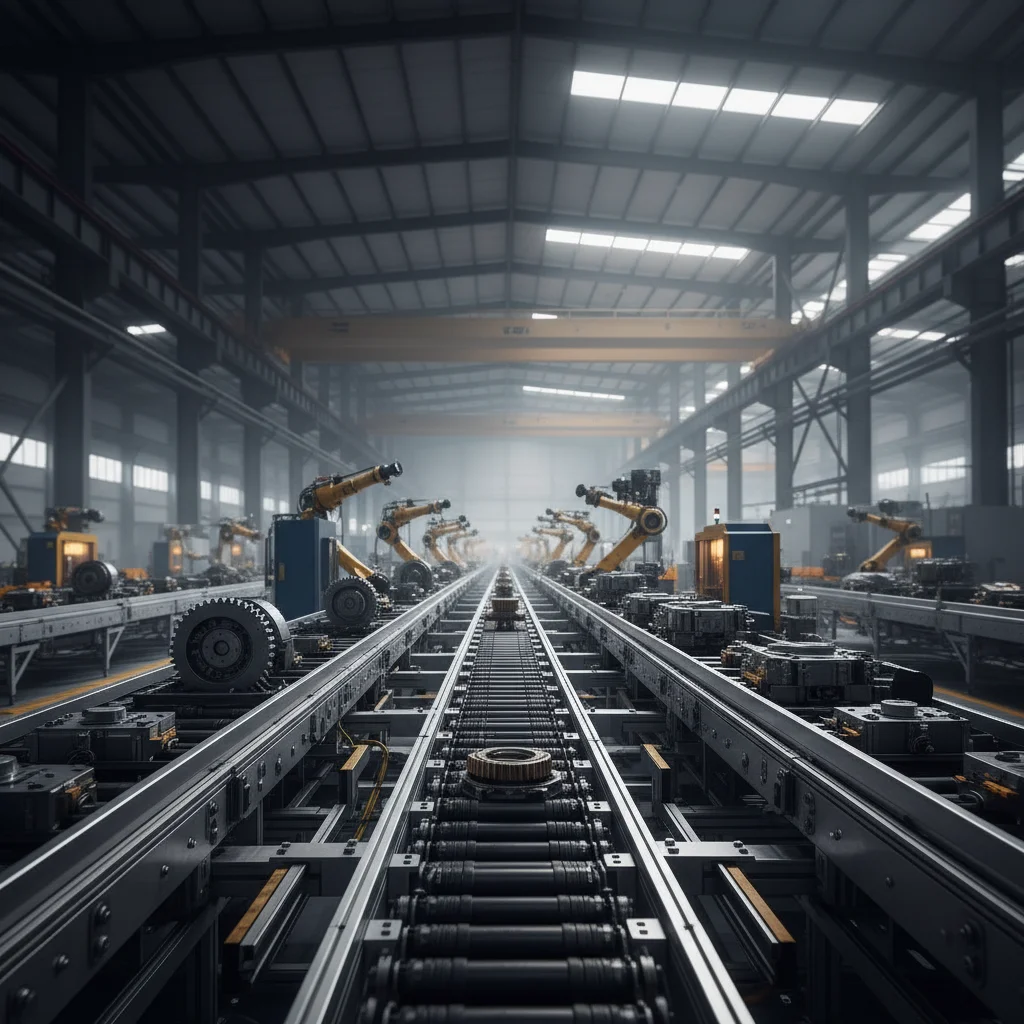
The primary challenge facing many global manufacturers is the "bottleneck effect," where outdated transport mechanisms cannot keep pace with high-speed robotic assembly. This discrepancy leads to significant revenue loss and energy inefficiency. By implementing advanced continuous transport solutions, companies can synchronize their workflows, reducing the physical strain on workers and minimizing the margin of human error.
Defining the Manufacturing Conveyor Belt in Modern Industry
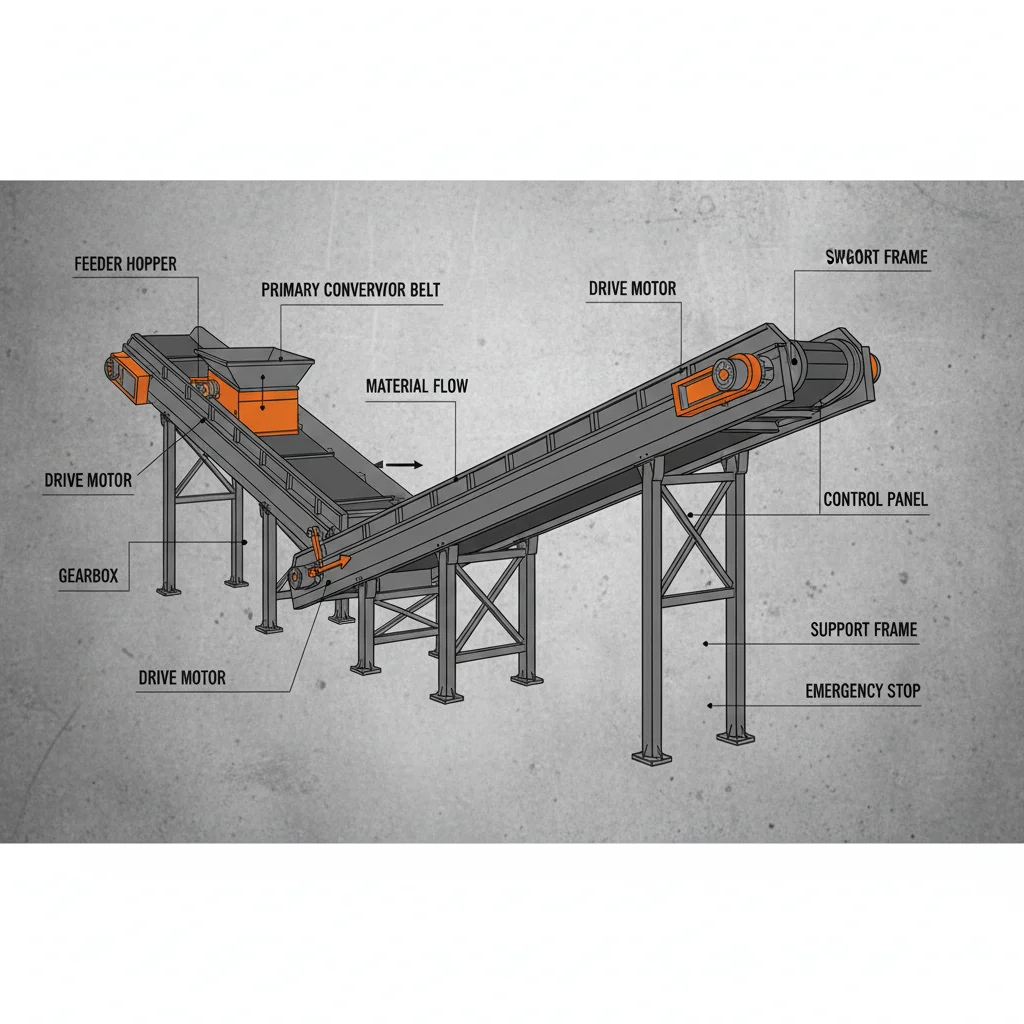
At its simplest, a manufacturing conveyor belt is a continuous loop of flexible material—often reinforced rubber, PVC, or modular plastics—driven by pulleys and rollers to move materials from one point to another. However, in the context of modern engineering, it is more than just a "moving strap"; it is a precision-engineered component designed to handle specific loads, temperatures, and chemical exposures.
These systems are intrinsically linked to the humanitarian need for mass production. From the rapid distribution of pharmaceuticals to the efficient processing of food staples, the ability to move goods rapidly and hygienically is what allows global populations to have access to affordable, essential products. The scalability of these belts allows a small workshop to grow into a massive factory without redesigning its entire layout.
Furthermore, the definition has expanded to include complex variations such as tubular belt conveyors for protecting the environment from dust, and corrugated sidewall conveyors for steep-angle transport. This versatility ensures that no matter the geography or the material—be it heavy ore or delicate electronics—there is a specific manufacturing conveyor belt configuration to meet the demand.
Key Factors for Conveyor Performance and Durability
The longevity of a manufacturing conveyor belt depends heavily on its material composition. High-tensile steel cords or synthetic fabrics are used to prevent stretching over long distances, while the top cover must be selected based on the friction and abrasion levels of the material being transported.
Scalability is another critical factor. A well-designed system allows for modular upgrades, meaning a company can add Conveyor Rollers or upgrade to a high-capacity Conveyor Pulley without replacing the entire line. This modularity ensures that the manufacturing conveyor belt evolves alongside the business's growth.
Finally, cost efficiency is achieved through the reduction of "unplanned downtime." By integrating Belt Cleaners and Impact Beds, manufacturers can prevent material buildup and belt damage, extending the operational lifecycle of the equipment and lowering the total cost of ownership.
Global Applications and Strategic Use Cases
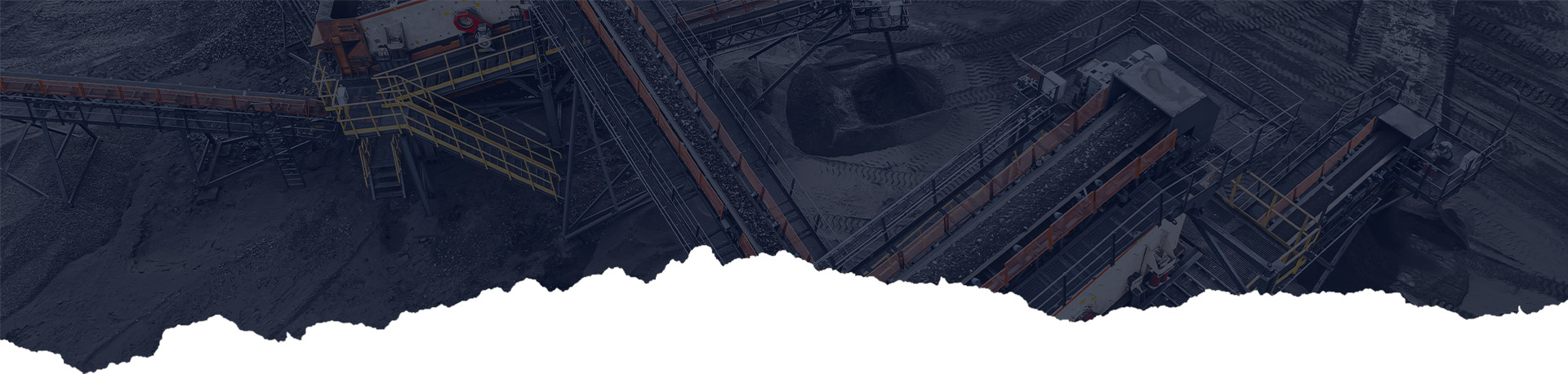
Real-world applications of the manufacturing conveyor belt vary wildly across sectors. In the mining industry of Australia and Brazil, Overland Belt Conveyors move thousands of tons of ore across vast terrains, replacing traditional trucking and significantly reducing carbon emissions. In contrast, the electronics hubs of Shenzhen utilize precision miniature belts to transport microchips in sterile environments.
Beyond heavy industry, these systems play a vital role in logistics and disaster relief. For instance, in post-disaster relief operations, mobile belt conveyors are often deployed to rapidly unload food and medical supplies from ships or planes to trucks, ensuring that aid reaches remote industrial zones or affected populations in the shortest time possible.
Efficiency Comparison of Conveyor Types in Manufacturing
Long-Term Value and Economic Advantages
Investing in a premium manufacturing conveyor belt yields tangible dividends in operational reliability. From a logical perspective, the reduction in manual handling leads to a direct decrease in workplace injuries, which in turn lowers insurance premiums and protects the company's most valuable asset: its people.
From an emotional and cultural angle, the implementation of a smooth, automated transport system fosters a sense of innovation and trust within the workforce. Employees feel more empowered when they are supported by state-of-the-art technology, shifting their role from repetitive labor to system oversight and quality control, which enhances overall job dignity and productivity.
Future Trends in Automated Transport Technology
The future of the manufacturing conveyor belt is inextricably linked to the "Smart Factory" concept. We are seeing a transition toward AI-driven predictive maintenance, where sensors embedded in the belt and rollers can detect a bearing failure or a belt tear before it happens, automatically alerting technicians to prevent a total system shutdown.
Sustainability is also driving a revolution in materials. The industry is moving away from petroleum-based rubbers toward biodegradable polymers and recycled composites that offer the same durability but a significantly lower carbon footprint. This aligns with global ESG (Environmental, Social, and Governance) goals, making the factory floor "greener."
Additionally, the integration of IoT (Internet of Things) allows for real-time throughput tracking. Managers can now monitor the exact speed and load of their manufacturing conveyor belt from a tablet anywhere in the world, allowing for dynamic adjustments to production speeds based on real-time demand.
Overcoming Common Operational Challenges
Despite their utility, many companies struggle with "belt drift" and premature wear. Belt drift—where the belt slides off center—can lead to material spillage and dangerous edge fraying. The expert solution involves the installation of precision-aligned tracking rollers and the use of high-quality manufacturing conveyor belt materials with consistent tension.
Another common limitation is the accumulation of debris, which increases friction and energy consumption. The innovative approach here is the deployment of multi-stage Belt Cleaners. By removing residue at the head pulley and the tail end, the system maintains a clean surface, reducing the energy required to drive the belt and extending the life of the conveyor components.
Finally, noise pollution in factories can be a significant health and safety concern. Transitioning from traditional metal rollers to high-density polymer rollers can reduce decibel levels by up to 30%, creating a safer, more focused working environment without sacrificing the load-bearing capacity of the system.
Technical Comparison of Conveyor Belt Solutions for Industrial Challenges
|
Challenge Type
|
Recommended Belt Material
|
Critical Component
|
Efficiency Gain
|
| High Abrasive Ore |
Steel Cord Rubber |
Impact Bed |
High (9/10) |
| Food Grade Transport |
FDA-Approved PVC |
Stainless Roller |
Medium (7/10) |
| Steep Incline Move |
Corrugated Sidewall |
High-Torque Pulley |
High (8/10) |
| Dusty Environment |
Tubular Enclosure |
Sealed Bearings |
Very High (10/10) |
| Light Electronics |
Anti-Static ESD Belt |
Precision Guide |
Medium (6/10) |
| Extreme Heat |
Silicone / Teflon |
Heat Shield Roller |
High (8/10) |
FAQS
Selection depends on three main factors: the nature of the material (abrasive, corrosive, or food-grade), the environmental conditions (temperature, humidity), and the mechanical load. For heavy mining, steel cord rubber is best; for pharmaceuticals, PVC or Modular plastics are preferred. Always consult a load-bearing chart to ensure the belt can handle the peak weight without stretching.
The most effective method is a combination of proper initial installation and the use of tracking rollers. Ensure the conveyor frame is perfectly level and that the pulleys are square. Additionally, maintaining a clean belt surface with high-quality Belt Cleaners prevents material buildup on the pulleys, which is a primary cause of tracking issues.
Yes, most modern systems are modular. You can upgrade individual components such as replacing standard rollers with low-friction variants, adding Impact Beds to high-stress loading zones, or swapping the belt fabric for a higher-grade material. This phased upgrade approach minimizes downtime and spreads out the capital expenditure.
A tubular conveyor rolls the belt into a pipe-like shape. This completely encloses the material, which is ideal for transporting fine powders or hazardous materials that would otherwise blow away or contaminate the environment. It offers superior protection against weather and dust compared to a standard manufacturing conveyor belt.
Key warning signs include visible fraying at the edges, longitudinal cracks in the top cover, excessive stretching that requires frequent tensioning, and audible squealing from the pulleys. If you notice a significant increase in energy consumption for the same load, it often indicates internal structural failure of the belt carcass.
Absolutely. Many factories are now using Variable Frequency Drives (VFDs) to adjust belt speed based on actual load, which significantly reduces electricity waste. Additionally, switching to high-efficiency motors and low-rolling-resistance belt materials can reduce the overall carbon footprint of the transport system.
Conclusion
In summary, the manufacturing conveyor belt is far more than a simple transport tool; it is a critical engine of industrial efficiency. By focusing on the synergy between high-quality materials, precision components like Belt Cleaners and Impact Beds, and a proactive maintenance strategy, manufacturers can drastically reduce costs while increasing their total output. From the heavy-duty requirements of mining to the sterile precision of electronics, the right conveyor system ensures that the flow of production remains uninterrupted.
Looking forward, the fusion of IoT and sustainable materials will redefine how we move goods. Companies that embrace these innovations today will be the ones leading the market in tomorrow's automated economy. We encourage industrial planners to audit their current systems and consider the long-term value of upgrading to a smart, modular transport solution. For professional guidance and high-performance equipment, visit our website: www.jtconveyor.com