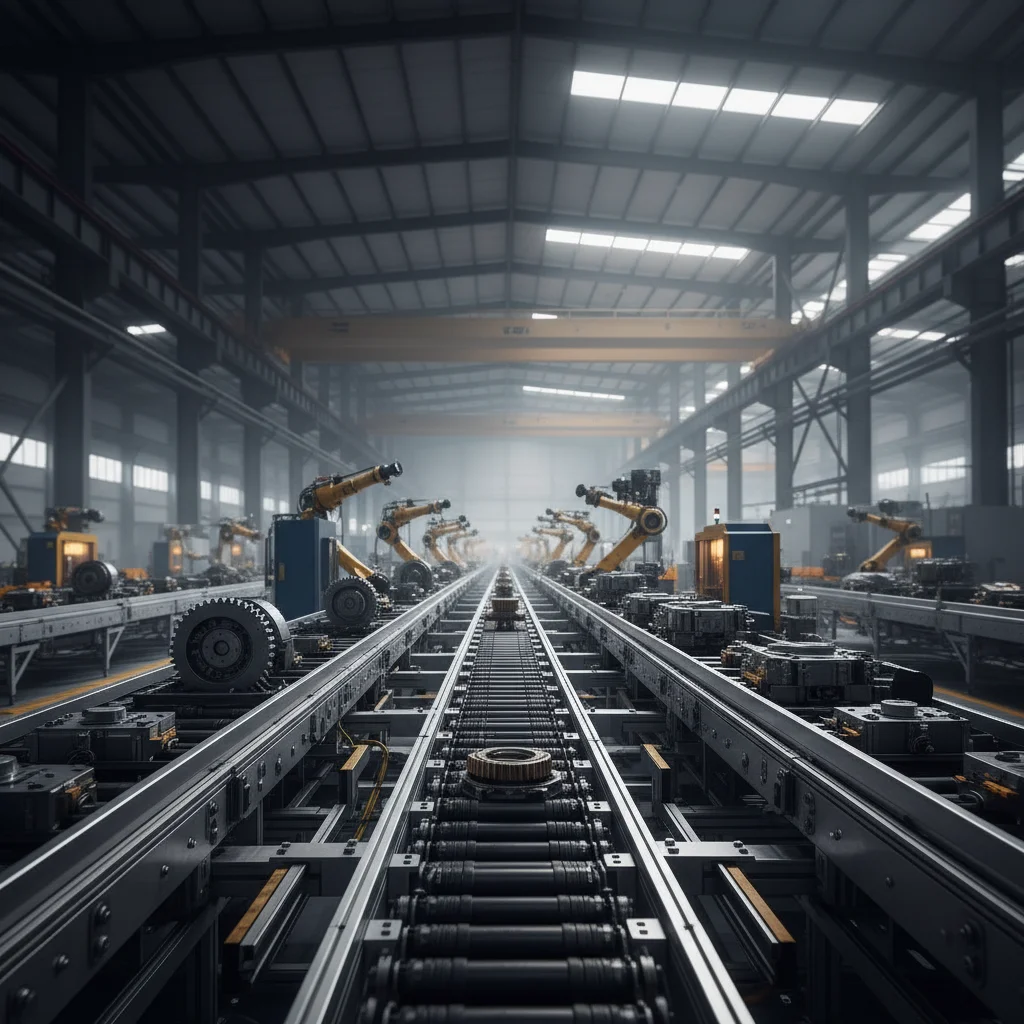
In the modern industrial landscape, the efficiency of material handling is the heartbeat of production. Understanding various types of conveyors is not merely a matter of choosing machinery, but a strategic decision that impacts throughput, operational safety, and overall cost-effectiveness. From massive mining operations to precision electronics assembly, the right conveyor system transforms a chaotic flow of materials into a streamlined, predictable process.
Globally, the shift toward automation and "Industry 4.0" has redefined how we perceive continuous transport. The integration of smart sensors and modular designs has allowed companies to implement various types of conveyors that adapt to real-time demand, reducing downtime and minimizing human error. This evolution is critical as global supply chains face increasing pressure to deliver faster and with higher reliability.
For engineers and procurement managers, the challenge lies in navigating the vast array of options—from simple belt systems to complex tubular or corrugated sidewall designs. By analyzing the specific properties of the material being moved, the environmental constraints, and the required distance, industries can leverage various types of conveyors to create a competitive advantage through optimized logistics.
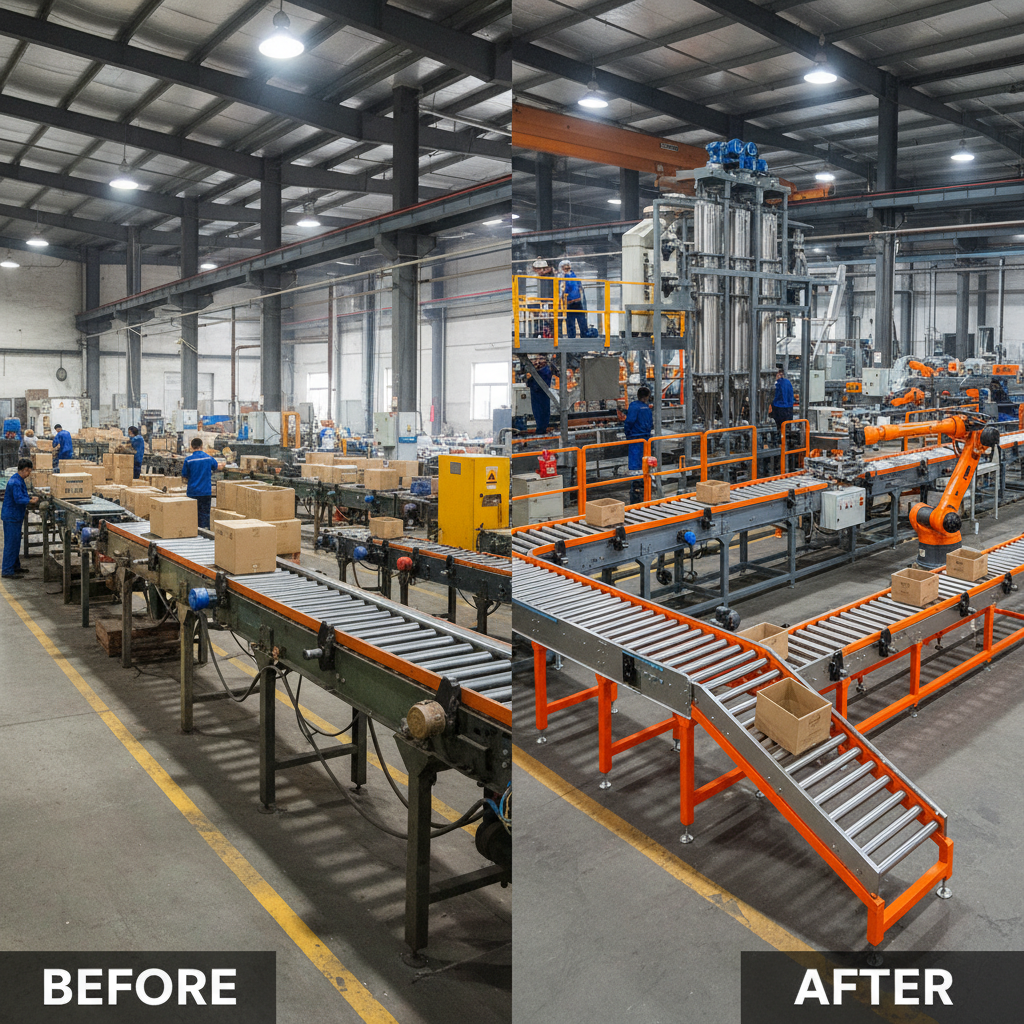
Global Impact and Industrial Context of Conveyor Systems
The global reliance on various types of conveyors is evidenced by the sheer scale of the mining, agriculture, and e-commerce sectors. According to international industrial standards, the optimization of material flow can reduce operational costs by up to 30%. In regions like Southeast Asia and Sub-Saharan Africa, the deployment of heavy-duty overland conveyors has revolutionized the extraction of minerals, allowing for the movement of millions of tons of ore with significantly lower carbon emissions than traditional trucking.
However, the industry faces a persistent challenge: the balance between high-capacity throughput and mechanical wear. The harsh environments of underground mining or chemical processing plants demand equipment that can withstand abrasion and corrosion. This is where the strategic selection of various types of conveyors—such as those utilizing specialized steel-cord belts or reinforced pulleys—becomes a critical factor in preventing catastrophic system failures and ensuring continuous production.
Defining Various Types of Conveyors in Modern Logistics
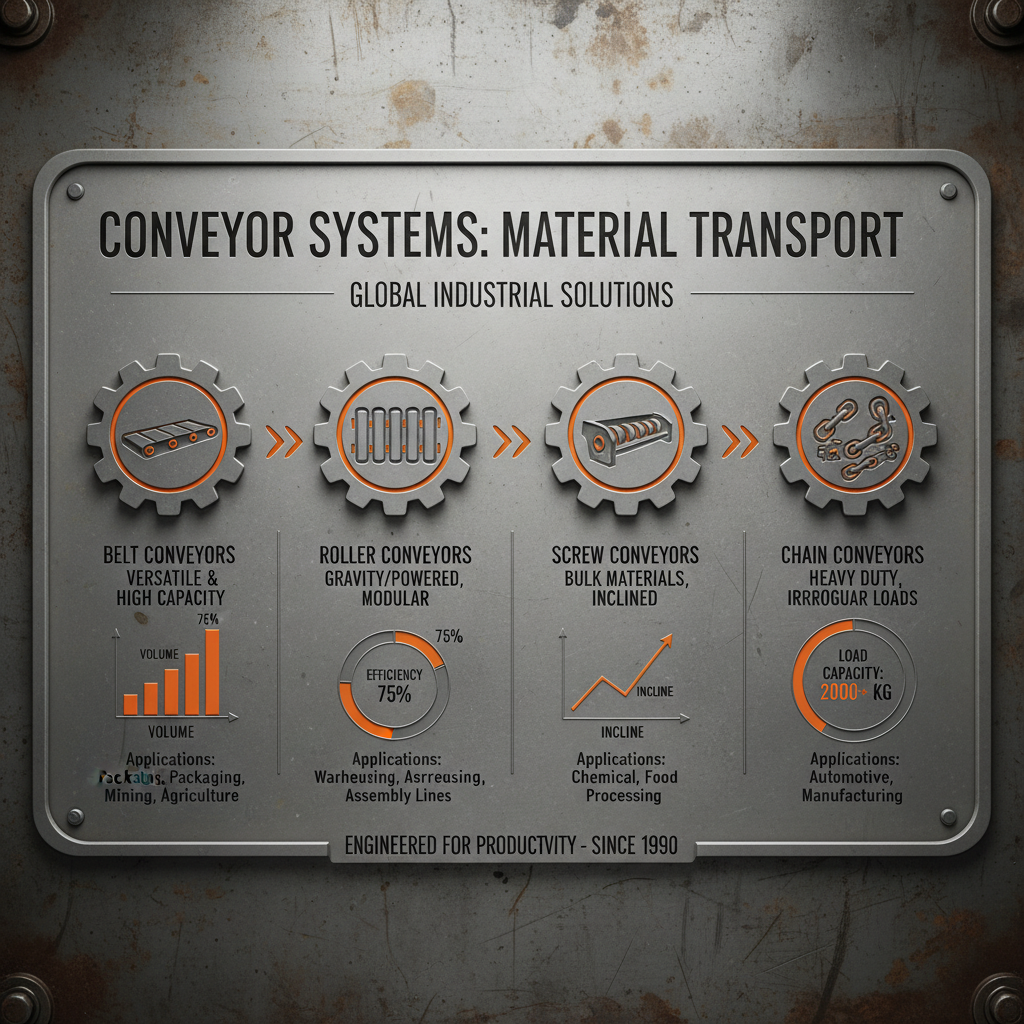
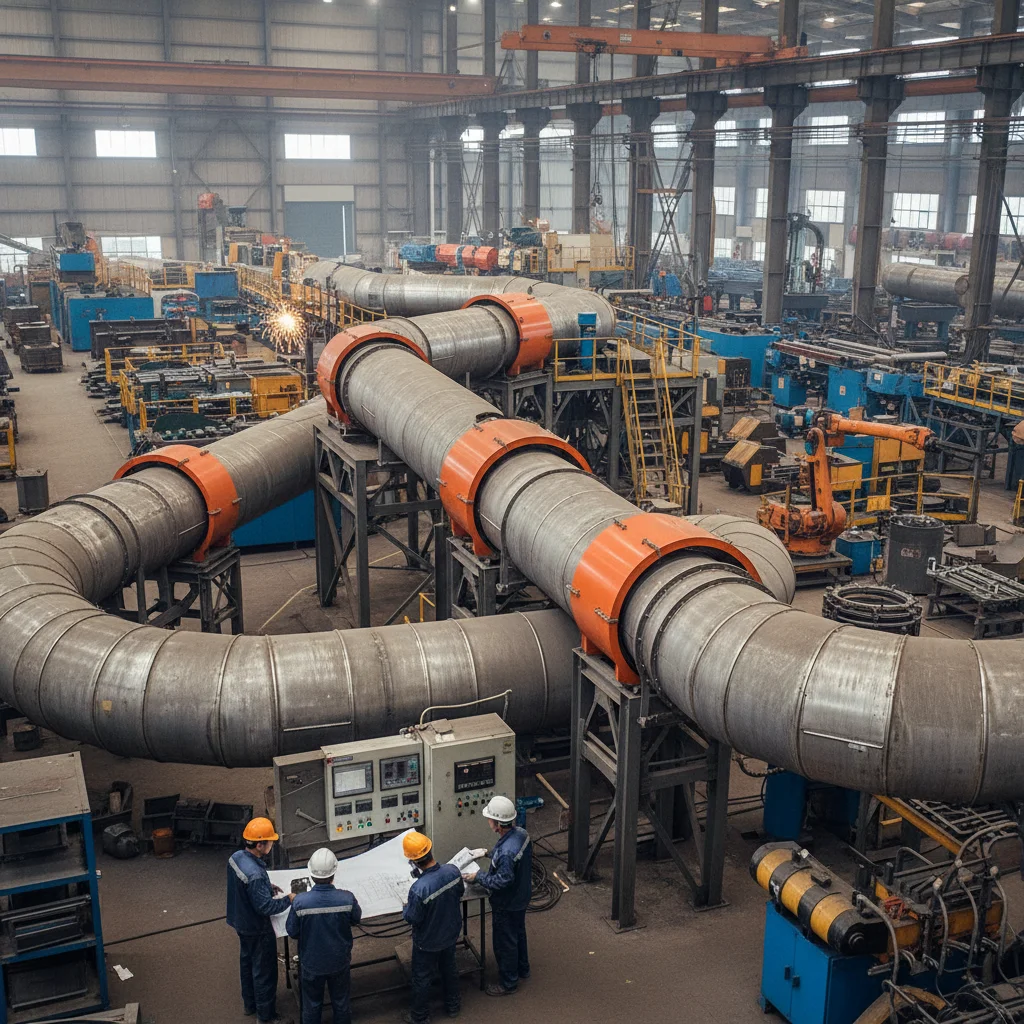
At its simplest level, various types of conveyors refer to the diverse mechanical systems designed to move materials from one point to another with minimal human intervention. These range from the ubiquitous Belt Conveyor, which uses a continuous loop of material to transport bulk goods, to specialized systems like the Tubular Belt Conveyor, which seals the material within a pipe-like structure to prevent dust leakage and environmental contamination.
Beyond basic movement, these systems are deeply connected to the humanitarian and industrial needs of the 21st century. For instance, in large-scale food processing plants, corrugated sidewall conveyors allow for the vertical transport of granular materials, maximizing floor space and ensuring hygienic handling. This versatility ensures that whether the goal is moving coal in a pit or sorting parcels in a distribution center, there is a specific configuration tailored to the task.
Understanding the nuance between different systems is key. For example, an Impact Bed is not a conveyor itself, but a critical component that protects the belt from damage at loading points. When we discuss various types of conveyors, we are actually discussing an ecosystem of components—rollers, pulleys, and cleaners—that work in tandem to ensure the longevity and efficiency of the entire transport line.
Core Components for Maximum Conveyor Efficiency
The durability of various types of conveyors depends heavily on the quality of the Conveyor Roller and Conveyor Pulley. These components determine the friction levels and the tracking stability of the belt. A poorly aligned pulley can lead to belt drift, causing premature wear on the edges and increasing the risk of unplanned downtime.
Scalability is another crucial factor. By employing modular Conveyor Components, industries can expand their lines without replacing the entire system. For example, integrating a Mobile Belt Conveyor allows for flexible loading points in construction or stockpiling operations, showcasing the adaptability inherent in various types of conveyors.
Finally, maintenance efficiency is driven by the use of high-performance Belt Cleaners. Without effective cleaning, material carry-back accumulates on the return belt, leading to pulley buildup and accelerated wear. The synergy between a high-grade belt and a precision cleaner is what defines the operational lifespan of various types of conveyors in heavy-duty environments.
Performance Metrics Across Different Conveyor Designs
When evaluating various types of conveyors, engineers typically look at key performance indicators (KPIs) such as energy consumption per ton, belt wear rate, and volumetric throughput. A standard belt conveyor may offer high speed, but a Tubular Belt Conveyor provides superior containment for hazardous materials, trading some speed for total environmental control.
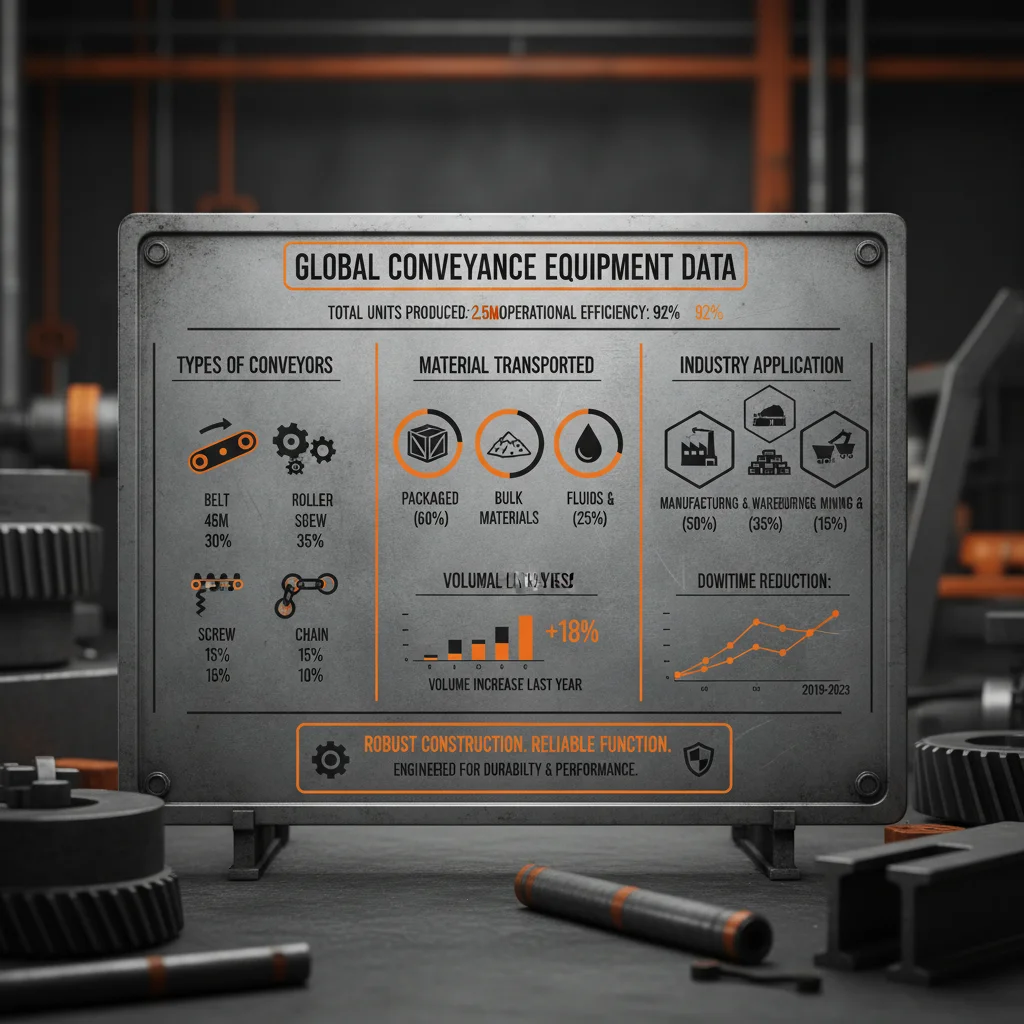
The following data illustrates how different configurations of various types of conveyors perform across different industrial requirements, focusing on durability and operational cost efficiency.
Performance Ratings for Various Types of Conveyors
Global Applications and Real-World Use Cases
In the realm of large-scale infrastructure, various types of conveyors are indispensable. In remote industrial zones, such as the iron ore mines of Western Australia, Overland Belt Conveyors span dozens of kilometers, replacing traditional rail systems to reduce carbon footprints and labor costs. These systems are engineered to handle extreme temperature fluctuations and high volumetric loads without sacrificing stability.
Conversely, in urban logistics hubs, the focus shifts to agility. Mobile Belt Conveyors are used in rapid-deployment scenarios, such as unloading shipments in crowded ports or transporting materials across temporary construction sites. The ability to switch between various types of conveyors based on the specific site geography allows companies to maintain a flexible supply chain that can react to market volatility in real-time.
Long-Term Value: Sustainability and Reliability
The long-term value of investing in high-quality various types of conveyors extends beyond mere profit. From a sustainability perspective, modern conveyor systems are designed to reduce energy leakage through low-rolling-resistance rollers and energy-efficient drive motors. By minimizing the reliance on diesel-powered trucks for short-to-medium hauls, industries can significantly lower their greenhouse gas emissions.
Reliability is the emotional core of industrial operations. When a conveyor system in a critical path fails, the cost is measured not just in repair bills, but in lost production time and potential safety risks. Choosing the right configuration from various types of conveyors ensures that employees work in a safer environment where manual lifting is minimized and material spills are controlled.
Ultimately, trust in a system comes from its consistency. A well-designed Underground Conveyor Belt system, for example, must operate flawlessly in confined spaces where maintenance is difficult. The integration of predictive maintenance—using sensors to detect bearing failure in rollers before it happens—adds a layer of innovation that transforms various types of conveyors into intelligent assets.
Future Trends in Automated Material Handling
The future of various types of conveyors is inextricably linked to digital transformation. We are seeing a move toward "Smart Conveying," where AI algorithms optimize the speed of the belt based on the weight of the material being sensed in real-time. This not only saves electricity but also reduces the mechanical stress on the belt, extending its service life significantly.
Material science is also evolving. New composite materials for Conveyor Rollers are making them lighter and more corrosion-resistant, which is vital for the pharmaceutical and food industries. Furthermore, the shift toward green energy is leading to the development of regenerative braking systems in downhill conveyors, where the energy generated by the descending load is fed back into the plant's power grid.
As we look toward 2030, the synergy between robotics and various types of conveyors will likely peak. Automated Guided Vehicles (AGVs) will act as the "last mile" transport, seamlessly handing off materials to fixed conveyor systems. This hybrid approach will create a fully autonomous logistics loop, reducing human intervention to a purely supervisory role.
Comparative Analysis of Conveyor System Specifications
| Conveyor Type |
Primary Application |
Durability Score (1-10) |
Maintenance Level |
| Belt Conveyor |
General Bulk Transport |
8 |
Moderate |
| Tubular Conveyor |
Dust-sensitive materials |
7 |
High |
| Corrugated Sidewall |
Vertical Lifting |
7 |
Moderate |
| Overland Conveyor |
Long-distance Mining |
10 |
Low (Planned) |
| Underground Belt |
Mine Shaft Transport |
9 |
High |
| Mobile Conveyor |
Temporary Loading |
6 |
Low |
FAQS
Choosing the right system requires analyzing three factors: the material properties (abrasiveness, size, weight), the environment (temperature, humidity, space), and the distance. For bulk, long-distance transport, overland conveyors are best. For hygiene-critical vertical movement, corrugated sidewall conveyors are the industry standard. We recommend a detailed throughput analysis before selecting the specific conveyor type.
Belt misalignment and material carry-back are the leading causes of failure. When materials adhere to the belt after the discharge point, they build up on the pulleys and rollers, causing friction and belt drift. Installing high-quality Belt Cleaners and regular inspection of the Conveyor Rollers can prevent up to 80% of these common mechanical failures.
Yes, typically. Because Tubular Belt Conveyors involve a complex geometry to keep the belt in a pipe shape, the tensioning and tracking mechanisms are more intricate. However, this cost is offset by the elimination of dust suppression systems and the protection of materials from wind and rain, which is critical for hazardous or high-value minerals.
Mobile conveyors are designed for flexibility and agility, so while they can handle significant loads, they generally have lower volumetric capacities than massive fixed overland systems. They are ideal for bridging the gap between a fixed conveyor and a loading truck, rather than serving as the primary long-term transport artery of a mine.
An impact bed replaces the standard idlers at the loading point where materials drop onto the belt. Instead of the belt flexing over rollers, it rests on a cushioned bed, which absorbs the kinetic energy of the falling material. This prevents punctures, reduces belt stretch, and significantly extends the overall lifespan of the conveyor belt.
Absolutely. Retrofitting is common. You can add IoT sensors to existing Conveyor Rollers to monitor vibration and temperature, or install variable frequency drives (VFDs) on the motor to optimize speed. Most various types of conveyors can be upgraded with these modular electronics without needing to replace the entire structural frame.
Conclusion
In summary, the strategic deployment of various types of conveyors is the cornerstone of industrial efficiency. From the heavy-duty reliability of overland systems to the specialized containment of tubular conveyors, each design serves a precise purpose in the global supply chain. By focusing on high-quality components like precision pulleys, durable rollers, and effective cleaners, businesses can minimize downtime and maximize their operational ROI.
Looking ahead, the integration of AI and sustainable materials will continue to push the boundaries of material handling. We encourage industrial operators to move beyond "one-size-fits-all" solutions and instead invest in tailored conveyor ecosystems that prioritize both environmental sustainability and mechanical longevity. To explore the best solutions for your specific operational needs, visit our website: www.jtconveyor.com.