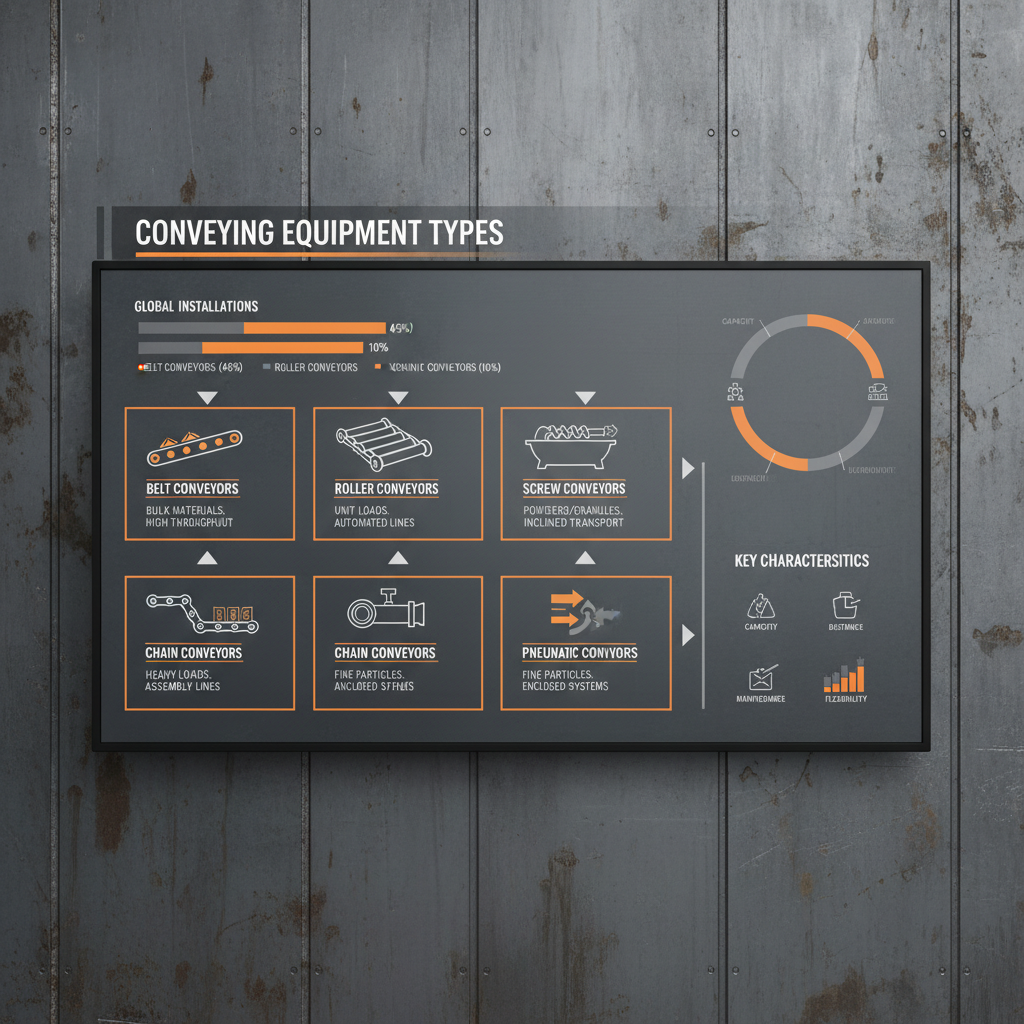
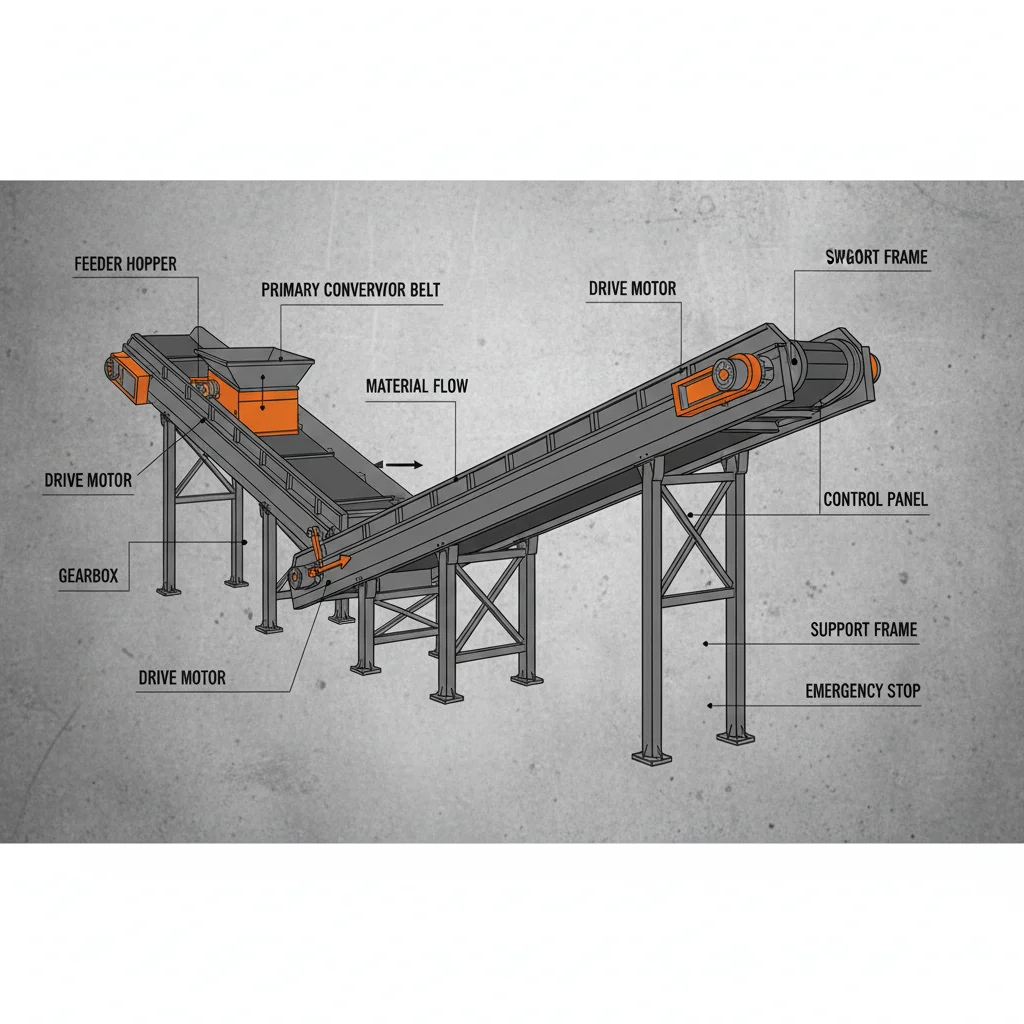
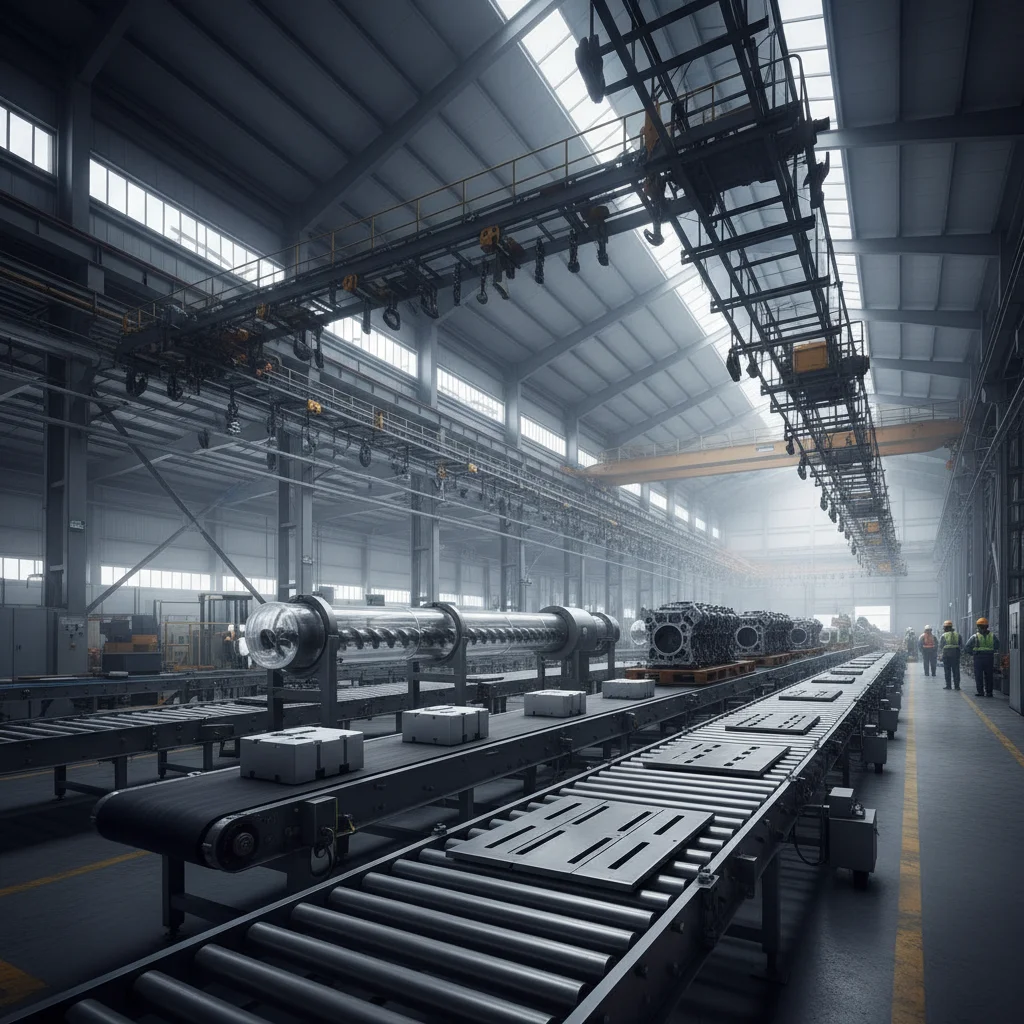
Understanding the diverse range of conveying equipment types is fundamental for any industrial operation aiming to optimize its material handling efficiency. From heavy-duty mining operations to precise food processing lines, the selection of the right transport mechanism directly impacts throughput, energy consumption, and overall operational safety. In an era of rapid industrialization, the ability to match a specific material's physical properties with the correct conveying technology is no longer just a technical preference, but a competitive necessity.
Globally, the demand for sophisticated material handling solutions has surged as supply chains become more complex and the need for automation increases. Whether it is the deployment of Overland Belt Conveyors for long-distance mineral transport or the use of Corrugated Sidewall Conveyors for vertical elevation, the evolution of these systems reflects a broader trend toward sustainability and precision. By reducing manual handling and minimizing material waste, modern conveying systems contribute significantly to the global push for leaner, greener manufacturing processes.
The core benefit of mastering the various conveying equipment types lies in the ability to eliminate bottlenecks. When a facility integrates the correct combination of Conveyor Pulleys, Rollers, and specialized Belt Cleaners, the result is a seamless flow of goods that reduces downtime and maintenance costs. This comprehensive guide explores the technical nuances, practical applications, and future innovations of these essential industrial assets, providing a roadmap for engineers and procurement managers to make informed decisions.
The Industrial Significance of Conveying Equipment Types
In the landscape of modern manufacturing, conveying equipment types serve as the circulatory system of the factory. From the heavy-duty requirements of the mining sector, where Overland Belt Conveyors move thousands of tons of ore across vast terrains, to the intricate needs of pharmaceutical plants, the versatility of these systems is unmatched. The ability to move materials continuously—rather than in batches—allows for a synchronized production cadence that drastically reduces lead times and operational overhead.
The global economic impact of optimizing these systems is measurable. According to industrial efficiency standards, transitioning from manual transport to automated conveying types can increase throughput by up to 40%. This shift not only enhances productivity but also addresses critical safety concerns by removing human operators from hazardous environments, such as deep-vein mining or high-temperature chemical processing zones, thereby upholding international labor safety standards.
Technical Definitions and Material Compatibility
At its most basic level, conveying equipment types refer to the mechanical systems designed to move materials from one point to another within a controlled environment. This includes a broad spectrum of technologies, ranging from the simple Conveyor Roller systems used in warehouses to complex Tubular Belt Conveyors that prevent material leakage and environmental contamination during transport. The primary goal is to achieve a steady, predictable flow of bulk or unit loads with minimal energy expenditure.
Material compatibility is the most critical factor when defining which equipment to use. For instance, abrasive materials like crushed stone require high-tension Conveyor Belts and reinforced Impact Beds to prevent premature wear and tear. Conversely, fragile goods or food products necessitate specialized materials and gentle handling mechanisms to ensure product integrity. Understanding the interaction between the material's angle of repose and the belt's friction coefficient is essential for preventing slippage and spillage.
Furthermore, the environment in which the equipment operates dictates the technical specifications. Underground Conveyor Belts must be flame-retardant and anti-static to meet stringent mining safety laws, while equipment used in coastal regions must be treated with anti-corrosive coatings to withstand saline air. By aligning the equipment type with both the material and the environment, companies can maximize the lifespan of their assets and reduce the frequency of emergency repairs.
Core Components Ensuring System Reliability
The reliability of various conveying equipment types depends heavily on the quality of their individual components. A system is only as strong as its weakest link, and in conveying, this often means the Conveyor Pulley and the belt itself. The pulley ensures the correct tension and tracking, while the belt provides the surface area necessary for transport. Without precise synchronization between these two, the system is prone to belt drift, which can lead to catastrophic edge damage and unplanned downtime.
Maintenance-focused components like Belt Cleaners play a pivotal role in long-term sustainability. By removing carry-back material from the belt, these cleaners prevent the buildup of debris on return rollers and pulleys, which would otherwise cause belt misalignment and premature wear. Integrating high-efficiency cleaners into the system design significantly reduces the manual labor required for housekeeping and protects the internal mechanical parts from abrasive wear.
Finally, the structural support system—including the Impact Bed and Conveyor Rollers—absorbs the energy of falling materials. Impact beds are specifically engineered for loading zones where heavy materials strike the belt, distributing the force to prevent the belt carcass from rupturing. When these components are selected based on the specific load dynamics of the operation, the overall MTBF (Mean Time Between Failures) is greatly extended, ensuring a stable production cycle.
Performance Metrics Across Different Systems
Evaluating the efficiency of different conveying equipment types requires a data-driven approach. Key Performance Indicators (KPIs) typically include energy consumption per ton moved, belt wear rates, and the volume of material loss due to spillage. For example, a Mobile Belt Conveyor offers high flexibility for changing site conditions but may have different energy profiles compared to a fixed Overland system.
By quantifying these metrics, plant managers can determine the Return on Investment (ROI) for upgrading to more advanced systems, such as Tubular Belt Conveyors, which may have a higher initial cost but significantly lower environmental mitigation costs. The following data illustrates the relative performance ratings of common conveying configurations based on industry benchmarks for durability, capacity, and maintenance ease.
Comparative Efficiency of Conveying Equipment Types
Global Applications and Sector-Specific Use Cases
The application of various conveying equipment types varies drastically across global regions. In the resource-rich regions of Australia and Brazil, Overland Belt Conveyors are the backbone of the mining industry, transporting iron ore over dozens of kilometers to port facilities. These systems are engineered for extreme weather and high-volume throughput, utilizing advanced steel-cord belts to handle immense tensions without stretching.
In contrast, the logistics hubs of North America and Europe rely heavily on modular Conveyor Systems and Mobile Belt Conveyors to manage the explosion of e-commerce. These environments prioritize scalability and rapid reconfiguration, allowing warehouses to adjust their layouts based on seasonal demand. Additionally, in the agricultural sectors of Southeast Asia, Corrugated Sidewall Conveyors are frequently used to move grains and seeds vertically into silos, optimizing the use of limited ground space in dense farming communities.
Long-Term Value and Operational Advantages
Investing in the correct conveying equipment types yields tangible long-term value through reduced OpEx (Operating Expenditure). A well-designed system minimizes friction and energy loss, leading to lower electricity bills. More importantly, the integration of high-quality Conveyor Rollers and Pulleys reduces the frequency of belt replacements, which are among the most expensive consumable items in any material handling operation.
Beyond the financial gains, there is a significant human and social impact. Automated conveying systems improve workplace dignity by removing the need for grueling manual labor in dusty or dangerous environments. When workers transition from "shoveling" to "monitoring" the system, their safety increases, and the risk of musculoskeletal injuries decreases. This shift fosters a more professional, tech-driven workforce and builds trust in the company's commitment to employee well-being.
Sustainability is the final pillar of long-term value. Modern conveying types are designed for energy recovery and reduced carbon footprints. For instance, regenerative braking systems on downhill conveyors can feed electricity back into the plant grid. By choosing equipment that maximizes longevity and minimizes waste, companies align their operational goals with global ESG (Environmental, Social, and Governance) standards.
Future Trends in Intelligent Conveying Systems
The future of conveying equipment types is being reshaped by the "Industry 4.0" paradigm. We are moving away from passive mechanical systems toward "intelligent" conveyors equipped with IoT sensors. These sensors can monitor belt tension, roller temperature, and vibration in real-time, enabling predictive maintenance. Instead of scheduled shutdowns, AI algorithms can now predict exactly when a pulley bearing will fail, allowing for repairs to be made during natural gaps in production.
Material science is also evolving, with the introduction of biodegradable belt materials and ultra-high-molecular-weight (UHMW) plastics that offer nearly zero friction. These innovations are reducing the energy required to move the same volume of material, directly contributing to a lower carbon footprint. Furthermore, the integration of autonomous mobile robots (AMRs) with traditional conveyor systems is creating a hybrid logistics environment that offers unprecedented flexibility.
As we look toward 2030, the focus will shift toward fully autonomous, self-healing systems. Imagine a conveyor that can automatically adjust its tracking via smart rollers or a belt that signals its own wear level to the procurement department. This convergence of mechanical engineering and digital intelligence will redefine the efficiency of material handling across every industry.
Analysis of Future Technology Integration in Conveying Systems
| Technology Trend |
Impact on Operations |
Implementation Ease |
Efficiency Gain (1-10) |
| IoT Predictive Sensors |
Eliminates unplanned downtime |
Moderate |
9 |
| Low-Friction Polymers |
Reduces energy consumption |
High |
7 |
| AI Tracking Systems |
Automated belt centering |
Low |
8 |
| Regenerative Braking |
Power recovery on declines |
Moderate |
6 |
| Modular Hybrid Designs |
Rapid site reconfiguration |
High |
8 |
| Smart Belt Cleaning |
Reduced carry-back waste |
High |
7 |
FAQS
For abrasive materials, prioritize durability and impact resistance. Look for systems that include heavy-duty Impact Beds at loading points and Conveyor Belts made from abrasion-resistant rubber compounds. Additionally, ensure that Conveyor Rollers are made from hardened steel or ceramic-coated materials to prevent premature wearing through friction. A high-quality Belt Cleaner is also essential to prevent abrasive particles from damaging the return pulleys.
Yes, Tubular Belt Conveyors encapsulate the material within a closed pipe-like structure. This design prevents dust from escaping into the atmosphere and protects the material from external contaminants like rain or wind. This makes them ideal for transporting hazardous chemicals or fine powders in environmentally sensitive areas where open belt systems would require expensive enclosure tunnels.
The lifespan varies based on the application, but with proper maintenance, a high-quality industrial belt can last from 3 to 10 years. The key to longevity is the use of proper Belt Cleaners to remove debris and the regular inspection of Conveyor Pulleys to ensure perfect alignment. If the belt is consistently misaligned, it will wear out at the edges significantly faster regardless of the material quality.
Mobile Belt Conveyors are designed for flexibility rather than maximum continuous throughput. While they are highly efficient for temporary setups or changing stockpiles, fixed systems like Overland Conveyors are more energy-efficient for long-term, high-volume transport. The choice depends on whether your operational priority is "adaptability" or "maximum tonnage per kilowatt hour."
A Corrugated Sidewall Conveyor features vertical walls and cleats attached to the belt, allowing it to move materials at steep angles or even vertically. Standard belts are limited by the material's angle of repose—if the slope is too steep, the material simply slides back. The sidewalls "contain" the material, making these systems perfect for elevators in grain silos or waste management plants.
Absolutely. Retrofitting is a common practice. You can add IoT vibration sensors to existing Conveyor Rollers, install digital tension monitors on Pulleys, and integrate PLC (Programmable Logic Controller) systems to automate speed and flow. This allows older equipment to benefit from predictive maintenance without the need for a full system replacement.
Conclusion
Selecting the optimal conveying equipment types is a strategic decision that blends mechanical engineering with operational foresight. From the foundational strength of Conveyor Pulleys and Rollers to the specialized capabilities of Tubular and Corrugated Sidewall systems, each component plays a vital role in ensuring a seamless production flow. We have seen that the integration of durability, material compatibility, and predictive maintenance not only lowers operational costs but also enhances safety and sustainability across the global industrial landscape.
As we move toward a future of intelligent automation and green energy, the role of conveying systems will only grow in importance. Companies that embrace digital transformation—integrating IoT and advanced materials into their material handling—will gain a significant edge in efficiency and reliability. We encourage you to evaluate your current bottlenecks and consider how a tailored conveying solution can transform your productivity. Visit our website for expert consultation: www.jtconveyor.com