Why enclosed tubular conveyors are quietly winning bulk handling
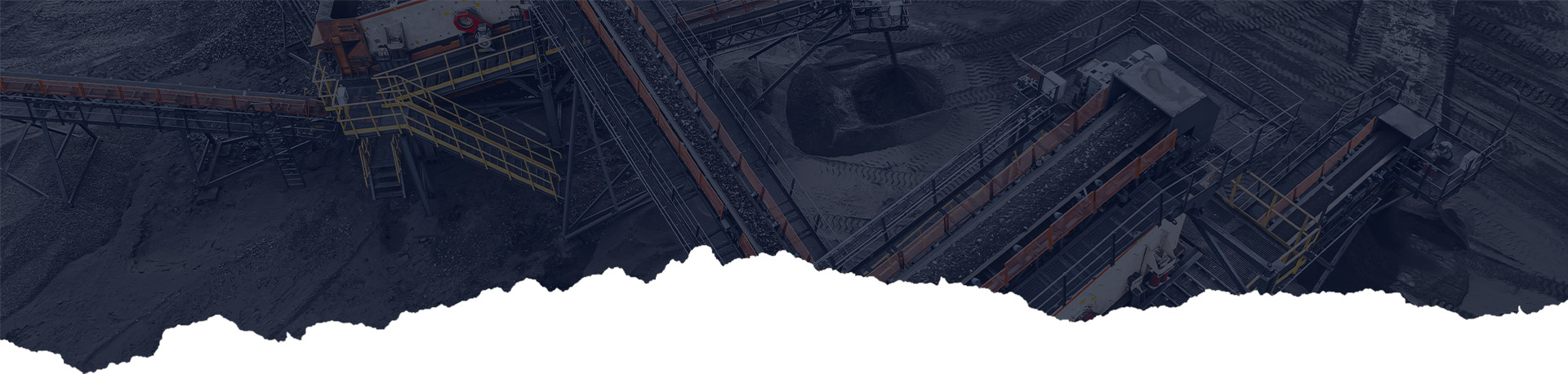
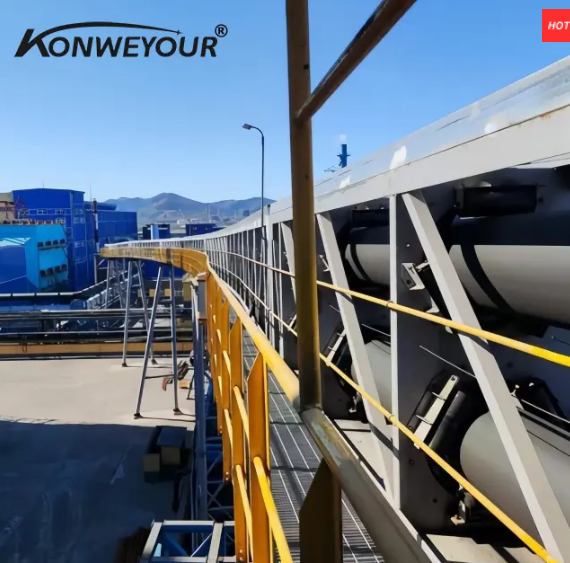
I’ve walked more dusty transfer houses than I care to admit, and the shift is obvious: plants are moving from open troughs to enclosed systems. The Enclosed Tubular Belt Conveyor sits right at that inflection point—less spillage, tighter footprints, cleaner air. To be honest, once you’ve seen a decent install run through a rainy season without a single housekeeping panic, it’s hard to go back.
What’s trending
Three macro drivers keep coming up in my notes: ESG-driven dust abatement, labor shortages (less cleanup), and site constraints around ports and brownfield expansions. Enclosed conveyors—tubular or “pipe”—solve for all three, while sidestepping some permitting headaches. In fact, many customers say they adopted them just to keep neighbors happy.
Key specifications (typical ranges)
| Capacity |
≈ 30–800 t/h (real-world use may vary with material & slope) |
| Tube diameter |
≈ 150–500 mm |
| Belt speed |
≈ 1.5–4.0 m/s |
| Max incline |
up to ~25° (material dependent) |
| Curve radius (horizontal) |
≈ 300–600 m |
| Particle size |
≤ 80 mm (soft) / ≤ 40 mm (abrasive) |
| Dust emissions |
< 10 mg/m³ at discharge with proper filtration (site-tested) |
| Ambient temp |
-20 to +50 °C standard; options to -40/+80 °C |
Where it shines
Ports and grain terminals, cement and clinker lines, fertilizer and potash, coal/coke (with proper sealing), battery metals concentrates, and—surprisingly—sugar and malt where hygiene and cross-contamination are touchy subjects.
Why teams pick it
- Fully enclosed, minimal spillage and odor
- Tight curves reduce transfer points (and wear)
- Lower housekeeping and downtime; safer walkways
- Good for windy, wet, or urban sites
Process and build quality (how it’s actually made)
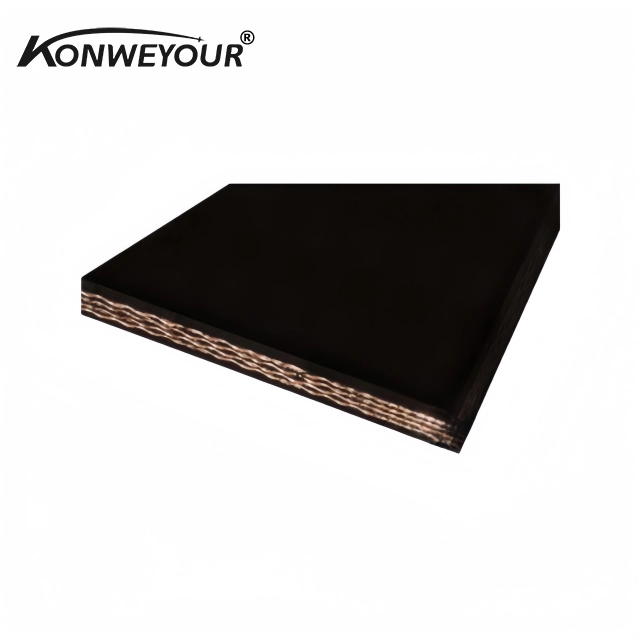
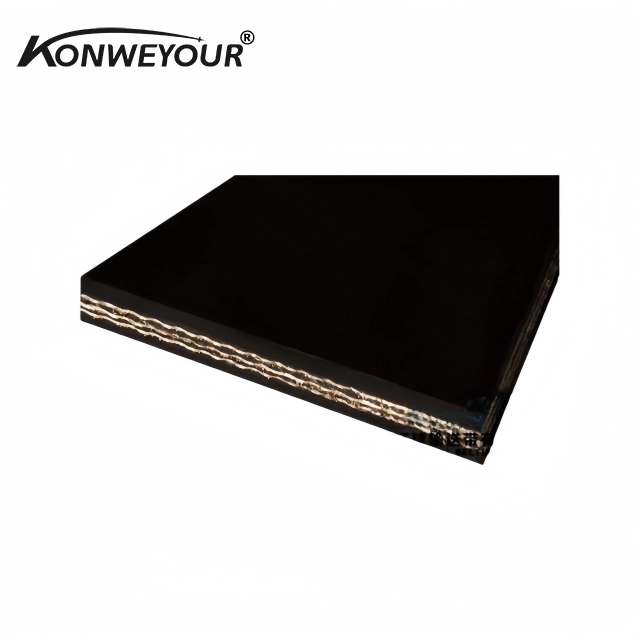
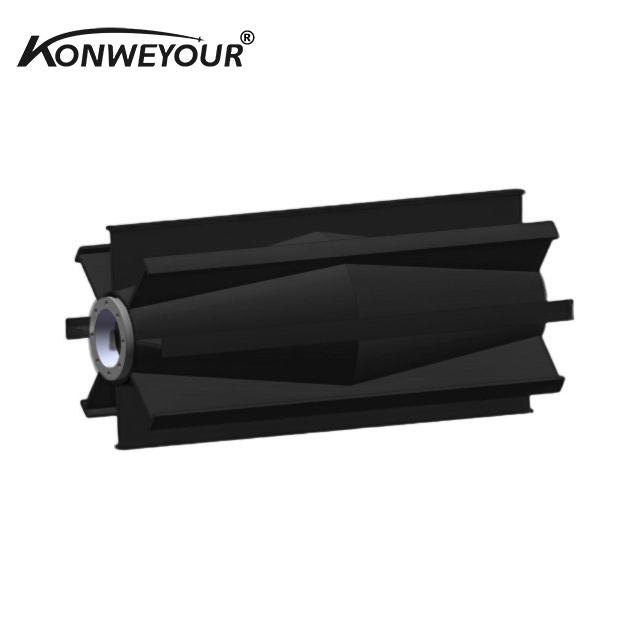
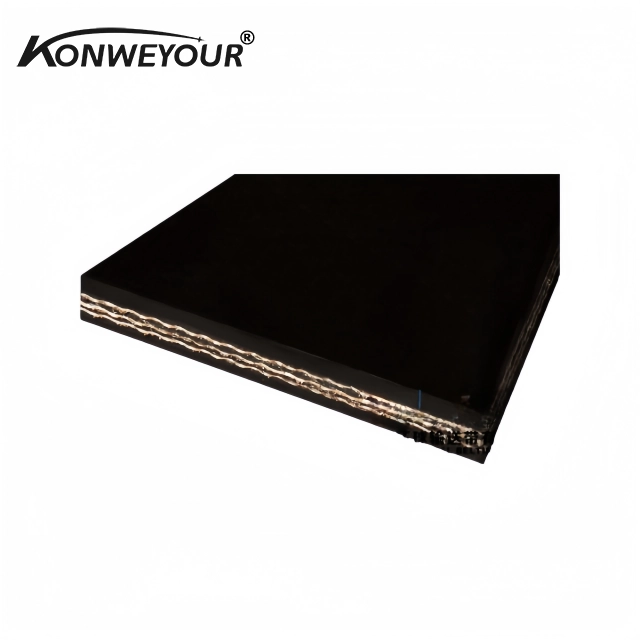
Materials: EP/ST belts with anti-tear layers; idlers in hexagonal sets; sealed feed chutes with wear liners (AR, ceramic, or UHMW).
Methods: DIN 22101/ISO 5048 power & tension calcs; finite-element checks on gantries; hot-vulcanized splices where feasible.
Testing: belt abrasion (ISO 4649), elongation (ISO 283), idler runout/noise, factory run-in; dust verification against local limits.
Service life: belt 3–7 years typical; idlers 20–40k h; bearings L10 ≥ 50k h with proper sealing and alignment.
Vendor snapshot (indicative)
| Vendor |
Tube dia. |
Capacity |
Certs |
Lead time |
Notes |
| JTC Conveyor (Hebei; No. 13 Gongqiang Rd., Nangong E.D.Z.) |
150–500 mm |
30–800 t/h |
ISO 9001, CE; ATEX options |
≈ 10–16 weeks |
Strong customization, competitive CAPEX |
| Global Brand A (pipe conveyor) |
200–600 mm |
100–1200 t/h |
ISO, CE, regional |
≈ 20–30 weeks |
Premium lifecycle services |
| Regional Fabricator B |
150–400 mm |
50–400 t/h |
CE (varies) |
≈ 8–14 weeks |
Cost-effective, limited curve expertise |
Customization (the smart bits)
Enclosed Tubular Belt Conveyor options include anti-abrasive and heat-resistant belts (ISO 14890), food-grade compounds, stainless or polymer idlers, ceramic-lined chutes, drive station redundancy, ATEX/IECEx electricals for Zone 21/22, condition monitoring (idler acoustics, belt drift sensors), and quick-access inspection doors. I guess the right mix depends on what you’re moving and how picky your insurer is.
Real projects, quick take
- Grain terminal, coastal: 420 t/h over 310 m with two 45° curves; dust at dock measured ≈ 7 mg/m³ after retrofit, housekeeping time cut by ~60%.
- Cement plant, brownfield: 650 mm belt equivalent, 22° incline, ceramic-lined feed; belt wear index improved ≈ 18% vs. open trough baseline.
Compliance and test data
Designed and verified per DIN 22101 and CEMA; belt specs per ISO 14890; power calcs per ISO 5048. Dust controls aligned with OSHA grain handling and NFPA 652 guidance; ATEX 2014/34/EU packages available. Field sound levels typically ≤ 75 dB(A) at 1 m with guard sealing, though, yes, real plants vary.
Feedback from users: “Cleaner yard, fewer complaints,” and “maintenance got boring—in a good way.” If you know, you know.
References
- ISO 14890: Conveyor belts — Specification for rubber- or plastics-covered belts.
- DIN 22101: Continuous conveyors — Belt conveyors for loose bulk materials.
- ISO 5048: Continuous mechanical handling equipment — Belt conveyor power calculations.
- CEMA: Belt Conveyors for Bulk Materials, 7th ed.
- ATEX Directive 2014/34/EU (Equipment and protective systems in explosive atmospheres).
- OSHA 1910.272: Grain handling facilities.
- NFPA 652: Fundamentals of Combustible Dust.