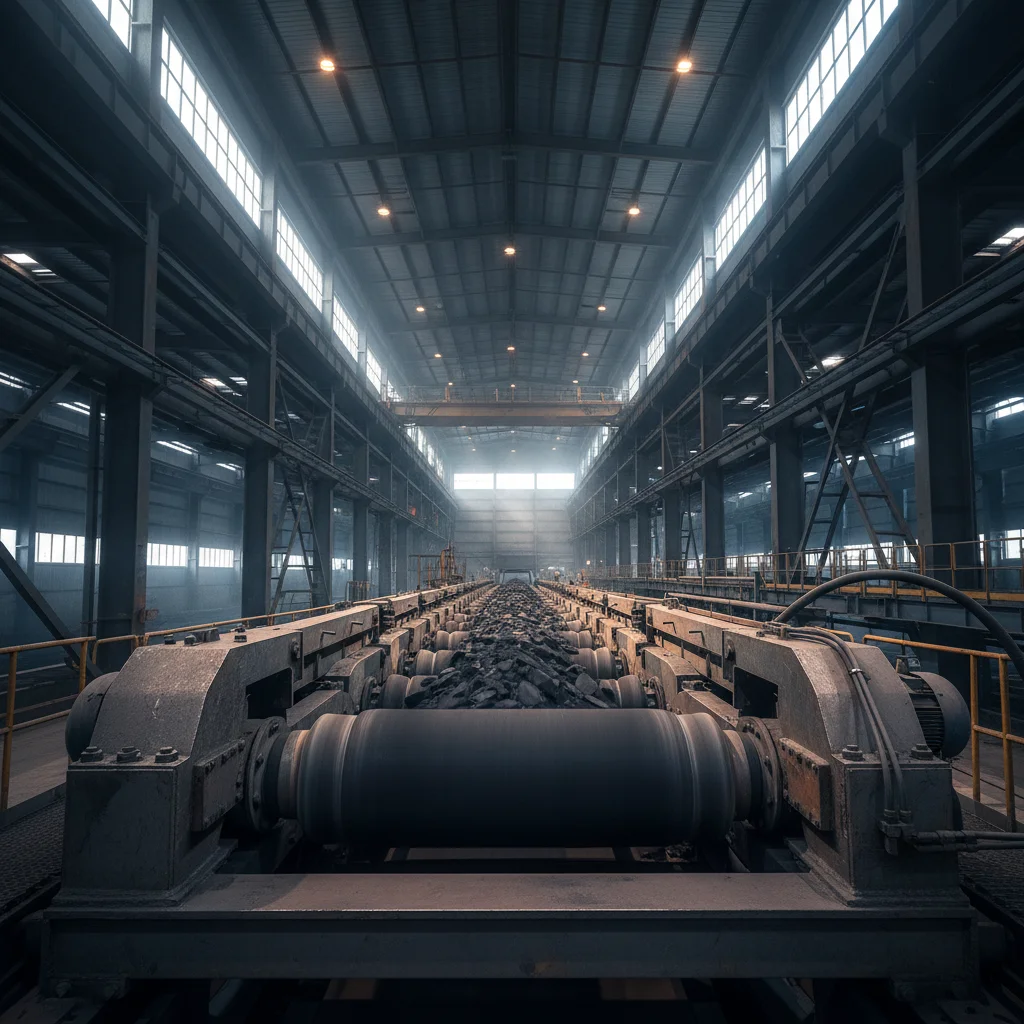
If you’ve ever stood next to an open belt on a windy day, you know the mess. Dust in the lungs, product on the ground, lost efficiency. That’s why the industry is moving—quietly but decisively—toward the Enclosed Tubular Belt Conveyor. To be honest, it’s not just a trend; it’s basic operational hygiene paired with measurable ROI.
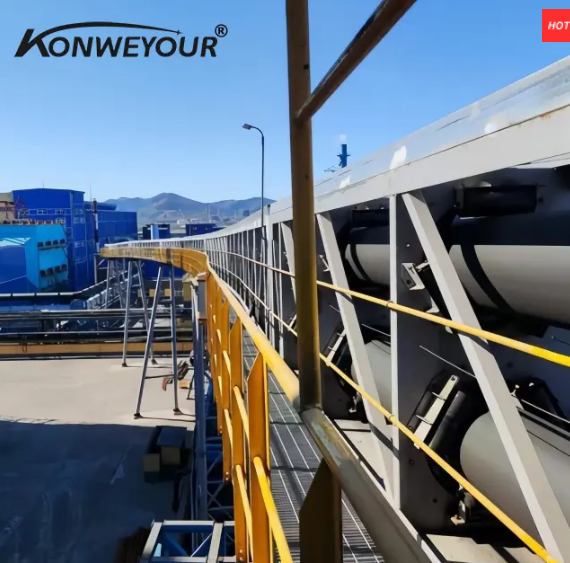
What’s changing in bulk handling
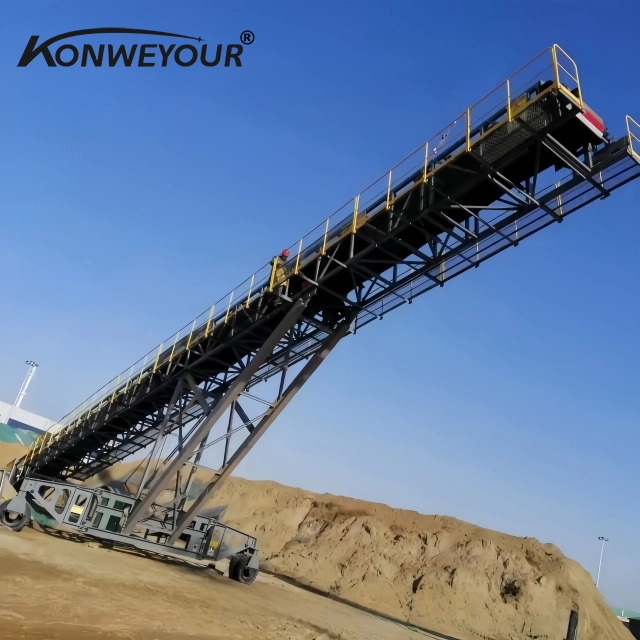
Three forces are reshaping specs: stricter emissions limits, higher throughput per square meter, and safer handling of sensitive or explosive dusts. Facilities in cement, grain, fertilizer, chemicals, battery materials—even wood pellets—now spec enclosed tubular systems to reduce spillage and mitigate dust risk. Surprisingly, many customers say the biggest win isn’t just compliance; it’s housekeeping and product recovery.
How the technology works (quick tour)
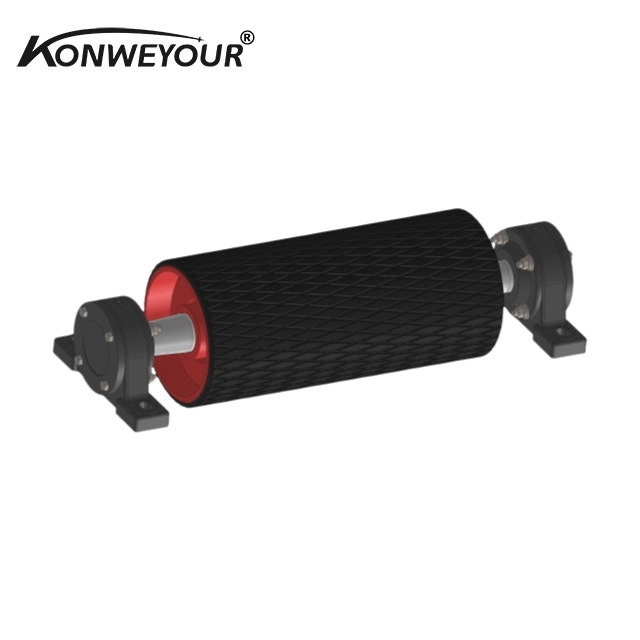
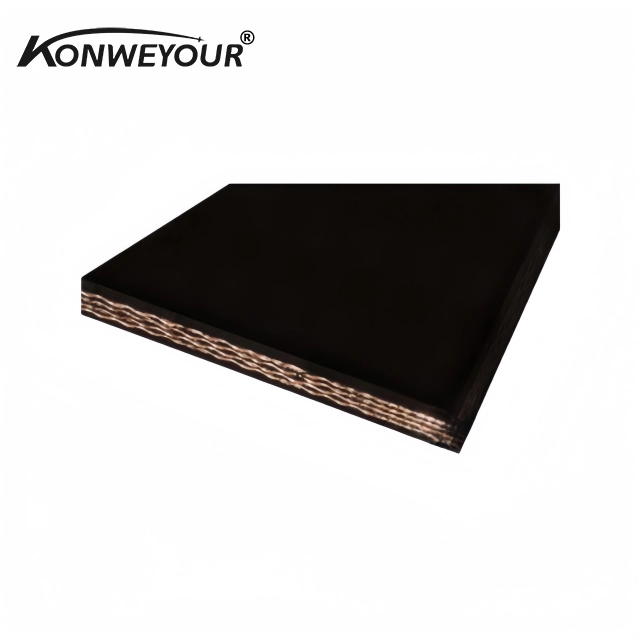
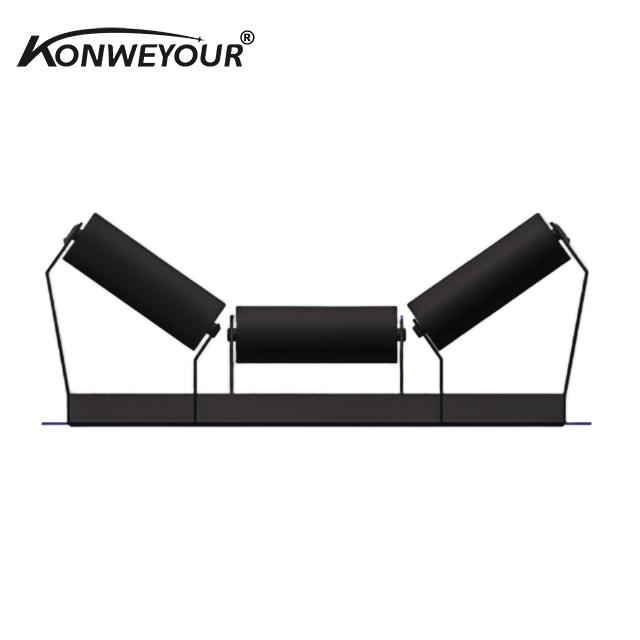
Material enters via a sealed feed chute, the flat belt is formed into a tube by profile idlers, and the load rides inside the “tube” through curves and inclines before being opened at the head for discharge. Typical components include EP or steel-cord belts, galvanized or painted carbon-steel casing, wear liners (often UHMW), low-friction carrying and return idlers, and integrated sealing at all transfer points. Methods: finite element checked frames, NDT on critical welds, and vibration-balanced pulleys. Testing against ISO 5048 and DIN 22101 for power/sizing is common; CEMA design practice remains a baseline in many bids.
Product specifications (typical)
| Parameter |
Spec (≈, real-world may vary) |
Notes |
|---|
| Tube (belt) diameter |
200–600 mm |
Custom diameters on request |
| Capacity |
30–1,000 t/h |
Bulk density 0.6–1.8 t/m³ |
| Belt speed |
1.0–4.5 m/s |
Optimized vs. wear and dust |
| Horizontal/vertical curves |
Min. radius ≈ 60–300 m |
Depending on belt class |
| Inclination |
Up to 25° |
Material dependent |
| Enclosure level |
Fully enclosed |
Minimal spillage, dust control |
Advantages in the field
- Dust control: measured plant-side reductions up to ≈80–95% vs. open belts (site-dependent).
- Tighter routing: curves reduce transfer points and civil works.
- Product integrity: less contamination, less moisture ingress.
- Safety: fewer spill zones; easier housekeeping.
- Service life: idlers 20,000–40,000 h typical; belts selected to DIN/ISO classes.
Process flow, materials, testing
Materials handled: cement clinker, fly ash, grains, soy meal, urea, potash, PTA, carbon black, cathode/anode powders, pellets. Factory checks include pulley runout, belt splice pull tests, coating thickness (DFT), enclosure leak checks, and trial alignment. Acceptance often references ISO 5048, DIN 22101, CEMA, and local dust/ATEX rules where applicable.
Vendor snapshot (what buyers compare)
| Aspect |
JT Conveyor (Origin: No. 13 Gongqiang Rd., Xingtai) |
Vendor B |
Vendor C |
|---|
| Customization |
High (curves, liners, ATEX-ready options) |
Medium |
High |
| Lead time |
≈8–14 weeks |
10–16 weeks |
12–20 weeks |
| Certifications |
ISO 9001; CE; optional EX design review |
ISO 9001 |
ISO 9001; CE |
Customization and options
Choices include belt class (EP/steel cord), abrasion classes, stainless contact surfaces, galvanized or epoxy coatings, low-temp or high-temp packages, automated take-up, condition monitoring, and explosion venting concepts for zones as required by local regulations. I guess the sweet spot is tailoring the tube diameter and curve radii to kill two birds: footprint and power draw.
Field notes and feedback
“Housekeeping dropped to nearly nothing,” one grain terminal manager told me—always nice to hear. A cement client reported transfer-point spillage cut by ≈90% and belt wear trending flatter on quarterly inspections.
Mini case studies
- Fertilizer port, 450 t/h, 420 m run with two curves: emissions complaints fell off; loader cycles sped up by ~6%.
- Battery materials plant, 150 t/h, inertable design: product contamination events dropped to zero in first 9 months.
Bottom line: if your layout is tight or your dust permit is stricter this year (whose isn’t?), a Enclosed Tubular Belt Conveyor is the practical path to cleaner throughput.
Standards and references
- CEMA: Belt Conveyors for Bulk Materials, 7th Ed.
- DIN 22101: Continuous conveyors – Belt conveyors for loose bulk materials.
- ISO 5048: Continuous mechanical handling equipment – Belt conveyors – Calculation of operating power.
- OSHA/NIOSH guidance on combustible dust and housekeeping (US).
- ATEX Directive 2014/34/EU (equipment in potentially explosive atmospheres).