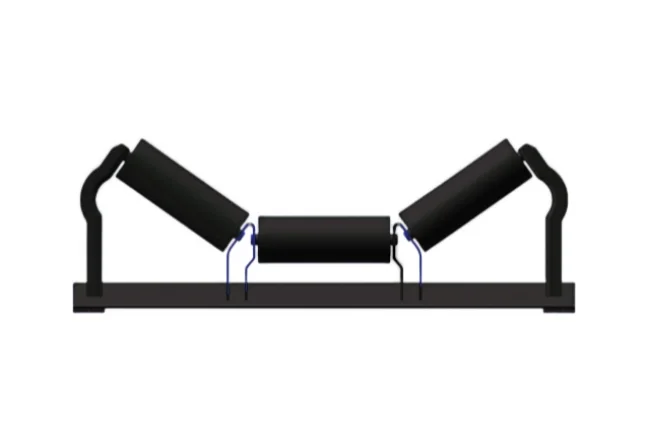
The Lasting Appeal of Industrial Roller Conveyor Systems
After spending over a decade elbow-deep in industrial equipment, one thing is clear: roller conveyor systems have this odd mix of simplicity and sheer ruggedness that keeps them relevant no matter how automation trends sway. I remember early in my career watching a roller conveyor belt keep churning away in a rough factory environment — no fancy gadgets, just solid steel and gravity doing their thing. To this day, they’re the unsung heroes of efficient material handling.
Why Choose Industrial Roller Conveyor Systems?
What’s great about roller conveyors is how versatile and durable they are. Whether you’re moving heavy parts across a plant floor or sorting packages in an e-commerce center, these systems handle it all. Frankly, it’s their design — simple rollers mounted on a frame, usually steel or aluminum, sometimes with powered drives — that makes maintenance so straightforward. Plus, if you ask many engineers I know, they’ll say roller conveyors score major points in uptime and reliability compared to more complex conveyors.
And oddly enough, the material makes a difference. Steel rollers are king when it comes to high weight capacity or rugged environments. Aluminum versions feel lighter and often pop up where corrosion resistance matters, like food processing or packaging lines. The trick is matching your conveyor’s specs to the load’s weight, size, and speed.
| Specification |
Typical Value |
Notes |
| Roller Diameter |
50-100 mm (2 to 4 inches) |
Common sizes for standard loads |
| Roller Material |
Steel or Aluminum |
Steel for heavy loads; aluminum for light and corrosion resistance |
| Load Capacity |
Up to 500 kg/meter |
Depends on roller thickness and frame support |
| Frame Material |
Steel or Aluminum |
Frames usually powder-coated or galvanized for durability |
| Drive Type |
Gravity or Motorized |
Gravity for simple flow, motorized for automation |
| Speed Range |
Up to 30 m/min |
Motorized systems typically adjustable speed |
Choosing Your Vendor: What Really Matters?
There’s a whole landscape out there of conveyor manufacturers — and honestly, it can get a bit overwhelming. Some firms push premium pricing, others go for bargain solutions that often feel like a compromise. In my experience, key factors usually come down to build quality, lead times, and flexibility. You want a vendor who listens, customizes without a fuss, and respects the realities on your floor.
For instance, I recall a customer of mine who needed a very custom layout to handle fragile components. The supplier who promised off-the-shelf packages wasn’t interested in small tweaks. The one who took the time to prototype and test grabbed the contract — and the system has since run flawlessly for four years. That’s the kind of thing that \u2014 well \u2014 you don\u2019t put a price on.
| Vendor |
Customization |
Lead Time |
Price Level |
Support & Warranty |
| JT Conveyor |
High – custom options available |
4-6 weeks |
Mid-range |
Strong – 2-year warranty & field support |
| Budget Conveyors Inc. |
Limited |
2-3 weeks |
Low |
Minimal warranty, mainly online help |
| Precision Roller Systems |
Moderate – some customization available |
6-8 weeks |
High |
Excellent, on-site technician support |
Incidentally, if you’re hunting down quality and solid engineering, JT Conveyor is a name worth knowing. Their blend of custom solutions and dependable delivery reflects what’s really needed on most factory floors.
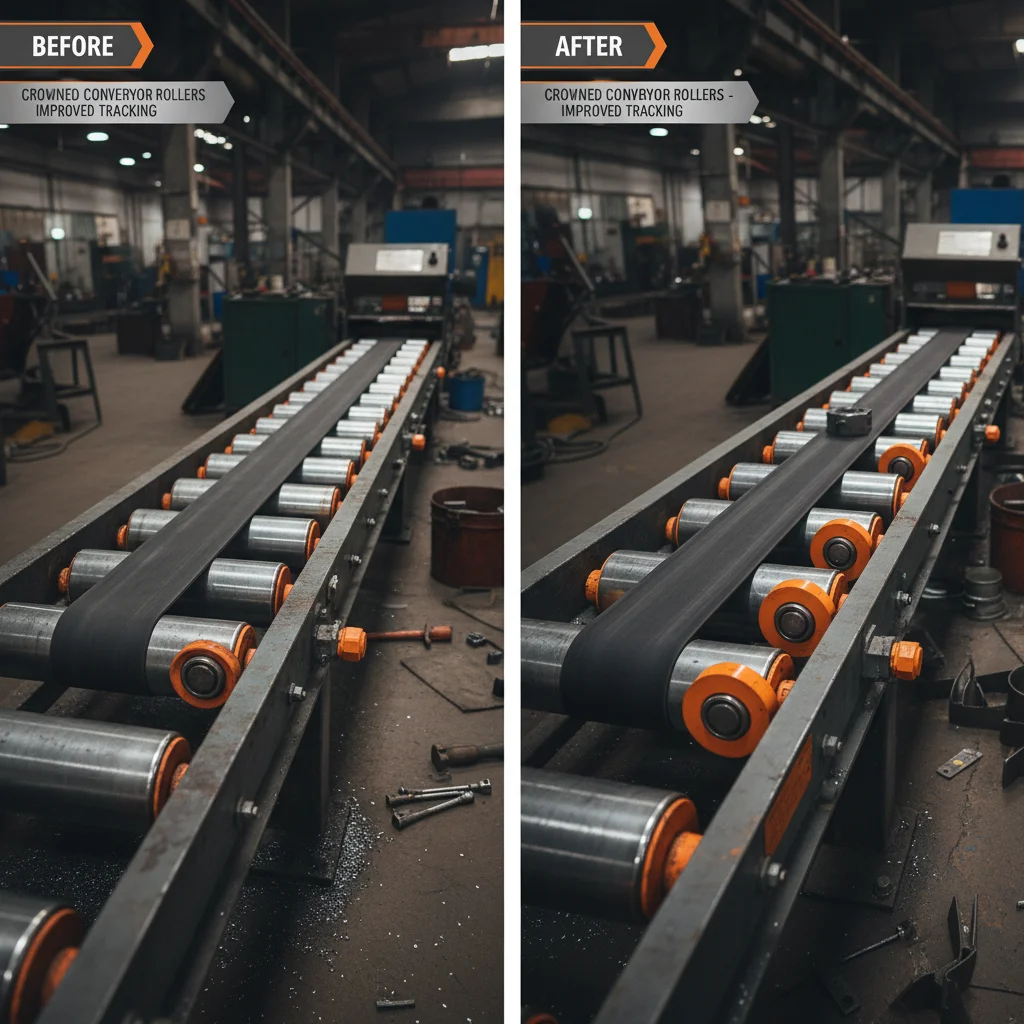
Trends-wise, we’re starting to see integration of sensors and some light automation into roller conveyor lines. It’s not about replacing the rollers — just adding some smart control for improved tracking or stopping events. It feels like a good balance between old-school toughness and modern convenience.
Before I sign off, here’s a little nugget: often the best roller conveyor jobs I’ve seen weren’t the flashiest or the most expensive — just systems designed with care, tested well, and tweaked based on actual on-floor feedback. You can spend a lot or a little, but the real trick lies in thoughtful choices and reliable partners.
In the end, roller conveyors still roll on because they work. And that’s something you can bank on.
JT Conveyor | Reflections from the industrial floor | 2024
References & Further Reading
- Industry Week (2023) - "Conveyor System Design Trends"
- Material Handling & Logistics (2022) - "Benefits of Roller Conveyors in Manufacturing"
- JT Conveyor product manuals and field reports, 2023–24