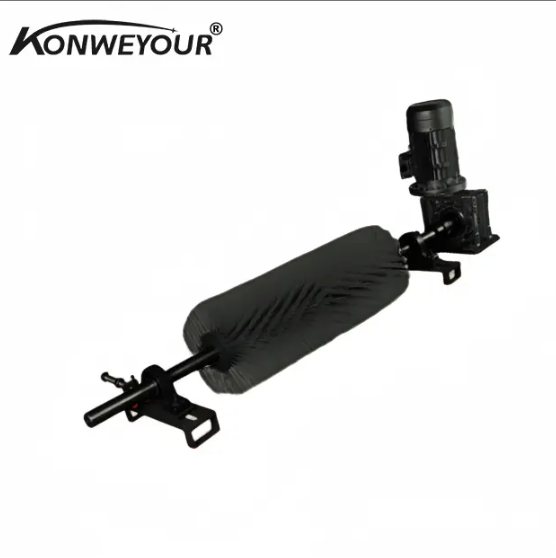
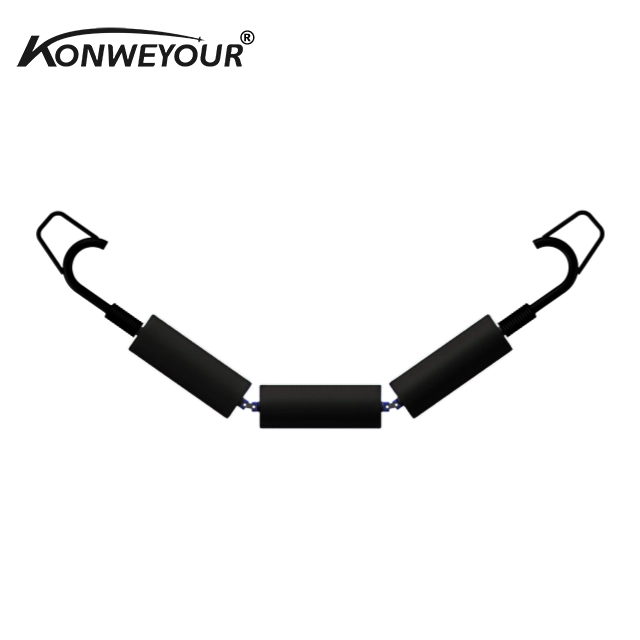
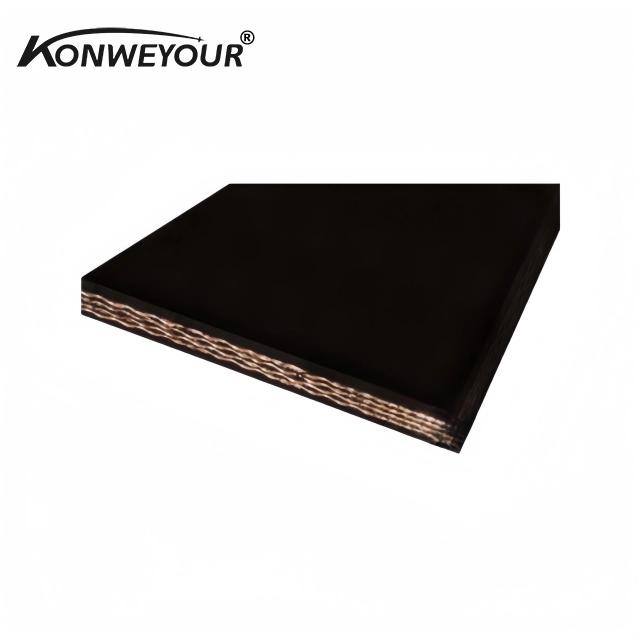
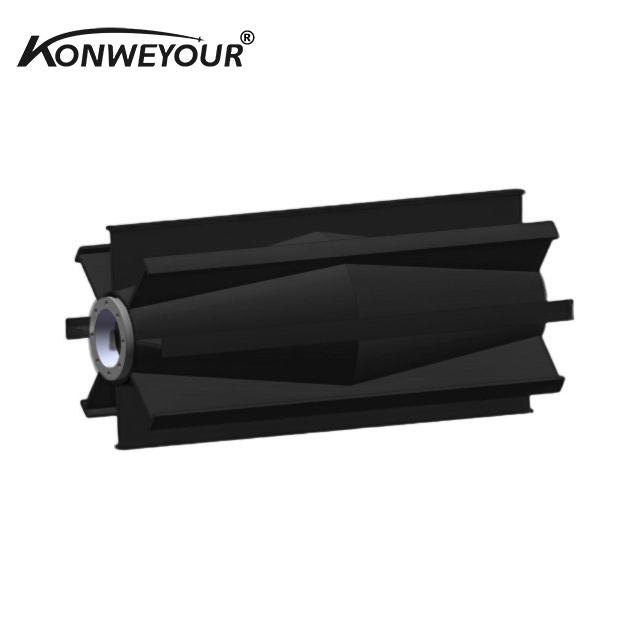
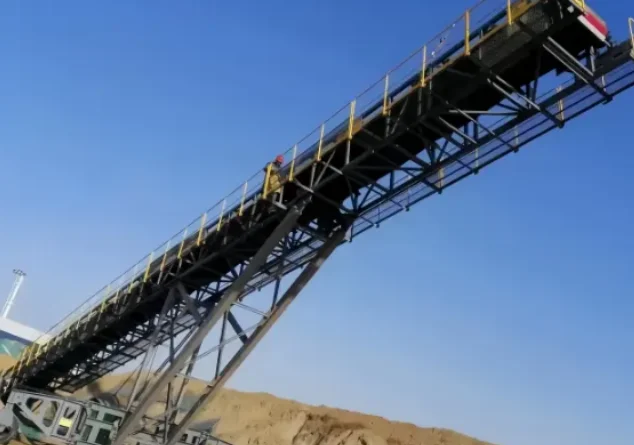
Belt carryback is still the silent profit leak. The headline trend this year? Plants shifting from “good enough” scrapers to precision brush systems to control dust, stickies, and micro-fines. To be honest, brush cleaners used to have a reputation for being fussy. Not anymore. With variable-speed drives, smarter sealing, and better bristle blends, the modern Motorized Brush Conveyor Belt Cleaner is a different animal—quieter, kinder to the belt, and surprisingly effective on wet, tacky loads.
Where it fits (and where it shines)
It’s built for light to medium-duty lines where precision beats brute force: fertilizers, salt, sugar, clay, ceramics, foundry sand, wood processing, glass cullet, and recycling MRFs. Many customers say the brush wins when moisture swings through the shift. Put it as a secondary or tertiary cleaner after the head pulley, and let the motor do the finesse work that a primary blade can’t.
Product specifications (typical)
| Belt width range | 500–1600 mm (custom up to 2000 mm) |
| Motor power | ≈0.37–1.5 kW; 220/380/415/480 VAC; VFD-ready |
| Brush speed | ≈400–900 rpm (adjustable) |
| Brush diameter | 150–300 mm; modular segments |
| Bristle options | Nylon 6/66, PP, stainless wire; food-grade on request |
| Frame materials | Painted carbon steel (Q235), SS304 |
| IP rating | IP55 standard; IP65 available (IEC 60529) |
| Belt speed | ≤3.5 m/s typical; up to ≈4.5 m/s with spec brush |
| Service life | Bristles ≈8,000–12,000 h (real-world use may vary) |
| Noise | <75 dB at 1 m (typical) |
How it’s built and tested (short version)
- Materials: selected bristle blend by duty and media (nylon for fines, wire for abrasive stickies).
- Methods: balanced brush core, keyed hubs, sealed bearings, guarded drive.
- Testing: rotor balance to ISO 21940 G6.3; IP checks per IEC 60529; cleaner class guidance per CEMA 576.
- QA: run-in at operating rpm, belt-contact pattern check, amperage draw logging.
In field trials we’ve seen residual carryback cut by ≈70–90% versus a primary blade alone, especially on damp fertilizer lines. Your mileage, obviously, depends on moisture, belt cover, and maintenance discipline.
Vendor snapshot (informal, yet practical)
| Criteria |
JT Conveyor (Hebei) |
Vendor B (generic import) |
Vendor C (premium global) |
| Balance grade | G6.3 (ISO 21940) | Not stated | G2.5–G6.3 |
| Brush change time | ≈20–30 min (modular) | ≈40–60 min | ≈20–30 min |
| Lead time | 10–20 days typical | 15–30 days | 4–8 weeks |
| Customization | High (materials, mounts, VFD) | Low–medium | High |
| Price band | $$ | $ | $$$ |
Customization and options
Pick bristles by material and density, add a VFD to sync brush speed with belt speed, and choose SS304 frames for corrosives. Food-grade polymer bristles are available on request. Mounts can be made to existing stringers—saves welding. Origin: No. 13 Gongqiang Road, Nangong Economic Development Zone, Xingtai City, Hebei Province.
Quick case notes
- Fertilizer (NPK), 1200 mm belt, 2.8 m/s: carryback down ≈82%; housekeeping time cut by half.
- Clay ceramics, 800 mm belt: dust readings at transfer point dropped ≈35% with enclosure + Motorized Brush Conveyor Belt Cleaner.
- Glass cullet, 1000 mm: wire-bristle set extended changeout interval from 10 to 16 weeks.
What operators mention most: fewer belt gouges versus hard blades and steadier cleaning during rain or washdowns. The tradeoff, I guess, is you do need to watch brush wear and keep the VFD tuned. Fair deal.
Standards and references
Designed with reference to CEMA cleaner classes, IP protection per IEC 60529, balance per ISO 21940, and belt interfaces per ISO 14890. Compliance specifics depend on configuration.
References:
1) CEMA 576: Classification for Conveyor Belt Cleaners
2) ISO 21940-11: Rotordynamic balancing
3) IEC 60529: Degrees of protection (IP Code)
4) ISO 14890: Conveyor belts — Specifications