Self Aligning Roller With Automatic Belt Tracking — field notes from the shop floor
If you’ve ever watched a belt wander and chew itself to pieces on a rainy Tuesday, you’ll understand why the
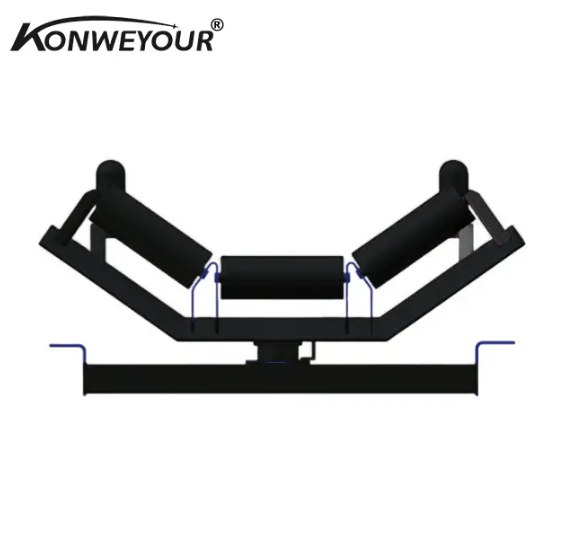
Self Aligning Roller With Automatic Belt Tracking
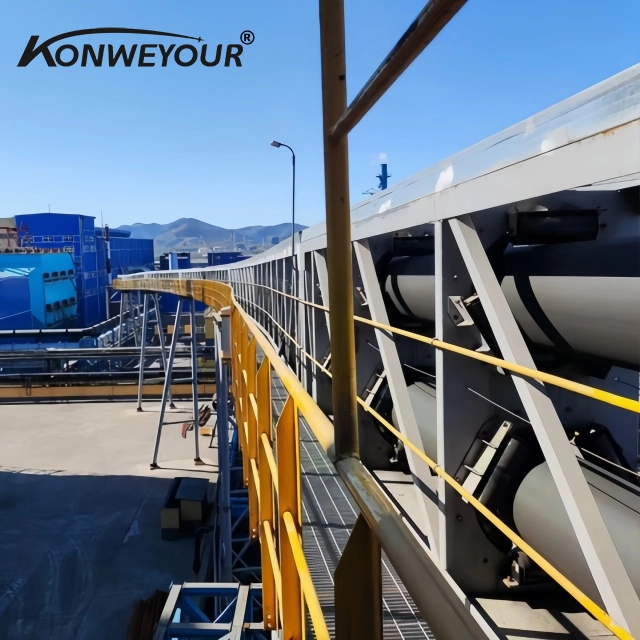
has been getting so much attention. I’ve seen it in quarries, parcel hubs, and steel plants—quietly nudging belts back on line while everyone else gets on with real work. It’s not flashy. It just works.
Origin matters: these units come out of No. 13 Gongqiang Road, Nangong Economic Development Zone, Xingtai City, Hebei Province. The facility is set up for heavy-duty manufacturing—thick shells, precision bearings, decent seals. To be honest, the consistency has been surprisingly good in recent batches.
What it is (and why plants are swapping them in)
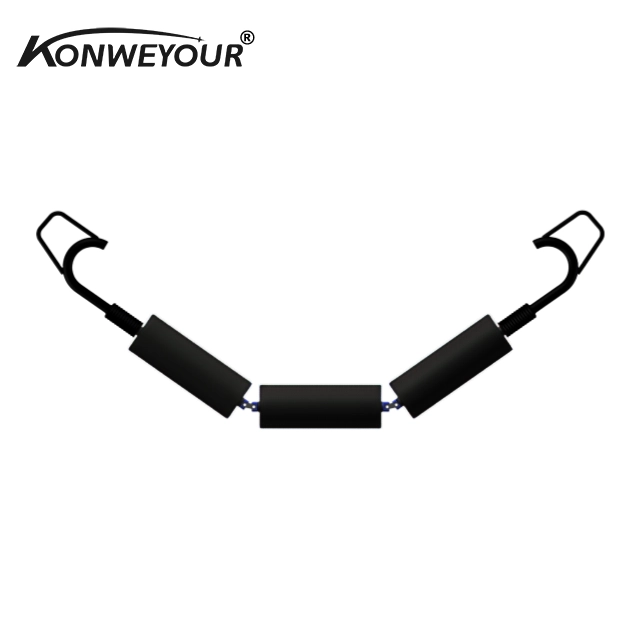
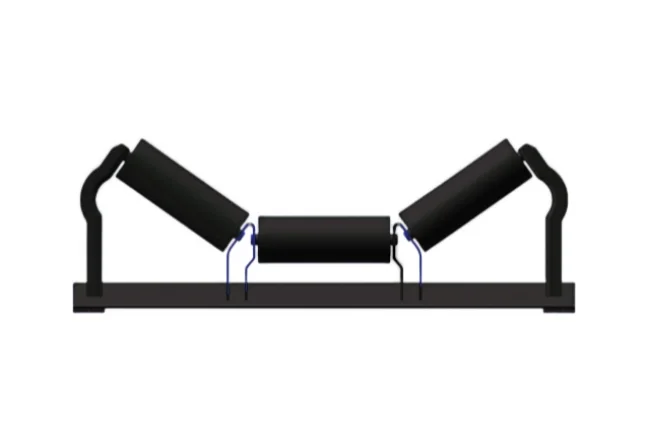
The Self Aligning Roller With Automatic Belt Tracking detects belt drift and gently pivots to steer it back—reducing edge wear and spillage. Many customers say downtime falls immediately, which tracks with the physics: fewer rub points, fewer emergency stops. In bulk handling (mining, cement), even a 1–2% availability bump is real money.
Quick spec snapshot (field-proven ranges)
| Shell material |
Q235 / Q345 steel; optional hot-dip galvanizing |
| Diameter range |
89–194 mm (others on request) |
| Belt width served |
500–2000 mm ≈ real-world use may vary |
| Bearing |
Deep-groove, C3 clearance; L10 life ≈ 50,000–80,000 h (ISO 281) |
| Sealing |
Triple-labyrinth + contact seal, IP65–IP67 options |
| Tracking correction |
±2–3° auto pivot, damping-bias mechanism |
| Max load |
Up to 3.5–5.0 kN per roller (CEMA duty dependent) |
| Temperature |
-20 to +80 °C (high-temp grease to 120 °C) |
| Noise |
≤ 65 dB(A) @ 600 rpm, ≈ in situ |
How it’s built (materials → tests)
- Materials: certified steel tube, precision shafts, premium grease.
- Methods: CNC turning, dynamic balancing (ISO 21940), robotic welding; concentricity ≤ 0.2 mm.
- Assembly: preloaded bearings, sealed chambers, anti-backlash pivot.
- Testing: runout, axial load, seal dust test, salt spray (as requested), belt-tracking simulation.
- Standards touched: CEMA B/C/D classes, ISO 281, ISO 21940, optional CE/UKCA. Safety aligned with OSHA belt guarding guidance.
- Service life: commonly 5–7 years in clean duty; heavy-abrasion sites ≈ 2–4 years with proper housekeeping.
Applications and trends
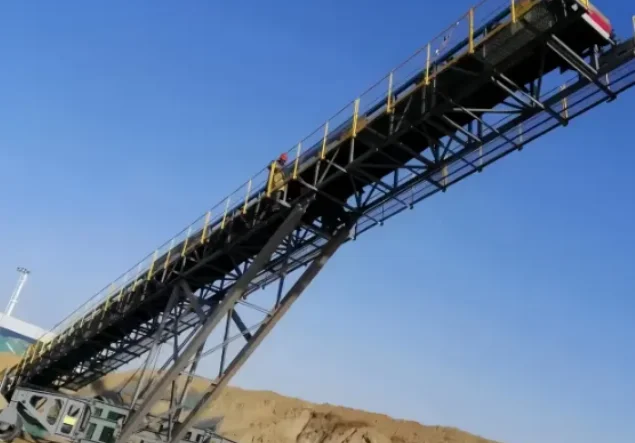
Mining, ports, aggregates, grain terminals, parcel logistics, cement. The trend is pretty clear: plants are standardizing on auto-tracking idlers up the line—especially on long centers and load zones—to cut spillage and cleanups. The Self Aligning Roller With Automatic Belt Tracking fits right in with those reliability-centered maintenance programs.
Vendor snapshot (what buyers compare)
| Vendor |
Lead time |
Customization |
Standards |
Warranty |
Certs |
|---|
| JT Conveyor (origin: Hebei) |
2–4 weeks ≈ |
High (diameter, seals, coatings) |
CEMA/ISO aligned |
18–24 months |
CE, ISO 9001 |
| Generic Importer |
1–2 weeks |
Low–Medium |
Basic compliance |
12 months |
Supplier-declared |
| European Brand |
4–8 weeks |
High |
CEMA/ISO/DIN |
24 months |
CE, ISO 9001/14001 |
Customization you’ll likely ask for
- Seals: IP65 vs IP67 for washdown or dust-heavy zones.
- Surface: rubber lagging (ASTM abrasion rated) for wet fines; galvanizing for coastal air.
- Bearing brand: local preferences matter for spares.
- Mounting brackets: retrofit kits to existing stringers.
Field results (2 snapshots)
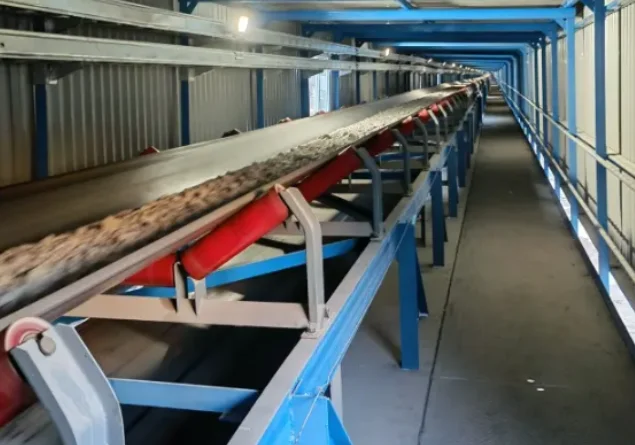
Open-pit iron ore: 1600 mm belt, 2.8 km. After installing Self Aligning Roller With Automatic Belt Tracking units at carry and return every 35 m, spillage dropped ≈ 22% and belt-edge temperature decreased 6–8 °C. Maintenance reported two fewer emergency stops per week.
Parcel hub: 800 mm belt with frequent start/stop. With auto-tracking rollers in curves, carton rub damage went down noticeably, and operators—this is candid—stopped babysitting the line.
Practical buying tip
Don’t overspec diameter; do overspec seals. Also, align frames properly—auto-tracking corrects drift, not bad geometry. And yes, keep scrapers tuned; it all works together.
References
- CEMA Belt Conveyors for Bulk Materials, 7th Ed.
- ISO 21940: Mechanical vibration — Rotor balancing.
- ISO 281: Rolling bearings — Dynamic load ratings and rating life.
- ISO 14890: Conveyor belts — Specifications.
- OSHA 1910 Subpart O — Machinery and Machine Guarding (belt systems guidance).