What Is a Slider Belt Conveyor & Why It’s More Important Than You Think
At first glance, a slider belt conveyor might just seem like a mundane industrial tool — a simple belt moving goods here and there. But if you zoom out to the big picture, it's pretty clear these conveyors quietly power a vast web of industries worldwide, enabling efficiency, scalability, and even humanitarian aid. Understanding the humble slider belt conveyor means appreciating a backbone technology that helps global supply chains hum along, disaster relief teams deliver essentials faster, and manufacturers innovate on the fly.
They’re not just mechanical devices; they’re enablers of progress.
Global Context: Why Slider Belt Conveyors Matter in Today’s Industry
According to the International Organization for Standardization (ISO), material handling systems like conveyor belts are integral to manufacturing, warehousing, and distribution sectors that collectively contribute trillions to the global economy every year.[1] On a practical level, slider belt conveyors handle everything from assembly lines in aerospace factories to sorting parcels in colossal e-commerce hubs. Oddly enough, innovations in this space can ripple through to real-world problems — for example, reducing waste and carbon footprint in supply chains or accelerating delivery of medical supplies.
However, challenges like energy efficiency, system reliability, and adaptability have pushed the need for smarter, more sustainable conveyor solutions — which is where slider belt conveyors shine.
What Exactly Is a Slider Belt Conveyor?
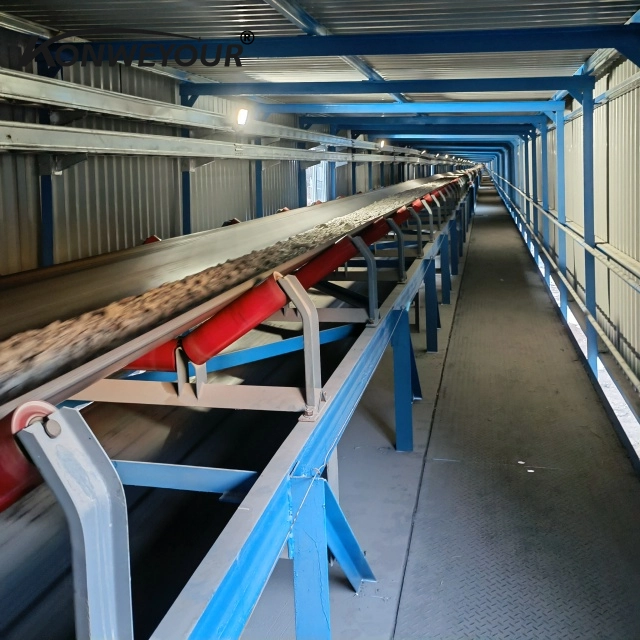
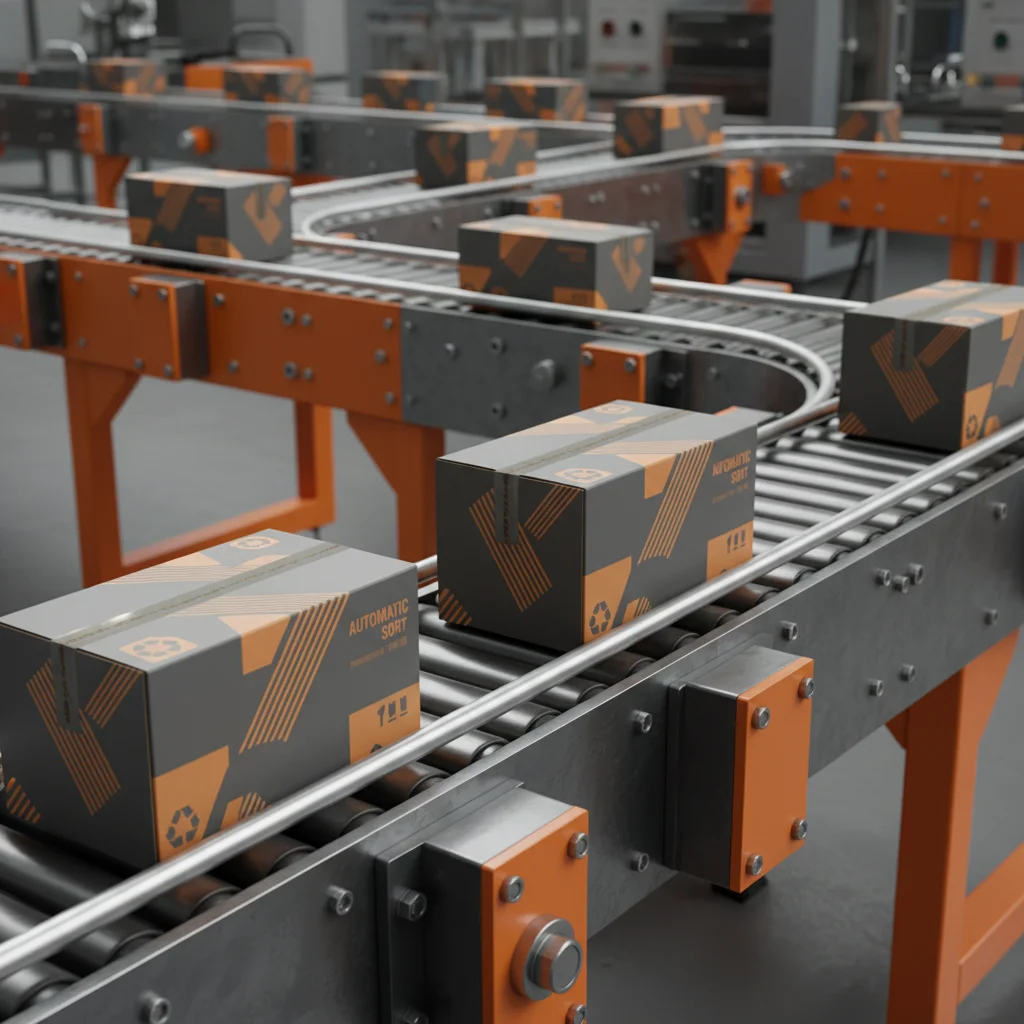
In simple terms, a slider belt conveyor is a type of conveyor system where a continuous belt slides over a flat, typically smooth surface or sliders (hence the name), carrying materials from one point to another. Unlike roller conveyors, slider belts provide consistent support, making them ideal for uneven or small items. They’re widely favored in industries where gentle handling is key, like packaging food, pharmaceuticals, and electronics.
These conveyors form the veins of many modern industrial and humanitarian operations — quietly moving goods across floors where automation and precision matter.
Core Components That Make Slider Belt Conveyors Stand Out
Durability
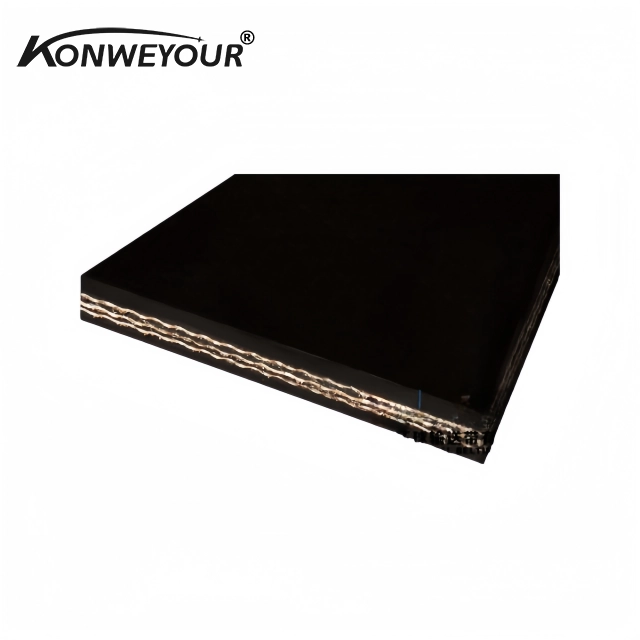
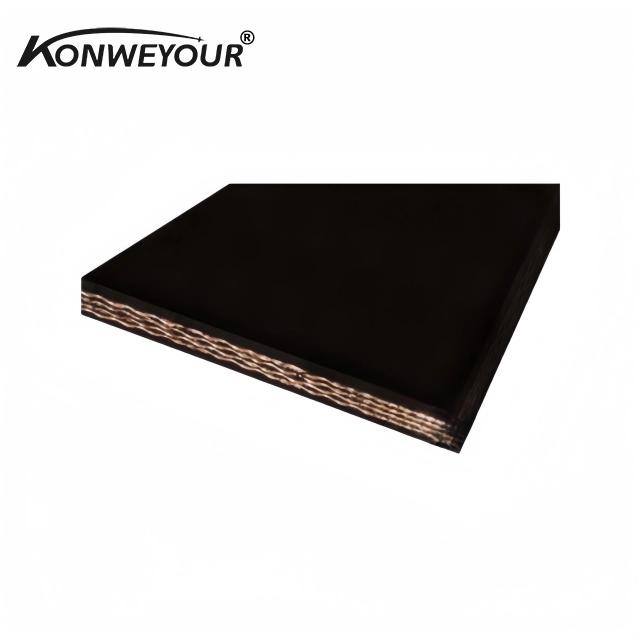
The belt material, often synthetic rubber or PVC compounds, paired with a solid slider bed, ensures long operational life. Many systems use UHMW (ultra-high-molecular-weight) polyethylene sliders for wear resistance — a detail engineers swear by.
Scalability & Flexibility
Conveyor lengths and speeds can be adapted with relative ease, letting companies scale up during peak seasons or reconfigure layouts on the fly. Modular designs mean adding curves, chutes, or automated sorting is surprisingly straightforward.
Cost Efficiency
Slider belt conveyors typically require less maintenance than other types due to fewer moving parts like rollers or chains. Energy consumption is often lower, especially with the advances in low-friction slider materials.
Gentle Handling
The continuous belt surface minimizes product damage, especially fragile or oddly shaped items — this is crucial in sectors like pharmaceuticals, agriculture, or electronics.
Integration Capability
Modern slider belt conveyors easily integrate with sensors and automation systems, enabling real-time data flow and predictive maintenance—an increasing need as Industry 4.0 takes hold.
Mini takeaway: In essence, the design principles behind slider belt conveyors balance tradition with tech — durable, efficient, and increasingly smart.
Where Do Slider Belt Conveyors Make Their Mark Globally?
If you wander into any large warehouse in North America, Europe, or Asia, you’ll almost certainly find slider belt conveyors ferrying everything from packaged goods to raw materials. But their reach extends far beyond.
- In disaster response: NGOs deploy portable conveyors to sort and distribute emergency supplies quickly in post-disaster zones — think rapid setup in Haiti or the Philippines.
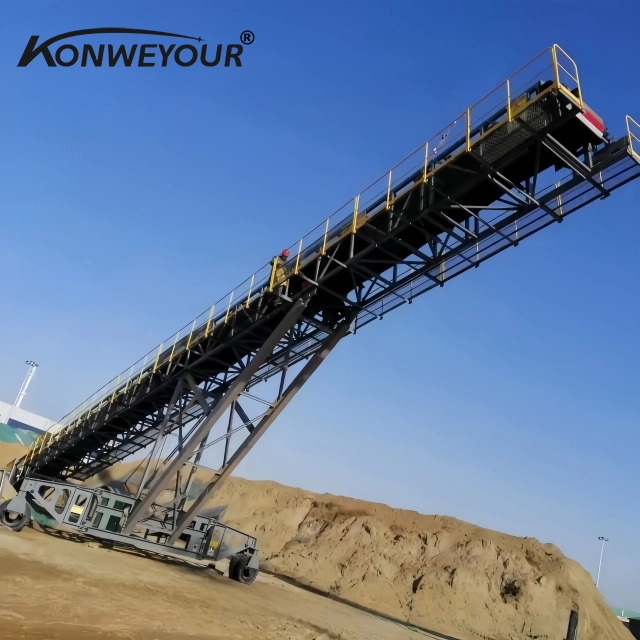
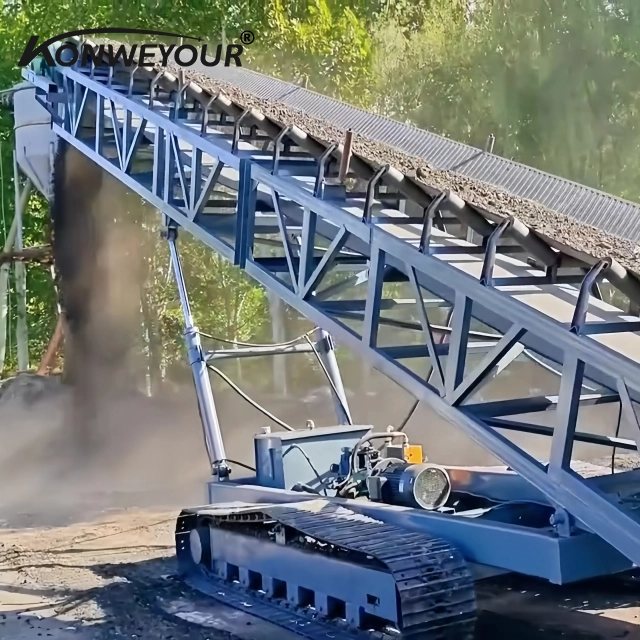
- Remote mining sites: In places like Australia and South Africa, slider belt conveyors move ores over rough terrain, proving their ruggedness.
- Food processing plants: Across Europe, conveyors deliver delicate fruits and packaged goods with care and precision.
- Airport logistics: Conveyors shuttle baggage efficiently, minimizing delays for travelers.
It’s fascinating how one system type adapts so well to such diverse scenarios.
Slider Belt Conveyor Specifications at a Glance
| Specification |
Typical Range |
Notes |
| Belt Width |
200 mm to 1200 mm |
Adjustable per load size |
| Belt Speed |
0.3 - 3 m/s |
Depends on motor and load |
| Load Capacity |
Up to 1000 kg/m |
Varies by belt and frame strength |
| Power Source |
Electric motors (AC/DC) |
Can include energy-saving drives |
| Frame Material |
Steel or aluminum alloys |
Corrosion-resistant variants available |
Advantages & Long-Term Value of Slider Belt Conveyors
Beyond basic transport, slider belt conveyors deliver tangible business value that resonates on multiple levels:
- Cost savings: Less maintenance and lower energy costs compared to alternatives often reduce total cost of ownership.
- Sustainability: Using eco-friendly materials and energy-efficient motors reduces carbon footprint over time.
- Reliability: High uptime maintains production continuity; because if the conveyor’s offline, the whole chain slows.
- Safety: Minimizing manual handling reduces worker injuries, which many safety engineers appreciate.
- Trust and innovation: Deploying smart conveyors sends a clear message: a company values efficiency and future-readiness.
When you measure impact beyond spreadsheets, these advantages build not just business but brand value — a subtle but powerful differentiation.
Comparing Leading Slider Belt Conveyor Vendors
| Vendor |
Product Range |
Customization |
Pricing |
Lead Time |
| JTC Conveyor |
Comprehensive (150+ models) |
Highly adaptable modular systems |
Competitive |
2-4 weeks |
| ConveyXperts |
Mid-range |
Limited customization |
Mid-price |
4-6 weeks |
| Global Conveyors Inc. |
Specialized heavy-duty models |
Custom engineered solutions |
High-end |
6-8 weeks |
Future Trends & Innovations in Slider Belt Conveyors
The conveyor world isn’t standing still. Coming years will likely bring:
- Smart automation: Integrating IoT sensors for predictive maintenance and load optimization.
- Greener materials: Biodegradable or recycled belts reducing environmental impact.
- Energy-efficient motors: Variable frequency drives cutting power use during low demand.
- Modular AI-powered sorting: To speed processing in logistics without adding bulky equipment.
It's the blend of mechanical reliability and digital smarts that’s most exciting — conveyor belts going from simple movers to active production partners.
Challenges & How Experts Are Tackling Them
No system is perfect. Common issues include belt wear, dust accumulation, and the occasional jamming — especially in very dusty or wet environments. Another challenge is the upfront cost of more advanced, sensor-equipped models, which some businesses hesitate to invest in early.
Engineers are tackling these with:
- Self-cleaning mechanisms and advanced belt materials that resist abrasion and static buildup.
- Modular designs for easier part replacement and faster repairs.
- Energy audits and financing models helping companies afford modern upgrades sooner.
FAQ: Your Practical Questions on Slider Belt Conveyors Answered
What industries benefit most from slider belt conveyors?
Industries like food and beverage, pharmaceuticals, e-commerce logistics, mining, and even humanitarian aid operations rely heavily on slider belt conveyors. Their gentle handling and flexibility make them ideal for fragile goods, high throughput, and remote or emergency environments.
How do slider belt conveyors compare with roller conveyors?
While roller conveyors use spinning rollers, slider belt conveyors provide a continuous surface which supports products fully. This is better for small, uneven, or delicate items but may have a slightly higher energy consumption due to friction. It’s a tradeoff worth considering based on your product type.
Can slider belt conveyors be customized for irregular production lines?
Absolutely. Many systems like those from slider belt conveyor manufacturers offer modular components that can be adapted in length, width, curves, and speed—making them quite agile for complex layouts.
What maintenance is typically required?
Routine inspection of belt tension, slider bed wear, and motor performance usually suffices. Some models now come with digital alerts to notify when parts wear out or performance dips, reducing downtime.
Are slider belt conveyors energy-efficient?
Modern slider belt conveyors use friction-optimized materials and energy-saving motors, making them competitive or even superior to some other conveyor types in terms of power use — especially when properly maintained.
Wrapping Up: The Quiet Powerhouse of Industrial Movement
To sum up, slider belt conveyors are more than just moving belts — they’re technology enablers bridging logistics, industry, and even emergency response. Their blend of durability, adaptability, and gentle handling is a big part of why so many industries depend on them daily.
If you’re considering upgrading or implementing conveyor solutions, exploring the benefits and options of slider belt conveyors is a great place to start. For an extensive range and customizable options, be sure to visit slider belt conveyor.
References:
- International Organization for Standardization (ISO)
- Wikipedia - Conveyor Belt
- United Nations Sustainable Development Goals