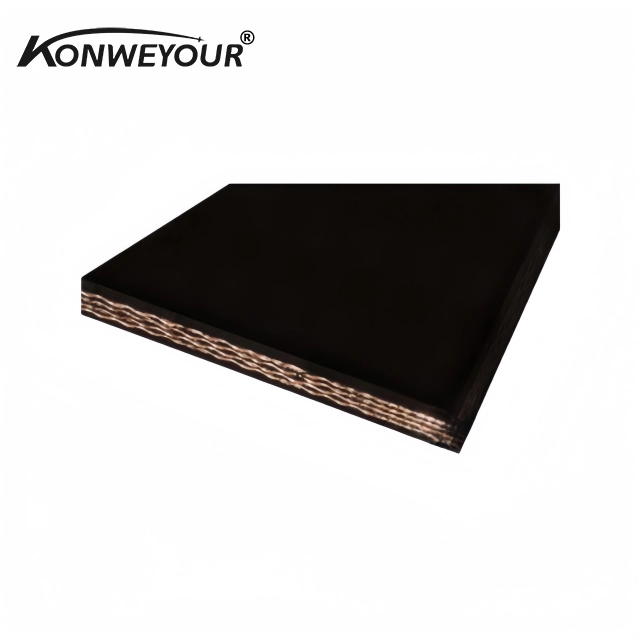
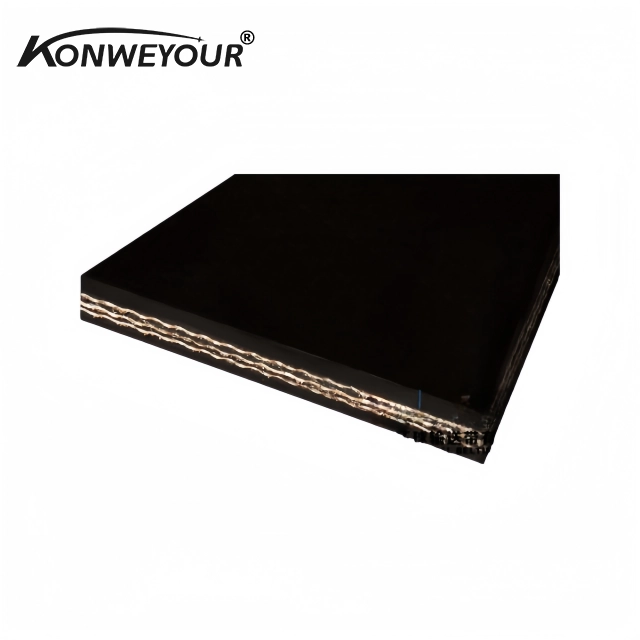
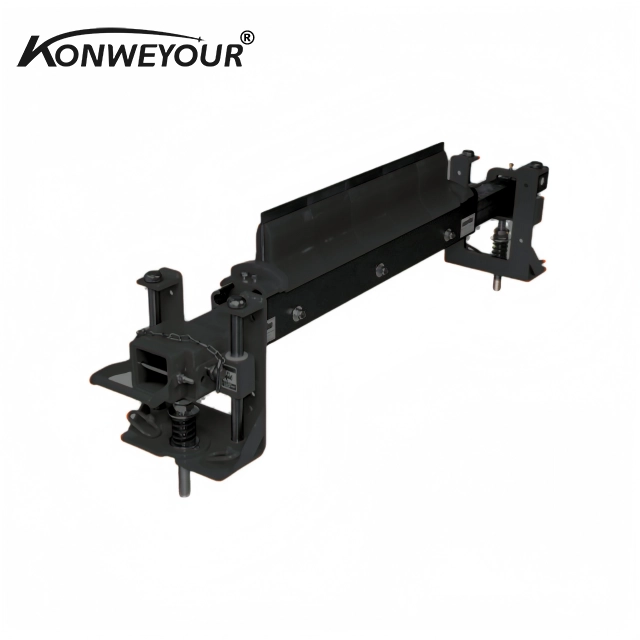
Advanced conveyor transfer systems for Swedish Mining Industries

Advanced conveyor transfer systems for Swedish Mining Industries

High-performance material handling solutions engineered for extreme Arctic climates and rigorous Swedish industrial standards.

Advanced conveyor transfer systems for Swedish Mining Industries

Optimizing throughput and reliability for heavy-duty material transport in Northern Europe's most challenging geological environments.

Industrial Material Handling Landscape in Sweden

Adapting heavy machinery to the unique requirements of the Swedish mining and manufacturing sectors.

Sweden's mining industry, particularly in the north, operates under some of the harshest climatic conditions globally. The demand for a robust conveyor system is driven by the need to transport iron ore and minerals through sub-zero temperatures where metal brittleness and lubricant viscosity become critical failure points.

Currently, the Swedish market is shifting toward "Green Mining." This transition requires a specialized mine conveyor that integrates with electric-driven fleets and minimizes carbon emissions, adhering to the strict environmental regulations imposed by the European Union and Swedish local authorities.

Moreover, the reliance on high-grade conveyor components that can withstand abrasive ores without frequent maintenance is paramount. The industry is moving away from generic replacements toward precision-engineered parts that extend the Mean Time Between Failures (MTBF) in underground operations.
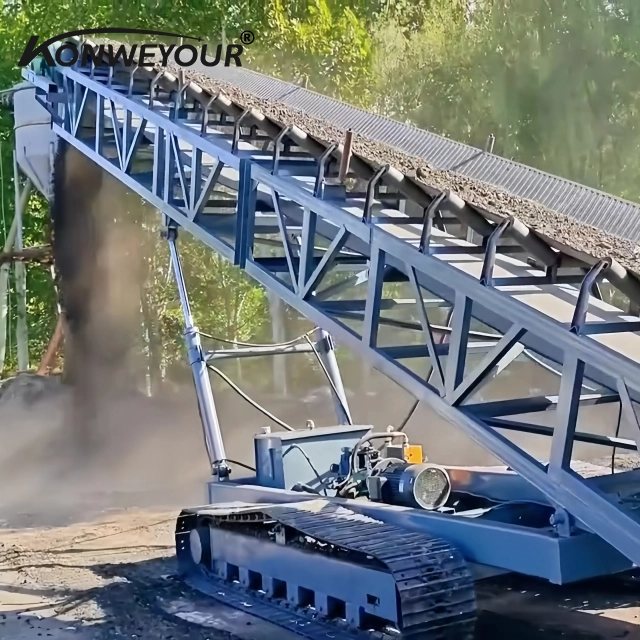
Evolution of Conveyance Technology in Northern Europe

From mechanical simplicity to AI-driven automated transport logistics.

Market Development History

In the mid-20th century, Swedish material handling relied on basic belt designs. The focus was primarily on sheer power and structural strength to move raw ores from the Kiruna and Gällivare mines to processing plants using early-generation mechanical systems.

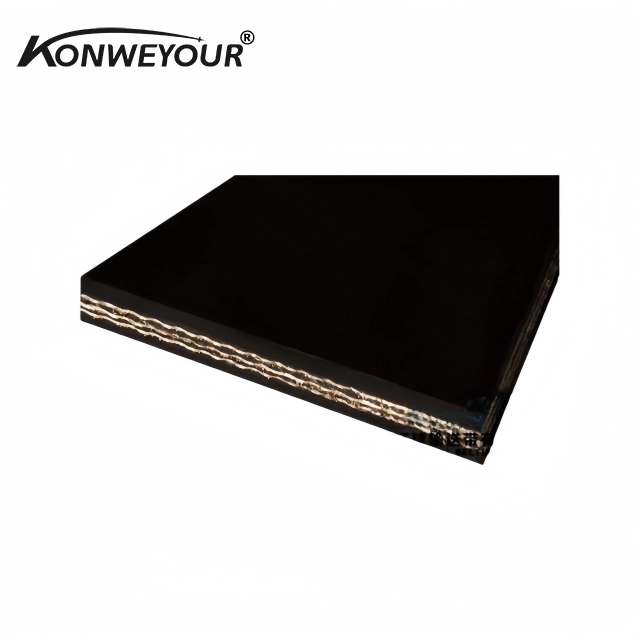
Between 1990 and 2010, the industry saw the introduction of the modern coal mine conveyor and ore-specific belts, incorporating synthetic reinforcements and automated tensioning systems to reduce manual labor and increase safety.

From 2015 to the present, the integration of IoT and real-time sensor monitoring has transformed how conveyor components are managed, moving the industry from reactive repairs to predictive maintenance cycles.

Future Development Trends

Autonomous Load Balancing

Future systems will utilize AI to dynamically adjust belt speeds based on real-time ore density and moisture levels, optimizing energy consumption.

Carbon-Neutral Drive Systems

A transition toward hydrogen-powered and high-efficiency electric motors to align with Sweden's goal of becoming fossil-free by 2045.

Advanced Wear-Resistant Polymers

Development of self-healing belt materials that reduce the frequency of splicing and replacement in high-impact transfer points.

Future Strategic Outlook for Material Handling

Predicting the trajectory of continuous conveyance based on Google search trends and industrial shifts.

Predictive Maintenance 4.0
Integration of acoustic sensors to detect bearing failure in conveyor systems before downtime occurs.
Modular System Design
Standardized components for rapid deployment and scalability in expanding mine sites.
Energy Recovery Systems
Utilizing regenerative braking on downhill conveyors to feed electricity back into the mine grid.
Zero-Emission Logistics
Full integration of belt systems with battery-electric loading units to eliminate diesel smog.

Industry Outlook

The coming 3-5 years will see a surge in demand for "Smart" mine conveyor solutions. Search data indicates a growing interest in autonomous material handling in Scandinavia, reflecting a broader trend toward reducing human exposure in high-risk underground zones.

Sweden's strategic focus on critical raw materials for the battery industry will likely lead to the construction of specialized conveyor networks designed for lithium and cobalt transport, requiring higher purity standards and contamination control.

Swedish Localized Application Scenarios

Tailored conveyor solutions for Sweden's diverse industrial topography.

01. Iron Ore Extraction in Kiruna

Deployment of ultra-heavy-duty belts and conveyor transfer systems designed to handle massive volumes of magnetite ore while resisting extreme abrasion.

02. Arctic Forestry Biomass Transport

Customized conveyor systems for transporting wood chips and biomass in sub-zero temperatures, featuring heated rollers to prevent freezing.

03. Underground Gold Mining in Skellefteå

Installation of narrow-profile, high-torque mine conveyor units that navigate tight galleries without sacrificing load capacity.

04. Automated Port Loading in Luleå

High-speed transfer systems that move processed minerals from rail to ship, utilizing automated stacking and reclaiming technology.

05. Sustainable Quarrying in Southern Sweden

Implementation of low-noise, dust-suppressed conveyors for limestone and granite extraction near urban residential areas.

Brand Story

Global Development Journey of Hebei Juntong Machinery Manufacturing Co., Ltd.

Foundational Engineering Excellence

Established with a mission to solve the most complex material handling challenges through precision manufacturing and rigorous testing.

Expansion into Heavy Mining

Developed specialized solutions for deep-shaft mining, focusing on durability and safety in high-pressure environments.

Global Standards Integration

Achieved international certifications, enabling the delivery of high-performance equipment to the European and North American markets.

Innovation in Automation

Pioneered the integration of smart sensors and AI-driven controls to reduce operational costs for global clients.

Commitment to Sustainability

Dedicated to creating energy-efficient transport systems that help the global mining industry reach net-zero goals.

Comprehensive Conveyance Portfolio for Sweden

A full spectrum of equipment designed for the Swedish industrial ecosystem.

Frequently Asked Questions - Sweden Region

Expert answers to common technical queries regarding material handling in Northern Europe.

How do your conveyor systems handle Swedish winter temperatures?

We utilize Arctic-grade rubber compounds and specialized low-temperature lubricants for all conveyor components, ensuring flexibility and operational stability down to -40°C.

Can a custom coal mine conveyor be adapted for iron ore transport?

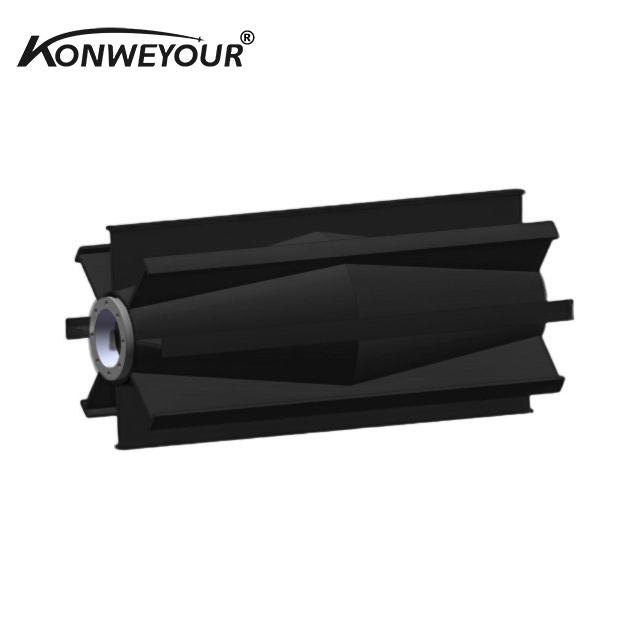
Yes, while a coal mine conveyor is designed for specific material densities, we can upgrade the belt reinforcement and pulley coatings to handle the higher abrasiveness of Swedish iron ore.

What is the typical lead time for replacement conveyor components in Sweden?

We maintain a strategic inventory of critical parts to ensure that essential conveyor components can be shipped and delivered to Swedish sites within 7-14 business days.

Do your conveyor transfer systems comply with EU safety directives?

Absolutely. All our conveyor transfer systems are engineered to meet CE standards and the specific safety regulations of the Swedish Work Environment Authority.

How can I optimize the energy efficiency of my existing conveyor system?

By installing Variable Frequency Drives (VFDs) and upgrading to low-rolling-resistance belts, you can significantly reduce the power consumption of your conveyor system.

What maintenance schedule is recommended for an underground mine conveyor?

For a high-capacity mine conveyor, we recommend weekly visual inspections of belt alignment and monthly lubrication of drive assemblies to prevent premature wear.

Ready to Optimize Your Material Flow?

Our engineering team is ready to provide tailored conveyance solutions for your operations in Sweden.

Contact Us Now

If you are interested in our products, you can choose to leave your information here, and we will be in touch with you shortly.

  • captcha