Why Industrial Screw Conveyors Remain a Workhorse in Bulk Material Handling
Having spent more than a decade in the industrial equipment sector, I’ve seen my fair share of conveyor tech—some flashy, some rock-solid. But screw conveyors? They’re this quietly dependable staple that keeps the bulk materials world turning, literally. If you’ve ever wondered why despite all the newfangled gizmos, screw conveyors don’t go away, it’s because they bring an elegant, simple solution to moving everything from flour to gravel.
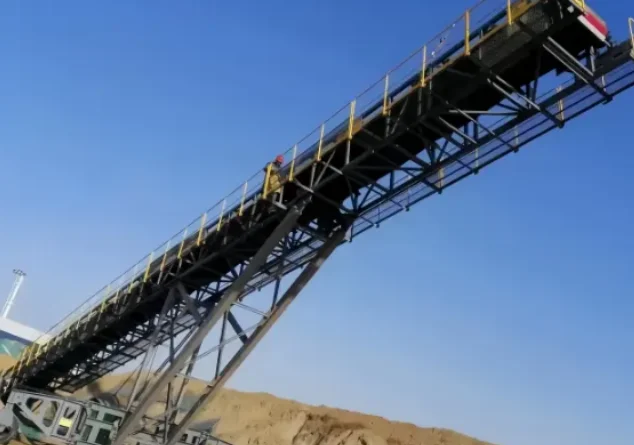
I remember working on a project that required moving abrasive, coarse materials over a considerable distance in tough conditions. Believing the hype, we considered belt conveyors, but at the end of the day, screw conveyors punched the ticket. They’re enclosed, reduce dust, and handle rough products better. Plus, with modern materials and coatings, you can customize them so they last much longer than older models.
How Design and Material Choices Impact Screw Conveyor Performance
There’s quite a bit behind the scenes that impacts how well a screw conveyor performs. The screw itself — or the “flight” — is usually made from steel, but alloys and special coatings are available depending on what you’re moving. I noticed that customers in the mining industry tend to go with heavy-duty welded flights, while food processors prefer polished, hygienic options.
The trough shape, pitch, and speed of the screw also matter a lot. Engineers often debate the ideal pitch: too coarse, and the material doesn’t move smoothly; too tight, and it clogs. I guess that’s why companies like JT Conveyor offer customization based on bulk density and flow characteristics. The last thing you want is downtime for cleaning or maintenance because of a poor design choice.
Industrial Screw Conveyor Specifications at a Glance
| Specification |
Typical Range |
Notes |
| Tube Diameter |
4" to 36" (100 to 900 mm) |
Sizes vary per capacity |
| Flight Pitch |
Equal to or less than diameter |
Affects flow rate & preventing clogging |
| Material of Construction |
Carbon steel, stainless steel, alloys |
Depends on industrial application |
| Capacity |
Up to 100+ tons/hour |
Based on speed and diameter |
| Power Requirements |
From fractional HP to 50 HP+ |
Varies with load and length |
Vendor Comparison: Selecting a Trustworthy Industrial Screw Conveyor Supplier
| Feature |
JT Conveyor |
Competitor A |
Competitor B |
| Customization Options |
High - multiple coatings and dimensions |
Medium - standard models mostly |
Low - limited sizes |
| Lead Time |
3–5 weeks |
6+ weeks |
4–6 weeks |
| After-Sales Support |
Dedicated engineering team |
Limited support |
Phone support only |
| Price Range |
Mid-range |
Budget |
Premium |
Final Thoughts on Choosing Screw Conveyors for Your Plant
Honestly, in real terms, screw conveyors have the kind of track record that makes them hard to replace, no matter how much innovation happens around them. They’re not glamorous, but they’re incredibly effective. The choice of supplier, customization, and material specs matter a lot — I’ve seen projects stall because someone tried to use off-the-shelf, cookie-cutter conveyors in conditions where they just weren’t cut out.
If you’re serious about reliable material handling, spending time with vendors like JT Conveyor, who focus on both customization and support, takes you far beyond just buying equipment. Because at the end of the day… well, just like those decades-old conveyors still running in a plant I recently visited, it’s all about what keeps your production flowing smoothly.
References & a Few Personal Notes
- My years working alongside plants handling abrasive materials taught me the importance of tailored conveyor solutions.
- Industry reports reveal ongoing preference for screw conveyors in challenging bulk handling environments.
- JT Conveyor’s reputation for customer-driven customization really stands out from my experience and talks with engineers.