Understanding the Belt Winder Conveyor: Why It Matters Globally
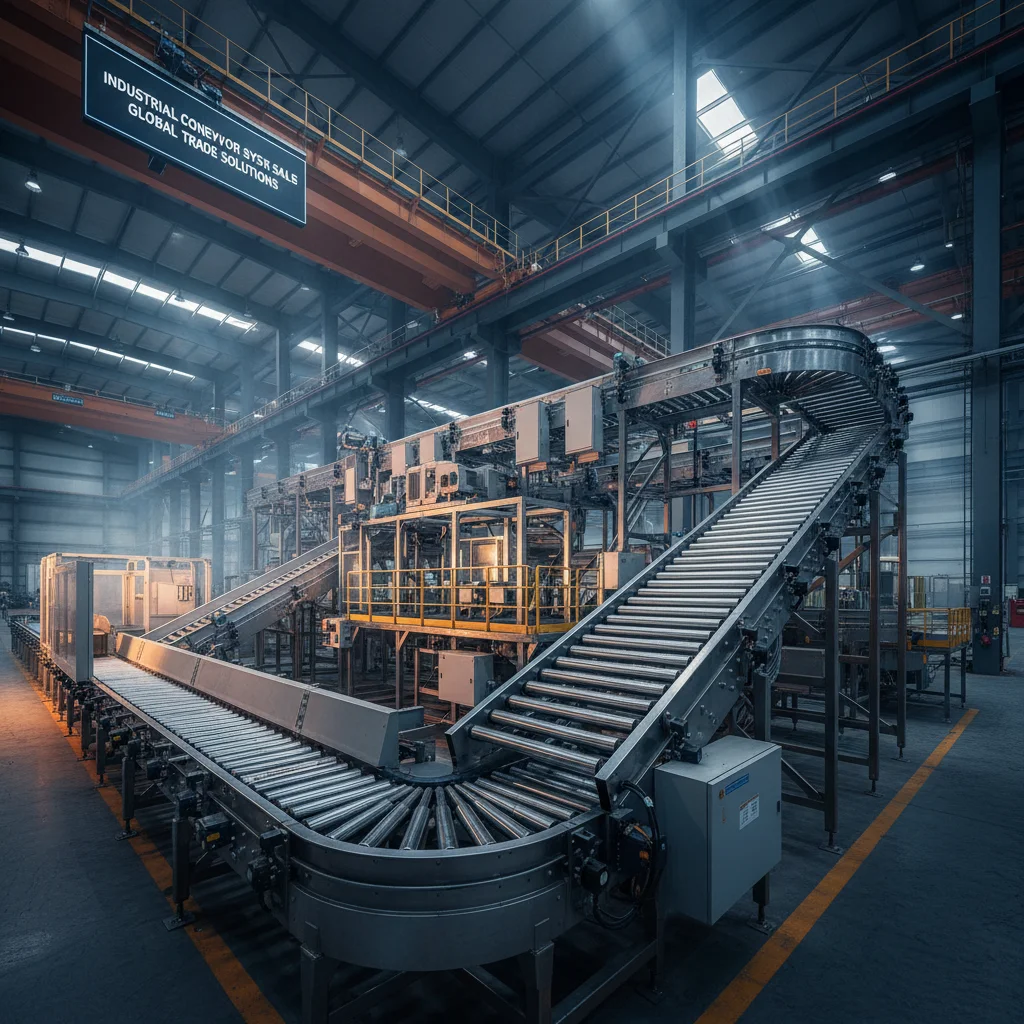
At first glance, a belt winder conveyor might sound like just another piece of industrial equipment. But zoom out and you'll see how crucial it is in various industries worldwide—from mining in Australia to logistics hubs in Europe, and even humanitarian relief operations in Southeast Asia. This technology enables faster movement of goods and materials, reduces manual labor, and optimizes workflow in environments where efficiency isn’t just a luxury but often a necessity. Understanding these conveyors has huge downstream benefits, including cost savings, sustainability, and advancing automation.
Global Context: The Rise of Conveyor Systems in Industry and Relief
Here’s the thing: global trade and supply chains have never been more complex or pressured to be faster. According to the World Bank, global merchandise trade value surged to over $21 trillion in 2022, with supply chain efficiency directly impacting profitability and environmental footprints alike. Conveyor systems like belt winder conveyors reduce bottlenecks inherent in manual or semi-automated systems.
What’s more, agencies like the UN have highlighted how conveyor systems assist in disaster responses by speeding up the mobilization of supplies. When infrastructure is damaged, moving essential goods quickly becomes a priority, and flexible conveyor systems help fill that gap.
Mini takeaway:
Whether in booming industrial sectors or challenging humanitarian contexts, belt winder conveyors provide a backbone for operational speed and safety.
What Exactly Is a Belt Winder Conveyor?
In simple terms, a belt winder conveyor is a type of conveyor system equipped with a belt winding mechanism. This mechanism rolls or unrolls the conveyor belt to adjust length or tension, often allowing for easier transport, maintenance, or adaptability in confined spaces. So instead of a fixed, rigid belt, this can "wind" up—kind of like a tape measure—making storage or dynamic length control possible.
In modern industries, that adaptability means you get faster deployment in variable environments, plus less downtime when adjustments need to be made on the fly. Think factories adjusting product lines, mining operations that stretch across rugged terrain, or relief convoys needing quick setup.
Mini takeaway:
The belt winder conveyor is not just a belt on rollers; it’s a flexible, modular solution for modern challenges.
Core Components That Define Belt Winder Conveyors
Durability: Built to Last in Tough Conditions
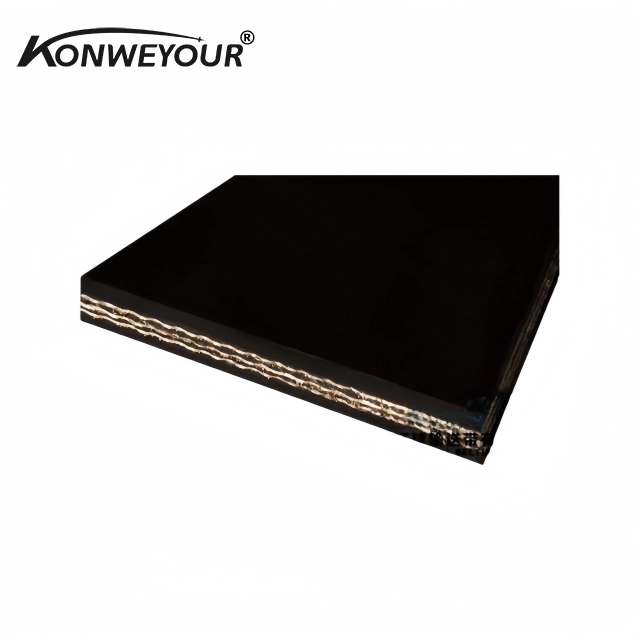
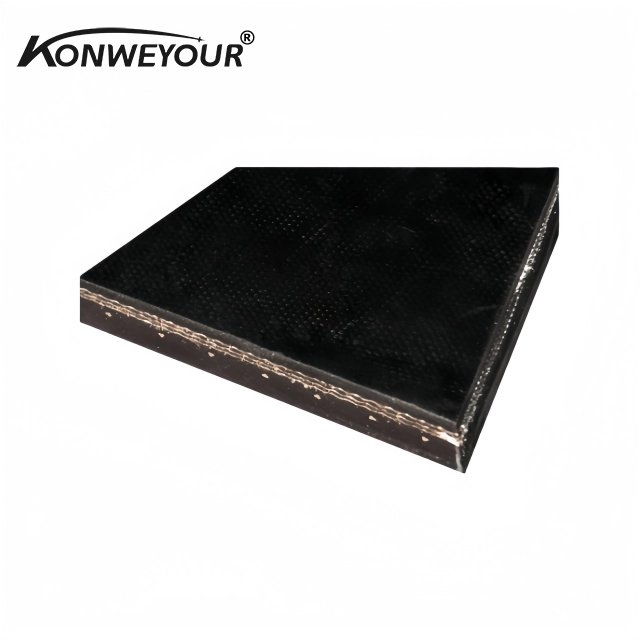
Many engineers I’ve met emphasize that the core challenge is longevity. These conveyors use high-strength materials—often reinforced rubber belts and galvanized steel frames—to withstand dusty mines, wet docks, or freezing warehouses.
Scalability: From Small to Giant Systems
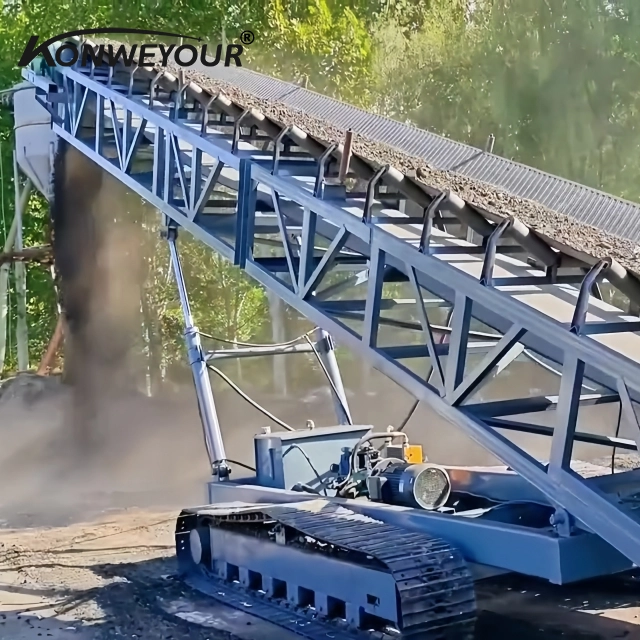
Thanks to the winding mechanism, systems can easily scale up or down. Need to extend 10 meters one day and roll it back the next? No sweat. That flexibility boosts efficiency in projects with fluctuating demands.
Cost Efficiency: Saving Over Time
While initial investments might seem higher than fixed conveyors, the lower maintenance costs and fast-change adaptability often make belt winder conveyors more economical when you factor in lifecycle costs.
Ease of Maintenance
One practical benefit: winding helps in easy inspection and replacement of belts—critical when downtime equals lost revenue. This modular upkeep-friendly design is appreciated in remote operations where quick fixes matter.
Automation Compatibility
Modern belt winder conveyors often include sensors and controls that integrate with warehouse management and SCADA systems, making them future-ready for Industry 4.0 environments.
Mini takeaway:
The blend of toughness, flexibility, and smart controls places belt winder conveyors a few steps ahead of their more static cousins.
Where Belt Winder Conveyors Really Shine Around the World
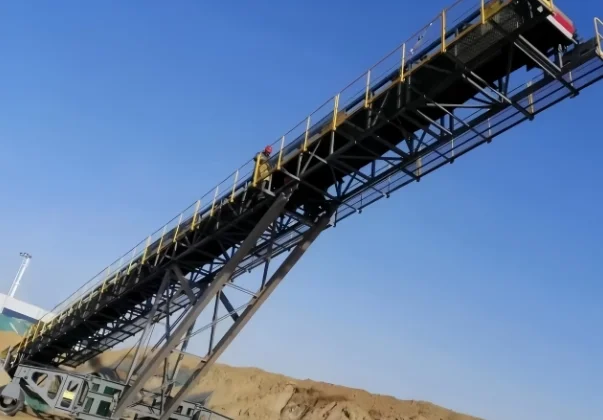
Let’s look beyond theory: In mineral-rich countries like Chile and Canada, these conveyors safely transport ore from extraction sites across uneven terrain, saving hours of manual hauling. Across European ports, belt winder conveyors contribute to faster container unloading, enabling tighter turnaround times for cargo ships.
Oddly enough, they also make an appearance in disaster zones. NGOs working with the Red Cross in Southeast Asia have employed these conveyors to move relief supplies efficiently, especially when road infrastructure is damaged. In these situations, the conveyor's ability to be quickly deployed, retracted, and repositioned is invaluable.
Mini takeaway:
From factories to disaster relief, belt winder conveyors offer universal benefits across varying environments and demands.
The Benefits You Can Count On
- Cost Savings: Lower labor needs and reduced wear & tear translate to budget wins long term.
- Sustainability: Efficient transport means less energy per unit moved, and many units now come with eco-friendly materials.
- Improved Safety: Automated transport reduces human injury risks in hazardous zones.
- Reliability: Well-engineered systems run 24/7 despite harsh conditions.
- Innovation & Trust: Many clients report confidence in handling complex workflows using these adaptive conveyors.
Product Specification Table: A Typical Belt Winder Conveyor Model
| Specification |
Example Model BW-1500 |
| Belt Width |
1500 mm |
| Max Conveyor Length |
50 meters (adjustable) |
| Belt Material |
Reinforced PVC with anti-abrasion covering |
| Frame Material |
Galvanized Steel |
| Drive Mechanism |
Electric motor with variable speed control |
| Max Load Capacity |
3,000 kg |
| Automation Features |
Integrated sensors, remote monitoring capable |
Comparing Vendors: What to Look For
| Feature |
JT Conveyor |
Global Conveyors Inc. |
FlexiBelt Systems |
| Belt Adjustment Speed |
Rapid (under 60 sec) |
Moderate (2-3 min) |
Fast (1 min) |
| Material Options |
PVC, Rubber, Eco-friendly |
PVC only |
Rubber and PVC |
| Automation Level |
Full integration |
Partial |
Manual override only |
| Custom Length Options |
Available up to 100 m |
Up to 75 m |
Limit of 50 m |
| Warranty |
3 years |
2 years |
1 year |
Looking Ahead: Trends and Innovations in Belt Winder Conveyors
Green energy integration is one trend to watch. I’ve seen a few clients experimenting with solar-powered drive units for these conveyors, reducing dependency on unstable grid connections. IoT sensors are evolving too, providing real-time belt wear data and predictive maintenance alerts, cutting downtime significantly. Even new materials like bio-based composites hint at a future where conveyors are lighter, stronger, and more eco-conscious.
Plus, digital twin simulations are becoming more common—meaning engineers can design conveyor systems virtually first, detecting kinks before they pop up on the production floor. It feels like we’re on the cusp of a conveyor renaissance, really.
Challenges and Solutions: What You Need to Know
Despite the benefits, belt winder conveyors aren’t perfect. They require skilled operators familiar with the winding mechanisms, and improper maintenance can cause belt slippage or uneven wear. Environmental factors like extreme temperatures or corrosive materials can also shorten lifespan if specs aren’t matched carefully.
Innovative solutions include modular belts that can be swapped in small sections, user-friendly control panels, and advanced coatings to resist chemical damage. Plus, training programs for operators are increasingly included in vendor packages, which I think is essential for getting the best out of these systems.
FAQ: Frequently Asked Questions About Belt Winder Conveyors
Q1: How quickly can a belt winder conveyor be deployed on-site?
A1: Deployment times vary but many modern belt winder conveyors can be set up and adjusted within an hour or less, depending on length and complexity. The winding feature greatly simplifies this compared to fixed belts.
Q2: What maintenance does a belt winder conveyor require?
A2: Routine inspections focus on belt tension, motor health, and the winding mechanism. Lubrication of moving parts and prompt replacement of worn belts extend the system's life significantly.
Q3: Can these conveyors handle uneven terrain?
A3: Yes, with the right modular design and frame options, they can be adapted to varying terrain, including slopes and uneven ground, which is why mining or disaster relief teams often prefer them.
Q4: Are belt winder conveyors energy efficient?
A4: Generally yes. Variable speed drives and modern motor technology mean energy consumption is optimized, and some models support alternative energy integration like solar power.
Q5: Can these conveyors be automated with existing warehouse management systems?
A5: Absolutely. Many belt winder conveyors come with sensors and control systems compatible with SCADA, WMS, and IoT platforms for seamless automation.
Wrapping It Up: Why Belt Winder Conveyors Are Here to Stay
To sum up, the belt winder conveyor is a versatile, durable, and increasingly smart solution that tackles both the challenges of modern industry and humanitarian logistics. Its flexibility and ease of use truly make a difference when operational speed and reliability mean everything. Interested in exploring these conveyors for your needs? Feel free to visit belt winder conveyor for more info and tailored solutions.
References
- World Bank: Merchandise Trade
- ISO Conveyor Standards
- Wikipedia: Conveyor Belt