Belt Driven Live Roller Conveyors: The Unsung Backbone of Modern Industry
If you've ever marveled at the seamless movement of packages in a distribution center or watched pallets glide along with barely a jolt in a manufacturing plant, you’ve likely witnessed the work of a belt driven live roller conveyor. While the phrase might sound technical, this conveyor style is a vital piece that keeps countless industries running globally, quietly powering efficiency, safety, and adaptability in material handling.
Why does it matter? Because in a world where logistics complexity and supply chain challenges seem to grow by the day, understanding how something as straightforward and robust as belt driven live roller conveyors can boost productivity and reduce downtime is a competitive edge. These systems aren't just about moving goods—they're about moving the world, one roller at a time.
Mini takeaway: Belt driven live roller conveyors blend durability and finesse to tackle everyday industrial challenges while fostering safer and more reliable logistics.
The Global Pulse: Why Belt Driven Live Roller Conveyors Matter Today
Worldwide, the conveyor market is expected to reach a staggering $9 billion by 2027 (ISO Industrial Equipment Reports, 2023). This surge owes a lot to industries striving to automate and optimize material flow. According to the United Nations, the steady growth of manufacturing hubs, especially in Asia and North America, intensifies demand for intelligent conveyor solutions.
But here's the kicker: many industries still wrestle with challenges like product damage during transit, frequent equipment failures, and inflexible systems that don’t scale easily with fluctuating demands. This is precisely where belt driven live roller conveyor systems step in, offering both reliability and adaptability.
Mini takeaway: The push for smarter, more resilient logistics fuels global demand for conveyor systems that blend flexibility and durability.
What Exactly Is a Belt Driven Live Roller Conveyor?
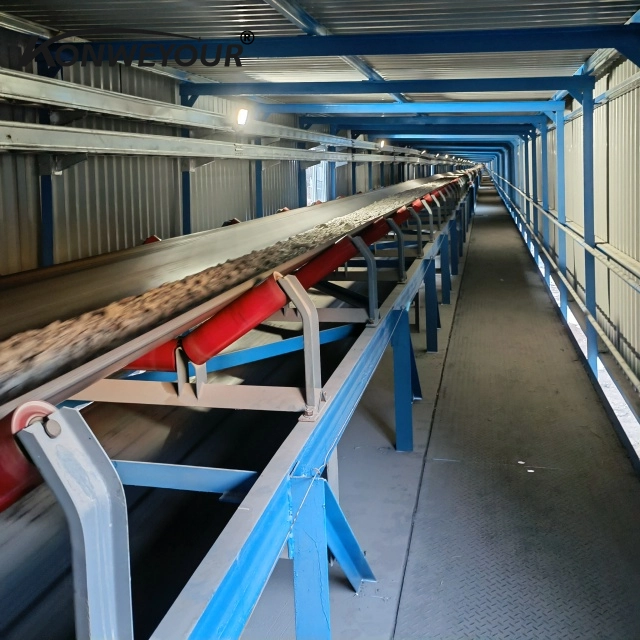
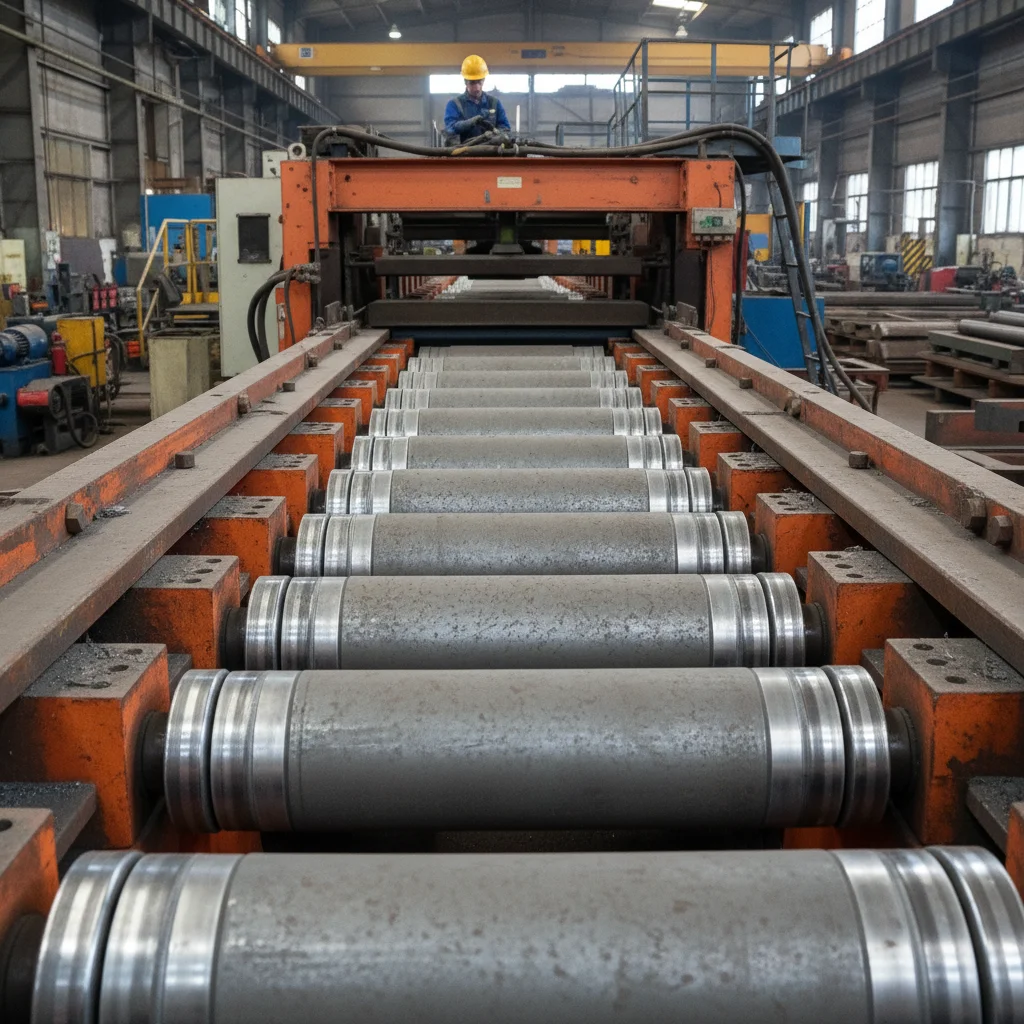
At its core, a belt driven live roller conveyor (BDLRC) is a conveyor system where a continuous belt runs underneath rollers — these rollers in turn rotate and move products along. Instead of relying on one motor per roller (which can get costly and complicated), the belt transfers power to multiple rollers simultaneously. The result? Smooth, quiet, and efficient transport of items ranging from delicate parcels to heavy pallets.
In simpler terms, think of it like a rolling carpet, powered by a hidden motor that keeps everything moving in harmony. This is not just industrial wizardry — it's a practical solution that supports high throughput in warehouses, manufacturing plants, and even humanitarian relief operations where speed and care matter.
Mini takeaway: A belt driven live roller conveyor is a motorized roller conveyor powered by a clever belt system for smooth, synchronized material flow.
Core Components & Key Factors That Make It Tick
1. Durability & Material Quality
Because these conveyors often face heavy loads and continuous operation, the rollers and belts are usually made of robust materials like galvanized steel or polyurethane-covered rollers. This ensures resistance against abrasion, corrosion, and everyday bruises — essential for long service life.
2. Scalability & Flexibility
One of the beauties of BDLRCs is how scalable they are. Modular sections can be added or removed with minimal fuss, and the system adapts easily to varied load sizes and shapes — whether it's cartons, totes, or oversized flat items.
3. Energy Efficiency
Since only one motor powers multiple rollers indirectly, these conveyors consume less energy than systems where every roller has a dedicated drive. This cuts operating costs and supports sustainability efforts.
4. Low Maintenance Needs
Fewer moving parts mean less wear and tear, which results in fewer breakdowns. Many engineers praise BDLRCs for their simplicity, translating directly to lower downtime and reduced maintenance expenses.
5. Safety & Ergonomics
Quiet operation reduces workplace noise pollution, while the smooth, controlled motion helps prevent product tipping, damage, or accidents. In busy environments, this contributes to a safer, more productive floor.
Mini takeaway: It’s the combination of sturdy materials, smart design, and a single-motor setup that gives belt driven live roller conveyors their operational edge.
Putting it to Work: Real-World Applications
Across the globe, BDLRCs find niches in diverse sectors:
- Warehousing & Distribution: Giants like Amazon and Walmart rely on these conveyors for parcel sorting and order fulfillment lines.
- Manufacturing: Automotive assembly lines use BDLRCs to transport components between stations smoothly.
- Food & Beverage: Hygiene-compliant designs enable safe transport of packaged goods and ingredients.
- Humanitarian & Disaster Relief: Organizations deploying emergency aid use portable conveyor units to speed up loading and unloading of supplies, reducing manual labor and delays.
- Airport Baggage Handling: The quiet, low-maintenance nature fits perfectly in bustling terminals.
In emerging markets, industries gaining from automation often prioritize modular, efficient conveyors like BDLRCs to compete globally. Remote industrial zones, where minimizing downtime is critical due to logistical challenges, also see these systems as game changers.
Mini takeaway: From automated warehouses in the US to NGO relief convoys in Southeast Asia, belt driven live roller conveyors make logistics feel effortless — even when it's anything but.
Advantages That Keep Users Coming Back
- Cost Savings: Less power consumption and maintenance lead to lower operational expenses.
- Longevity: Heavy-duty materials and simple design extend service life well beyond many alternative conveyors.
- Environmental Benefits: Efficient motors and recyclable parts mean a smaller carbon footprint.
- Versatility: Easy to integrate with existing systems or customize.
- Employee Satisfaction: Safer, quieter floors enhance worker well-being.
Oddly enough, many plant managers I've personally spoken to also mention the peace of mind that comes with reliable equipment — when things just keep moving, frustration drops, morale improves, and trust builds.
Product Specification Table: Typical Belt Driven Live Roller Conveyor
| Parameter |
Specification |
Typical Range |
| Roller Diameter |
Steel, polyurethane coating |
50–75 mm |
| Belt Material |
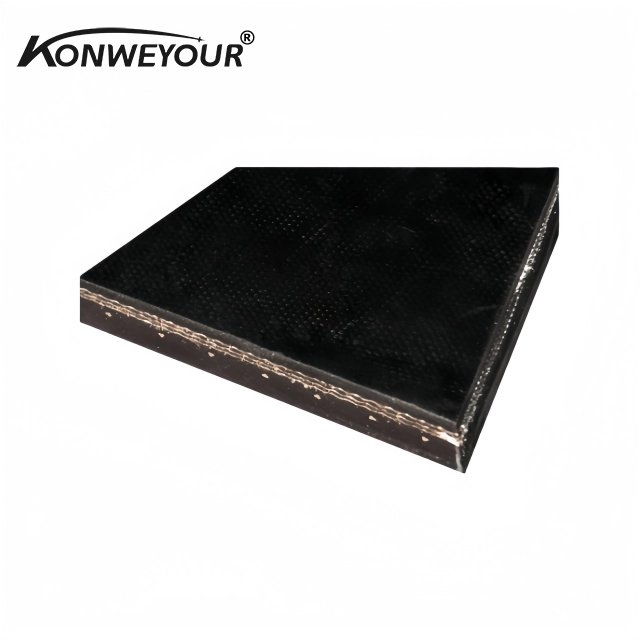
High-tensile rubber or PVC |
2–4 mm thickness |
| Speed |
Variable frequency drive (VFD) |
0.1–0.5 m/s |
| Load Capacity |
Per roller |
50–150 kg |
| Power Consumption |
Single motor setup |
0.5–2 kW |
Vendor Comparison: What to Look for When Choosing a Supplier
| Feature |
Vendor A |
Vendor B |
Vendor C |
| Customization Options |
High |
Medium |
Low |
| Lead Time |
4 weeks |
6 weeks |
8 weeks |
| After-Sales Support |
24/7 hotline |
Business hours |
Email only |
| Price Range |
$$$ |
$$ |
$ |
| Industry Experience |
20+ years |
10 years |
5 years |
Looking Ahead: Trends and Innovations in Conveyor Technology
We can’t talk about belt driven live roller conveyors without peeking at what’s next. Sustainability is pushing manufacturers toward eco-friendly belts made of recycled materials, while advances in automation are introducing smart sensors that communicate with warehouse management systems.
Some vendors even offer conveyors that adjust speed dynamically based on load detection — an innovation that reduces wear and energy use. Add in the growing popularity of modular designs and IoT integration, and the humble BDLRC feels anything but outdated.
Mini takeaway: Automation, green materials, and smart controls are shaping a smarter, leaner conveyor future that’s well aligned with industry 4.0 goals.
Challenges and How to Tackle Them
Of course, no technology is perfect. BDLRCs sometimes struggle with very small items slipping between rollers or heavy oversized pallets that strain design limits. Environmental factors like dust or moisture can also gum up mechanisms if not carefully managed.
Experts recommend selecting conveyors with adjustable roller spacing and incorporating preventive maintenance schedules. Some new models incorporate sealed rollers and belts with anti-static features that suit harsher conditions.
In short, awareness of operational context and proactive planning go a long way to ensuring conveyors don’t just run—but run well.
FAQ: Your Questions About Belt Driven Live Roller Conveyors
- Q1: What kinds of products work best on belt driven live roller conveyors?
- A: They handle a wide range, including medium to heavy boxes, pallets, and totes. Smaller items might require additional guides or conveyors designed for delicate loads.
- Q2: How energy efficient are these systems compared to alternatives?
- A: Because one motor drives multiple rollers via the belt, energy use typically drops by 20-30% versus independent motor rollers, reducing operational costs noticeably.
- Q3: Can these conveyors be customized for tough environments?
- A: Absolutely. Options include corrosion-resistant coatings, sealed bearings, and belt materials tailored for chemical exposures or extreme temperatures.
- Q4: How easy is it to expand an existing belt driven live roller conveyor?
- A: The modular nature lets you add or remove sections quickly, adapting to changing warehouse layouts or production lines without massive overhauls.
- Q5: Where can I learn more or purchase quality BDLRC systems?
- A: Trusted vendors provide detailed specs and consultation. For example, visit belt driven live roller conveyor suppliers who specialize in customizable, reliable solutions.
Final Thoughts & Visit Us for More Insights
Belts and rollers might not be the flashiest topics, but when it comes to practical material handling, belt driven live roller conveyors are foundational allies. Offering a blend of efficiency, durability, and flexibility, they quietly boost productivity in countless corners of the world.
As supply chains push toward more automation and sustainable operations, these systems adapt and thrive, keeping pace with innovation while remaining dependable.
Curious to explore the best options available? Check out the latest from industry leaders at belt driven live roller conveyor vendors and see firsthand how you can enhance your operations today.
References:
- International Organization for Standardization (ISO)
- United Nations Global Issues
- Wikipedia: Conveyor System