The Quiet Revolution of the Belt Tube Conveyor: Why It Matters Globally
In the sprawling world of industrial logistics and material handling, certain technologies quietly move mountains – or at least, loads of materials. The belt tube conveyor is one such unsung hero. This seemingly simple solution addresses a global demand for safe, efficient, and dust-free transport of bulk materials. Whether it’s mining ores in Australia, delivering food grains across Africa, or supporting humanitarian logistics after natural disasters in Asia, the utility of a belt tube conveyor is vast and growing.
Understanding this system isn't just for engineers or warehouse managers; it ties directly into sustainability efforts, cost optimization, and even improving life in challenging environments.
Global Context: Why the Belt Tube Conveyor is Gaining Momentum
Worldwide, the demand for automated, low-maintenance bulk transport methods is increasing rapidly. According to the International Organization for Standardization (ISO), bulk material handling equipment adoption has accelerated alongside industrial expansion in emerging economies. The global conveyor belt market size was valued at over USD 11 billion in 2023 and is expected to grow by more than 6% CAGR.
But here’s a challenge – many traditional conveyor systems struggle with dust emissions, space constraints, and environmental hazards. Enter the belt tube conveyor, which cleverly wraps the belt in a sealed tube, drastically reducing dust breakout and protecting materials.
Mini Takeaway:
Global industrial growth demands more sustainable and efficient material handling. Belt tube conveyors answer several critical environmental and logistical challenges today.
What Exactly is a Belt Tube Conveyor?
Simply put, a belt tube conveyor is a closed-loop conveyor system where the belt runs inside a circular or oval tube, effectively enclosing the transported material. This design minimizes dust, contamination, and product degradation while allowing flexible routing – up, down, around corners.
But it’s more than just a protective sleeve. It’s a game-changer for industries handling powdered, granular, or fragile bulk materials. For example, food processors shipping flour or sugar rely on these conveyors to keep materials pure and safe. Similarly, humanitarian agencies find tube conveyors invaluable when moving supplies across unstable terrains without causing spoilage or waste.
Core Components & Factors Impacting Performance
1. Durability and Material Choices
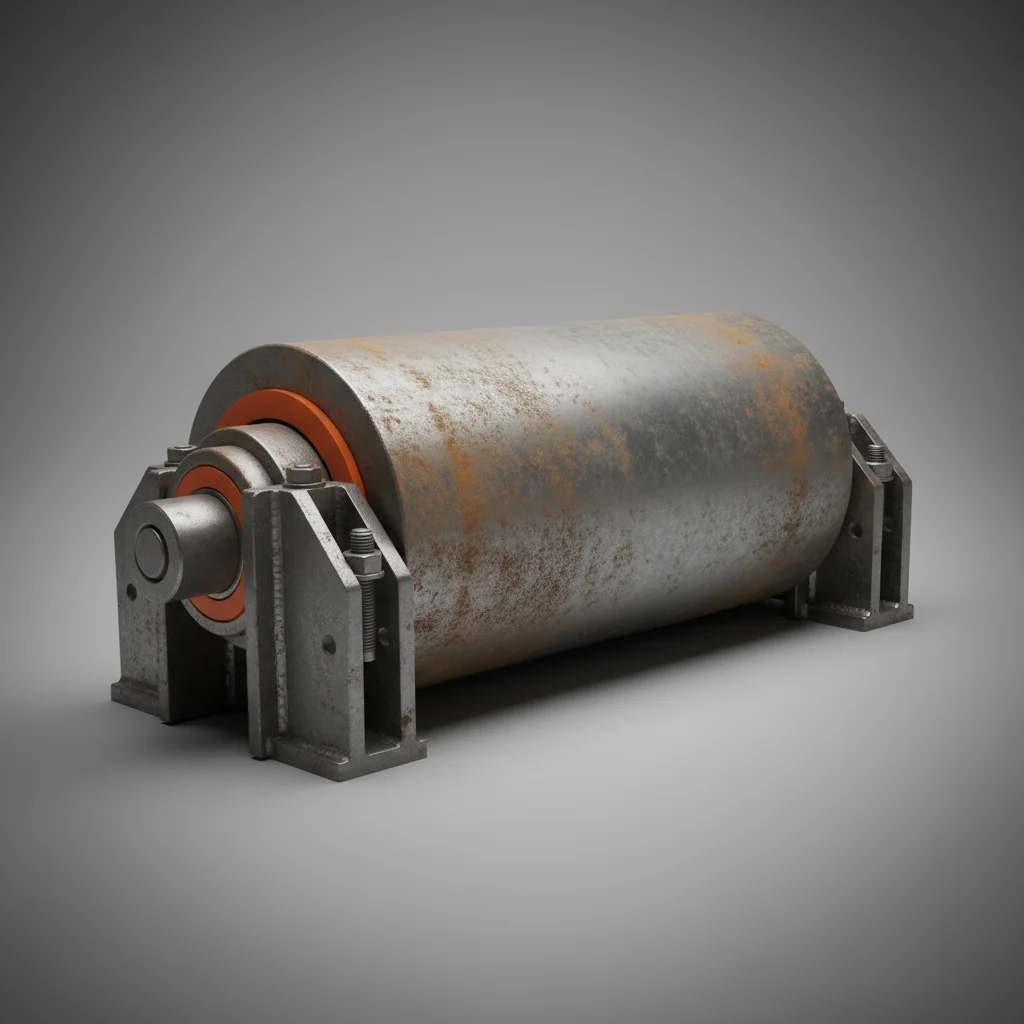
Manufacturers often craft the tube casing from steel or corrosion-resistant alloys, with belts made from high-tensile fabric coated in rubber or PVC. This ensures longevity under harsh conditions and abrasive materials.
2. Flexibility & Scalability
Unlike traditional flat belt conveyors, tube designs are highly adaptable. You can snake them through tight factory layouts or rugged mine sites, with curves and inclines that make life easier for engineers and planners.
3. Dust Control & Environmental Safety
Sealing the belt reduces hazardous dust leakage—crucial for worker safety and regulatory compliance. This inherent dust suppression also lowers cleanup costs and environmental impact.
4. Power Efficiency & Cost Effectiveness
With better seals and less spillage, belt tube conveyors require less maintenance, reducing downtime and energy consumption compared to open conveyors handling the same load.
Mini Takeaway:
The belt tube conveyor’s key traits are what make it versatile and reliable — it’s not magic, just smart engineering paired with the right materials.
Real-World Uses: Who’s Using Belt Tube Conveyors?
The beauty of this conveyor design is that it spans several industries and continents:
- Mining and Quarrying: In South America, copper and lithium mines use tube conveyors to transport ore safely through mountainous terrain.
- Food Processing: European bakeries and grain handlers protect their products from contamination during transfer.
- Disaster Relief Logistics: NGOs operating in post-flood zones in Southeast Asia employ mobile tube conveyors to quickly move bulk supplies over damaged infrastructure.
- Pharmaceutical & Chemical Sectors: Exact control and containment help move powders prone to cross-contamination.
What’s interesting is how these conveyors show up in unlikely spots – briefly supporting rapid construction projects or even unconventional art installations transporting materials invisibly.
Advantages & Long-Term Benefits of Belt Tube Conveyors
In practical terms, the advantages add up to tangible benefits on balance sheets and safety reports:
- Reduced Dust & Spillage: Cuts operational hazards dramatically.
- Lower Maintenance Costs: Components last longer and need less frequent replacement.
- Compact Footprint: Saves space and allows installation in confined industrial areas.
- User & Environmental Safety: Safer workspaces mean happier, healthier workers.
- Improved Product Integrity: Cleaner transport means products reach customers unspoiled.
Emotionally, the innovation here inspires trust. Industries can meet sustainability goals without sacrificing efficiency — which, frankly, is where the future is heading.
Specifications Snapshot
| Specification |
Typical Range |
Unit |
| Tube Diameter |
150 – 450 |
mm |
| Belt Speed |
0.5 – 2.0 |
m/s |
| Capacity |
5 – 50 |
m³/h |
| Max Length |
up to 1000 |
m |
| Operating Temperature |
-20 to 80 |
°C |
Comparing Leading Belt Tube Conveyor Vendors
| Vendor |
Customization Options |
Pricing |
Global Availability |
Notable Feature |
| JT Conveyor |
High (design & materials) |
Mid-range |
Worldwide |
Rapid deployment support |
| TubeLine Industries |
Medium |
Premium |
Europe & USA |
Advanced noise reduction tech |
| Global Convey |
Low (standardized units) |
Budget |
Asia, Africa |
Quick ships ready stock |
Future Trends in Belt Tube Conveyor Technology
Innovation never sleeps. Coming years will likely feature smarter, greener conveyors. Think embedded IoT sensors continuously monitoring belt health, predictive maintenance algorithms that keep things humming without unexpected breakdowns, and belts incorporating recycled or bio-based materials to lower carbon footprints.
Automation is another buzzword here, as systems integrate more closely with factory control software, moving materials just-in-time with minimal human interruption. In the context of climate change and circular economies, expect a stronger focus on energy efficiency and recyclability.
Challenges & How Experts Overcome Them
Granted, belt tube conveyors aren't perfect. Installation can be complex — especially given their tubular design requiring precise manufacturing and assembly. Wear and tear on belts from abrasion or tension are also concerns.
However, engineers tackle these issues through innovative modular designs that simplify maintenance, new abrasion-resistant belt composites, and enhanced sealing methods. Choosing a vendor experienced in custom solutions (like belt tube conveyor specialists) can make a big difference, too.
FAQ: Your Belt Tube Conveyor Questions Answered
Q1: How does a belt tube conveyor reduce dust compared to a traditional conveyor?
A: By enclosing the belt and material within a sealed tube, it effectively contains dust generated by the bulk material. This prevents contamination of the surrounding environment and reduces health hazards for workers, unlike open conveyors that expose material to air.
Q2: Can belt tube conveyors handle steep inclines or vertical lifts?
A: Yes, their tubular design allows for safe transport on inclines up to around 30 degrees, sometimes higher with specific configurations. Vertical lifts are less common but can be engineered depending on the application and material type.
Q3: What maintenance is required to keep belt tube conveyors running smoothly?
A: Routine maintenance includes belt inspection for wear, checking sealing integrity, lubrication of bearings, and monitoring drive components. Many systems now incorporate sensors to detect issues early, reducing downtime.
Q4: Is a belt tube conveyor more expensive than a conventional belt conveyor?
A: Initially, yes — due to specialized materials and manufacturing. However, lower maintenance costs, reduced dust control measures, and greater longevity often balance the total cost of ownership favorably over time.
Q5: How quickly can a belt tube conveyor be deployed on a project site?
A: Deployment time depends on complexity, but some vendors offer modular, pre-assembled units designed for rapid installation. For example, companies like JT Conveyor specialize in fast delivery for time-critical projects.
Wrapping It Up: The Road Ahead for Belt Tube Conveyors
Belt tube conveyors are quietly but surely shaping the future of bulk material handling. Their dust-sealing design, adaptability, and efficiency are not just technical perks — they are fundamental to meeting evolving industrial and humanitarian needs worldwide.
If you’re curious to explore how a belt tube conveyor might optimize your operations or project, check out the detailed resources on JT Conveyor’s site — they’ve got real expertise and ready solutions.
Mini Takeaway:
Investing in this technology means more than improved logistics — it’s about sustainability, safety, and future-proofing your operation.
References:
1. International Organization for Standardization (ISO)
2. Conveyor Belt on Wikipedia
3. World Bank Industry Data Reports, 2023