
Jun. 21, 2026
In the demanding world of industrial material handling, the performance of your system often depends on the smallest components. rubber conveyor rollers play a pivotal role in ensuring smooth belt movement, reducing friction, and extending the overall lifespan of the conveyor assembly. Whether you are operating in mining, quarrying, or large-scale manufacturing, selecting the right lagging and roller material is essential to prevent belt slippage and premature wear. This guide explores the technical advantages and strategic selection of these critical components to help you optimize your operational uptime.

The primary reason industries prefer rubber conveyor rollers over plain steel options is the superior grip they provide. The rubber coating acts as a high-friction interface between the roller and the belt, which is critical for drive pulleys to move heavy loads without slipping. Beyond grip, the rubber layer serves as a shock absorber, protecting the belt from impact damage when heavy materials are dropped onto the line. This results in a significant reduction in maintenance costs and a decrease in unplanned downtime caused by belt failures.
Key Benefits: Increased coefficient of friction for better traction, enhanced noise reduction during high-speed operation, and superior protection against corrosive environmental factors.
Not all rubber is created equal. Depending on the environment, you may need different compounds to ensure the longevity of your rubber conveyor rollers. For instance, Natural Rubber is excellent for general-purpose grip and elasticity, while Nitrile Rubber (NBR) is indispensable in environments where oil or grease is present. For extreme heat applications, silicone or heat-resistant compounds are utilized. Selecting the wrong material can lead to "rubber peeling" or rapid degradation, which compromises the efficiency of the entire conveyor system.
Common Rubber Compound Applications:
• Natural Rubber: High abrasion resistance and excellent grip.
• SBR (Styrene Butadiene): Balanced cost-performance for standard industrial use.
• NBR (Nitrile): Resistance to oils, fuels, and chemical solvents.
• EPDM: Superior resistance to ozone, weather, and high temperatures.
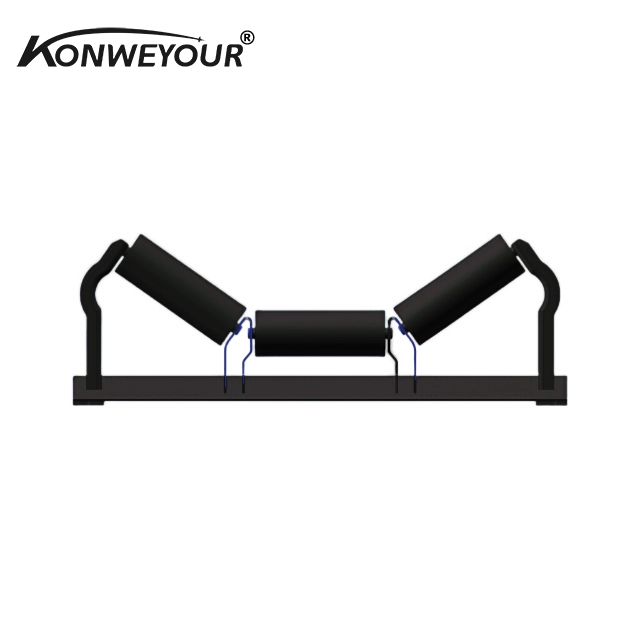
When designing a system, engineers often debate between steel and rubber-coated rollers. While steel rollers offer immense strength, they often suffer from slippage and can cause "belt wear" due to the hard contact surface. Rubber conveyor rollers bridge this gap by combining the structural integrity of a steel core with the versatility of a rubber exterior. This combination ensures that the belt is supported firmly while being treated gently, reducing the frequency of belt replacements.
To maximize the ROI of your rubber conveyor rollers, a proactive maintenance schedule is essential. Regularly inspect the rubber surface for signs of "chunking" or deep cuts, which can cause belt misalignment. Ensure that the rollers are cleaned of debris; accumulated material can embed into the rubber, turning the roller into an abrasive surface that wears down the belt. Additionally, check the bearing housing for lubrication to ensure the rubber-coated shell rotates freely without overheating.

When ordering rollers, specifying the correct technical parameters ensures compatibility with your existing machinery. The hardness of the rubber (measured in Shore A) is a key metric; softer rubber provides better grip but wears faster, while harder rubber offers longer life but less traction. Our rubber conveyor rollers are engineered to meet precise tolerances to prevent belt tracking issues. Below are the typical specifications for our industrial-grade rollers:
The versatility of rubber conveyor rollers allows them to be deployed across diverse sectors. In the mining industry, they are used on heavy-duty belts to transport ores where extreme traction is needed to overcome inclines. In the food and pharmaceutical sectors, specialized food-grade rubber rollers ensure hygienic transport while preventing product slippage. Additionally, airport luggage handling systems rely on rubber-coated rollers to dampen noise and protect delicate suitcases from scratches, demonstrating that these components are as much about protection as they are about power.
Integrating high-quality rubber conveyor rollers into your material handling system is a strategic move toward operational excellence. By reducing belt slippage, absorbing impacts, and lowering noise levels, these components directly contribute to a safer and more efficient workplace. Whether you need custom hardness levels or specific chemical resistance, investing in the right rubber coating ensures that your conveyor runs smoothly for years to come. Trust in professional engineering to keep your production line moving.
The replacement cycle varies significantly based on the material being transported and the environment. In high-abrasion environments like mining, rollers may need inspection every 3-6 months and replacement every 1-2 years. However, in light-duty warehouse applications, they can last much longer. The key is to monitor the "lagging" (the rubber layer). Once the rubber shows significant wear, cracks, or has lost its grip, it should be replaced immediately to prevent belt slippage and potential damage to the drive motor.
Yes, in many cases, the steel core of the roller remains in perfect condition while only the rubber coating is worn. Many companies offer "re-lagging" services where the old rubber is stripped off and a new layer of high-quality rubber is bonded to the core. This is a cost-effective and environmentally friendly alternative to buying entirely new rollers, provided the bearings and shaft are still in good working order. We recommend a full technical audit before deciding between refurbishment and replacement.
Rubber peeling, or delamination, is usually caused by three main factors: poor bonding during manufacturing, chemical incompatibility, or extreme temperature fluctuations. If a roller designed for standard temperatures is exposed to extreme heat, the adhesive bond can fail. Similarly, exposure to certain oils can degrade the rubber if the wrong compound (e.g., using Natural Rubber instead of Nitrile) was selected. Using professional-grade rubber conveyor rollers ensures that the bonding process is industrial-strength and the material matches your environment.
While rubber rollers are not "trackers" in the sense of steering the belt, they significantly assist in maintaining stability. Because they provide consistent friction across the width of the belt, they reduce the likelihood of the belt sliding sideways due to low friction. When combined with proper alignment and tracking rollers, rubber-coated drive and return rollers ensure that the belt remains centered, reducing edge wear and preventing the belt from running off the conveyor structure.

Jul 20,26
Precision Components for Manufacturing Conveyors and Belt Tracking

Jun 27,26
Optimize Industrial Logistics with a Roller Conveyor System
Dec 31,25
Belt Conveyor Parts And Functions: Essential Components for Industrial Efficiency
Belt Conveyor Parts And Functions is a key solution in the industry, specifically within material handling and manufacturing sectors. This article explores how https://www.jtconveyor.com supports professionals with durable, high-performance products, and explains why this product is an ideal choice for businesses in these sectors.
Dec 07,25
The Essential Guide to Choosing a Conveyor Parts Company for Industrial Success
Dec 03,25
Conveyor Assembly Parts: Essential Components for Efficient Material Handling
Feb 16,26
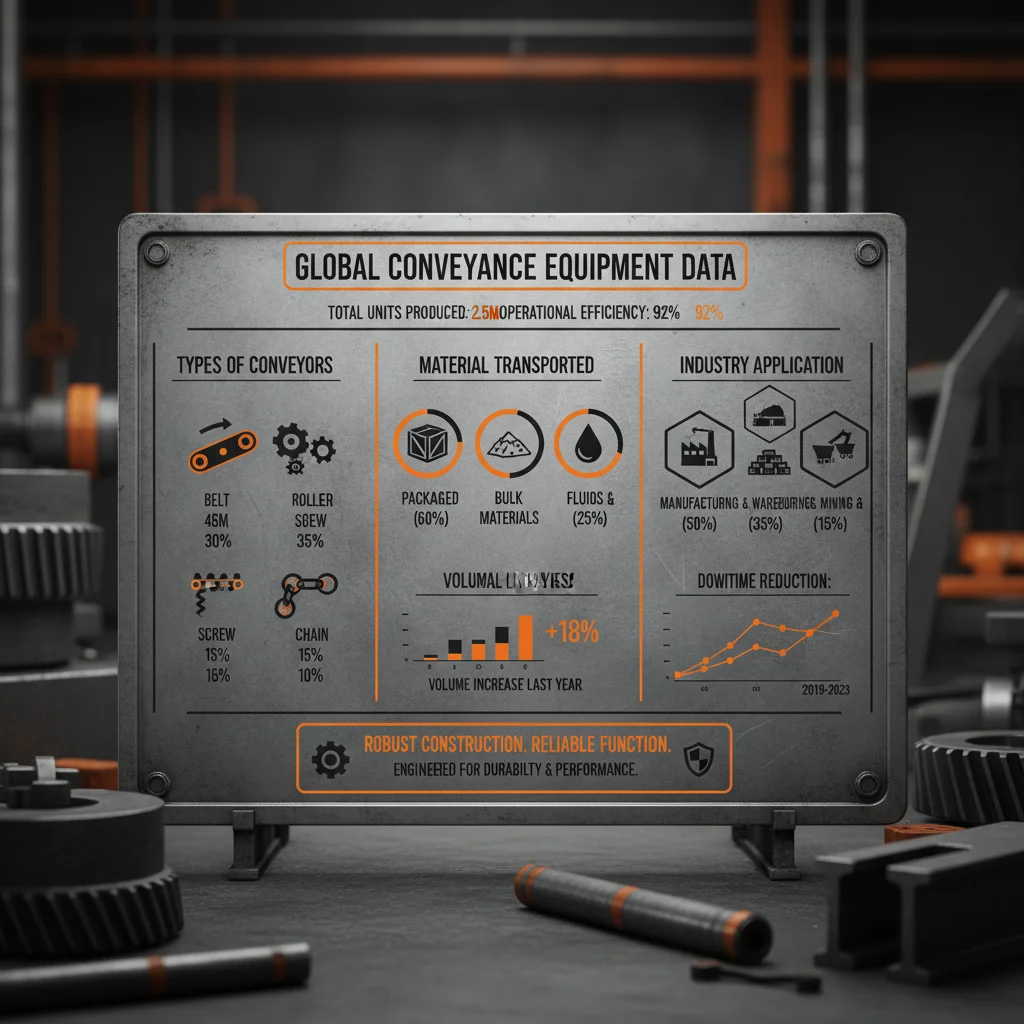
Optimizing Industrial Operations with Advanced Conveyance Equipment Solutions
SUBSCRIBE NEWSLETTER