Understanding Conveyor Assembly Parts: The Backbone of Modern Material Handling
Conveyor assembly parts might not be the headline-grabbing topic at industry conferences, but they quietly hold tremendous importance across manufacturing, logistics, and even humanitarian operations worldwide. Simply put, these components form the essential building blocks of conveyor systems — the moving arteries of factories, warehouses, airports, and more. Their role in streamlining material movement translates into faster production cycles, reduced costs, and safer work environments. So why is getting to know conveyor assembly parts valuable? Because a deep grasp on their function and features can empower businesses to optimize operations and embrace innovations more confidently.
Conveyor Assembly Parts in the Global Industry Context
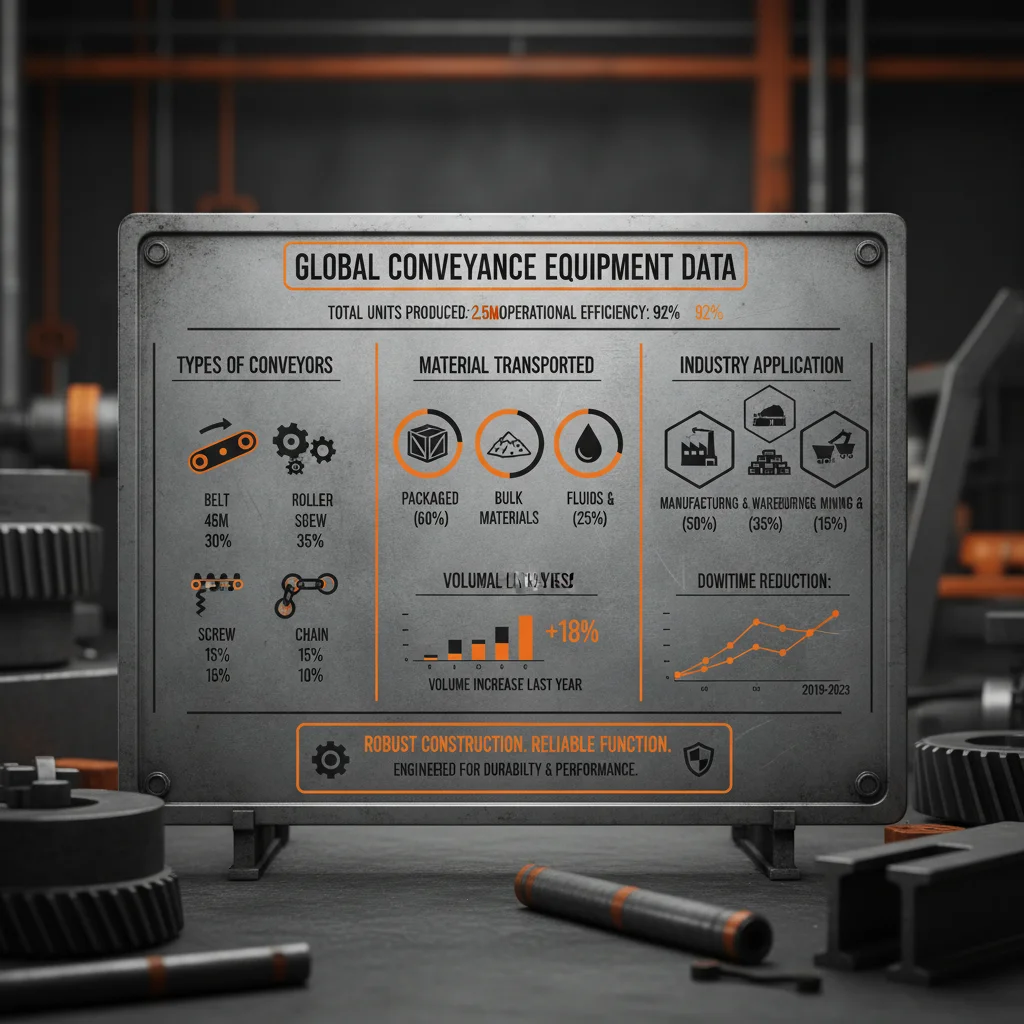
Globally, the conveyor systems market is expected to grow at a CAGR of over 6% between 2022 and 2030 (according to ISO and market research reports). This growth reflects increasing automation and the need for efficient material handling in expanding manufacturing sectors — especially in Asia-Pacific and North America. The World Bank notes that modern industry demands reliability and speed more than ever, yet any breakdown in conveyor parts can cause costly downtime. Oddly enough, despite this reliance, many firms still underestimate how critical the quality and compatibility of conveyor assembly parts really are.
Moreover, the ongoing shift towards sustainable manufacturing calls for parts that are not only durable but eco-conscious. Handling these challenges has global significance, especially in regions pushing industrial modernization while adhering to stricter environmental regulations.
What Exactly Are Conveyor Assembly Parts?
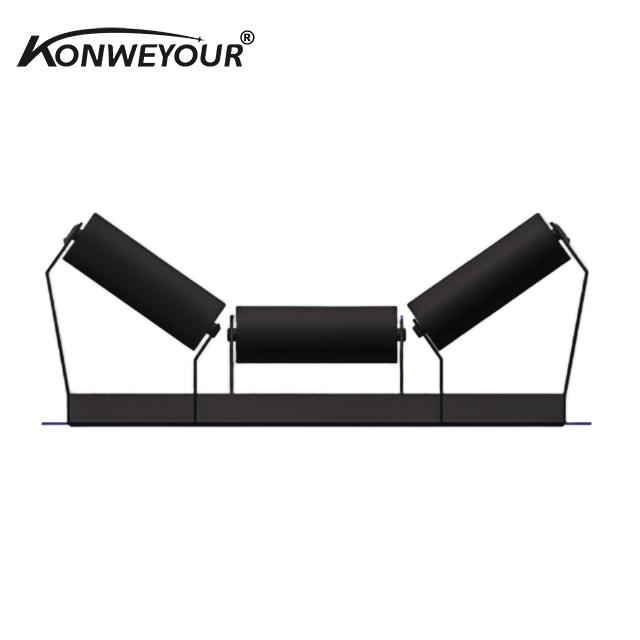
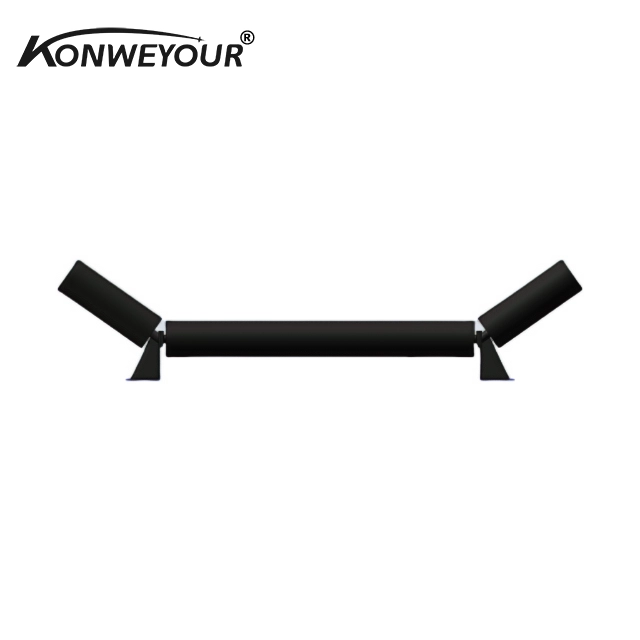
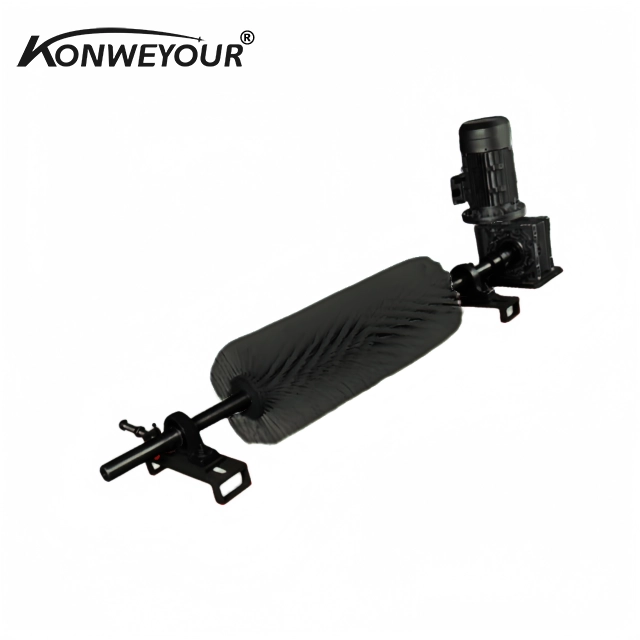
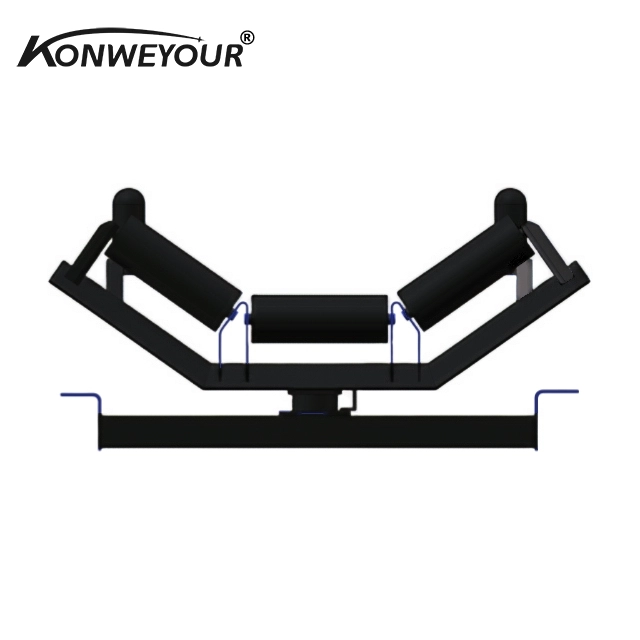
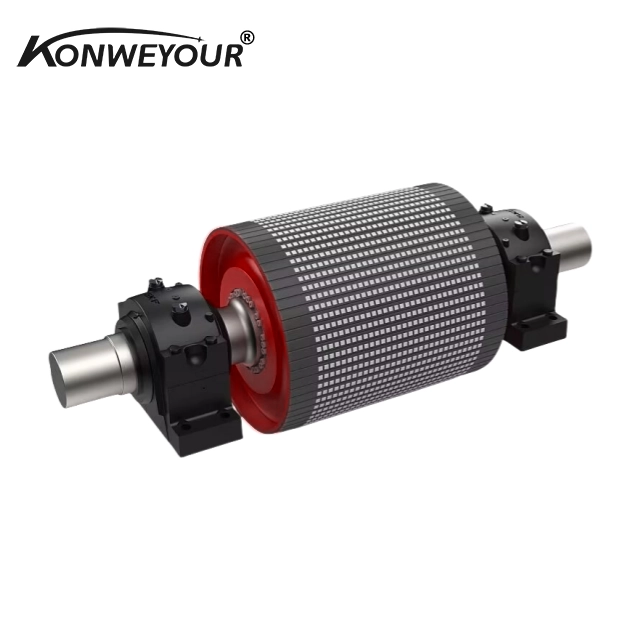
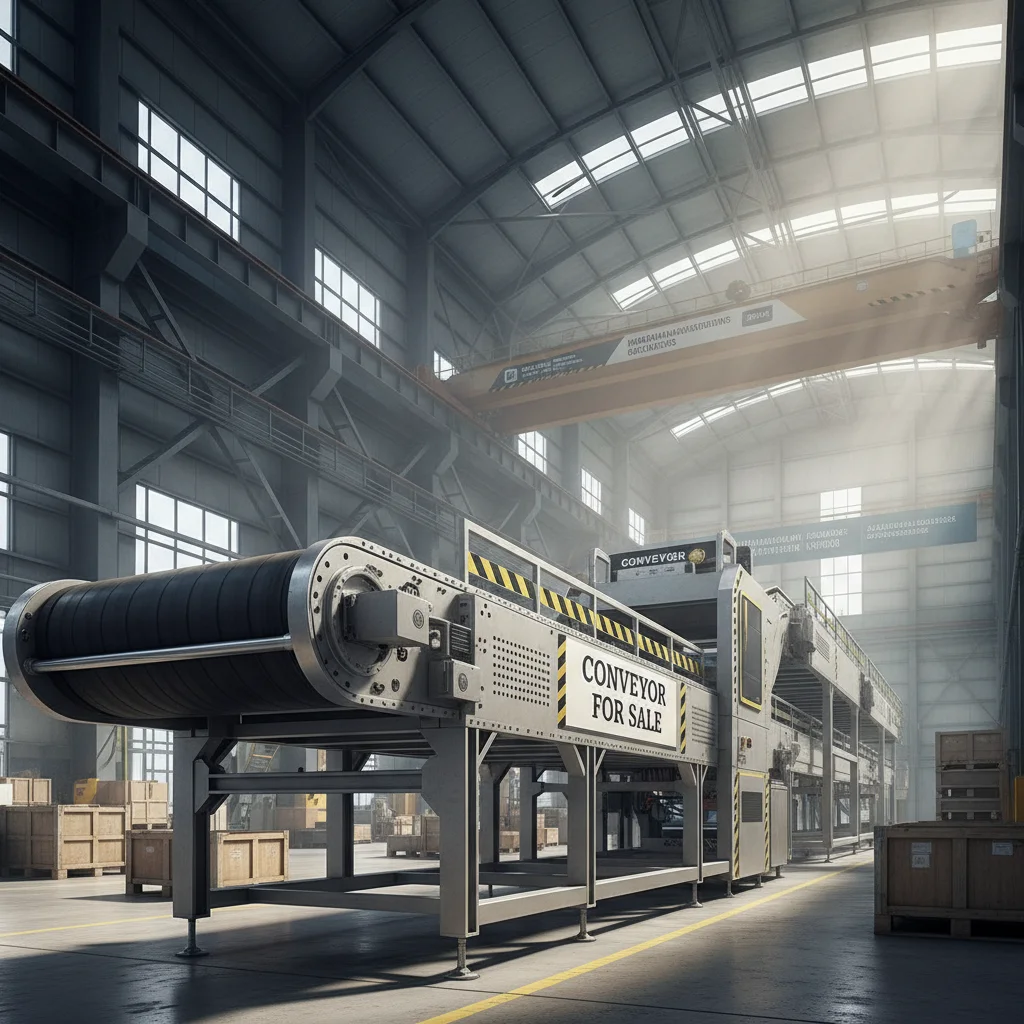
At its core, conveyor assembly parts are the individual elements that compose a conveyor system. Think rollers, belts, pulleys, bearings, chassis frames, motors, and control units. Each part plays a vital role in ensuring smooth, continuous movement of goods — whether raw materials, packaged products, or even small components — from one point to another.
These parts connect mechanization with the flow of goods that keep factories humming. In humanitarian logistics, for example, reliable conveyor assembly parts enable swift sorting and distribution of relief supplies during crisis response. So, it’s more than just “machine stuff” — it’s a lifeline for efficiency and reliability everywhere.
Core Components & Key Factors of Conveyor Assemblies
1. Durability
Conveyor parts often operate in harsh environments — dusty factories, cold warehouses, or outdoor yards. Materials such as stainless steel for rollers or heavy-duty polymers for belts ensure long life and resistance to corrosion or wear. Durable components minimize maintenance intervals, which is a big deal in continuous operations.
2. Scalability & Modularity
Many conveyor systems grow with the business. Parts designed with modularity in mind allow easy upgrades or rearrangements. This flexibility supports changing production lines or seasonal demands without massive overhauls.
3. Cost Efficiency
Of course, budget matters. Selecting parts that balance quality and price can dramatically affect lifespan and total cost of ownership (TCO). Investing a bit more upfront in superior assembly parts often pays off by preventing breakdowns and costly downtime.
4. Compatibility & Customization
Not every conveyor system is off-the-shelf. Custom-built lines require parts tailored to precise technical specs, dimensions, or load capacities. Vendors with a wide portfolio or custom engineering services make a huge difference here.
5. Safety & Compliance
Safety features, such as guards or fail-safes integrated into parts, help prevent accidents. Compliance with international standards like ISO 13857 (Safety of machinery) supports global operations and reduces liability risks.
Product Specification Snapshot for a Typical Conveyor Assembly Line
| Part |
Material |
Load Capacity |
Typical Lifespan |
| Roller |
Stainless Steel |
150 lbs/roller |
5-8 years |
| Belt |
PVC Composite |
Variable (up to 2,000 lbs) |
3-6 years |
| Motor |
Copper, Steel |
Up to 5 HP |
7-10 years |
| Frame |
Aluminum Alloy |
Support up to 3,000 lbs |
10+ years |
Takeaway: Knowing what each conveyor assembly part is made of and its expected lifespan helps prevent unexpected failures.
Global Applications and Real-World Use Cases
- Manufacturing hubs in East Asia: Conveyor assembly parts in automated factories enable rapid throughput of electronics and automotive parts.
- Distribution centers in North America: Complex conveyor lines use modular parts to adapt to seasonal shifts in e-commerce shipping volumes.
- Post-disaster humanitarian supply chains: Mobile conveyor systems assembled quickly with universal parts improve relief delivery speed.
- Mining operations in Africa and Australia: Durable rollers and belts withstand abrasive materials, reducing maintenance downtime.
For instance, I recently read a case study where a humanitarian NGO in Southeast Asia deployed conveyor assembly parts rapidly from local sources to rebuild supply lines after flooding. This flexibility made all the difference in timely aid distribution. Conveyor assembly parts like these truly underline the global connectivity of this technology.
Advantages and Long-Term Value
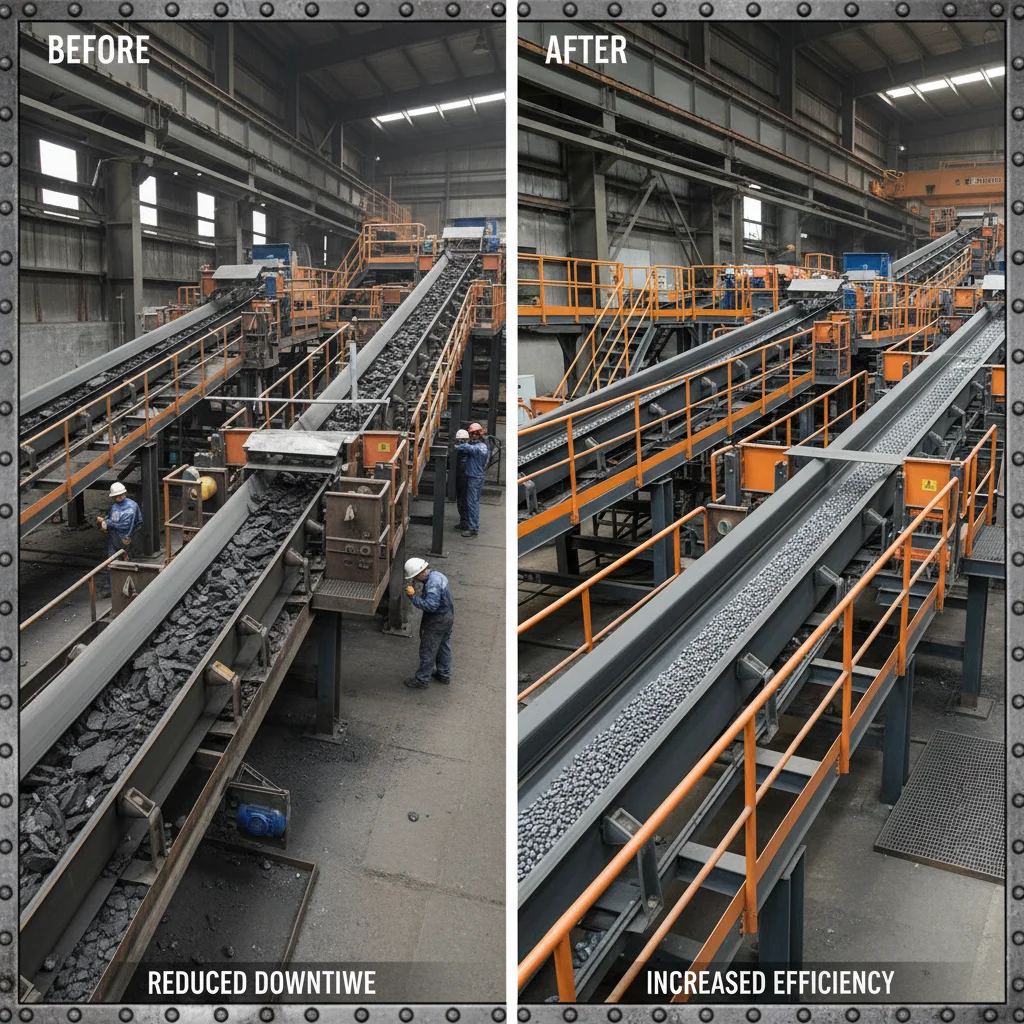
From a practical standpoint, high-quality conveyor assembly parts can cut operational costs by up to 20% through less downtime and improved energy efficiency. But beyond the numbers, there’s a social dimension — these systems help create safer workplaces, reducing manual handling injuries and fatigue. It’s not just efficiency; it’s dignity and trust embedded in every operational link.
Moreover, sustainable manufacturing demands parts made from recyclable materials or those compatible with energy-saving motors. Incorporating such elements aligns with environmental goals and corporate social responsibility.
Future Trends & Innovations in Conveyor Assembly Parts
In 2024, we see exciting developments including smart sensors embedded within conveyor parts to provide real-time condition monitoring. This digital transformation means predictive maintenance becomes a reality rather than a buzzword. Also, greener materials like bio-based polymers for belts are gaining traction, alongside lightweight aluminum frames reducing energy use.
Automation advances allow conveyors to integrate seamlessly with robotics and AI-controlled sorting systems, making supply chains more responsive. Oddly enough, even something as “mechanical” as conveyor assembly parts is becoming a nexus of tech innovation.
Challenges & Expert Solutions
The major hurdles remain: parts compatibility across brands, supply chain disruptions, and wear from extreme environments. Manufacturers and engineers tackle these by standardizing interfaces, localizing production, and designing parts with hybrid materials to resist corrosion and abrasion.
For instance, vendors offering conveyor assembly parts today often include custom design consulting to ensure new parts work flawlessly with legacy systems, a huge time saver for clients.
Vendor Comparison: Leading Conveyor Assembly Parts Suppliers
| Vendor |
Product Range |
Custom Engineering |
Global Delivery |
Sustainability Initiatives |
| JT Conveyor |
Extensive (rollers, belts, motors) |
Yes |
Worldwide |
Uses bio-based belt materials |
| ConveyTech Corp |
Standard components |
Limited |
Regional (NA, EU) |
Energy efficiency focus |
| Global Line Parts |
Wide range, including smart sensors |
Yes |
Global |
Recycling programs |
FAQs About Conveyor Assembly Parts
- What are the most durable materials for conveyor assembly parts?
- Stainless steel rollers and aluminum alloy frames often offer the best balance of strength and corrosion resistance — ideal for many industrial settings.
- How easily can conveyor parts be customized for specialized production lines?
- Vendors with engineering teams can modify dimensions, materials, and load ratings to meet unique specifications, which is crucial for optimized workflows.
- Are conveyor assembly parts compatible across different manufacturers?
- Compatibility varies, but many suppliers adhere to industry standards or offer adapter kits to integrate with legacy systems, reducing customization hurdles.
- How does technology like sensors change conveyor assembly parts?
- Embedded sensors enable condition monitoring and predictive maintenance, reducing unplanned downtime and extending part lifespan.
Conclusion: The Last Word on Conveyor Assembly Parts
In sum, conveyor assembly parts form the quiet yet crucial backbone of global material handling, bridging efficiency, safety, and innovation. Whether in sprawling factories, distribution hubs, or urgent relief efforts, their design and selection directly impact productivity and sustainability. For businesses aiming to stay competitive and responsible, investing time in understanding these components is a worthy endeavor. Curious to dive deeper or source parts designed for your needs? Visit our website: https://www.jtconveyor.com.
It feels like conveyor assembly parts often get overlooked in the excitement about automation, but without them, nothing moves — literally.
References
- ISO 13857 - Safety of Machinery
- World Bank Industry Data
- Conveyor System - Wikipedia