What Is a Belt Feeder Conveyor and Why Should You Care?
The belt feeder conveyor might not be the flashiest piece of industrial equipment, but it’s a backbone of modern production and distribution all over the world. From mining to food processing, and even post-disaster humanitarian aid, these machines keep materials moving efficiently and safely. Understanding how these conveyors work — and why they matter — unlocks insight into optimizing supply chains, cutting costs, and improving sustainability.
Frankly, whether you are an engineer, operations manager, or just curious about how stuff gets from point A to B in large quantities, knowing the basics of belt feeder conveyors can spark ideas you hadn’t thought about before. Below is a friendly deep dive into what these devices are, how they operate globally, and why they might be the unsung heroes of many industries.
Global Context: Why Belt Feeder Conveyors Are Everywhere (And Still Growing)
Serious industrial growth has been a defining trend over the last few decades. According to the International Organization for Standardization (ISO), global manufacturing output has increased by roughly 40% since 2010, and with that growth comes a pressing need for reliable, scalable material handling solutions. Belt feeder conveyors answer this call by delivering consistent, calibrated material flow.
The World Bank notes how manufacturing and extraction industries in emerging markets rely increasingly on automated conveyors to boost efficiency, reduce manual labor risks, and improve environmental footprints. It’s no surprise — such conveyors address the challenge of moving bulk materials in an economical, continuous fashion while maintaining precision and safety.
Oddly enough, you’ll also find belt feeder conveyors playing silent but vital roles in humanitarian logistics. In disaster-stricken zones, they ensure that relief supplies like grain or construction materials move swiftly where they’re needed most — often under tough conditions.
Defining the Belt Feeder Conveyor
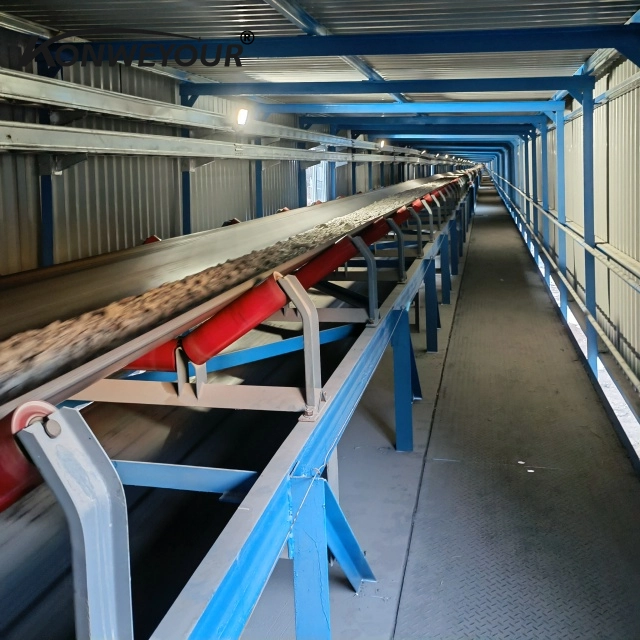
In simple terms, a belt feeder conveyor is a mechanical device that moves bulk materials at a controlled, steady flow rate onto a processing line or other conveyor system. Unlike basic belt conveyors, feeders regulate the amount of material discharged, which is crucial when precise dosing is important — think mining ore or food ingredients.
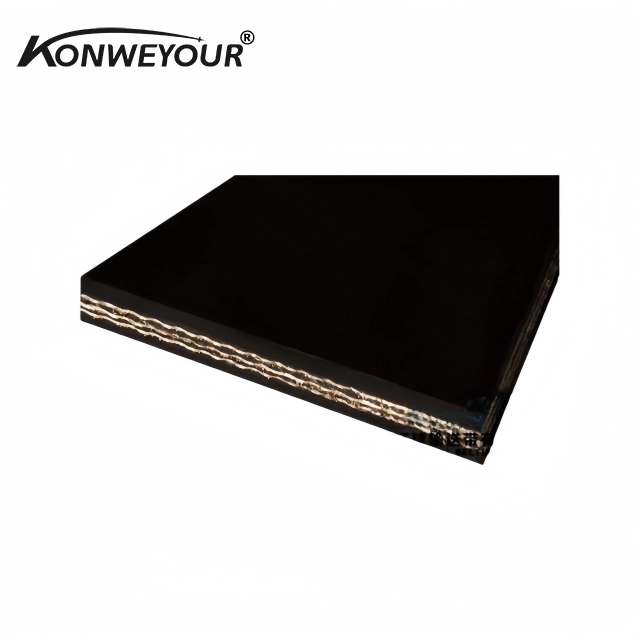
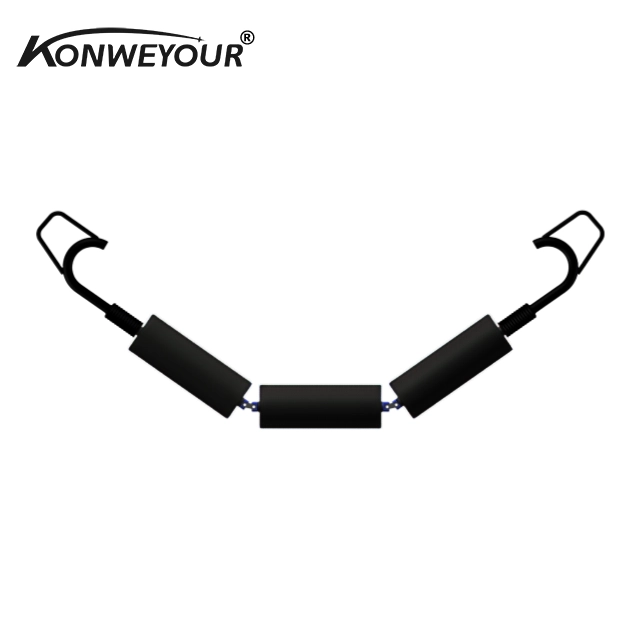
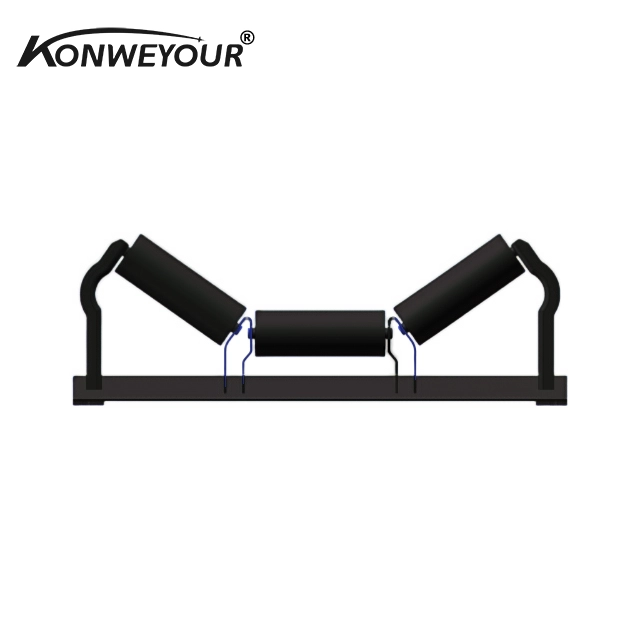
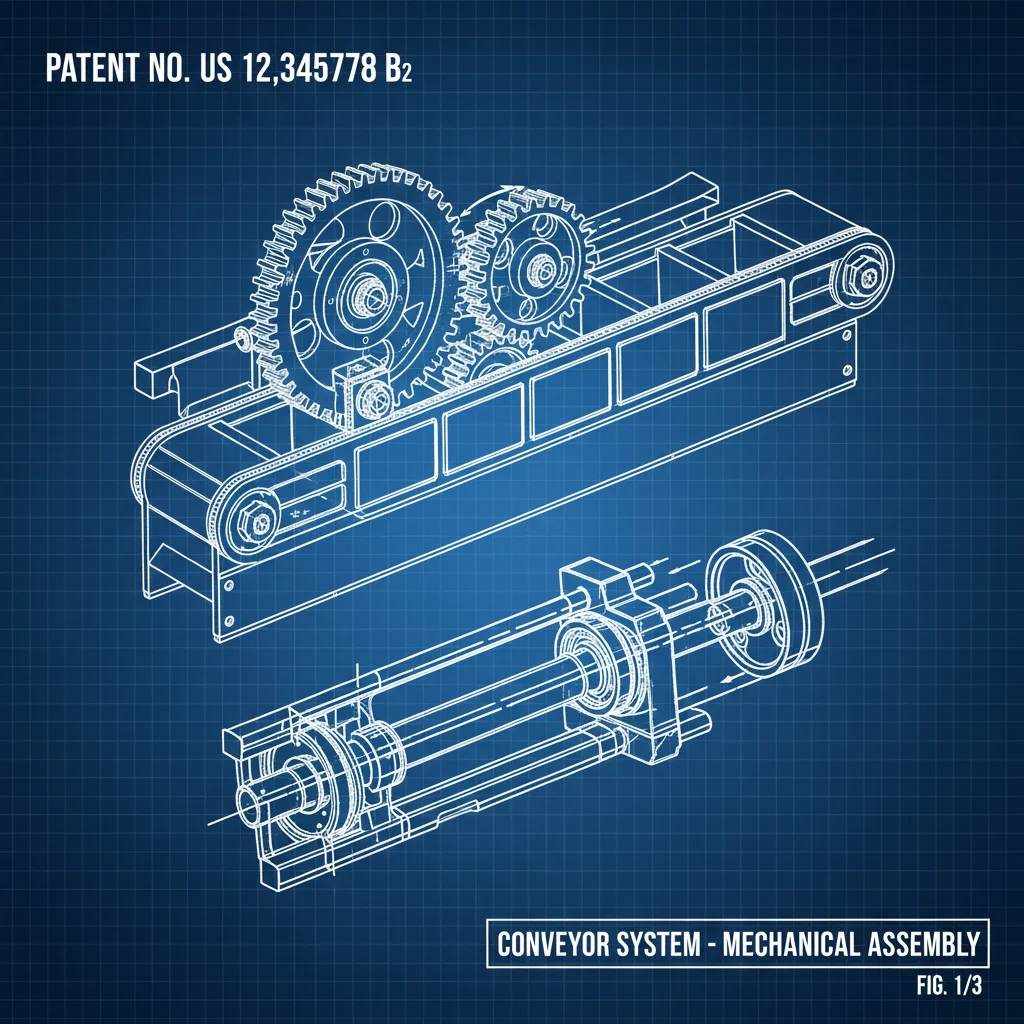
The system usually consists of a powered belt, tensioners, idlers, and a drive unit. The belt can range from lightweight textile to heavy-duty rubber or metal, depending on what’s being transported. The unique aspect is the “feeding” function: materials aren’t just transported, but metered, ensuring operational stability and minimizing waste.
In modern industry, these conveyors link raw material handling with manufacturing and packaging processes, creating seamless material flow chains. Even in humanitarian contexts, their ability to function in rugged environments makes them invaluable for supporting large-scale relief efforts.
Core Components That Make Belt Feeder Conveyors Tick
1. Durability
Durability in belt feeder conveyors matters. Many operate in dusty mines or harsh outdoor environments. Manufacturers use abrasion-resistant belts and corrosion-proof frames, so downtime is minimized. One engineer told me, “It feels like these feeders are built to last longer than expected... which is great because replacement isn’t cheap.”
2. Scalability
From small feed rates of a few kilograms per hour to thousands of tons daily, belt feeders come in sizes optimized for each need. This scalability means a company can upgrade without ripping out their entire conveyor system — just adjust the feeder to match production volumes.
3. Cost Efficiency
Operators often find that investing in a precise belt feeder reduces raw material waste and energy consumption, translating directly into saved dollars over time.
4. Control Systems
Modern feeders feature smart automation with electronic load cells, variable speed drives, or integration with plant control systems. This means more than just running a conveyor; it’s about synchronizing the feed rate with production needs dynamically.
5. Versatility
Feeding coal, grains, chemicals, or even packaged goods — these conveyors adapt by varying belt types, frame construction, and safety features. This versatility is why almost every heavy industry employs them.
Mini takeaway:
Essentially, belt feeder conveyors combine rugged construction with smart precision. You get flexibility, control, and reliability — a winning trio in handling bulk materials.
Worldwide Applications in Action
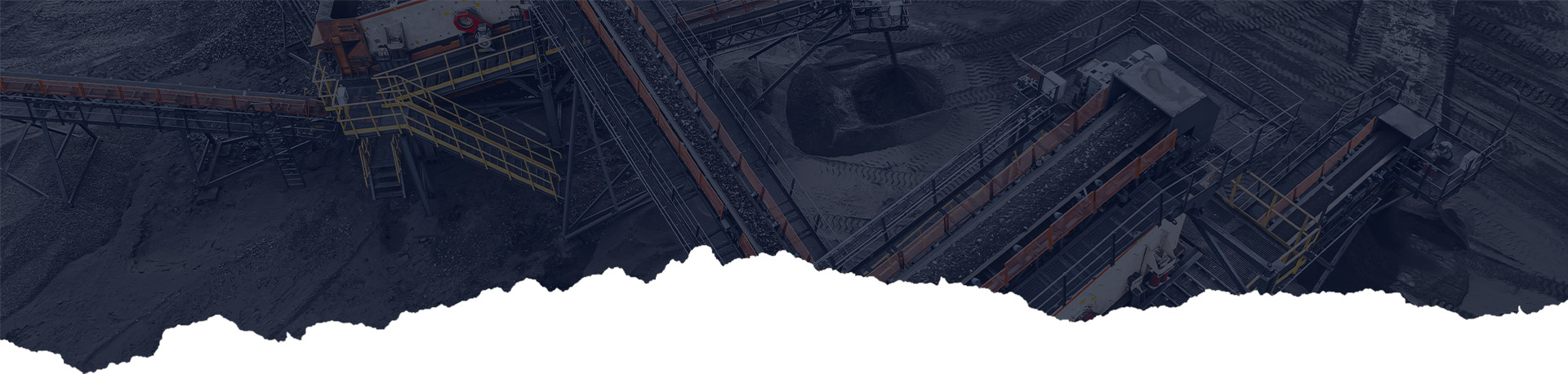
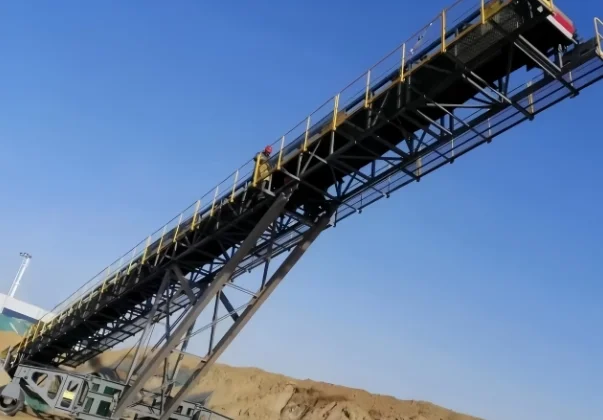
In real-world terms, these conveyors pop up everywhere. In Australia and South Africa, belt feeders transport iron ore and coal efficiently across large mining sites, where constant feed is required for crushers. In Europe’s food industry, they meter flour or sugar precisely onto packaging lines.
Humanitarian agencies in Southeast Asia have relied on mobile belt feeder conveyors to handle rice and wheat distribution after typhoons, helping speed recovery efforts that would otherwise be slowed by manual labor or outdated equipment.
Roughly, anywhere high-volume, continuous material handling occurs, belt feeder conveyors either save time, reduce human risk, or improve product quality. It’s a quiet revolution underfoot.
Advantages & Long-Term Value of Belt Feeder Conveyors
- Reduced labor risk: Less manual handling cuts injuries.
- Cost Savings: Accurate feed means less wastage and lower operational cost.
- Operational Reliability: Engineered to run smoothly under tough conditions.
- Sustainability: Energy-efficient drives and longer equipment life reduce environmental impact.
- Improved Safety & Dignity: In aid efforts, mechanized feeders respect workers’ safety and speed aid delivery.
It’s quite something how such practical machines make a big social and economic difference beyond just moving stuff from A to B.
Product Specification Table (Example Belt Feeder Conveyor Model)
| Specification |
Typical Value |
| Belt Width |
400 mm |
| Feed Rate Range |
0.5 to 50 tons/hr |
| Belt Speed |
0.1 to 3 m/s |
| Drive Type |
Variable frequency motor |
| Material |
Rubber with steel carcass |
| Control System |
PLC with load cell feedback |
Comparing Leading Belt Feeder Conveyor Vendors
| Vendor |
Specialty |
Price Range |
Customization |
Customer Support |
| JT Conveyor |
Heavy-duty rubber belts with smart controls |
$$$ |
High |
24/7 technical support |
| Global Feed Systems |
Modular, lightweight feeders for food industry |
$$ |
Medium |
Business hours only |
| EcoMove Tech |
Sustainable conveyors with solar-assist motors |
$$$+ |
Medium |
Extended warranty + remote diagnostics |
Emerging Trends and Innovations in Belt Feeder Conveying
The conveyor world is quietly embracing the digital age. Variable speed drives with AI-assisted load balancing, belt materials made from recycled composites, and solar or regenerative braking options are turning these once simple machines into smart, green devices. Industry 4.0 automation means feeders won’t just move stuff—they’ll predict bottlenecks and self-adjust in real time.
I noticed that many newer models integrate Internet of Things (IoT) sensors to alert maintenance teams before breakdowns. This is a game-changer. Instead of surprise stoppages, plants can schedule downtime, saving big headaches.
Challenges You Might Face – and How To Solve Them
Like any technology, belt feeder conveyors aren’t perfect. Common issues include belt wear and tear, dust contamination, or irregular feeding flow in sticky or moist materials. But specialists say that regular maintenance, advanced belt materials, and clever design tweaks like adjustable tensioning systems can dramatically extend lifespan and performance.
For instance, upgrading to modular belts simplifies replacement, and using dust suppression attachments often keeps things cleaner. It's a bit like preventive healthcare — keep it tuned regularly, and it just works.
FAQ: Quick Answers to Popular Belt Feeder Conveyor Questions
Q1: How do I choose the right feed rate for my belt feeder conveyor?
Selecting the right feed rate depends on your material type, desired throughput, and integration with downstream processes. Many vendors provide configurable control systems to adjust speed on the fly. It’s smart to consult with an engineer who knows your product intimately to avoid over- or under-feeding.
Q2: Can belt feeder conveyors handle corrosive materials?
Yes, but the belts and frame need to be made from corrosion-resistant materials like stainless steel or specialized rubber composites. Regular inspection is crucial, especially in harsh chemical environments, to maintain safety and uptime.
Q3: What's the maintenance schedule like for these conveyors?
Many companies recommend monthly visual inspections, quarterly lubrication of moving parts, and annual detailed system checks. Condition monitoring via sensors can reduce these intervals by warning of wear in real time.
Q4: Are belt feeder conveyors energy-efficient?
Modern feeders use variable frequency drives and optimized motors, which significantly cut energy consumption compared to older fixed-speed models. Combined with precise control, this lowers your overall operational costs.
Q5: How do I integrate a belt feeder conveyor into an existing production line?
Integration requires matching physical dimensions, feed rates, and control systems. Working with a vendor like belt feeder conveyor specialists ensures that your conveyor syncs flawlessly with upstream and downstream equipment.
Wrapping It Up: Why Investing in a Belt Feeder Conveyor Makes Sense
Over the long haul, belt feeder conveyors deliver more than just moving materials. They optimize cost, improve safety, reduce environmental impact, and increase reliability — all of which are key to a resilient operation. As digital integration and green manufacturing trends ripple through industries, these feeders only become smarter, tougher, and more essential.
If you’re intrigued — or just want to explore options — I suggest visiting this site to see what modern belt feeder conveyors can do for your business or operation.
References
- International Organization for Standardization (ISO)
- World Bank - Manufacturing Industry Overview
- Wikipedia - Conveyor Belt