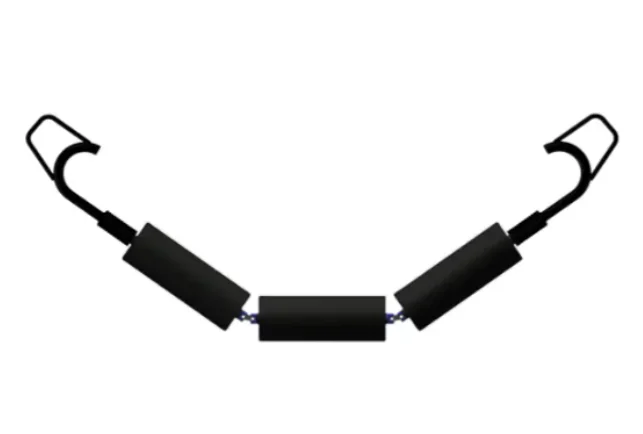
Unlocking the Potential of Belt Transfer Conveyor Systems
At first glance, a belt transfer conveyor might seem like just another piece of industrial equipment, quietly ferrying materials from point A to point B. But in reality, these systems form the backbone of warehouses, factories, and logistics hubs worldwide. Understanding the belt transfer conveyor is crucial because it directly impacts efficiency, safety, and the bottom line in countless industries — from manufacturing plants in Germany to relief operations in remote corners of Africa.
With globalization still pushing supply chains to become faster and more agile, the demand for reliable, adaptable material handling solutions only grows. In this article, we’ll explore what belt transfer conveyors are, why they matter globally, and how they’re evolving in ways that could surprise you.
Why Belt Transfer Conveyors Matter in a Globalized Economy
According to the International Organization for Standardization (ISO), material handling productivity can improve by up to 50% with the right conveyor systems.1 With global trade exceeding $28 trillion annually, these systems quietly keep goods moving — from raw materials to finished products. Yet, many industries face bottlenecks, rising costs, and safety concerns that a properly designed belt transfer conveyor can mitigate.
From the World Bank's logistics performance reports, delays in freight movement can add up to 20% to costs in developing countries.2 Belt transfer conveyors are one of the unsung heroes in addressing these inefficiencies, especially in regions where manual handling is still the norm and automation lags.
In fact, their ability to handle diverse materials gently and at scale makes them critical not only for industrial giants but also humanitarian missions where speed and safety are paramount. Think of disaster relief warehouses where time and resource management can literally save lives.
Mini Takeaway:
- Belt transfer conveyors boost global supply chain efficiency.
- They reduce handling delays and cut costs in heavy logistics scenarios.
- Crucial in both industrial and humanitarian sectors worldwide.
What Exactly Is a Belt Transfer Conveyor?
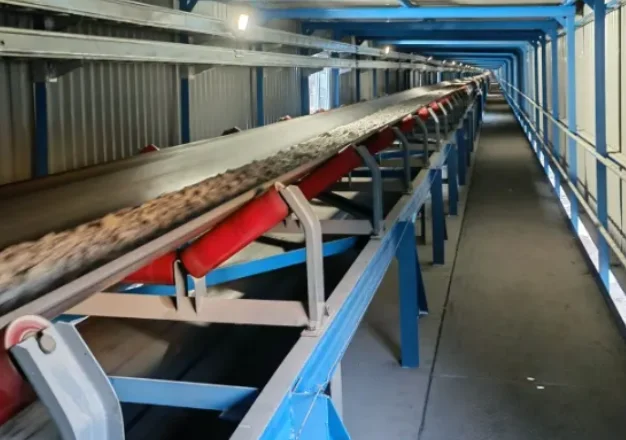
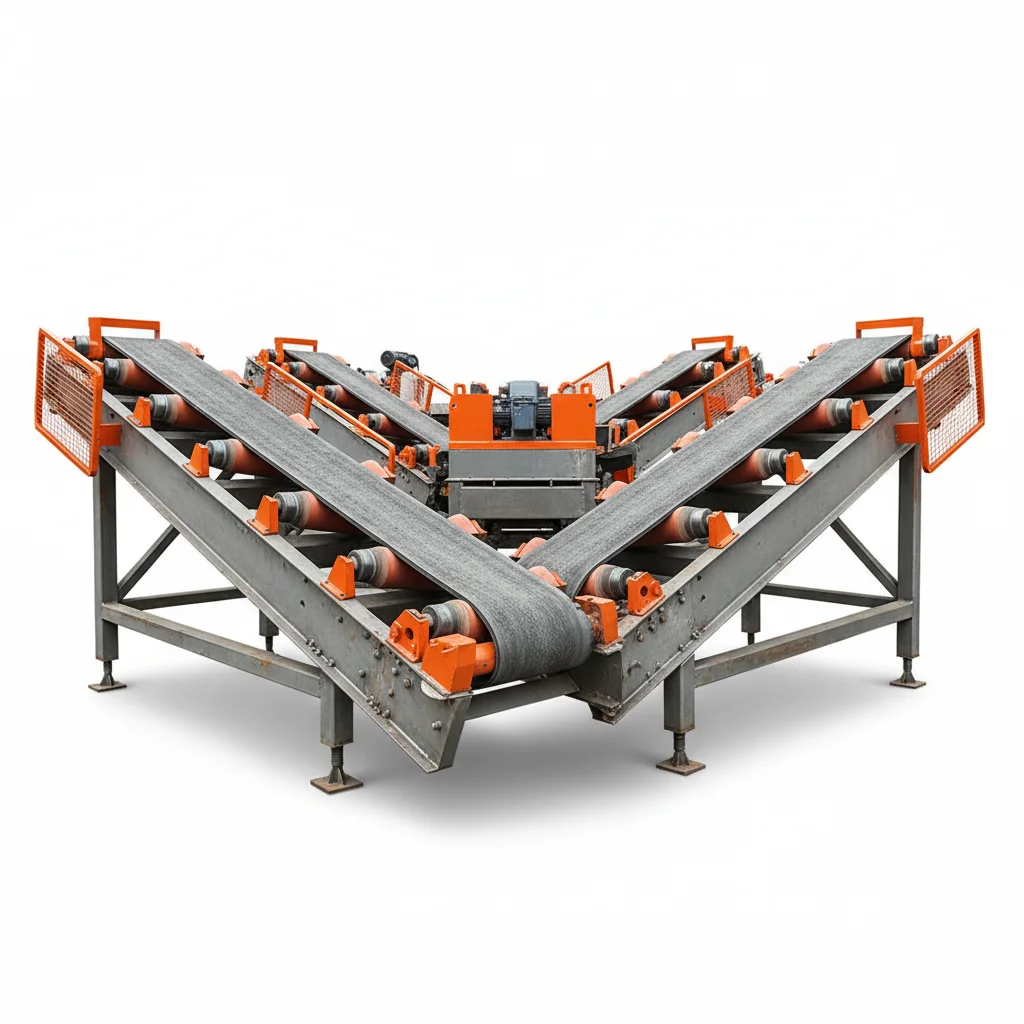
A belt transfer conveyor is a mechanical device consisting of a continuous loop of material — usually polyurethane or PVC — moving around pulleys to transport items from one location to another. Unlike gravity or roller conveyors, belt conveyors provide powered, steady movement that's adaptable to different sizes, weights, and shapes of items.
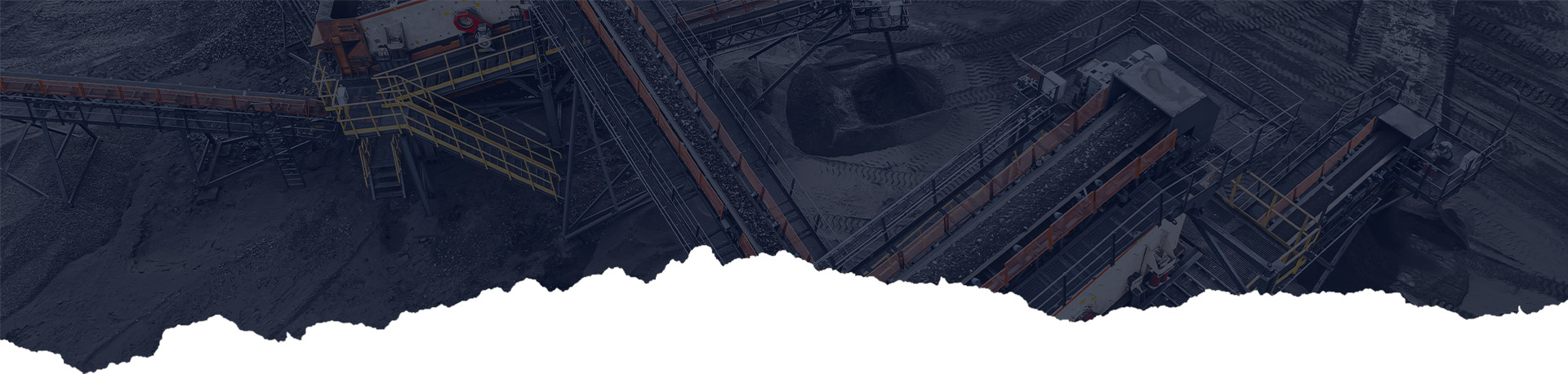
In real terms, think of it as the "veins" in a factory or warehouse, circulating goods smoothly and with minimal human intervention. Their relevance reaches beyond factories into airports, postal services, even mining operations where bulky materials need gentle but consistent movement.
Core Components and Key Factors of Belt Transfer Conveyors
1. Durability and Material Selection
Belt materials must withstand abrasion, temperature changes, and chemical exposure. For example, food-grade conveyors use FDA-approved belts to maintain hygiene, while heavy-duty industrial belts resist tearing and shocks. Many engineers I’ve chatted with emphasize that choosing the right belt material upfront can save years of headaches down the line.
2. Scalability and Modularity
Modern belt transfer conveyors are modular, allowing operators to adjust lengths or configurations as demands shift. This is particularly handy in e-commerce warehouses where product mix changes seasonally. Adding or removing conveyor modules helps avoid expensive custom manufacturing.
3. Cost Efficiency and Energy Use
Optimized motor drives and belt designs reduce energy consumption, a big win both financially and environmentally. Some systems harvest energy via regenerative braking—a feature becoming more common with the push for sustainability.
4. Control and Integration
Integration with warehouse management systems (WMS) and automated sorting technologies allows seamless data flow and precise control. Walking into a fulfillment center today, you’ll probably see belt conveyors choreographed by smart software dictating speed, direction, and routing.
5. Safety Features
Because conveyors move heavy objects at pace, safety is paramount. Sensors, emergency stops, and guarded belts prevent accidents. The latest models even have predictive maintenance tools that alert operators before failures occur.
Mini Takeaway:
- Material choice impacts longevity and function.
- Modularity means adaptability to changing demands.
- Smart controls and safety systems enhance reliability.
Where Belt Transfer Conveyors Are Making a Difference Globally
- Manufacturing hubs in Germany and Japan: Automakers and electronics factories rely on belt conveyors for high-speed assembly lines, enabling just-in-time production and reduced downtime.
- Port terminals in Singapore and Rotterdam: Massive containerized cargo is moved swiftly from docks to storage, leveraging heavy-duty belt conveyors designed for extreme loads and weather conditions.
- Disaster relief warehouses in Southeast Asia: Non-government organizations use portable belt conveyors to speed up distribution of food and medical supplies, minimizing manual labor where infrastructure is limited.
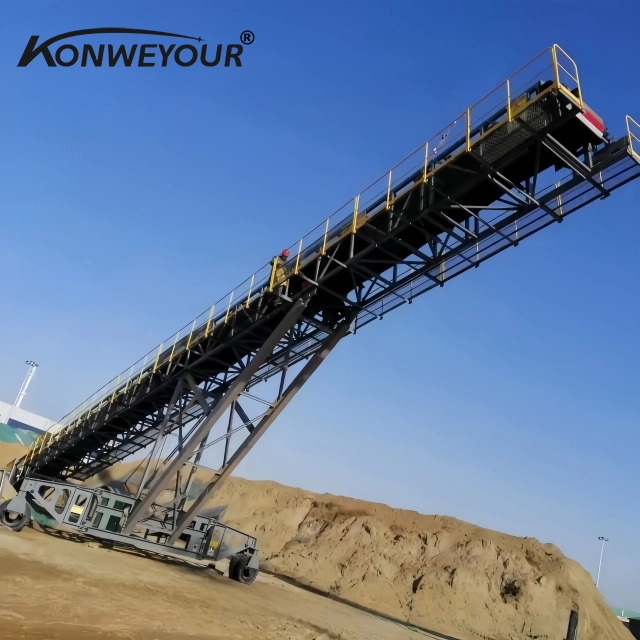
- Remote mining operations in Australia and Africa: Conveyor belts transport extracted minerals safely and continuously, reducing the reliance on trucks and lowering emissions.
Each setting demands a tailored conveyor solution — one size definitely doesn’t fit all.
Mini Takeaway:
- Belt transfer conveyors thrive in manufacturing, shipping, humanitarian aid, and mining.
- Customization ensures fit-for-purpose equipment globally.
Advantages & Long-Term Value of Using Belt Transfer Conveyor Systems
Here’s where the rubber hits the road: why invest in a belt transfer conveyor? Simply put, these systems:
- Cut operational costs: Automated material handling reduces labor needs and limits damage to goods.
- Improve worker safety: Less manual lifting means fewer injuries — a big morale and compliance win.
- Support sustainability: Energy-efficient motors and durable belts reduce carbon footprints.
- Boost productivity: Continuously moving belts mean faster turnaround times and more predictable workflows.
- Enhance customer trust: Faster, damage-free delivery keeps clients happy — which, frankly, everyone appreciates in a tough market.
From the emotional side, it feels reassuring to know your operations are designed to protect employees and the environment, not just the bottom line.
Product Specification Table: Typical Belt Transfer Conveyor
| Feature |
Specification |
| Belt material |
PVC / PU / Rubber |
| Belt width |
300 mm to 1500 mm |
| Conveyor length |
Customizable (1 m up to 100 m+) |
| Speed range |
0.1 to 3 m/s |
| Load capacity |
Up to 1000 kg/meter |
| Power supply |
220V / 380V, 3-phase |
| Control system |
PLC with touchscreen interface |
Comparing Leading Belt Transfer Conveyor Vendors
| Vendor |
Product Range |
Customization Level |
Lead Time |
Global Presence |
Sustainability Focus |
| JT Conveyor Systems |
Wide (light to heavy duty) |
High |
4-8 weeks |
Worldwide |
Strong (eco materials & motors) |
| ConveyorTech Inc. |
Medium (industrial focus) |
Moderate |
6-10 weeks |
North America, Asia |
Moderate |
| Global Belt Solutions |
Heavy duty focus |
Low |
8-12 weeks |
Europe, Africa |
Emerging |
What’s Next? Future Trends in Belt Transfer Conveyor Technology
The future seems bright — and automated. We’re seeing strides in:
- Smart conveyors: Embedded IoT sensors continuously monitor belt health and performance, allowing predictive maintenance that cuts downtime.
- Eco-friendly materials: New bio-based, recyclable belts reduce environmental impact.
- Energy recuperation: Conveyor motors can reuse braking energy to power systems — a real step toward green logistics.
- AI and robotics integration: Combined with automated guided vehicles (AGVs), belt conveyors become part of an intelligent, self-organizing workflow.
For facilities still using older models, upgrading to these innovations isn’t just about efficiency but about staying competitive in an era where supply chain resilience is everything.
Overcoming Challenges: What Holds Back Belt Transfer Conveyor Adoption?
Even with so many benefits, there are hurdles:
- High initial investment: For small operators, conveyor systems can be pricey, so payback periods must be carefully calculated.
- Space constraints: Facilities with limited floor space must carefully plan conveyor layouts, sometimes requiring creative vertical systems.
- Maintenance expertise: Skilled technicians are needed to keep conveyors running smoothly, which isn’t always available in emerging markets.
However, modular, plug-and-play conveyors and remote monitoring tools are helping make adoption more accessible. Plus, lease or rental options — like those offered by leading vendors — spread out costs.
FAQ: Common Questions About Belt Transfer Conveyors
- Q1: How do I choose the right belt transfer conveyor for my facility?
- A1: Consider the type of materials, load weight, speed requirements, and available space. Engage vendors who offer modular options and customization to better fit your workflow.
- Q2: Can belt transfer conveyors handle irregularly shaped or delicate items?
- A2: Yes — with the right belt material and speed settings. Soft, friction-enhanced belts reduce damage risks, while low-speed operation helps with fragile goods.
- Q3: What maintenance is typically required?
- A3: Average maintenance includes belt tension checks, pulley alignment, motor servicing, and cleaning. Modern systems can provide alerts ahead of issues, simplifying upkeep.
- Q4: Are belt transfer conveyors energy efficient?
- A4: When equipped with energy-efficient motors and variable speed drives, yes. New tech like regenerative braking further reduces consumption.
- Q5: How do I integrate conveyors with existing warehouse management systems?
- A5: Most modern belt conveyors come with PLC-based controllers compatible with common WMS protocols. Vendor support ensures smooth data exchange.
Wrapping It Up
Belt transfer conveyors may not be flashy, but they're essential cogs in the global industrial and humanitarian machine, quietly ensuring that goods and resources flow efficiently, safely, and sustainably. Investments in smart designs and materials continue to push boundaries, making these conveyors smarter, greener, and more accessible than ever before.
Thinking about upgrading or installing a belt transfer conveyor? You might want to check out belt transfer conveyor specialists who combine deep expertise with flexibility geared for today’s changing logistics demands.
Final thought: In the race for supply chain excellence, sometimes it’s the silent movers like belt conveyors that carry the most weight — literally.
1. International Organization for Standardization (ISO) – Material Handling Standards
2. World Bank Logistics Performance Index (2022)